

Portable washer setup tutorial gets your compact machine running fast with simple hookups and smart tips.
I’ve installed and tested dozens of compact washers and wrote this portable washer setup tutorial to guide you step by step. I’ll show tools, safe hookups, common fixes, and real tips I learned on the job so you can set up a portable washer quickly and confidently.

Why choose a portable washer?
Portable washer setup tutorial helps people with small spaces, rentals, or mobile living get laundry done without a full laundry room. Portable washers are compact, easy to move, and need minimal plumbing.
They save time and avoid laundromat trips. They also use less water and energy than many full-size machines. Portable washers fit in apartments, RVs, and tiny homes.

Types of portable washers and how to pick one
Knowing the type helps your portable washer setup tutorial go smoothly. Common types include:
- Twin tub washers: Separate wash and spin tubs. Good for fast cycles and budget setups.
- All-in-one compact washers: Single drum that washes and spins. They look like small front-load machines.
- Stackable mini washers: Made to fit on shelves or counters. Best for very tight spaces.
Choose by capacity, hookups, and portability. Match size to your laundry load and space. Check water inlet size and power needs before buying.
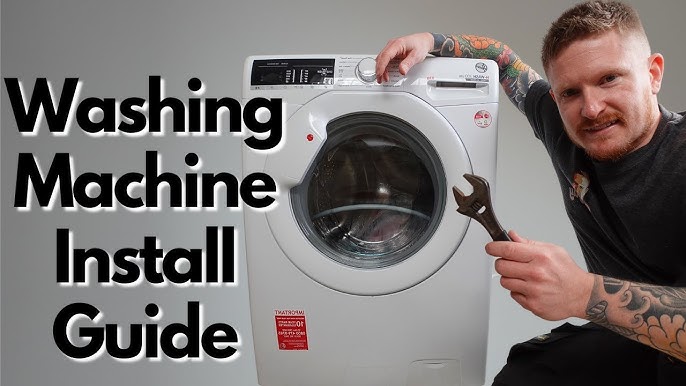
What you need before starting the portable washer setup tutorial
Prepare to avoid pauses mid-install. Gather these items:
- Washer manual and model details.
- Sink adapter or faucet connector that fits your tap.
- Drain hose extension or clip to secure hose to sink.
- GFCI-protected outlet and proper extension if needed.
- Bucket or small stand for leveling if floor is uneven.
- Tape, pliers, and a wrench for hose fittings.
Measure the area. Measure countertop or floor space and the distance to water and power. Confirm voltage and outlet type. Know the weight of the unit so you can move it safely.
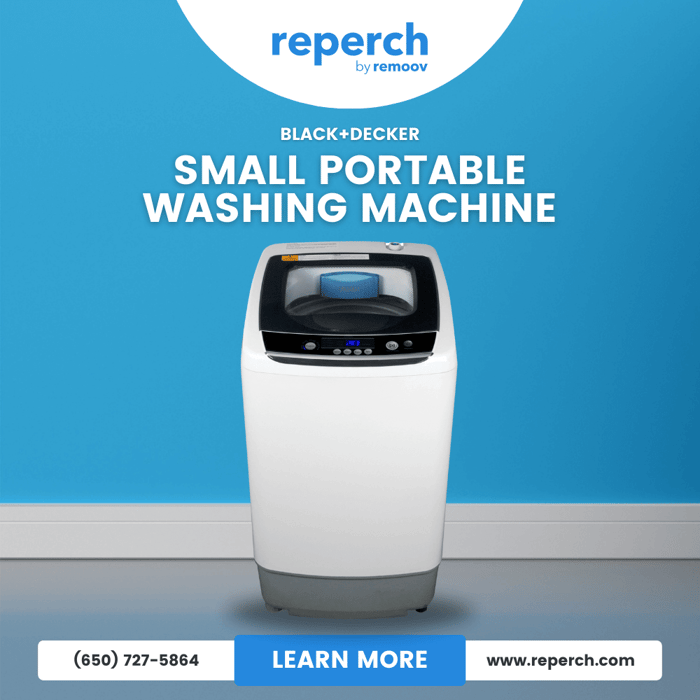
Step-by-step portable washer setup tutorial
Follow these clear steps for a safe setup.
-
Unbox and inspect the unit.
- Remove transport bolts or packing materials from drum.
- Check hoses and cords for damage.
-
Place the washer where you want it.
- Leave 2–3 inches around for airflow.
- Keep close to a sink and outlet.
-
Connect the inlet hose.
- Screw the inlet hose to the washer.
- Attach the other end to a faucet adapter or dedicated water line. Tighten by hand and then a small turn with pliers.
-
Secure the drain hose.
- Hook the drain hose over the sink edge or into a standpipe.
- Use a clip to prevent it from slipping. Point the hose downward to keep water flowing.
-
Level and stabilize.
- Adjust feet or use a small shim under one corner to stop wobble.
- Run a short spin cycle empty to check movement.
-
Plug into a GFCI outlet.
- Avoid extension cords when possible.
- If you must use one, pick a heavy-duty rated cord and keep it dry.
-
Do a first test run.
- Run a rinse or short wash with no clothes to clear the system.
- Watch for leaks and listen for odd noises.
Personal tip from experience: Always keep the manufacturer’s sticker with model and serial number near your unit or photo it. It makes ordering parts and troubleshooting faster.

Quick answers to common setup questions during the tutorial
How do I hook a portable washer to a kitchen sink?
Attach a faucet adapter to your tap and run the inlet hose to the washer. Secure the drain hose over the sink rim with a clip to prevent slips.
Can I use a portable washer outdoors?
You can only if it stays dry and connects to safe power and water sources. Outdoor use raises risks from weather and should be temporary.
How long does setup take?
A basic portable washer setup tutorial usually takes 20–45 minutes for someone with tools and parts ready. Complex hookups with adapters or electrical work take longer.
Common problems during portable washer setup and fixes
Expect a few snags. Here are common issues and quick fixes:
-
Leaks at the hose connections
- Tighten fittings. Replace worn washers. Use plumber’s tape if threads leak.
-
Drain hose keeps falling out
- Use a sink clip or a small hook to anchor the hose. Ensure it hangs no higher than manufacturer recommends.
-
Excessive vibration or noise
- Check for shipping bolts or loose parts. Level and balance the load.
-
Washer won’t fill with water
- Check the faucet is on and inlet filter is not clogged. Verify water pressure.
From my experience, most problems come from skipped steps like removing transit bolts or not tightening hoses. Take two extra minutes to double-check before running a cycle.
Maintenance and care after setup
Simple care extends life and performance. Do these regularly:
- Clean the lint trap and inlet filter monthly.
- Run an empty hot wash with vinegar or machine cleaner every 1–2 months to prevent odors.
- Leave the lid slightly open between uses to dry the drum.
- Store the drain hose without kinks and clip it in place.
I once ignored lint buildup and had a small clog that slowed drains. Regular checks prevented a costly repair.
Energy, water use, and cost tips in your portable washer setup tutorial
Portable washer setup tutorial should include efficiency choices. To save money:
- Use cold water washes for most clothes.
- Match load size to capacity; don’t overfill.
- Use high-efficiency detergent when recommended.
Portable washers usually use less water per wash. Track your utility use for a month to see savings compared to laundromat trips.
Safety, installation rules, and code basics
Safety keeps setup legal and low-risk. Follow these rules:
- Always use a GFCI outlet near water.
- Do not run the washer from an ungrounded or damaged outlet.
- Follow manufacturer guidance on drain height and hose placement.
- Check local rental or building rules before installing any permanent connections.
If you need electrical upgrades, hire a licensed electrician. If plumbing changes are required, consult a plumber to meet local codes.
Frequently Asked Questions of portable washer setup tutorial
How do I connect a portable washer to a faucet?
Use a faucet adapter that matches your tap threads and attach the inlet hose. Tighten connections and run a short fill test to check for leaks.
Can I use an extension cord with a portable washer?
It is not recommended. If you must, use a heavy-duty cord rated for the washer’s amperage and keep all connections dry and off the floor.
Do I need to remove shipping bolts during setup?
Yes. Removing shipping bolts is essential. Leaving them in can cause noise, damage, and poor spinning.
How high can the drain hose be placed?
Follow the manufacturer’s max drain height, generally under 3 feet above the machine. Too high a drain causes slow draining or overflow.
How often should I clean the portable washer?
Clean filters and lint traps monthly and run a maintenance wash every 1–2 months. Regular cleaning prevents odors and clogs.
Will a portable washer fit in an RV?
Many portable washers do fit RVs, but check dimensions, water hookups, and power needs. Choose a model designed for limited space and mobile use.
What if my washer vibrates a lot after setup?
Re-level the unit and redistribute the load. Remove objects from pockets and ensure the floor is solid and even.
Conclusion
This portable washer setup tutorial gives clear steps, packing lists, safety notes, and real-life tips to get your compact washer running well. Start by preparing tools and space, remove shipping parts, secure hoses, level the machine, and test before regular use. Try one setup this weekend and tune settings from there — you’ll save time and money while keeping laundry close at hand. Share your setup story or questions below, and subscribe for more hands-on home gear guides.