

Vinegar and baking soda usually remove faucet hard water stains in minutes.
I’ve cleaned dozens of sinks and faucets in homes and rentals. I’ll walk you through how to remove hard water stains from faucet step by step, using safe, simple tools and real-world tips that work. Read on to learn quick fixes, stronger options, prevention, and what to do when stains are stubborn.
What causes hard water stains on faucets?
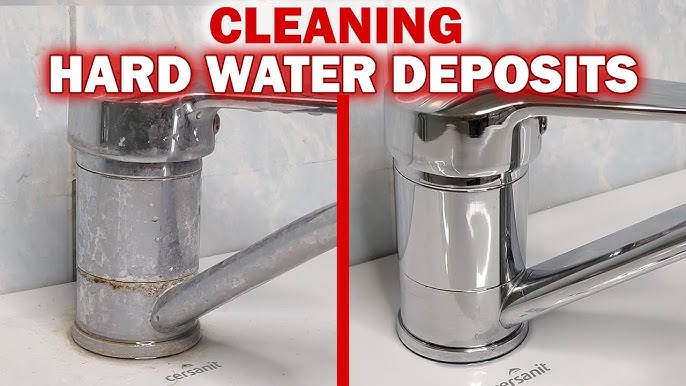
Hard water stains form when minerals in water dry and leave white, chalky deposits. Calcium and magnesium are the main culprits. Over time these minerals build up on chrome, stainless steel, brass, and even plastic finishes.
Hard water also reacts with soap to create scum. That layer traps mineral particles and makes stains harder to remove. Understanding this helps when choosing cleaners and tools.

Tools and materials you need
Use basic items you likely already own. They work well and are gentle on finishes.
- White vinegar — acidic and dissolves mineral buildup.
- Baking soda — mildly abrasive and neutralizes odor.
- Soft cloths or microfiber — gentle on finishes.
- Old toothbrush or soft nylon brush — for crevices.
- Plastic scrub pad or non-scratch sponge — avoid steel wool.
- Lemon or citric acid — natural acid alternative.
- Rubber gloves and safety glasses — protect skin and eyes.
- Pumice stone (for porcelain or very tough spots) — use very gently.
These tools cover most jobs, from light rings to heavy crusts.
Step-by-step methods to remove hard water stains from faucet
Here are reliable methods ranked from gentle to stronger. Try the mild approaches first. You can combine methods safely.
1. Vinegar soak (best for most faucets)
- Wrap a paper towel or cloth soaked in white vinegar around the stained area.
- Let sit 15–30 minutes for light stains, or up to an hour for heavier buildup.
- Scrub gently with a soft brush, rinse, and dry.
This technique is often the fastest way to remove hard water stains from faucet surfaces without damage.
2. Baking soda paste (for scrubbing)
- Mix baking soda with a little water to make a thick paste.
- Apply paste to the stain and let sit 10–15 minutes.
- Scrub with a soft brush or cloth, rinse thoroughly, then dry.
Baking soda is mildly abrasive. It helps lift mineral crusts without scratching most finishes.
3. Vinegar + baking soda fizz (for stubborn rings)
- Apply vinegar, then sprinkle baking soda on top to create fizz.
- Let it bubble for a few minutes, then scrub gently and rinse.
This combo loosens trapped mineral deposits. It’s safe on chrome and stainless steel.
4. Lemon or citric acid (natural option)
- Rub half a lemon on the stain or apply a citric acid solution (1 tablespoon per cup of water).
- Let sit 10–20 minutes, scrub lightly, rinse, and dry.
Lemon adds a fresh scent and works well on light to medium stains.
5. Commercial descalers (for heavy buildup)
- Choose a non-abrasive descaler made for fixtures.
- Follow label instructions and safety warnings.
- Rinse thoroughly and dry after use.
Commercial products are stronger. Use them when home remedies fail, and avoid mixing chemicals.
6. Pumice stone (last resort for porcelain or very tough spots)
- Wet the pumice and the stained area.
- Rub gently, keeping both surfaces wet.
- Rinse and dry.
Do not use pumice on plated finishes. Test in an inconspicuous spot first.
Prevention: stop stains before they start
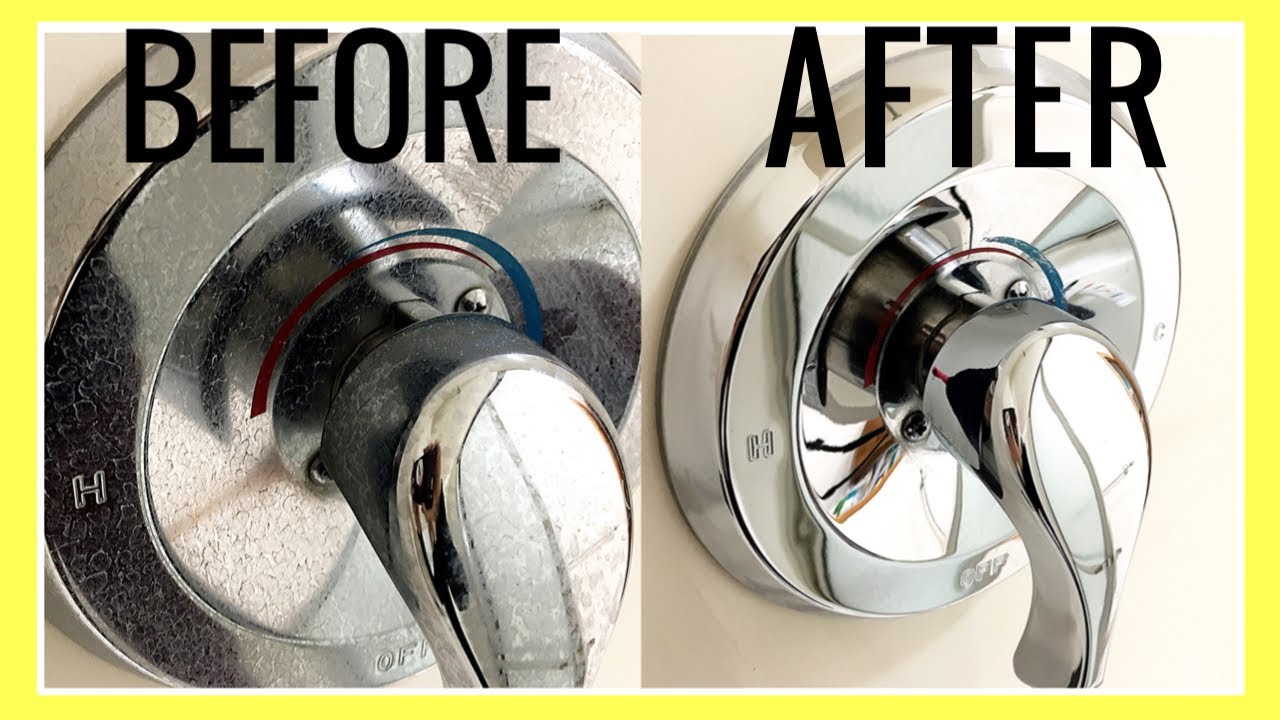
Preventing stains is easier than removing them. Small habits make a big difference.
- Wipe faucets dry after each use to prevent mineral drying.
- Install a water softener or a point-of-use filter if your water is very hard.
- Use mild cleaners weekly to prevent buildup.
- Replace or clean aerators every few months — they trap mineral deposits.
- Apply a thin layer of car wax or faucet polish monthly to help repel water.
These steps reduce how often you need deep cleaning and protect finishes.
Maintenance schedule and routine
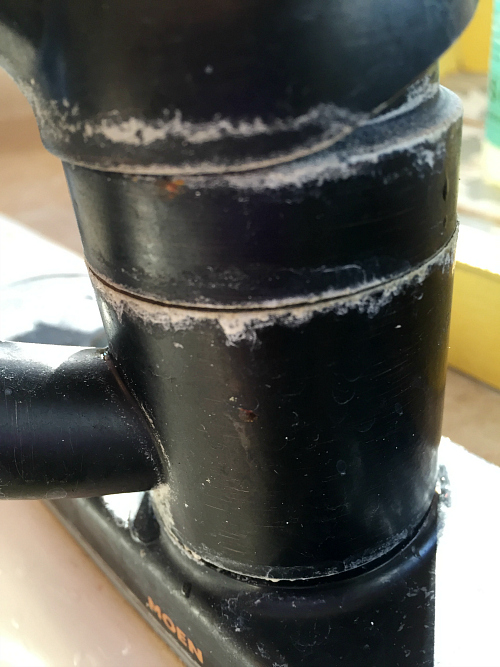
A simple schedule keeps faucets shiny with little work.
- Daily — Wipe visible water spots with a microfiber cloth.
- Weekly — Quick clean with diluted vinegar or mild soap.
- Monthly — Remove and soak aerator in vinegar for 15–30 minutes.
- Quarterly — Inspect for buildup and use a baking soda paste on problem areas.
Regular care prevents thick crusts that need harsh chemicals or extra elbow grease.

Troubleshooting tough stains and tricky finishes
If cleaning doesn’t work, try these targeted fixes.
- Stains under aerator — Unscrew the aerator and soak in vinegar overnight, then scrub.
- Dull or pitted chrome — Deep pitting may be permanent; consider replacing the faucet.
- Brass or gold finishes — Use only mild soaps and avoid acidic cleaners on plated brass.
- Matt or brushed finishes — Avoid polishing; use a damp cloth and mild cleaner.
If a finish is delicate, always test any method in a hidden spot first.
Personal tips, common mistakes, and lessons learned
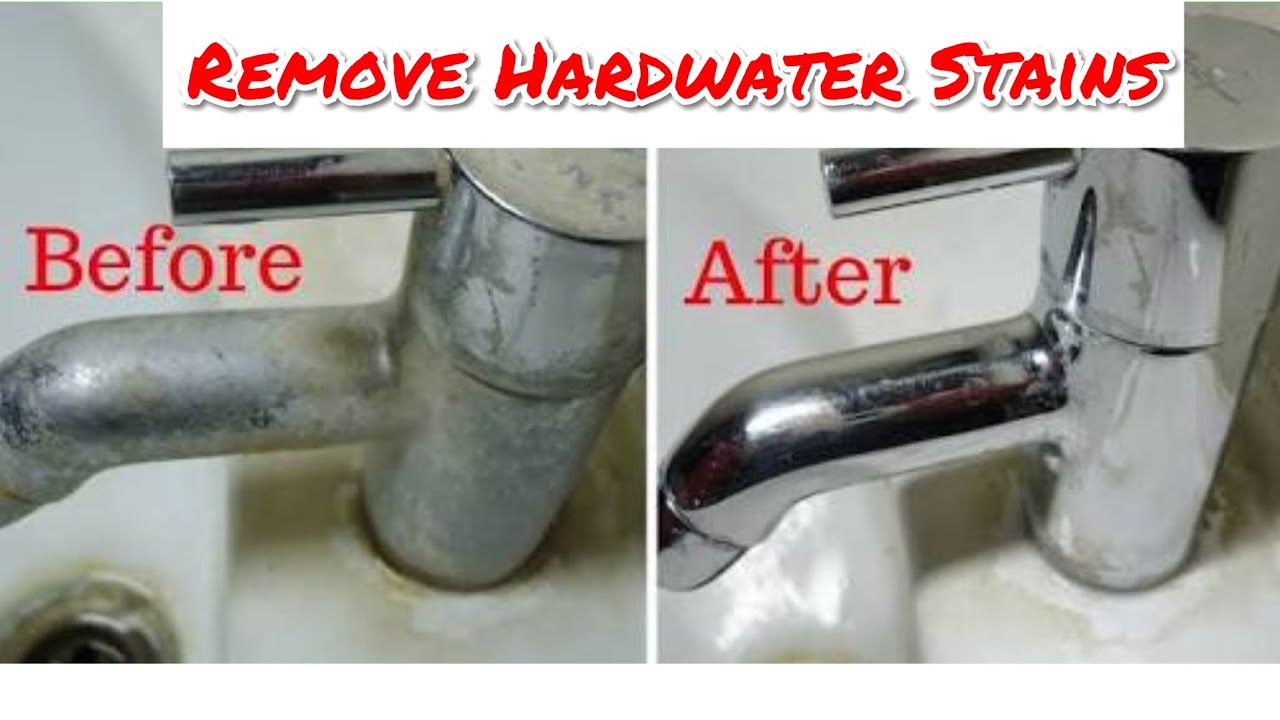
I’ve cleaned dozens of faucets in rentals and homes. A few lessons stuck with me.
- Don’t let strong acids sit too long. Vinegar is great, but prolonged exposure can dull some finishes.
- Avoid steel wool or harsh scouring pads. They scratch and make stains worse.
- Aerator buildup caused most of my repeated problems. Keeping aerators clean saved time.
- A soft toothbrush is my best tool for small crevices.
- When in doubt, try a gentle method first. Strong cleaners come later.
These simple habits keep work minimal and results consistent when removing hard water stains from faucet surfaces.

People also ask — quick answers
Q: Will vinegar damage faucet finish?
A: Short vinegar soaks are safe for most finishes, but avoid long exposure on plated or delicate finishes. Rinse and dry well after use.
Q: Can I use bleach on hard water stains?
A: Bleach does not remove mineral deposits and can damage finishes or interact badly with other cleaners. Avoid bleach for this task.
Q: How long should I soak an aerator in vinegar?
A: Soak aerators 15–60 minutes depending on buildup. For heavy crusts, an overnight soak often works best.
Q: Does lemon remove limescale?
A: Yes. Citric acid in lemon dissolves mineral deposits and adds a fresh scent. It works well for light to medium stains.
Q: Is a water softener worth it?
A: If you have hard water throughout your home, a softener reduces mineral buildup and saves time cleaning. It’s an investment but often pays off.
Frequently Asked Questions of How to remove hard water stains from faucet
What household cleaner removes hard water stains from faucet quickly?
White vinegar and baking soda together remove most stains quickly. Soak briefly with vinegar, scrub with a baking soda paste, rinse, and dry.
Can I use a toothbrush to remove hard water stains from faucet?
Yes. A soft toothbrush reaches crevices and is gentle on finishes. Use it with vinegar or baking soda for best results.
How long does it take to remove hard water stains from faucet?
Light stains usually come off in 10–30 minutes with home methods. Heavy buildup may take repeated treatments or stronger descalers.
Will commercial products damage my faucet while removing hard water stains from faucet?
Strong commercial descalers can harm plated or delicate finishes if misused. Follow instructions and test first in a hidden spot.
How often should I clean to avoid removing hard water stains from faucet repeatedly?
Wiping faucets dry daily and using a quick weekly clean will prevent most stains and keep deep cleaning to a minimum.
Conclusion
Removing hard water stains from faucet is straightforward with the right tools and routine. Use vinegar and baking soda first. Move to commercial descalers only if needed. Protect finishes by wiping dry, cleaning aerators, and using mild cleaners regularly.
Try a simple vinegar soak today and see how much sparkling finish you get. If this guide helped, subscribe for more practical home-care tips or leave a comment with your stubborn stain story.