

Try simple checks first: tighten the bulb, test the dimmer, or swap the driver or bulb.
I’ve fixed dozens of home and office lighting problems, so I know what makes LED lights flicker and how to fix flickering LED lights without guesswork. This guide walks you through causes, safe checks, step-by-step fixes, and when to call a pro. Read on for clear, tested ways to stop LED flicker and get steady light again.

Why LED lights flicker
LED flicker can come from many small things. Common causes include loose bulbs, incompatible dimmer switches, faulty LED drivers, and voltage changes in the building. Electronics like smart switches and old wiring can add noise that makes LEDs blink.
Flicker can mean a loose connection, a failing driver, or pulse-width modulation from the power supply. Knowing the cause helps you decide whether to tighten a bulb, swap parts, or get an electrician.

Safety first: before you try to fix flickering LED lights
Turn power off at the switch or breaker before touching fixtures. Use a ladder safely and wear eye protection if you work above head level. If wiring looks burnt, charred, or has melted insulation, stop and call a licensed electrician.
Never open or try to repair an LED driver unless you are trained. Drivers contain capacitors that can hold charge. Simple bulb swaps and dimmer swaps are safe for most DIYers, but anything beyond that needs a pro.
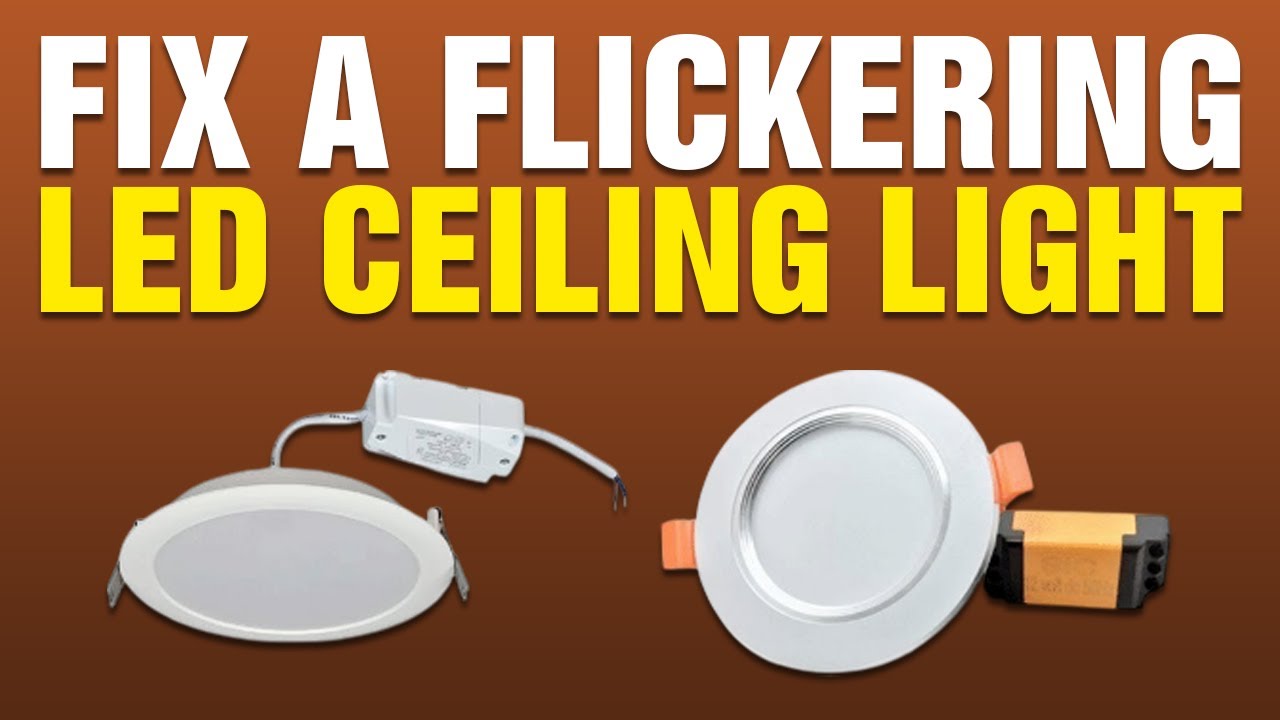
Step-by-step: how to fix flickering LED lights
Follow these steps in order to fix flickering LED lights at home. Work from the easiest fixes to the more complex ones.
- Turn the light off and on once to see if flicker stops.
- Tighten the bulb; a loose base often causes flicker.
- Try a different bulb in the same socket to isolate the bulb from the fixture.
- Test the bulb in a different lamp or fixture to verify the bulb itself.
- Replace dimmer switches with one that lists LED compatibility or a modern LED-rated dimmer.
- Swap the LED driver or power supply if your fixture has an external driver.
- Check other appliances while lights flicker; big motors or HVAC may cause voltage dips.
- If flicker remains, inspect connections or call a licensed electrician for wiring checks.
Do these checks in short, safe steps. You’ll find the problem faster when you isolate parts one at a time.
Common fixes and examples from real jobs
Loose bulbs and poor contact
- Example: I once tightened a living-room fixture and stopped intermittent blink immediately.
- Why it helps: A secure contact ensures steady current flow.
Dimmer compatibility
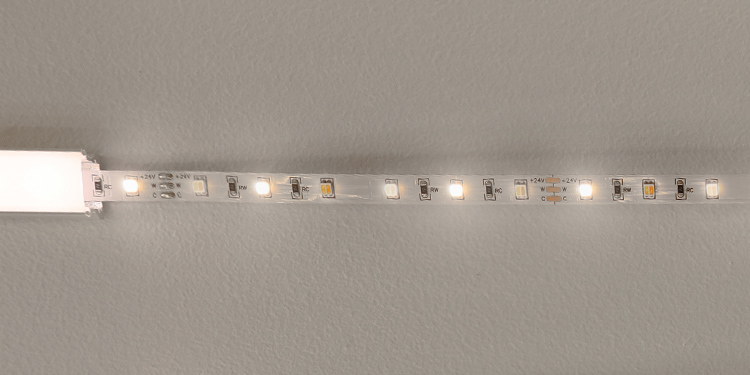
- Example: Replacing an old incandescent dimmer with an LED-rated dimmer fixed kitchen strip lights.
- Why it helps: Old dimmers use higher minimum loads and cause PWM flicker with LEDs.
Bad driver or power supply
- Example: Office downlights used glued-in drivers that failed after years; swapping to new drivers cured flicker.
- Why it helps: Drivers regulate current. A failing driver gives uneven power.
Voltage fluctuation and heavy loads
- Example: A dryer kicking on caused the basement lights to dim and flicker. A whole-house inspection showed loose service connections.
- Why it helps: Large loads can drop local voltage and cause LEDs to blink.
Smart-bulb quirks
- Example: A smart bulb on a cheap dimmer blinked. Using a full-power smart switch and proper neutral fixed the issue.
- Why it helps: Smart bulbs and switches need compatible wiring and stable power.
Lessons learned
- Start simple: swap bulb, check fixture, test dimmer.
- Take notes: write which bulb, fixture, and driver you tried. That saves time if you call a pro.

When to replace parts or call a pro
Replace the bulb if a test bulb works in another fixture. Replace the driver if the fixture’s external driver shows signs of heat, smell, or intermittent output. Upgrade dimmers if they are not rated for LED loads.
Call a licensed electrician when you see:
- Sparks, burn marks, or melted insulation.
- Frequent tripped breakers with lights flickering.
- Flicker across many circuits at once (possible service issue).
If your lights flicker right after installation, stop and have the installer check the wiring. Warranty may cover fixes or part replacement.

Preventive tips to avoid LED flicker
Use LED-rated dimmers and switches.
Keep spare bulbs and a matching driver on hand for older fixtures.
Match bulb and fixture voltage and base type.
Buy quality bulbs and drivers with stable current specs.
Have an electrician check house wiring if you see repeated flicker.
Document any repeated issues for warranty claims or electrician assessments.
Simple upkeep saves time and prevents repeat problems. Quality parts cost a bit more but cut long-term headaches.

Troubleshooting checklist (quick reference)
- Tighten the bulb.
- Swap the bulb with a known good one.
- Test the bulb in another fixture.
- Check and replace old dimmers.
- Replace external LED driver if available.
- Look for loose wiring or burnt marks.
- Watch for flicker only when heavy appliances run.
- Call a pro for service panel or broadband voltage issues.
Use this checklist when you want a short plan to follow. It helps you work fast and safe.
Frequently Asked Questions of How to fix flickering LED lights
Why do my LED lights flicker when the air conditioner starts?
Large motors like AC compressors draw a surge of power that can cause small voltage dips. If the flicker is brief and aligns with motor start, have an electrician check service connections and consider a dedicated circuit.
Can an LED bulb be fixed if it flickers?
Most often it’s better to replace the bulb. If the bulb is new and under warranty, swap it. Repairing small bulbs is not practical for most users.
Do dimmer switches cause LED flicker?
Yes. Old dimmers often need a minimum load and use an older control method that causes LED flicker. Replacing with an LED-compatible dimmer usually fixes it.
Is flicker harmful to health or electronics?
Low-level flicker can cause eye strain or headaches in sensitive people. High-frequency flicker usually won’t harm electronics, but steady, visible flicker should be fixed to avoid long-term discomfort.
When should I call an electrician for flickering LEDs?
Call an electrician if you find burnt wiring, repeated flicker across many lights, tripped breakers, or if flicker happens with no clear bulb or dimmer cause. These signs point to wiring or service issues.
Will smart bulbs flicker more than regular LEDs?
Smart bulbs can flicker if paired with incompatible dimmers or if firmware is buggy. Using recommended switches and keeping firmware updated reduces the chance of flicker.
Conclusion
You can solve most issues by tightening bulbs, testing bulbs in other fixtures, and using LED-rated dimmers and drivers. Start with simple tests, follow safety steps, and move to driver or wiring checks only when needed. If you feel unsure or see signs of wiring damage, call a licensed electrician.
Take action today: try the quick checks, note what you find, and swap one part at a time. If this guide helped, leave a comment with your flicker story or subscribe for more easy home-fix tips.