

A whole-home surge protector typically costs between $200 and $800, installed.
I’ve spent years evaluating and installing home electrical protection, so I’ll walk you through exactly how much is a whole home surge protector and why prices vary. This guide covers real prices, installation costs, types, pros and cons, saving tips, and how to pick the right protector for your home so you can protect your devices without overspending. Read on to get clear, practical advice you can use today.
Typical price range and what to expect
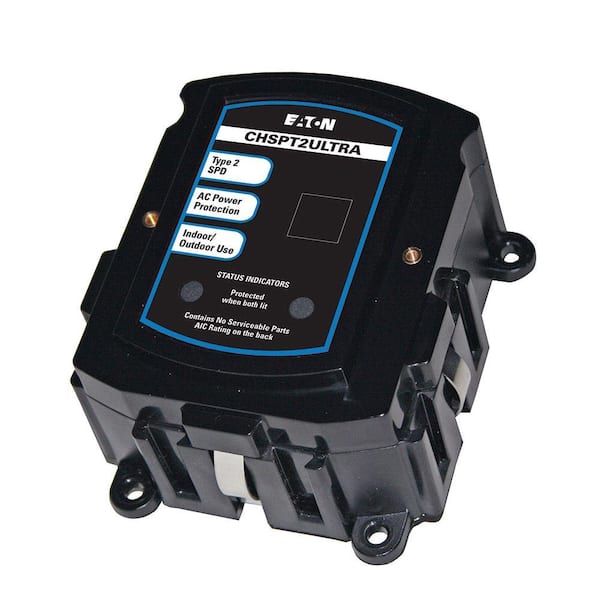
A basic whole-home surge protector device often costs between $100 and $400.
Professional installation usually adds $100 to $400, so total installed cost tends to fall between $200 and $800.
Higher-end units with better joule ratings and advanced features can push the device price to $500 or more, and complex panels or multiple locations raise labor costs.

What determines how much is a whole home surge protector
Several factors drive the price of a whole-home surge protector. Keep these in mind when comparing options.
- Type and rating: Higher joule ratings and faster response times cost more.
- Category and coverage: Protectors for main panels cost more than plug-in or point-of-use models.
- Brand and warranty: Trusted brands with long warranties usually charge a premium.
- Features: Indicator lights, remote monitoring, and replaceable modules add cost.
- Installation complexity: Older electrical panels, subpanels, or multi-phase systems raise labor hours.
Types of whole-home surge protectors and cost differences
Different designs suit different budgets and needs. Knowing the difference helps answer how much is a whole home surge protector for your situation.
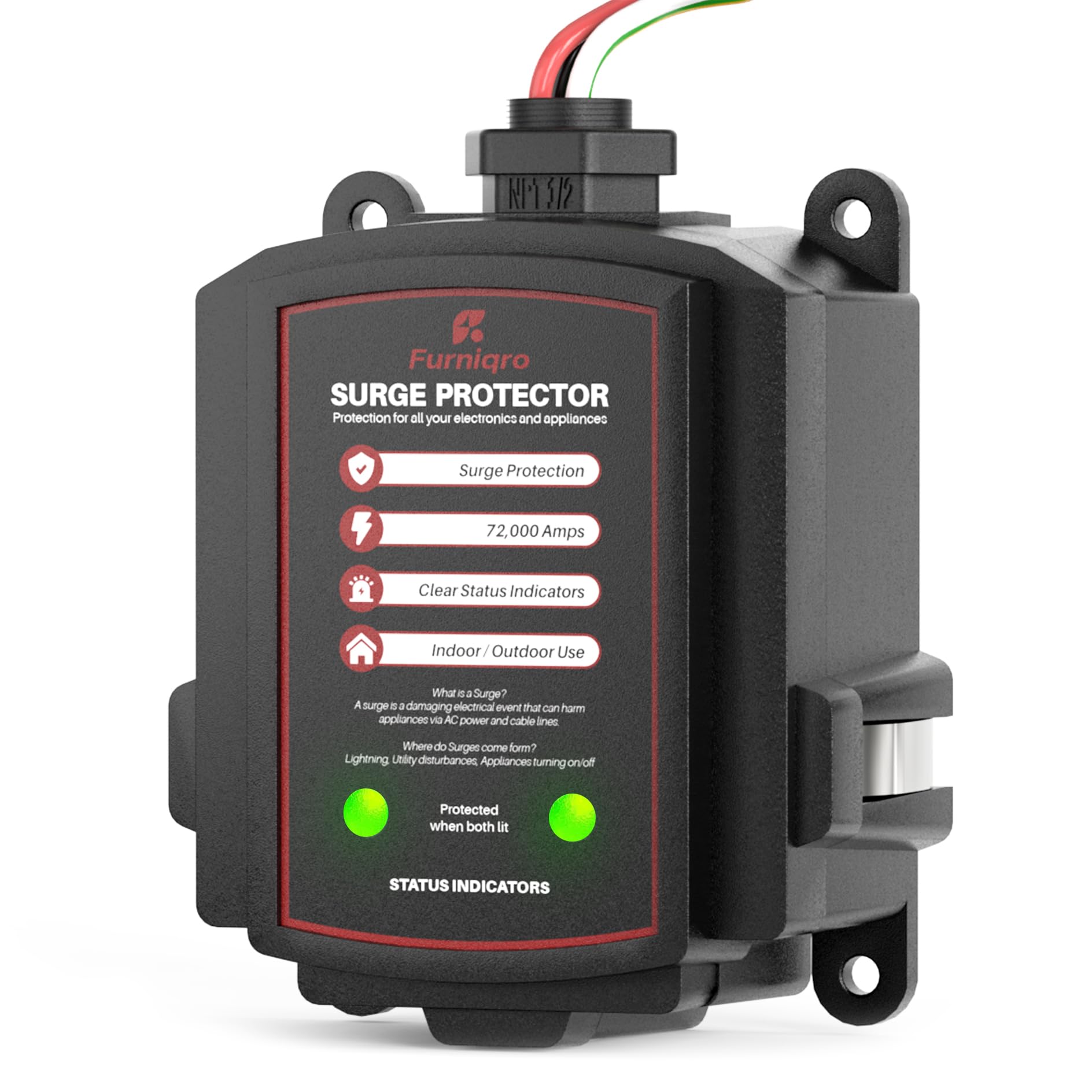
- Type 1 (service entrance): Installed at the meter or main panel. Device cost ranges $150 to $600.
- Type 2 (point-of-entry): Mounted at the main breaker panel. Device cost ranges $100 to $500.
- Type 3 (point-of-use): Power-strip style for individual appliances. Device cost ranges $20 to $150 but does not replace whole-home protection.
Installation for Type 1 and Type 2 typically requires a licensed electrician, adding $100 to $400. Type 3 often needs no electrician but won’t answer the whole-home question fully.

Installation costs and what an electrician does
Installers do more than attach a device. They check panel capacity, wire sizing, bonding, and grounding. This work ensures the surge protector will work when needed.
- Inspection: Electrician verifies panel health and grounding. This can be a small fixed fee or included in labor.
- Mounting and wiring: Professional labor covers mounting, wiring to the breaker, and testing.
- Permits: Some areas require permits; fees vary.
- Troubleshooting: Extra repairs or panel upgrades increase cost.
Expect a 45–90 minute job for a straightforward panel and longer for older homes. This detail explains much of why answers to how much is a whole home surge protector change from house to house.
Long-term value: Is it worth the cost?
Think beyond the sticker price. A surge protector can prevent thousands in damage to electronics and appliances.
- Replacement cost avoidance: A single surge can damage refrigerators, HVAC, TVs, and computers.
- Insurance and warranties: Some warranties require a surge protector to honor claims.
- Home resale: A protected electrical system can be a selling point for informed buyers.
In my experience, protecting higher-value electronics and HVAC often justifies the installed cost in one avoided claim or repair.

How to choose the right whole-home surge protector
Choosing the right unit depends on your panel, home value, and local surge risk. Use this checklist to narrow choices.
- Check panel compatibility: Match voltage and phase (single vs. three-phase).
- Look at joule rating: Aim for 600–2000+ joules for meaningful protection.
- Consider clamping voltage and response time: Lower clamping voltage and fast response are better.
- Warranty and connected equipment coverage: Longer, clear warranties add confidence.
- Professional installation: Hire a licensed electrician for whole-home models.
I often recommend mid-range units with 1000–2000 joules for average homes. They balance cost and protection well.

Savings tips and avoiding overspending
You don’t have to pay top dollar to get solid protection. Here are practical ways to save.
- Bundle with other electrical upgrades to reduce overall labor costs.
- Compare quotes from 2–3 electricians to find fair labor rates.
- Consider factory-direct sales or contractor discounts for devices.
- Ask about surge protector modules that can be replaced instead of full device swaps.
I once saved a friend over $150 by pairing a surge protector install with a planned panel upgrade. Timing matters.

Common mistakes and lessons from real installs
From my installations, I’ve seen recurring errors homeowners should avoid.
- Buying a cheap point-of-use unit and assuming the whole home is safe. Point-of-use is not a substitute for main panel protection.
- Skipping inspection: Older panels or poor grounding can render a protector ineffective.
- Ignoring warranties: Poor documentation can void coverage for connected equipment.
- DIY wiring changes: Tampering with the main panel is dangerous and often illegal.
Learning from these mistakes helps you spend smart when asking how much is a whole home surge protector.

When to upgrade or replace your surge protector
Surge protectors don’t last forever. Replace them if you see certain signs.
- Indicator alerts that protection is gone. Many units have status lights or alarms.
- After major lightning strikes or utility events that may have degraded the device.
- If the warranty period ends and the device is older than 5–10 years.
- When you add high-value electronics or new appliances.
I recommend a yearly panel check to confirm the device still functions as intended.
Frequently Asked Questions of how much is a whole home surge protector
What is the average installed cost for a whole-home surge protector?
Average installed cost ranges from $200 to $800, depending on device and labor. Higher-end systems or complicated installs push costs above this range.
Can I install a whole-home surge protector myself?
Installing at the main panel requires electrical expertise and is best done by a licensed electrician. DIY installation at the main service is risky and may violate local codes.
How long does a whole-home surge protector last?
Many units last 5 to 10 years, but lifespan depends on real surge exposure and device quality. Check indicators and manufacturer recommendations to decide on replacement.
Will a whole-home surge protector stop lightning damage?
It reduces risk from power surges but cannot guarantee full protection from a direct lightning strike. Layered protection and proper grounding improve safety.
Do homeowners insurance policies require surge protectors?
Not usually required, but some warranties and insurers offer better terms or coverage if you have documented surge protection. Check your policy details.
Conclusion
Protecting your home starts with understanding how much is a whole home surge protector and what that investment buys. Expect to spend roughly $200 to $800 installed for reliable protection, and choose a device and installer that match your panel and needs. Take the next step: request quotes from local electricians, confirm grounding and panel compatibility, and pick a unit with a clear warranty. Leave a comment with your questions, subscribe for updates, or share this guide if it helped you decide.