

Preheat about 10–15 minutes for 350°F; 15–25 minutes for higher temperatures.
As a home cook and former bakery assistant, I’ll walk you through how many minutes should i preheat the oven, why that timing matters, and how to adjust times for different ovens and recipes. This guide blends hands-on tips, simple science, and tested tricks to help you bake and roast with confidence.
:max_bytes(150000):strip_icc()/Simply-Recipes-Preheat-Oven-Time-LEAD-2-5387e075a247455194c01c5b0863c81b.jpg) preheating matters for consistent results”
preheating matters for consistent results”
style=”max-width: 100%; height: auto; border: 2px solid black; border-radius: 10px; display: block; margin: 0 auto;”
loading=”lazy”
/>
Why preheating matters for consistent results
Preheating brings the oven to the target temperature before food goes in. This matters because baking and roasting rely on precise temperatures for rise, texture, and browning. If you skip or skimp on preheat time, cakes may sink, crusts may not form, and cooking times will be unpredictable.
From my experience, even a five-minute shortfall can change the bake of delicate items. Knowing how many minutes should i preheat the oven helps you hit recipes on the first try. Aim for consistency by measuring and testing your oven periodically.

How many minutes should i preheat the oven: practical times
Oven type, size, and target temperature change the answer. Here are practical starting points to use as a rule of thumb. These times assume an empty standard home oven starting at room temperature.
- For 325°F: Preheat 8–12 minutes. This is common for gentle bakes like custards and some breads.
- For 350°F: Preheat 10–15 minutes. This is the most common bake temp for cookies and cakes.
- For 375°F: Preheat 12–18 minutes. Good for denser cakes and many casseroles.
- For 400°F: Preheat 15–20 minutes. Use this for roasting vegetables and quick breads.
- For 425°F–450°F: Preheat 18–25 minutes. High heat takes longer and is used for pizzas and roasted meats.
Remember that these are estimates. The real measure of how many minutes should i preheat the oven is when the internal thermometer reads the target. Heavy baking sheets or stone pizza pans can add a few minutes when placed inside before preheating.

Factors that affect preheat time
Several factors change how long you should wait. Knowing them helps you adapt the basic times above.
- Oven type and age: Older or gas ovens heat unevenly and may take longer. Convection ovens generally reach temperature faster.
- Oven size and insulation: Larger ovens or poorly insulated units take more time to heat.
- Amount of equipment inside: Preheating with baking stones, pans, or racks inside adds time.
- Starting temperature: If your kitchen is very cold, preheat may take longer.
- Door opening: Opening the oven door while preheating slows the process.
When wondering how many minutes should i preheat the oven, factor in these variables to avoid surprises.
How to tell when your oven is truly ready
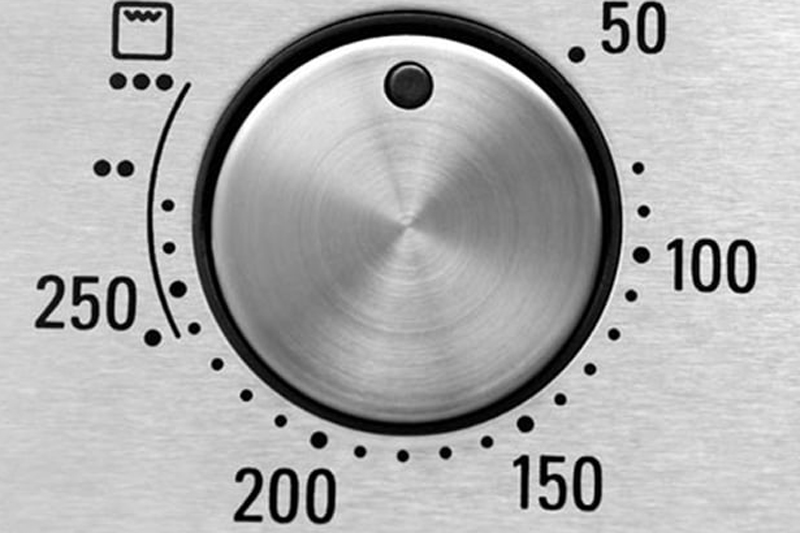
The oven's internal signal light or beep is a guide but not a guarantee. The best way to know how many minutes should i preheat the oven is to use an oven thermometer. Place it in the center of the middle rack and wait until it reads the set temperature.
Other signs that an oven is ready:
- The oven feels evenly hot when you carefully place your hand near (not touching) the door.
- For some recipes, a small test cake or cookie can confirm the heat is correct.
- If a recipe calls for preheating with a baking stone or cast iron, wait until the stone reaches temp.
An oven thermometer costs little and saves many failed bakes. From personal experience, it fixed my uneven cookies and gave consistent browning.

Tips to speed up preheating and save energy
You can shave minutes off preheat time without hurting results. These tips are practical and safe.
- Use convection mode when recipes allow it. It circulates air and shortens time.
- Preheat only to the needed temperature. Don’t overshoot then cool down.
- Keep the oven clean. Built-up grime reduces efficiency.
- Preheat with empty oven. Add pans or food only after the target temp is reached.
- Use a smaller oven or countertop toaster oven for small batches to reach temp quicker.
While cutting time, still respect how many minutes should i preheat the oven for the best texture. Quick hacks help, but accuracy matters more than speed.
Common mistakes and how to avoid them
Many home cooks make the same preheat errors. Avoid these to improve results.
- Relying solely on the oven beep. Invest in an oven thermometer instead.
- Putting cold pans or frozen food into the oven during preheat. This drags down temperature.
- Preheating too long to "get it hotter." That wastes energy and can over-dry the oven interior.
- Ignoring recipe cues. If a recipe says “preheat and let rest 10 minutes,” follow it.
- Not accounting for high-altitude or very humid kitchens. Adjust times and temps when needed.
If you ask how many minutes should i preheat the oven and still get mixed results, check your thermometer and your oven door seal first. Those fixes resolved most issues for me.
Frequently Asked Questions of how many minutes should i preheat the oven
How long should I preheat for cookies?
Preheat for cookies about 10–15 minutes for 350°F. Use an oven thermometer to confirm the actual temperature before baking.
Do convection ovens need less preheat time?
Yes. Convection ovens usually reach temp faster due to fan circulation, often cutting preheat by 3–7 minutes. Still use a thermometer for best results.
Can I put food in the oven while it’s preheating?
Putting food in early can change the rise and texture for baked goods. For most breads and cakes, wait until the oven reaches the set temperature.
Will preheating longer make things browner?
Not usually. Browning depends on the temperature and recipe. Over-preheating wastes energy without improving browning.
Is an oven thermometer necessary?
Yes, it’s a small investment that ensures accuracy. It tells you the true oven temperature and helps answer how many minutes should i preheat the oven for reliable results.
Conclusion
Preheating matters. For most home baking, expect 10–15 minutes for 350°F and 15–25 minutes for higher temps. Use an oven thermometer, learn your oven’s quirks, and adjust times based on oven type, pans, and recipe needs.
Try timing a few test runs with your thermometer this week. You’ll gain confidence and better results fast. If this guide helped, leave a comment with your oven type or subscribe for more practical kitchen tips.