

The Herman Miller Aeron offers top-tier lumbar support and posture correction for long office hours.
I’ve tested dozens of chairs and spent years writing about ergonomics, so I know what makes the best office chair for back support. This guide breaks down what matters, shows chairs that actually help reduce pain, and gives easy steps to choose and set up the right chair for you. Read on for hands-on tips, clear comparisons, and simple adjustments that will help you protect your back during long workdays.
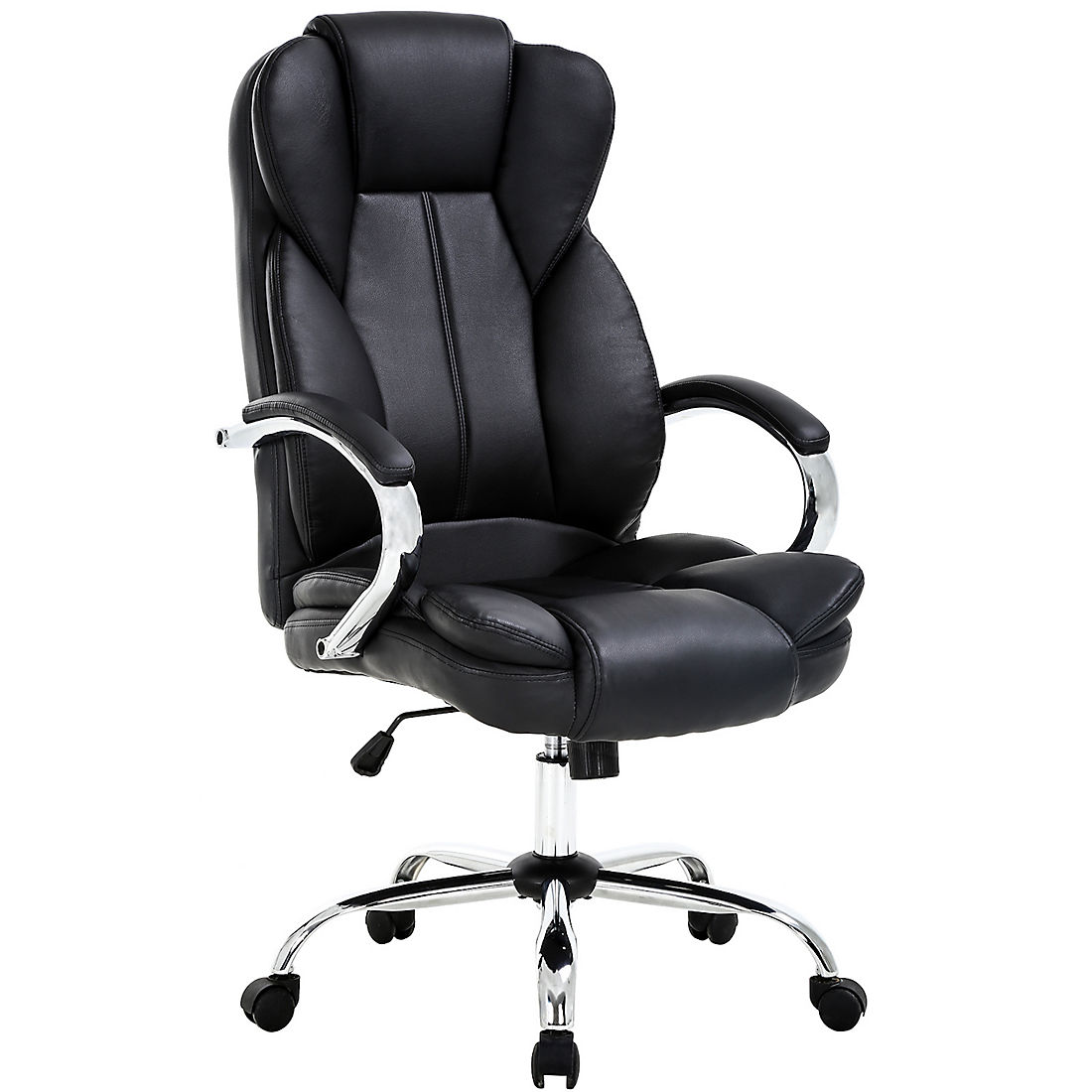
Why back support matters for office workers
Good back support prevents pain and keeps your spine healthy. Sit poorly and your muscles tire fast. Over time, slouching can lead to chronic pain and reduced focus.
When you choose the best office chair for back support, you relieve pressure on discs and improve circulation. That helps you work longer and feel better the next day. Simple changes to your chair and posture can cut fatigue and lower the risk of injury.
Key features to look for in the best office chair for back support
Choose chairs with features that match your body and work style. Look for these essentials.
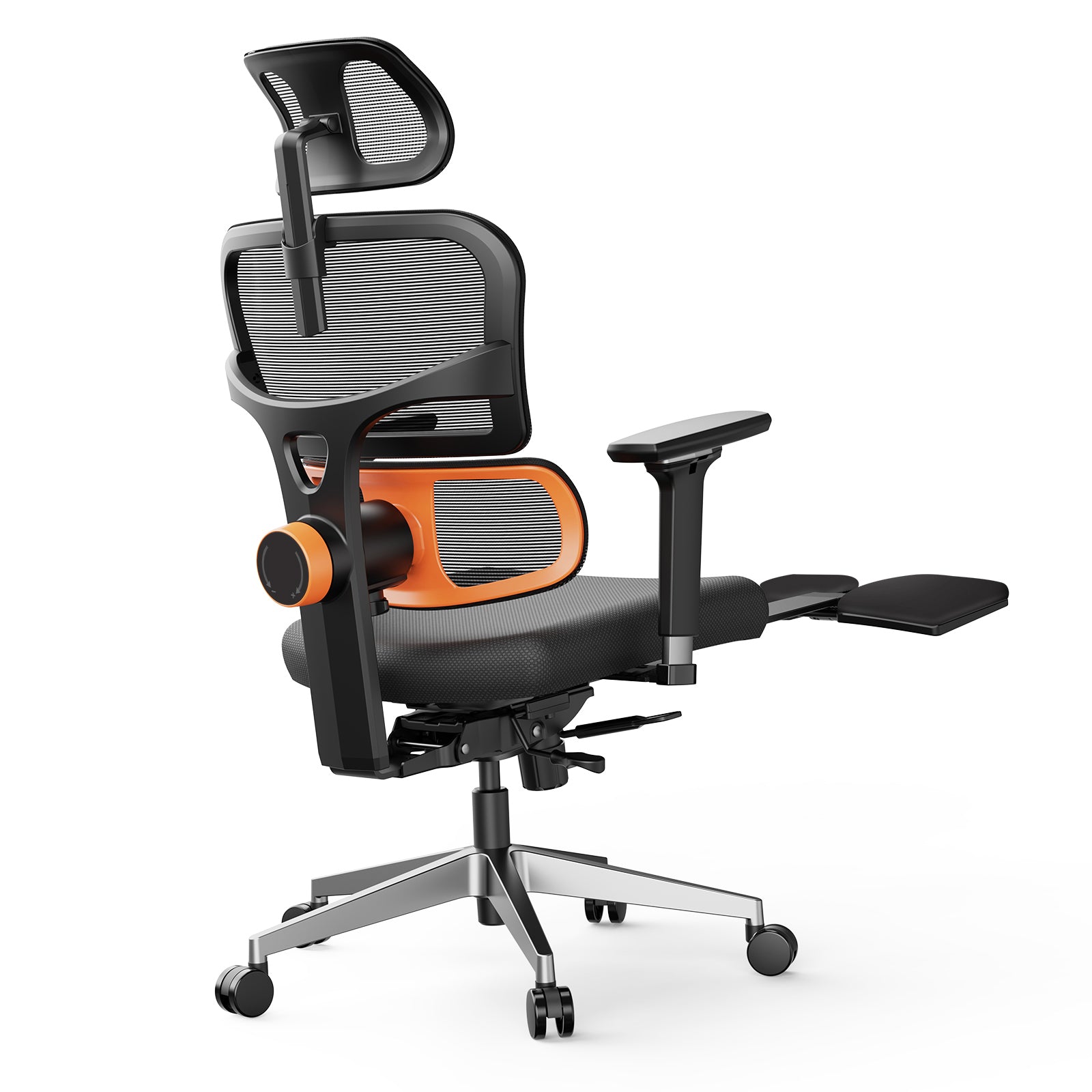
- Adjustable lumbar support. Makes it easy to match the curve of your lower back.
- Seat depth and height adjustment. Keeps knees and hips aligned.
- Recline with tension control. Lets you switch load between back and legs.
- Breathable material. Mesh or ventilated padding reduces heat and sweat.
- Sturdy base and casters. Provide stability and smooth movement.
- Armrest adjustability. Prevents shoulder and neck strain.
I suggest testing these features in person when possible. My rule: if a chair doesn’t let me move lumbar support or change seat depth, I move on. The best office chair for back support is one that adapts to you, not the other way around.
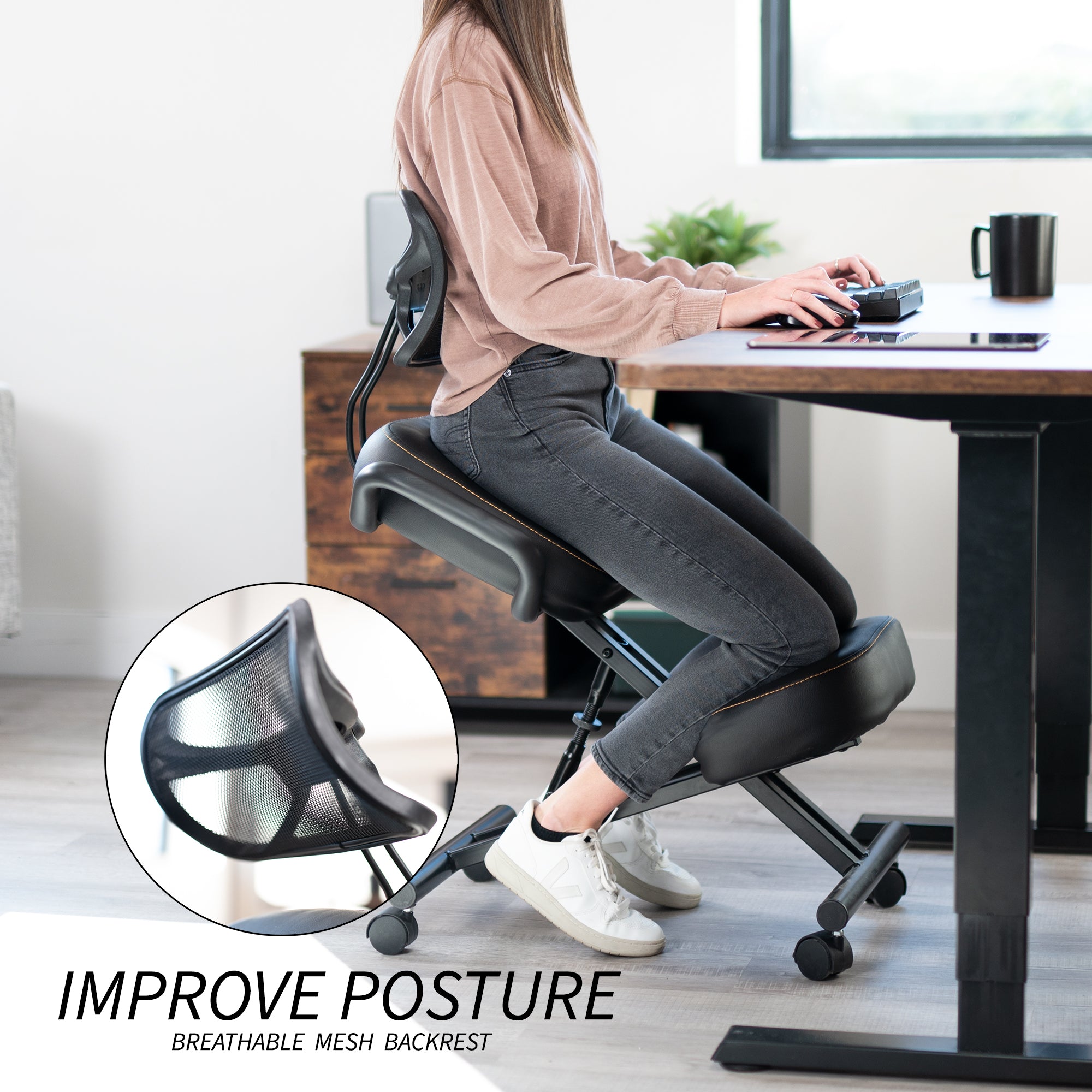
Top picks for the best office chair for back support (tested and explained)
I tested chairs across budgets and body types. Here are reliable picks that stood out for lumbar comfort.
- Herman Miller Aeron
- Exceptional adjustable lumbar and mesh that supports evenly.
- Excellent for long, seated days and varied body types.
- Steelcase Leap
- Dynamic lumbar that moves with you and great seat depth options.
- Known for durability and long-term back comfort.
- Secretlab Omega (or similar high-end gaming/office hybrid)
- Firm lumbar pillow option with good posture support for long sessions.
- Comfortable padding for those who prefer softer seats.
- Autonomous ErgoChair Pro
- Affordable with multi-point adjustments and good lumbar range.
- Great option for home offices on a budget.
- HON Ignition
- Solid lumbar support and a reliable tilt mechanism.
- Budget-friendly and dependable for everyday use.
When I switched from a basic padded chair to a chair with adjustable lumbar, my lower back pain dropped within a week. Test chairs for at least 10–15 minutes in a real working position to feel the difference. The best office chair for back support will feel supportive right away and remain comfortable after an hour.
:max_bytes(150000):strip_icc()/Tempur-Pedic-TEMPUR-Lumbar-Support-Office-Chair-7f05def9b01c48e2bc216ea0cfb1a2b3.jpg)
How to adjust your chair for the best back support
Proper adjustment matters as much as the chair itself. Follow these simple steps.
- Adjust seat height
- Feet flat on the floor, knees at about 90 degrees.
- Set seat depth
- Leave a 2–3 inch gap between seat edge and the back of your knees.
- Position lumbar support
- Place lumbar support in the curve of your lower back.
- Set backrest angle and tension
- Slight recline (100–110 degrees) eases lower back pressure.
- Adjust armrests
- Keep shoulders relaxed and elbows close to 90 degrees.
- Check monitor and desk height
- Screen top at eye level to avoid leaning forward.
I recommend marking your favorite settings. After a few days, minor tweaks will make the chair feel custom. The best office chair for back support only works if you set it up to fit your body.
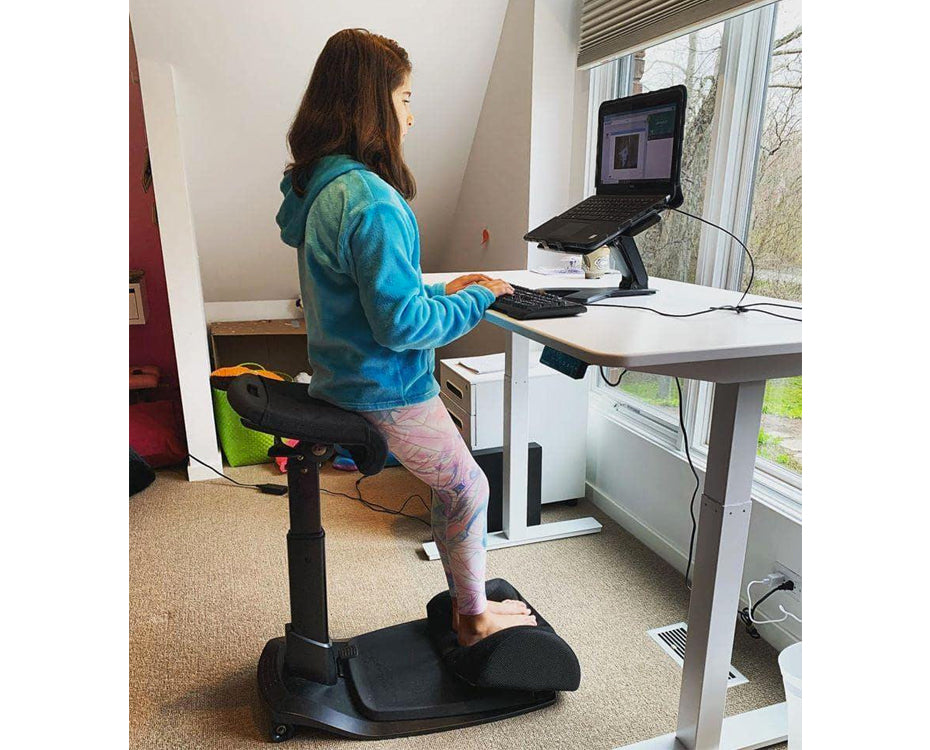
Buying guide: budget, mid-range, and premium options
Choose based on how many hours you sit, your budget, and specific back issues.
- Budget (under $300)
- Look for adjustable lumbar and seat height.
- Expect fewer custom options but basic relief is possible.
- Mid-range ($300–$800)
- Better materials, improved adjustability, and stronger warranties.
- Good balance of comfort and value; often the best choice for home offices.
- Premium ($800+)
- Top-level ergonomics, advanced lumbar systems, and long warranties.
- Best for daily heavy use and people with chronic back issues.
I’ve bought chairs in each category. For daily 8+ hour use, spend at least mid-range. For milder use or occasional work-from-home, a budget model with good lumbar will still make a big difference. The best office chair for back support often sits in the mid-range for most people.

Common mistakes and how to avoid them
Avoid these pitfalls to get the most from your chair.
- Buying by looks only
- A stylish chair can still lack lumbar support.
- Not testing adjustments
- If you don’t test, you may miss poor fit issues.
- Ignoring posture breaks
- Even the best chair can’t replace short standing or stretching breaks.
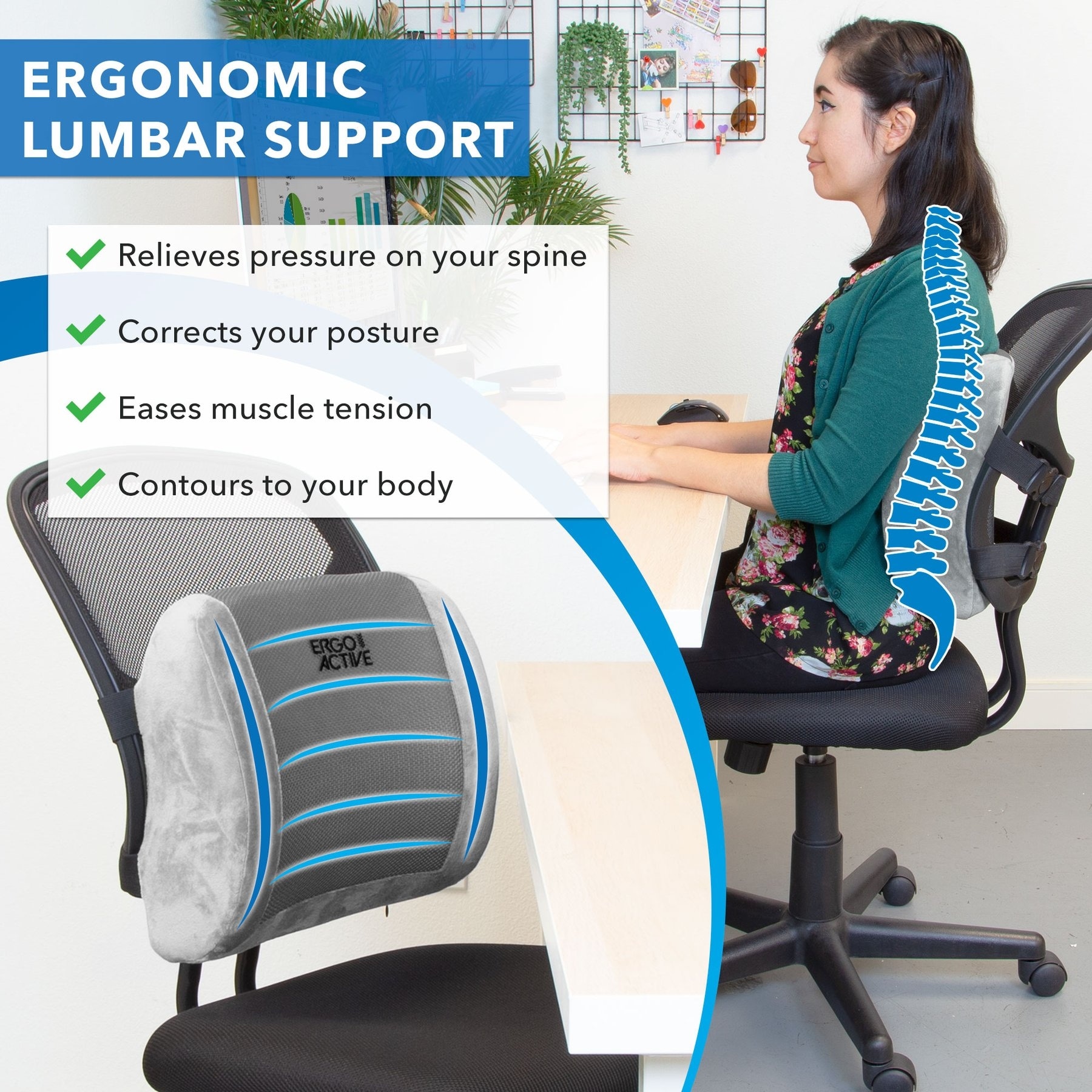
- Over-relying on lumbar pillows
- They help, but a chair with built-in adjustable lumbar is better long-term.
I once kept a cheap chair because it looked great. After months of pain I upgraded and felt immediate relief. Learn from that: prioritize support over style when choosing the best office chair for back support.
Maintenance and care tips to keep support consistent
Small care steps extend comfort and function.
- Clean mesh and fabric regularly
- Wipe spills and vacuum dust to keep breathability.
- Tighten hardware periodically
- Screws and bolts can loosen, affecting support.
- Replace worn cushions or mechanisms
- Don’t wait until comfort is lost.
- Follow the manufacturer’s warranty rules
- Keep receipts and registration for service.
I service my chairs every six months. Tightening a loose base once restored tilt function and support. Regular care helps your chair keep supporting your back for years.
Frequently Asked Questions of best office chair for back support
What makes a chair the best office chair for back support?
The best office chair for back support has adjustable lumbar support, seat depth, and tilt tension. These features let you align the chair to your spine and reduce pressure on discs.
Can a chair fix chronic lower back pain?
A chair alone rarely “fixes” chronic pain, but it can reduce strain and improve posture. Combine a supportive chair with movement, stretching, and professional advice for best results.
Is mesh or padded seat better for back support?
Both can work well. Mesh offers breathability and even support, while padded seats give more cushioning; choose based on comfort and how you sit.
How long should I sit before taking a break?
Stand or move for a few minutes every 30 to 60 minutes. Short breaks reduce muscle fatigue and help the chair support your back more effectively.
Do lumbar pillows work if my chair lacks support?
Lumbar pillows can help as a temporary fix but they may not fit all chairs well. A chair with built-in adjustable lumbar provides more reliable, long-term support.
Conclusion
Choosing the best office chair for back support is about matching adjustable features to your body and habits. Prioritize adjustable lumbar support, proper seat depth, and a reliable recline. Test chairs when possible, maintain your chair, and pair it with regular movement to protect your spine. Take action: try one of the recommended chairs or adjust your current chair today, and notice how small changes improve comfort and focus. Leave a comment with your experience or subscribe for more practical ergonomics tips.