

A compact washer is a smaller, space-saving washing machine designed for tight spaces and light loads.
I’ve worked with dozens of laundry setups and tested compact washers in apartments and tiny homes. This article explains compact washer explained in plain terms, compares types, shows how they work, and gives buying, installation, and maintenance tips. Read on to learn practical pros, limits, and real-life advice so you can decide if a compact washer explained fits your home and routine.

What is a compact washer?
A compact washer explained is a washing machine designed to save space. It is smaller in height, width, or depth than a standard washer. Compact washers typically handle lighter loads and fit in closets, under counters, or inside RVs. They come as front-load or top-load designs and sometimes as all-in-one washer-dryers.
Common size ranges:
- Width: 18 to 24 inches
- Capacity: 1.6 to 2.5 cubic feet
- Ideal for one to two people or occasional laundry
A compact washer explained is not just a mini appliance. It is a deliberate trade-off of capacity for convenience and placement flexibility.
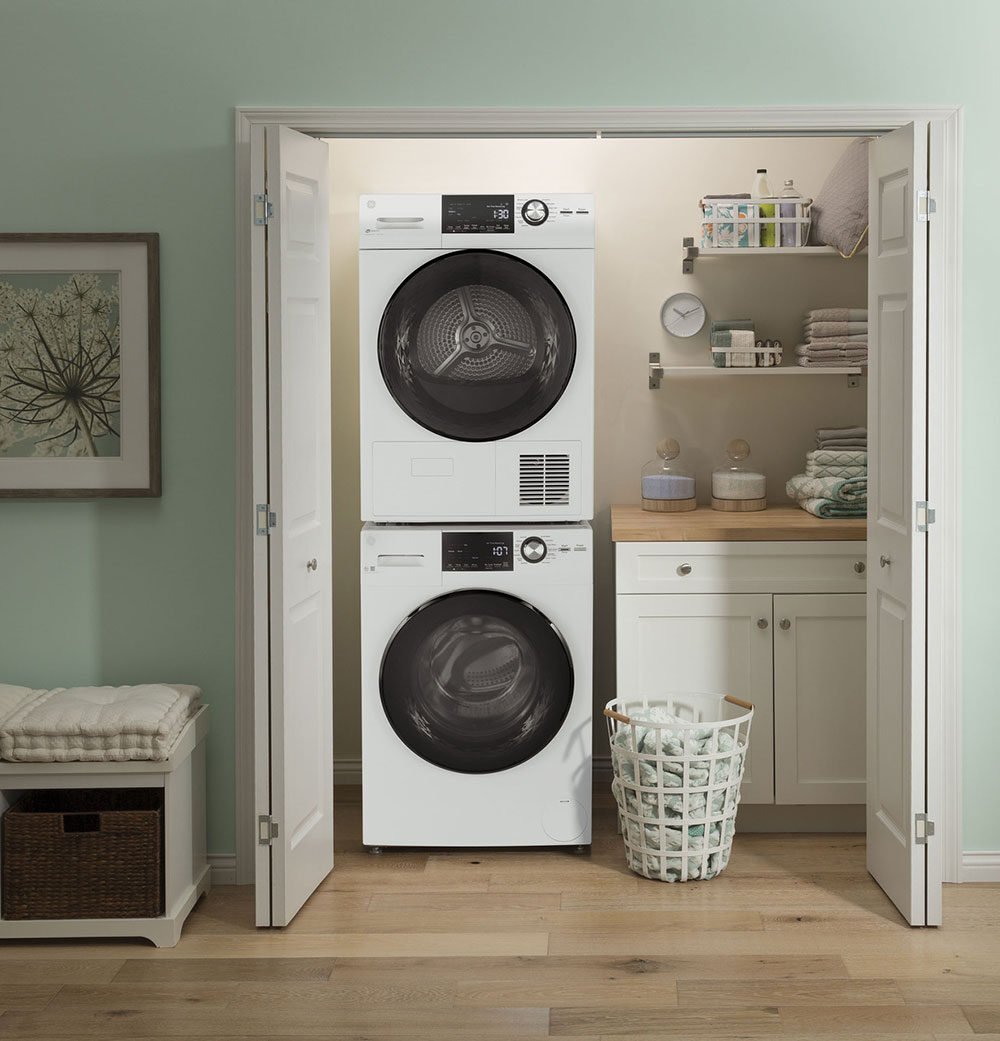
Types of compact washers
There are several main types when a compact washer explained is considered. Choose by space, hookup type, and drying needs.
- Front-load compact washer
- Uses less water and spins faster.
- Often stackable with a compact dryer.
- Top-load compact washer
- Easier to load without bending.
- Quicker cycles but may use more water.
- Portable compact washer
- Rolls on casters and hooks to a sink.
- Great for renters and RV owners.
- All-in-one washer-dryer compact unit
- Washes and dries in one cabinet.
- Saves space but lengthens cycle time.
Each type changes the user experience when a compact washer explained is chosen. Match the type to your lifestyle and space constraints.

How a compact washer works
Understanding how a compact washer explained functions helps avoid surprises. The core parts mirror full-size washers but are scaled down.
- Drum and motor
- The drum holds clothes; a smaller drum means lighter loads.
- Water inlet and pump
- Efficient fill and drain systems designed for lower volumes.
- Control board and cycles
- Short, quick cycles and eco options are common.
- Spin speed and drying
- Higher spin speeds remove more water but can stress delicate items.
- Venting and stack options
- Venting needs differ for all-in-one units versus separate dryers.
Compact washers often rely on faster spins and efficient detergents to match cleaning power with smaller water use. That is one reason many people ask for compact washer explained details before buying.

Benefits of choosing a compact washer
A compact washer explained offers clear advantages for many living situations. Here are practical benefits I’ve seen in real use.
- Saves space
- Fits in tight closets, under counters, and micro-apartments.
- Lower upfront cost
- Many models cost less than full-size machines.
- Energy and water savings
- Smaller loads mean reduced consumption per wash.
- Flexibility
- Portable options let you move the washer easily.
- Faster turnaround for small loads
- Ideal for daily quick washes or delicates.
From my experience installing one in a studio, the compact washer explained allowed me to avoid trips to the laundromat and reduced my weekly laundry time.
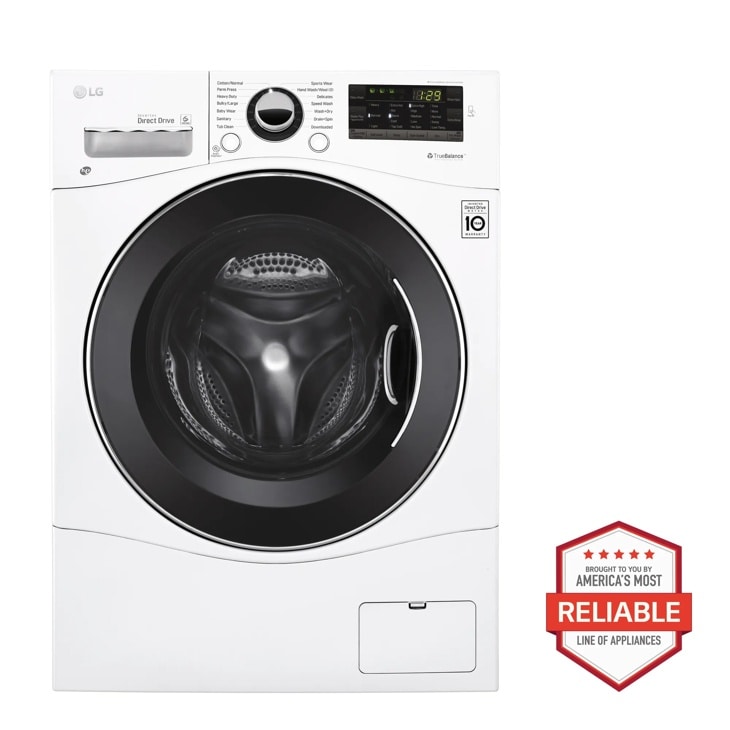
Limitations and trade-offs
No product is perfect. When a compact washer explained is chosen, be ready for trade-offs.
- Reduced capacity
- You will do more frequent loads for large households.
- Longer dry times for combo units
- All-in-one washers take longer to dry clothes.
- Possible higher noise and vibration
- Smaller machines can be louder if not leveled correctly.
- Durability concerns
- Some compact units have shorter lifespans under heavy use.
- Limited cycle variety
- Fewer specialized wash cycles than full-size washers.
Knowing these limits helps you set realistic expectations and avoid buyer’s remorse.

How to choose the right compact washer
Follow a simple checklist to pick the best compact washer explained for your needs.
- Measure your space
- Check width, depth, and height including door swing and hookups.
- Confirm hookups and power
- Note water valves, drain location, and electrical outlet type.
- Check capacity and spin speed
- Choose capacity that fits your laundry habits.
- Look at cycle options
- Ensure essential cycles like delicates and quick wash are present.
- Compare noise levels and vibration control
- Read specs and reviews for dB ratings.
- Consider energy and water efficiency
- Energy Star ratings save money long term.
- Evaluate warranty and service
- Longer warranties add peace of mind.
When I helped a friend pick a unit, measuring the closet and checking vent clearance prevented an ill-fitting purchase. Use the checklist to avoid a similar mistake.

Installation and maintenance tips
Proper setup and care will extend the life of a compact washer explained and improve performance.
- Prepare the space
- Ensure firm flooring and accessible hookups.
- Level the machine
- Use the adjustable feet to stop vibration and noise.
- Use the right detergent
- High-efficiency (HE) detergent prevents excess suds.
- Clean filters and seals regularly
- Remove lint and residue from door seals and pumps.
- Run a monthly cleaning cycle
- Use a washer cleaner or hot wash to prevent odors.
- Avoid overloading
- Small drums perform best when not packed tight.
Tip from experience: leaving the door slightly ajar after cycles reduces mildew and smells in compact units.

Compact washer versus alternatives
Compare options to decide if a compact washer explained is best.
- Full-size washer
- Best for large families but needs more space.
- Laundromat
- Good for occasional large loads but costs time and travel.
- Mini or single-item washers
- Cheap and portable but limited cleaning power.
- Compact washer-dryer combo
- Space-efficient but slower and sometimes less effective at drying.
I opted for a compact washer explained instead of laundromat visits. For one person, it offered the best balance of convenience and cost.
Energy, water, and cost considerations
Thinking long term helps when a compact washer explained is on the shortlist.
- Energy use
- Many compact washers use 20–50% less energy per cycle than full-size machines.
- Water use
- Less water per load, but more loads can offset savings.
- Operating cost example
- If a compact washer uses 0.5 kWh per wash and you run 5 loads/week, expect about 130 kWh/year.
- Replacement and repair
- Factor in shorter lifespans or higher repair frequency for some models.
Look at energy labels and calculate typical weekly loads to estimate yearly cost differences before buying.
My real-world experience with compact washer explained
I installed a compact washer explained in a small rental I managed. The unit fit under the counter and handled daily small loads. Early on, I overloaded it to save time. That caused wear and a service call. Lesson learned: respect the capacity and clean filters monthly. After adjustments, the machine ran quietly and saved time and money.
Practical tips I learned:
- Measure carefully before you buy.
- Keep a cleaning schedule.
- Use HE detergent and small laundry bags for delicates.
Frequently Asked Questions of compact washer explained
What size space do I need for a compact washer explained?
Most compact washers fit in 18 to 24 inch widths and need about 24 to 30 inches depth. Always measure door clearance and hookups before buying.
Can a compact washer explained dry clothes?
Some compact models are all-in-one washer-dryer combos and can dry clothes, but drying times are longer and capacity is smaller. For faster drying, pair a compact washer with a small vented or condenser dryer if possible.
How many loads can a compact washer explained handle per week?
A compact washer can handle several small loads per week for a single person or couple. For a family, expect to run more cycles, which may offset water and energy savings.
Are compact washers energy efficient?
Many compact washers are energy efficient and use less water per cycle, but true savings depend on how often you run them and load size. Look for Energy Star rated models for better efficiency.
Is installation hard for a compact washer explained?
Installation is usually straightforward but depends on hookups. Portable models need only a sink faucet and drain, while built-in units require plumbing and proper electrical connections. Hire a pro if you’re unsure.
Conclusion
A compact washer explained offers space savings, lower upfront cost, and convenience for singles, couples, and small spaces. You gain the convenience of home laundry but trade off capacity and sometimes cycle variety. Measure carefully, choose the right type, and follow maintenance tips to get the most from your unit. If you want less laundromat time and a tidy setup, explore compact washer options, compare specs, and pick a model that fits your daily life. Share your experience, subscribe for more appliance guides, or leave a comment with questions about your space and needs.