

Compact washers are small, efficient machines that save space and handle light loads well.
I have spent years testing laundry gear and helping people choose the right washer for small homes. This article explains compact washer explained in plain terms. You will learn how compact washers work, who they suit, what to watch for, and real tips from my experience. Read on to make a smart choice with confidence.

Overview: What a compact washer is and why it matters
A compact washer is a full washer packed into a smaller shell. Most fit under counters or in tight closets. They have lower drum capacity and use less water. People pick them for apartments, tiny homes, condos, and RVs.
Compact washer explained means understanding size, capacity, and fit. They are not just small washers. They balance space, power, and convenience. Expect modest load sizes and clever design trade-offs.
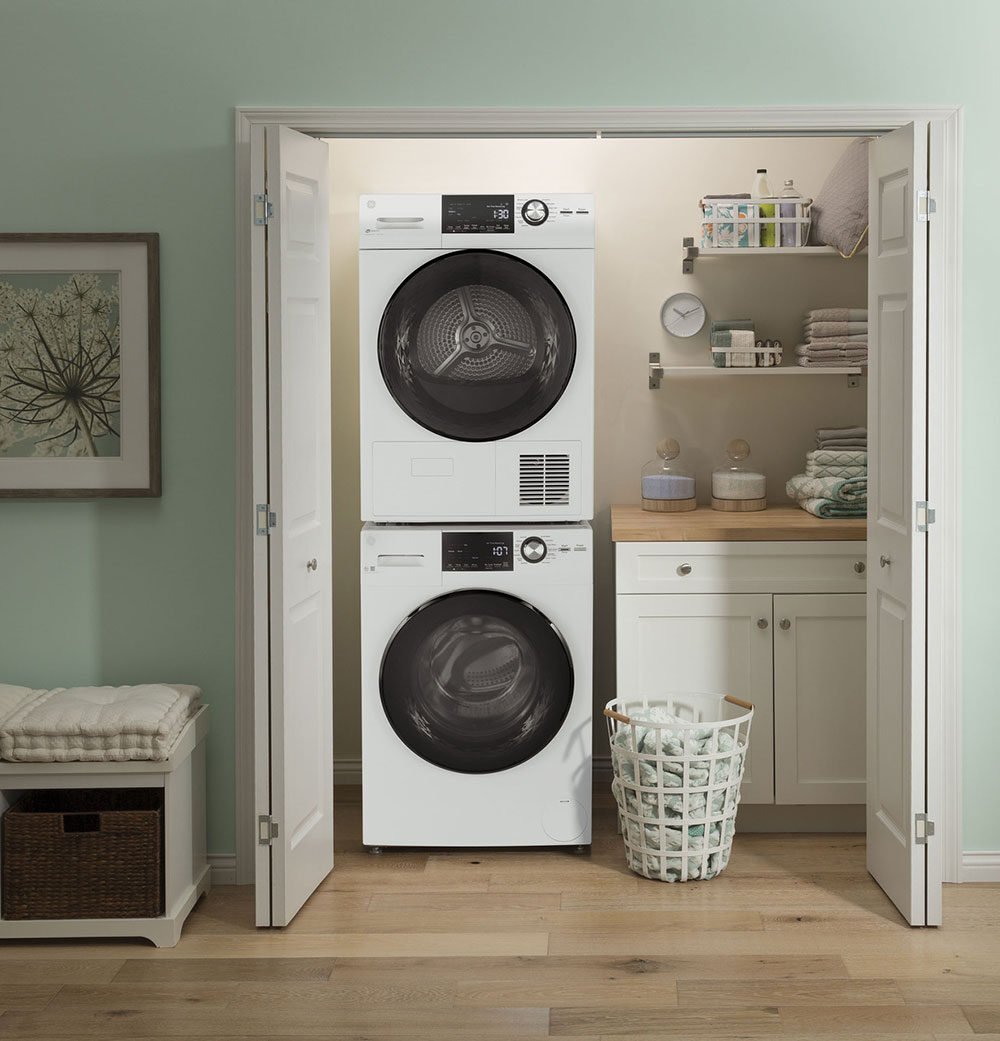
How compact washers work
Compact washers use the same basic parts as full-size machines. They have a drum, motor, controls, and pumps. The motor spins the drum and drains water. Many models use efficient wash cycles to clean small loads well.
Top-load compact washers use a vertical drum. Front-load compact washers use a horizontal drum and spin faster. Faster spin means drier clothes at the end. Compact washer explained includes these simple mechanical differences.

Types and common features
Compact washers come in a few clear types. Know which one fits your space and habits.
- Top-load compact washers
- Use an upright drum and often fit in narrow vertical spaces.
- Front-load compact washers
- Fit under counters and stack with a dryer.
- Portable compact washers
- Move on wheels and hook to a sink when needed.
- Combo washer-dryers
- Wash and dry in one unit, saving space but usually with smaller dry capacity.
Common features to look for
- Quick wash cycles for small, frequent loads.
- Energy-star or efficient water use.
- Stackable design for paired dryers.
- Delay start, child lock, and simple controls.

Source: angi.com
Benefits of a compact washer
Compact washers bring clear gains for the right user.
- Save space
- They fit where a full washer cannot.
- Lower utility use
- Smaller loads mean less water and less energy per wash.
- Good for singles or small families
- Clean daily items fast without a big machine.
- Flexible placement
- Some models are portable or stackable.
Compact washer explained shows that these units can be a big win for small living. They reduce clutter and speed up laundry tasks.
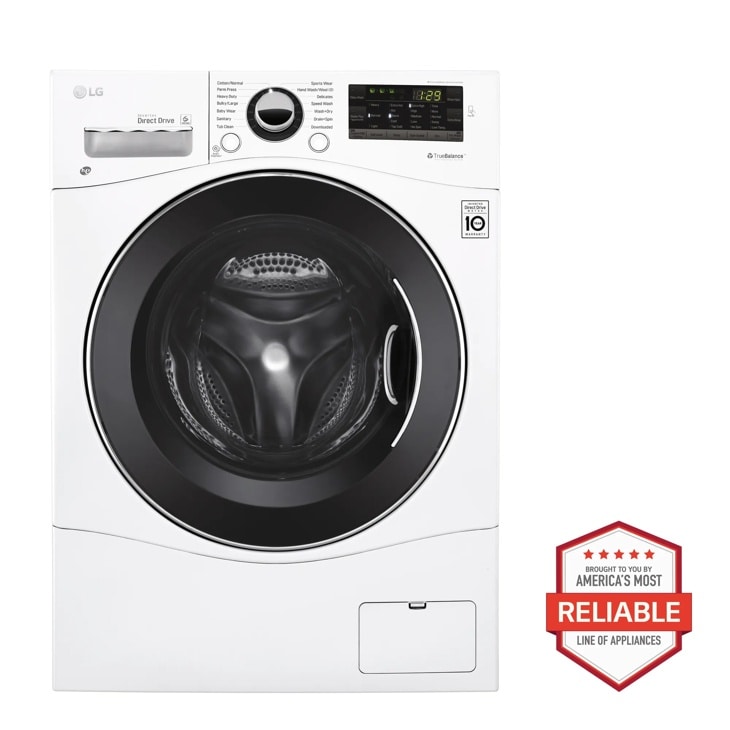
Limitations and trade-offs
Small size comes with trade-offs you should know.
- Lower capacity
- You may need more frequent loads.
- Slower large-item handling
- Blankets and big towels can be awkward.
- Possible longer cycles
- Some compact wash cycles take longer to match cleaning power.
- Repair and parts
- Compact parts can cost more or be harder to find.
When reading compact washer explained, remember the limits. If you wash large loads often, a compact unit may frustrate you.

Buying guide: How to choose the right compact washer
Follow a clear checklist to pick the right unit.
- Measure your space
- Check height, width, and depth. Leave room for hoses and vents.
- Decide capacity
- For one person, 2.3 to 3.5 cubic feet often works. For two people, aim higher.
- Choose front-load or top-load
- Front-load stacks well. Top-load is easy to load.
- Check energy and water ratings
- Look for efficient models to save money over time.
- Consider noise level
- Read specs for decibels if it will sit near living areas.
- Think about features
- Quick wash, steam, sanitize, and app controls can help.
- Read warranty and service options
- Good support beats a cheaper model with poor service.
Compact washer explained is partly about fit and partly about lifestyle. Match model features to your daily life.

Installation and maintenance tips
Good setup and care extend the life of any washer.
- Installation basics
- Ensure proper electrical and water hookups. Level the unit to prevent noise.
- Venting and drainage
- Follow the manufacturer rules. For combo units, allow air flow.
- Routine care
- Run cleaning cycles monthly. Wipe seals and leave the door slightly open after use.
- Small repairs
- Replace hoses every five years. Clean filters to prevent clogs.
From my experience, a simple monthly wipe-down prevents most problems. Treat a compact washer gently and it will last.

Personal experience and real-life tips
I lived in a small apartment and used a compact washer for three years. It handled daily shirts, towels, and light bedding well. I learned a few key lessons.
- Do not overload
- It reduces cleaning and strains the motor.
- Use short cycles for lightly soiled clothes
- It saves time and energy.
- Balance loads
- Even small machines need even loads to avoid shaking.
- Keep parts accessible
- I positioned mine so I could reach hoses for fast fixes.
These tips come from hands-on use and repair calls I made while helping friends. Compact washer explained in practice is simple care and smart load choices.
Frequently Asked Questions of compact washer explained
What size space do I need for a compact washer?
Most compact washers need 24 to 27 inches in width and 33 to 36 inches in height, plus clearance for doors and hoses. Always measure your exact model and the installation spot.
Can a compact washer handle large items like comforters?
Some compact washers can handle small comforters, but many struggle with full-size blankets. Check drum capacity and the manufacturer’s guide before washing bulky items.
Are compact washers energy efficient?
Many compact washers are energy and water efficient, especially front-load models. Look for energy ratings and water use specs to compare models.
How often should I clean a compact washer?
Run a cleaning cycle or use a washer cleaner once a month. Wipe seals and leave the door open after cycles to prevent mold and odors.
Can a compact washer be stacked with a dryer?
Yes, many front-load compact washers are stackable with matching compact dryers. Use the manufacturer stack kit for safe installation.
Are combo washer-dryers a good choice?
Combo units save space and are convenient but usually have smaller dry capacity and longer dry times. They work well for light loads and small homes.
Do compact washers need special hoses or plugs?
Most use standard water hoses and a grounded plug. Some RV or portable models use a sink hookup. Check specs to be sure.
Conclusion
Compact washers are a smart choice for tight spaces and light laundry needs. They save room, cut water use, and fit busy small lives. Choose the right type, measure well, and care for the unit to get the best value.
Try one if your space is tight or your loads are small. Test a model’s cycles and capacity before you buy. Share your questions below or subscribe for more gear guides and hands-on tips.