

Pick the right size, material, and placement first — then match color and texture to your living room.
Choosing how to choose an area rug for living room is one of the easiest ways to tie a room together, improve comfort, and protect your floors. I’ve spent years advising homeowners and testing rugs in real living rooms, and I’ll walk you through clear rules, design tips, and pitfalls to avoid. Read on to learn practical steps for measuring, choosing materials, picking patterns, and keeping a rug looking great so your living room feels finished and effortless.
Why the right rug matters
A well-chosen rug anchors seating, defines zones, and adds warmth. When you know how to choose an area rug for living room, you avoid common mistakes like a rug that’s too small or a pattern that fights your sofa. Good choices make cleaning easier and protect floors from wear.
Rugs change the feel of a room instantly. The right size and placement make the space feel larger and more cohesive. Think of a rug as the glue that brings furniture and color together.

Measure first: size and placement rules
Measure the room and furniture before you buy. A common error is choosing a rug based on what looks good online rather than the actual dimensions in your living room. Knowing how to choose an area rug for living room starts with clear measurements.
Practical sizing rules:
- 8-foot rule: For many living rooms, an 8×10 rug works well under a standard sofa and coffee table.
- All-legs-on: Place all furniture legs on the rug when you want a formal, anchored look in larger rooms.
- Front-legs-on: Put front legs of sofas and chairs on the rug for a balanced, cozy feel in medium rooms.
- Floating rug: Use a smaller rug that sits entirely under the coffee table when space is tight, but ensure at least 18 inches of bare floor around the rug.
How to measure:
- Measure sofa width and coffee table footprint, then add extra on all sides so the rug extends beyond furniture.
- Use masking tape to mark rug edges on the floor. This visual test prevents buying a rug that’s too small.
When you follow these steps for how to choose an area rug for living room, your space will feel proportionate and intentional.

Layout and placement tips
Placement affects traffic flow and comfort more than you think. Knowing how to choose an area rug for living room includes deciding how the rug interacts with doorways and walkways.
Clear placement tips:
- Keep at least 18 inches of bare floor between the rug edge and walls for balance in small rooms.
- Avoid blocking door swings or making narrow walkways by trimming rug size if needed.
- In open-plan spaces, use rugs to define zones — place a rug under a seating area separate from dining or entry.
Test placements with furniture moved slightly to see how the room reads. Small shifts can change whether a rug feels too crowded or perfectly scaled.
Materials and construction: what to pick
Material determines look, feel, and durability. To learn how to choose an area rug for living room, pick a material that fits your lifestyle and budget.
- Wool: Soft, durable, naturally stain-resistant, and ideal for high-traffic living rooms.
- Synthetic fibers (polypropylene, nylon): Budget-friendly, stain-resistant, and easy to clean; great for families and pets.
- Natural fibers (jute, sisal): Earthy texture and casual look, but less soft and harder to clean.
- Silk and blends: Luxurious sheen for low-traffic, formal rooms; expensive and delicate.
Construction types:
- Hand-knotted: Highest quality and longevity, often costly.
- Hand-tufted: Good balance of quality and price; comfortable and attractive.
- Machine-made: Affordable and consistent; excellent for high-traffic or rental spaces.
Choosing how to choose an area rug for living room means matching material to use. If you have kids or pets, favor durable synthetics or wool. If you want luxury and the room is low-traffic, consider blends with silk.
Color, pattern, and style choices
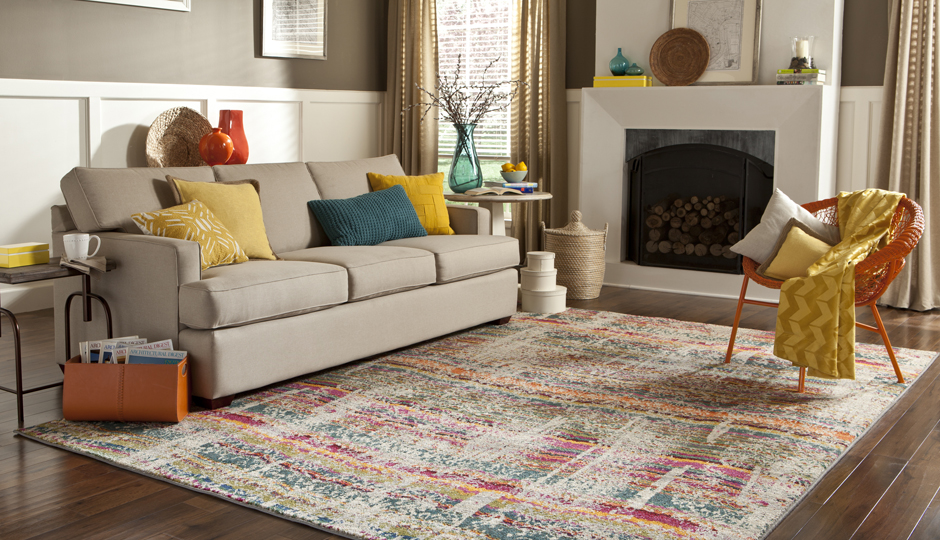
Color and pattern set mood and hide wear. When thinking about how to choose an area rug for living room, start with your room’s existing palette and texture.
Design recommendations:
- Neutral rugs: Provide a calm backdrop and work with changing decor.
- Bold colors: Add personality and become a focal point in neutral rooms.
- Patterns: Use large-scale patterns to make small rooms feel bigger; use small, dense patterns to hide stains and traffic.
- Layering: Place a smaller textured rug over a larger neutral rug to add depth and protect floors.
Consider the scale of patterns relative to furniture. Large furniture pairs well with larger patterns; delicate sofas suit subtle motifs. Choose a rug that complements your sofa and curtains for a cohesive look.
Pile, texture, and comfort
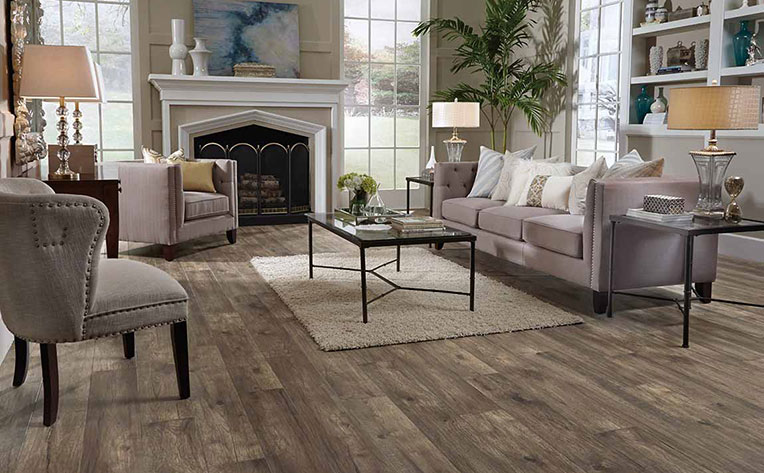
Pile height affects comfort and cleaning. How to choose an area rug for living room means deciding whether softness or ease of maintenance matters more.
Pile options:
- Low pile: Easier to clean, better for high-traffic zones, and stable for dining chairs.
- Medium pile: Balanced comfort and cleanability for most living rooms.
- High pile (shag): Soft and cozy, but traps dirt and may mat in heavy use.
Texture choices:
- Flatweave: Thin, casual, reversible, and easy to vacuum.
- Cut-pile: Plush look and feel, available in many materials.
- Loop pile: Durable and tends to hide footprints and stains.
Think about barefoot comfort versus vacuum ease. If your living room is a family hub, choose something that cleans easily but still feels good underfoot.

Maintenance, stain resistance, and care
Maintenance is a major factor in choosing a rug that lasts. Understanding how to choose an area rug for living room includes planning for spills, vacuuming, and long-term wear.
Care checklist:
- Vacuum weekly for medium to high traffic; shake or beat flatweaves outdoors occasionally.
- Spot-clean spills immediately with a clean blotting cloth and mild detergent.
- Rotate the rug every 6–12 months to even out wear and sun fading.
- Use a pad under the rug to prevent slipping and protect floors.
Ask retailers about stain treatments and warranties. Professional cleaning every 1–2 years keeps fibers fresh and removes deep dirt.

Budget, shopping tips, and smart buys
A smart budget stretches further when you know how to choose an area rug for living room. Decide what matters most and spend where it counts.
Buying tips:
- Prioritize size and material before splurging on brand names.
- Shop off-season for better deals or check sample sales.
- Consider custom sizes or trimmed rugs if a standard size won’t fit.
- Always use a quality rug pad—worth the small extra cost.
If you want a long-lasting rug, invest in higher-quality wool or hand-tufted options for the main living area and use budget-friendly synthetics in play areas.

Personal experience: lessons from real rooms
I once helped a family pick a rug for a narrow living room. They chose a small rug that floated under the coffee table and the room felt chopped. After re-measuring and buying a larger rug that fit under the sofa front legs, the space felt open and intentional. Lesson learned: measure and test placements first.
Another time I recommended a low-pile wool rug to a pet owner. It hid pet hair better than a shag and kept the room cozy. My practical tip: always tape out rug dimensions on the floor to avoid buyer’s remorse.
These hands-on experiences shaped how to choose an area rug for living room: measure, match material to lifestyle, and visually test before buying.
Frequently Asked Questions of how to choose an area rug for living room
How big should my living room rug be?
Aim for a rug that lets at least the front legs of sofas and chairs rest on it, or place all furniture legs on the rug in larger rooms. Measure furniture and allow space for the rug to extend beyond the seating area.
What rug material is best for pets and kids?
Wool or synthetic fibers like polypropylene are durable and stain-resistant, making them great choices for families with kids and pets. Avoid delicate fibers like silk in high-traffic areas.
Can I layer rugs in a living room?
Yes. Layering a smaller colored or textured rug over a larger neutral rug adds depth and protects floors. Ensure sizes and colors coordinate to avoid visual clutter.
Do I need a rug pad?
Yes. A rug pad prevents slipping, protects floors, and adds cushioning to extend rug life. Choose the right thickness for your rug’s pile and your floor type.
How do I clean stains on a living room rug?
Blot spills immediately with a clean cloth, use mild soap and water for most stains, and follow the rug maker’s instructions. For tough stains or valuable rugs, consult a professional cleaner.
How often should I replace my living room rug?
With normal use, a good rug can last many years; replace it when the pile is worn, colors are faded, or repairs cost more than replacement. Rotating and proper care extend lifespan.
Conclusion
Choosing how to choose an area rug for living room comes down to measuring first, matching material to lifestyle, and picking colors and textures that complement your space. Test placements with tape, prioritize size and durability, and invest in a rug pad to protect your floors. Now that you have clear steps and real-world tips, pick a rug that makes your living room feel complete.
Try measuring your room today, mark the rug area with tape, and start narrowing materials and styles. If this guide helped, leave a comment with your room size or rug questions, or subscribe for more practical home design tips.