

Service your air conditioner by cleaning filters, inspecting coils, checking refrigerant, and testing controls yearly.
I write HVAC guides from years of hands-on work and field service. If you want to know how do you service an air conditioner, this guide walks you through every step. You'll get clear steps, safety tips, costs, and real-world tips I learned fixing units in homes and small businesses. Read on to learn how to keep your system efficient and avoid costly repairs.

Why regular service matters
Regular service keeps your system cooling well and saves money. A well-serviced unit uses less energy and lasts longer. Small problems found early are cheaper to fix than big breakdowns. If you ask how do you service an air conditioner, think of service as preventive care for your home.
Safety first: tools and precautions
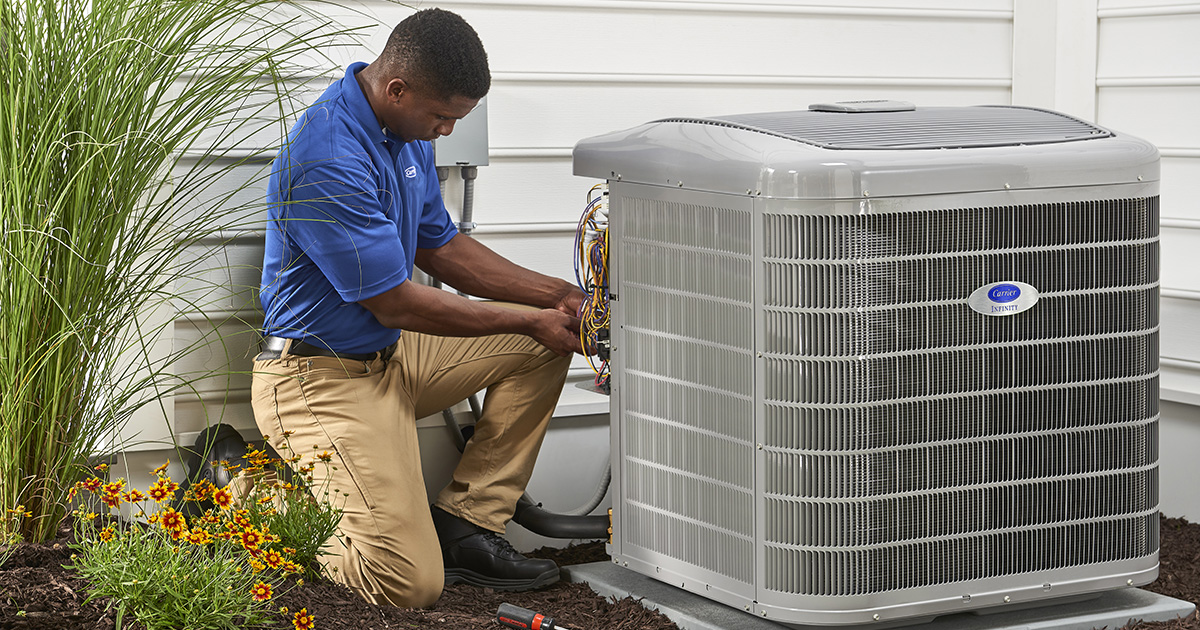
Safety comes before anything else when you service an air conditioner. Turn off power at the breaker before you touch the unit. Wear gloves, eye protection, and a dust mask when you open panels or clean coils. If working with refrigerant or electrical parts, get a licensed pro.

Step-by-step: how do you service an air conditioner
Here is a clear, repeatable checklist that answers how do you service an air conditioner. Follow each step in order and stop if you see complex electrical or refrigerant issues.
-
Turn off power and prepare
- Turn off the thermostat and the main breaker for the AC.
- Use a multimeter to confirm no power at the unit.
- Keep a notebook to track what you inspect.
-
Clean or replace the air filter
- Remove the filter from the return grille or indoor unit.
- If it's reusable, wash gently with warm water and let dry. If disposable, replace it.
- A clean filter improves airflow and efficiency.
-
Inspect the outdoor unit
- Clear leaves, grass, and debris from around the condenser.
- Trim vegetation so there is at least 2 feet of clearance.
- Clean the fins with a soft brush to avoid bending them.
-
Clean the evaporator and condenser coils
- Open the access panels and inspect coils for dirt and grime.
- Spray coil cleaner designed for HVAC coils, rinse gently if required.
- Dirty coils reduce cooling and make compressors work harder.
-
Check condensate drain and pan
- Locate the condensate pan and drain line.
- Clear clogs with a wet/dry vacuum or a stiff wire rod.
- Pour a cup of white vinegar down the drain to slow algae growth.
-
Inspect fan motors and blades
- Check blower wheel and fan blades for dirt and damage.
- Tighten loose screws and spin blades to check for wobble.
- Lubricate motors only if the manufacturer allows it.
-
Test thermostat and controls
- Set the thermostat to cooling and listen for correct stage activation.
- Verify temperature drop across the evaporator is about 15–20°F.
- Check that the system cycles on and off properly.
-
Check refrigerant levels and pressures
- Use gauges if you are certified and trained to handle refrigerant.
- Low refrigerant can indicate a leak that needs a licensed repair.
- Do not add refrigerant without proper knowledge and certification.
-
Inspect electrical connections
- Tighten loose connections and look for burned wires or terminals.
- Replace any damaged capacitors or contactors.
- If you see scorched parts or smell burning, stop and call a pro.
-
Final performance check
- Measure airflow, temperature split, and listen for unusual sounds.
- Note anything abnormal and plan repairs or parts replacement.
- Record readings for future visits so you can spot trends.
From my experience, a methodical checklist makes service fast and reliable. Knowing how do you service an air conditioner turns a scary chore into routine care. Small, regular steps prevent surprise failures.

Common issues found during service and quick fixes
Many common problems show up during routine service. Knowing them makes diagnosing faster.
- Clogged filters
- Fix: Clean or replace them. This alone often restores normal airflow.
- Dirty coils
- Fix: Clean coils with approved coil cleaner. Watch for bent fins.
- Clogged condensate drain
- Fix: Clear the line and add vinegar to slow regrowth.
- Faulty capacitors or contactors
- Fix: Replace worn parts; these are common failures that stop compressors.
- Refrigerant leaks
- Fix: Locate leak and call a licensed tech to repair and recharge.
When you ask how do you service an air conditioner, expect to find these issues frequently. Address the root cause, not just symptoms, to avoid repeat visits.
Maintenance schedule and checklist
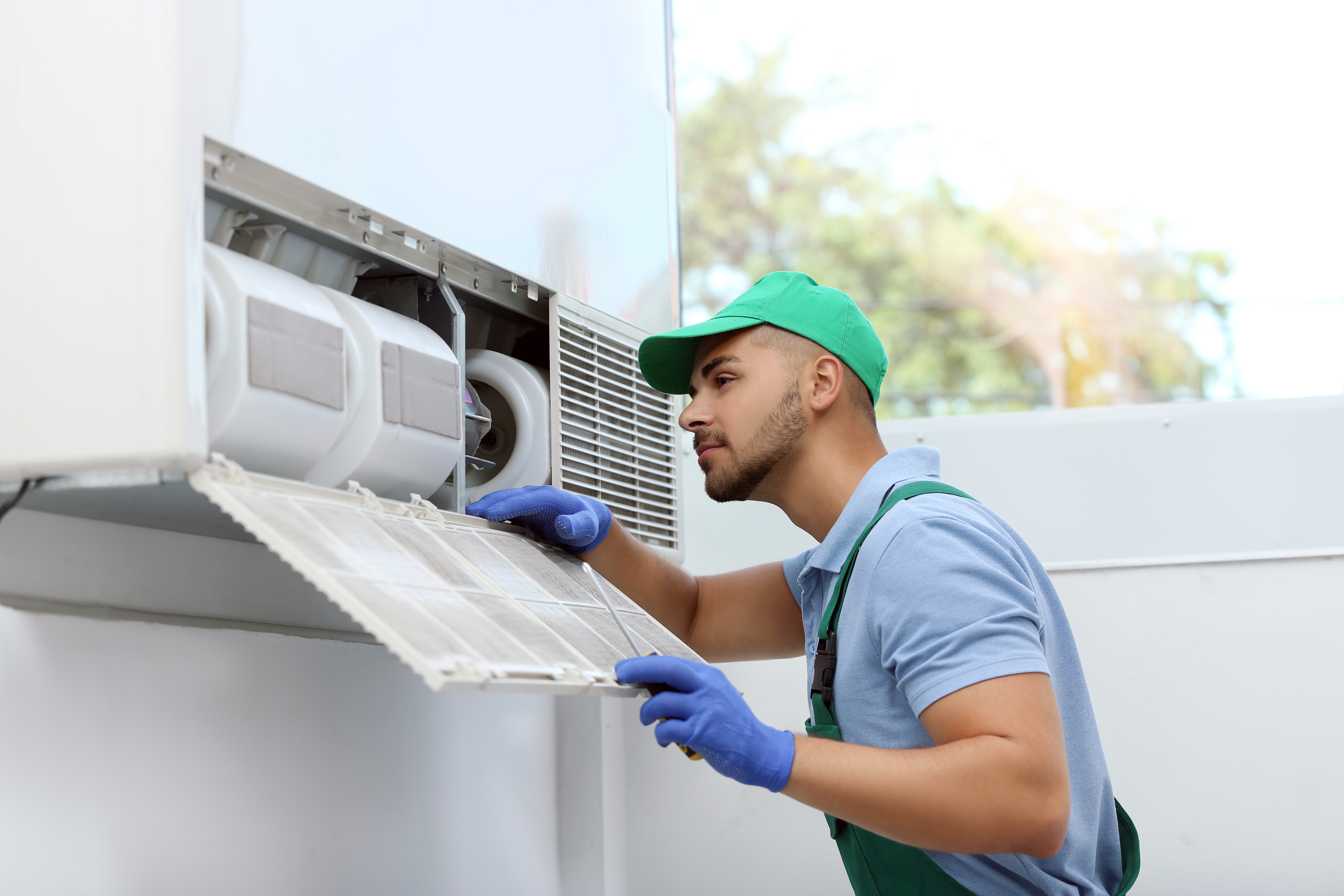
A clear schedule keeps service simple. Follow this timeline to stay on top of care and extend equipment life.
- Monthly
- Check and clean or replace filters.
- Look for obvious debris around outdoor unit.
- Every 3 months
- Inspect thermostat batteries and settings.
- Check drainage to prevent backups.
- Twice a year
- Clean coils and fins.
- Inspect electrical components and tighten connections.
- Annually
- Have a full tune-up, including refrigerant check if trained.
- Inspect ductwork and insulation for leaks.
When you perform these tasks, you answer how do you service an air conditioner in a practical way. I keep a calendar reminder and a sticker on units with the last service date. It helps avoid missed checks.
Tools and parts cost guide
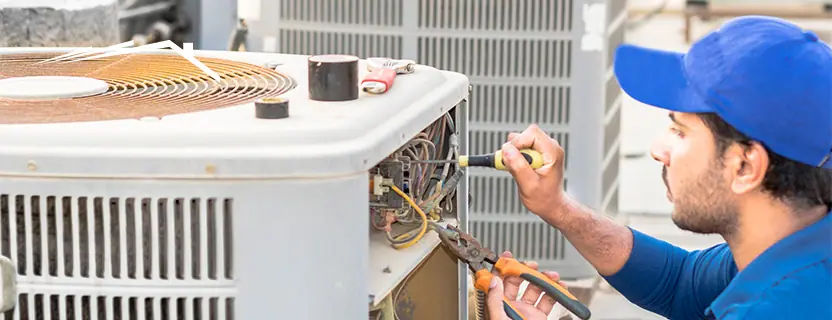
Basic tools make home service possible. Expect these common items and rough price ranges.
- Essential tools
- Multimeter: $20–$60
- Coil cleaner and fin comb: $10–$30
- Wet/dry vacuum: $50–$150
- Screwdriver set and nut drivers: $15–$40
- Parts you may replace
- Filters: $5–$50 each
- Capacitors: $10–$70
- Contactors: $15–$80
- Thermostat (basic): $20–$150
If you're wondering how do you service an air conditioner without buying everything, start with a good filter, multimeter, and coil cleaner. For refrigerant work, budget to hire a certified pro.
When to call a professional
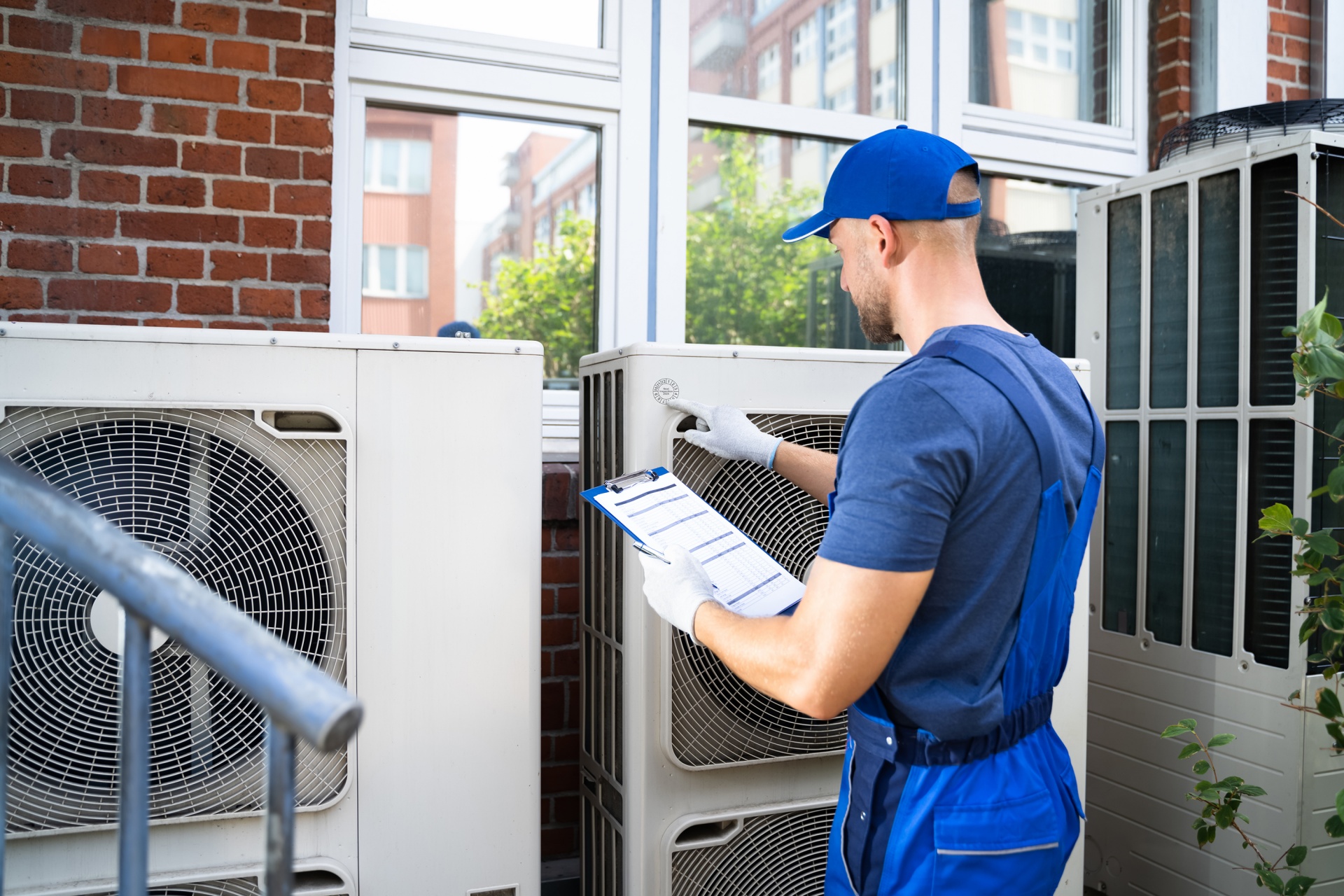
Call a pro when you face electrical faults, refrigerant leaks, or compressor failure. If you smell burning, see oil, or hear loud clunks, stop and get help. Licensed technicians have tools and certification to handle refrigerant and major electrical repairs safely. Knowing how do you service an air conditioner also means knowing when to hand it off.

Frequently Asked Questions of how do you service an air conditioner
How often should I service my air conditioner?
Service the unit at least once a year. Twice a year is better for hot climates or heavy use.
Can I clean the coils myself?
Yes, you can clean coils with the right cleaner and gentle rinse. Stop and call a pro if coils are badly corroded or bent.
Is refrigerant something I can add myself?
No. Handling refrigerant requires certification and special tools. Hire a licensed technician for refrigerant work.
What is a normal temperature drop for an AC?
A typical temperature drop across the evaporator is 15–20°F. If it's much lower, your unit may need service.
How much does a basic tune-up cost?
A basic tune-up usually runs between $70 and $200, depending on region and services. Costs rise if parts or refrigerant are needed.
Conclusion
Servicing your system keeps it efficient, lowers bills, and prevents breakdowns. Follow the steps here to learn how do you service an air conditioner safely and effectively. Start with simple tasks like filters and cleaning, then move to inspections and tests. If you run into complex electrical or refrigerant issues, call a licensed pro. Try one task this week, log what you did, and make a habit of seasonal checks. Share your experience below or subscribe for more clear, practical HVAC tips.