

Most outdoor wall lights need about 400–1,200 lumens, based on purpose and placement.
I’ve helped homeowners and contractors pick outdoor lights for years, and I’ll walk you through how many lumens for outdoor wall light you should choose. This guide explains the factors, gives clear lumen ranges for porches, walkways, and security, and shows simple ways to calculate the right brightness for your space.

Factors that determine how many lumens for outdoor wall light
Several factors change the lumen needs of an outdoor wall light. Keep these in mind when you pick fixtures.
- Use of the space. A porch where guests arrive needs more light than a decorative side wall.
- Mounting height and angle. Lights mounted higher need more lumens to reach the ground.
- Fixture design and beam spread. Narrow beams focus brightness; wide beams spread it out.
- Surrounding reflectivity. Light-colored walls reflect more light and can reduce lumen needs.
- Local safety and code requirements. Some areas require a minimum for steps and paths.
Think of lumens as the total light a lamp emits. The right lumen count depends on what you want the light to do. If you want clear guidance on how many lumens for outdoor wall light, consider these factors first.

Recommended lumen ranges for common outdoor wall light uses
Here are practical lumen ranges to guide your choice. Use them as starting points, then adjust for your specific layout and taste.
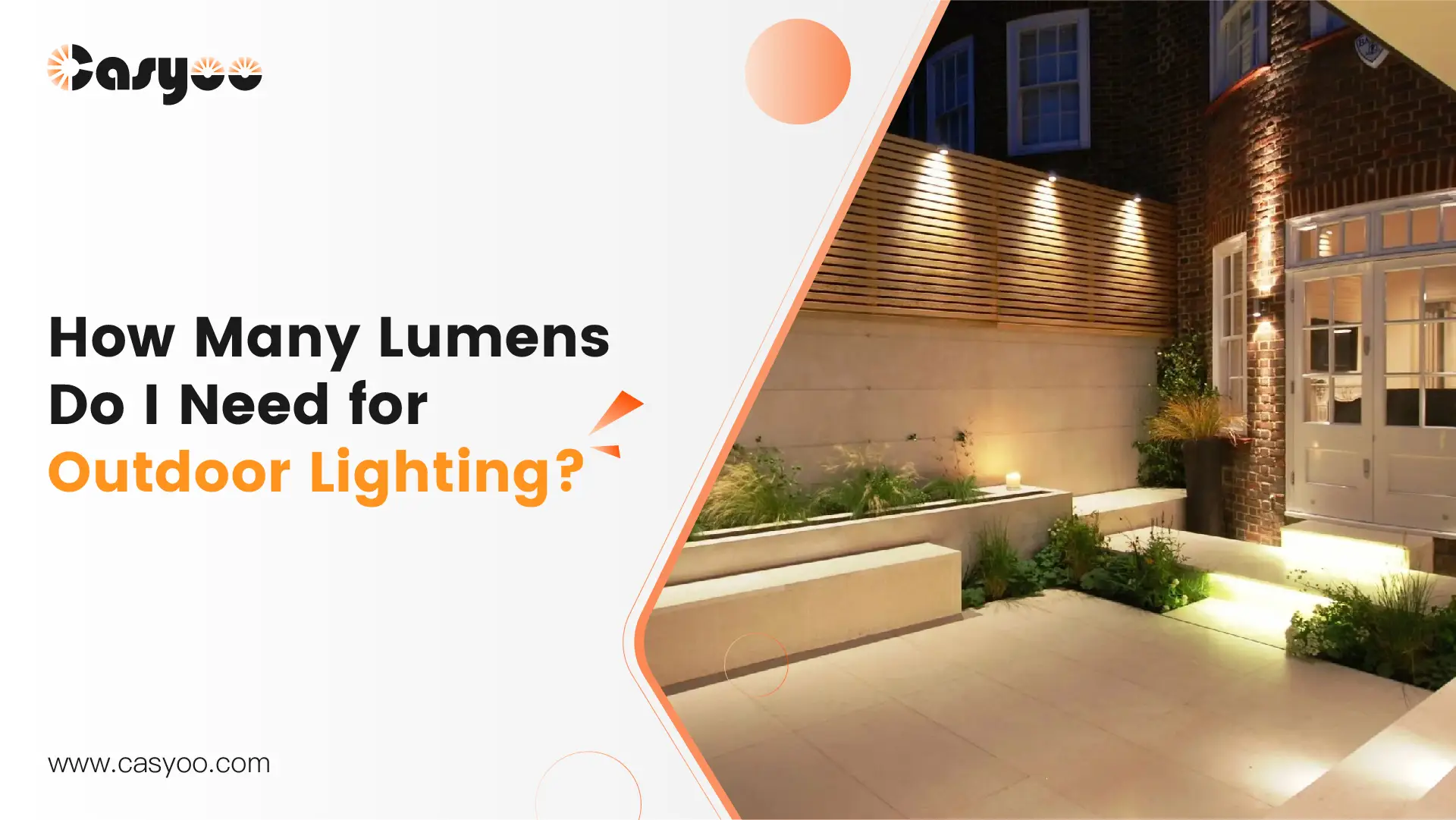
- Accent or decorative sconces: 100 to 300 lumens. Good for soft highlights and mood lighting.
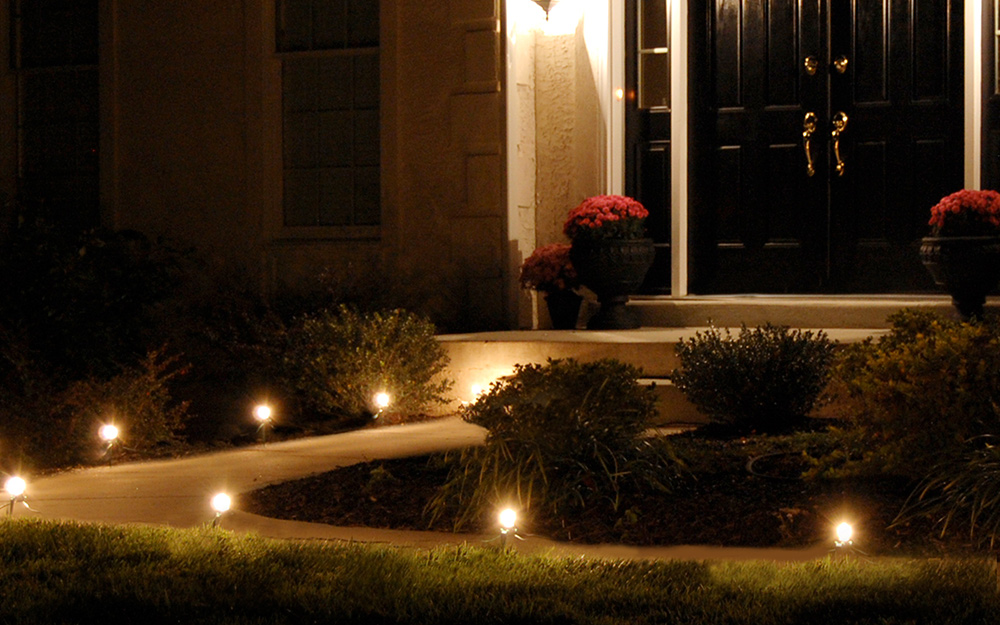
- Porch or entry lights: 400 to 800 lumens. Bright enough to see faces and packages without glare.
- Pathway and step illumination (wall-mounted): 200 to 500 lumens per fixture, depending on spacing.
- Security lighting on walls: 1,000 to 1,500 lumens. Use higher output for wide coverage and deterrence.
- Garage or work areas: 800 to 1,200 lumens. Provides clear task lighting near entry doors.
If you’re still unsure how many lumens for outdoor wall light you need, start in the middle of the range and test. Swap bulbs or use a dimmable fixture to fine-tune brightness.

How to calculate lumens for your outdoor wall light
A simple math trick helps you pick the right lumen level for a given area.
- Decide desired foot-candles (fc). For general porch lighting, aim for 1 to 5 fc. For security, aim for 10+ fc.
- Measure the area in square feet. For a porch 6 ft by 8 ft, the area is 48 sq ft.
- Use the formula: lumens needed = foot-candles × area in sq ft. For 2 fc on 48 sq ft, lumens = 2 × 48 = 96 lumens needed on average.
- Account for fixture efficiency and beam spread. If 50% of light reaches the target area, double the result.
This method gives a solid estimate. It also helps you balance how many fixtures you need. If you want to test how many lumens for outdoor wall light work best, try measuring light with a simple light meter app and adjust.
Choosing color temperature, beam angle, and fixture type
Brightness is not the only decision. Color and beam shape affect how light feels and performs.
- Color temperature. 2,700K to 3,000K for warm, welcoming entry lights. 4,000K for crisp, task-focused areas. Avoid very cool light near living areas; it can feel harsh.
- Beam angle. Narrow beams concentrate lumens on a spot. Wide beams spread light and lower glare. Pick the angle to match the task.
- Fixture style. Sconces with shades soften glare. Open fixtures throw more light outward. Choose fixtures that direct light where you need it.
When you pick fixtures, consider the lumen rating together with Kelvin and the beam spread. This trio defines how useful the light will be.

Energy, bulb types, and dimming options
Pick bulbs that balance lumens and energy use. LEDs are the top choice today.
- LEDs deliver high lumens per watt. They last longer and use less power than incandescent or halogen.
- Look for fixtures with a clear lumen rating. Lumens, not watts, tell you brightness.
- Dimming and controls. A dimmable LED lets you adjust how many lumens for outdoor wall light deliver in different situations.
- Smart options. Motion sensors and timers help save energy while keeping security high.
I recommend using LED fixtures rated for wet locations. They will give you consistent lumen output and low upkeep.
Practical installation tips and mistakes to avoid
From years of installs, here are tips that save time and give better light.
- Mount at the right height. For porch lights, 60 to 66 inches above the walking surface is a good rule.
- Avoid pointing lights directly at neighbors’ windows. This causes complaints and glare.
- Use multiple smaller fixtures instead of one ultra-bright light. This gives even coverage and less harsh shadows.
- Test before final mounting. Clip-on LED bulbs and temporary fixtures make it easy to find the right lumen level.
- Mind the color. Too-cool bulbs can wash out faces and make your home less cozy.
I once installed a 2,000-lumen sconce on a small entry. It lit the whole porch but blinded guests. We replaced it with two 600-lumen wall lights and the space felt balanced and safe. That taught me that more lumens are not always better.
Frequently Asked Questions of how many lumens for outdoor wall light
How many lumens for outdoor wall light should a porch have?
A porch should typically have 400 to 800 lumens per fixture for clear visibility and welcoming light. Adjust by porch size and whether you use multiple fixtures.
Are lumens or watts more important for outdoor wall light?
Lumens are more important. Lumens measure brightness while watts measure energy use. Compare lumen ratings to judge brightness.
How many lumens for outdoor wall light for security?
For security, aim for 1,000 to 1,500 lumens from wall-mounted fixtures or multiple fixtures spaced to avoid dark spots. Combine with motion sensors for best results.
Can I use a dimmable outdoor wall light to change lumens?
Yes. Dimmable LEDs let you lower the lumen output to suit mood or time of night while saving energy. Make sure the fixture and dimmer are compatible.
How many lumens for outdoor wall light for steps and walkways?
Aim for 200 to 500 lumens per fixture for steps and walkways, spaced so light overlaps. This prevents shadows and improves safety.
Should I worry about color temperature when choosing outdoor wall light?
Yes. Choose 2,700K to 3,000K for warm, inviting light and 3,500K to 4,000K for task or security areas. Color affects comfort and visibility.
Conclusion
Choosing the right lumen level makes outdoor wall lighting both useful and beautiful. Use the recommended ranges, factor in height and beam spread, and test fixtures before final installation. Start with 400–800 lumens for entries and scale up to 1,000+ lumens for security. Try different setups, use dimming, and opt for LEDs to save energy. If you found this helpful, try measuring your space and pick one fixture to test—then share your results or ask more questions below.