

Yes — with the correct adapter and fittings, you can replace a shower head with a garden hose.
I’ve installed makeshift outdoor showers and temporary rinse stations many times, so I know the practical steps and pitfalls of how to replace a shower head with a garden hose. This guide walks you through tools, parts, step-by-step instructions, safety and sanitation tips, troubleshooting, and real-world lessons so you can finish the job confidently and safely.

Why someone would replace a shower head with a garden hose
People choose to replace a shower head with a garden hose for temporary outdoor showers, washing pets, cleaning gear, or watering off the patio. The idea is simple: use a flexible hose and the right adapter to get longer reach and different spray patterns than a fixed shower head allows.
Replacing a shower head with a garden hose can save you time and money when you need a quick solution. It is not a permanent plumbing fix, and it should be done with attention to fittings, water pressure, and sanitation.
Tools and materials you will need
Below is a short list to prepare before starting. Gather quality parts to avoid leaks or damage.
- Adjustable wrench or pliers for removing the shower head and tightening fittings.
- Teflon (plumber’s) tape to seal threaded connections.
- Shower arm adapter or threaded hose adapter that matches your shower arm threads (commonly 1/2-inch NPT or BSP).
- Garden hose that has the matching coupling or a hose with a female connector that fits the adapter.
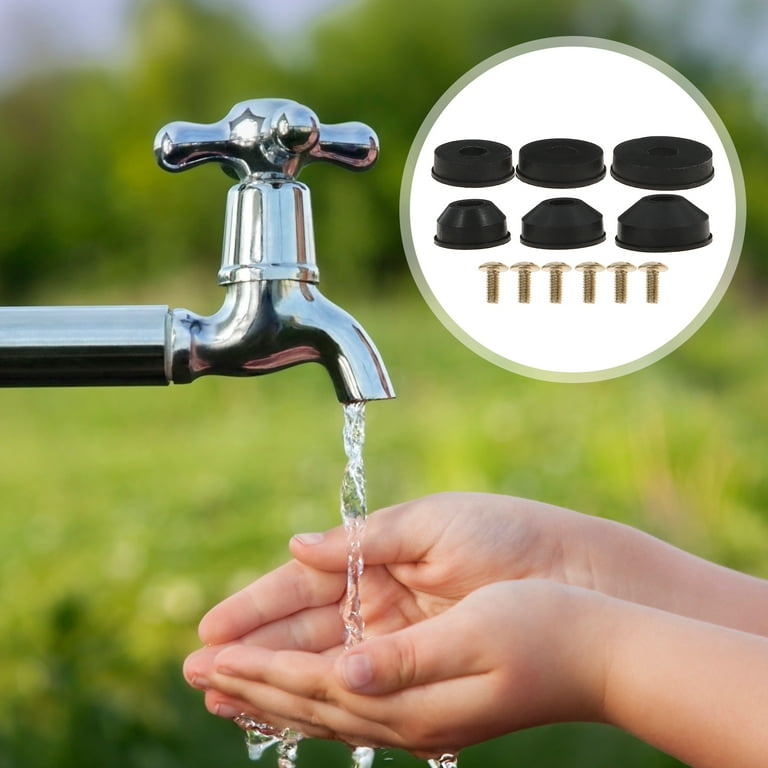
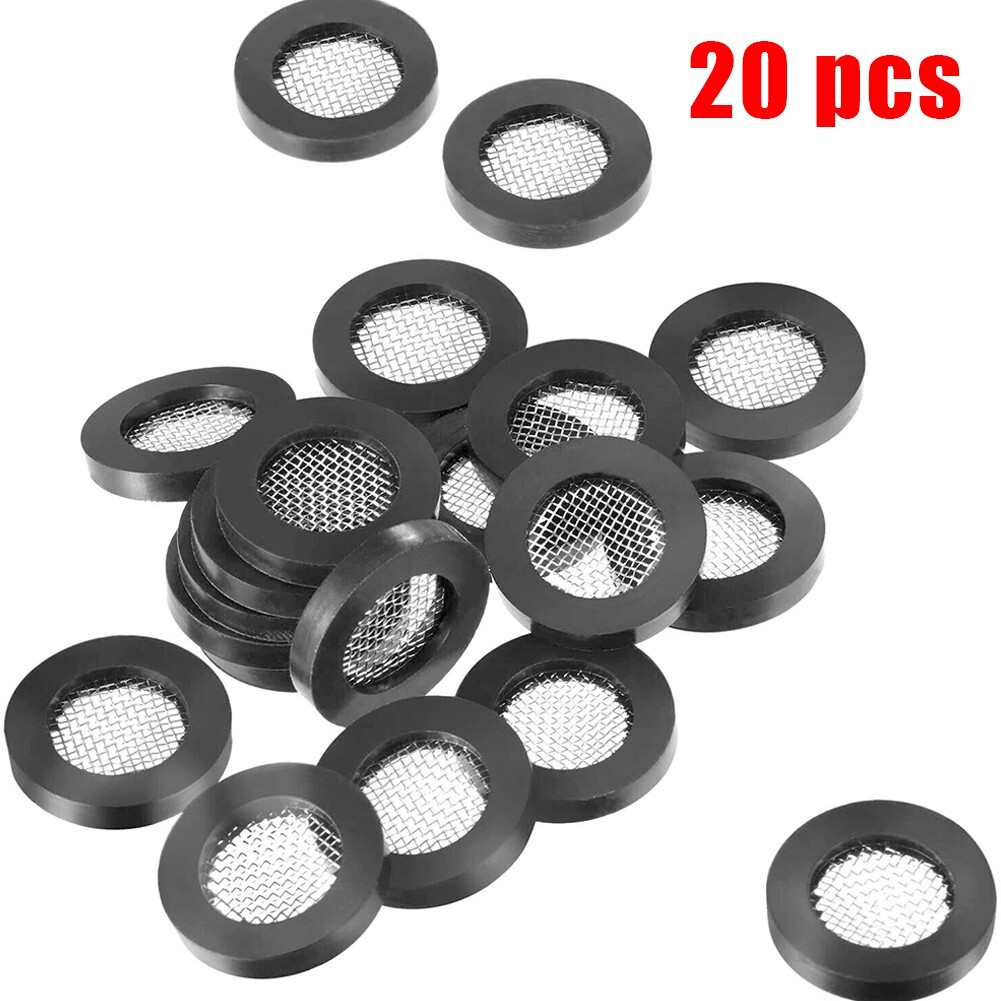
- Optional: hose shutoff valve, quick-connect fittings, rubber washers, and a towel to catch drips.
- Safety gear: gloves and eye protection.
Make sure you pick an adapter that fits your pipe threads. If you’re unsure, bring the old shower head to a hardware store to match the size.

Step-by-step guide: how to replace a shower head with a garden hose
Follow these short steps. Read through once before you start. Each step keeps the process simple and safe.
- Turn off the water supply and relieve pressure
- Turn off the shower valve and close any nearby shutoffs. Open the shower briefly to drain water in the line. This prevents sprays when you remove the shower head.
- Remove the existing shower head
- Grip the shower head with a towel and use an adjustable wrench to turn counterclockwise. If it’s stuck, apply penetrating oil and wait a few minutes. Clean the threads and remove old tape.
- Check thread type and choose the right adapter
- Most shower arms use 1/2-inch male threads. Buy a threaded hose adapter that screws onto that thread and provides a hose connection. Some adapters convert to a standard garden hose connection.
- Wrap threads with Teflon tape
- Wrap the exposed shower arm threads clockwise with 3-4 turns of Teflon tape. This helps prevent leaks when you screw on the adapter.
- Attach the adapter and secure it
- Screw the adapter onto the shower arm by hand, then tighten with a wrench until snug. Avoid over-tightening to prevent damage to the pipe.
- Connect the garden hose
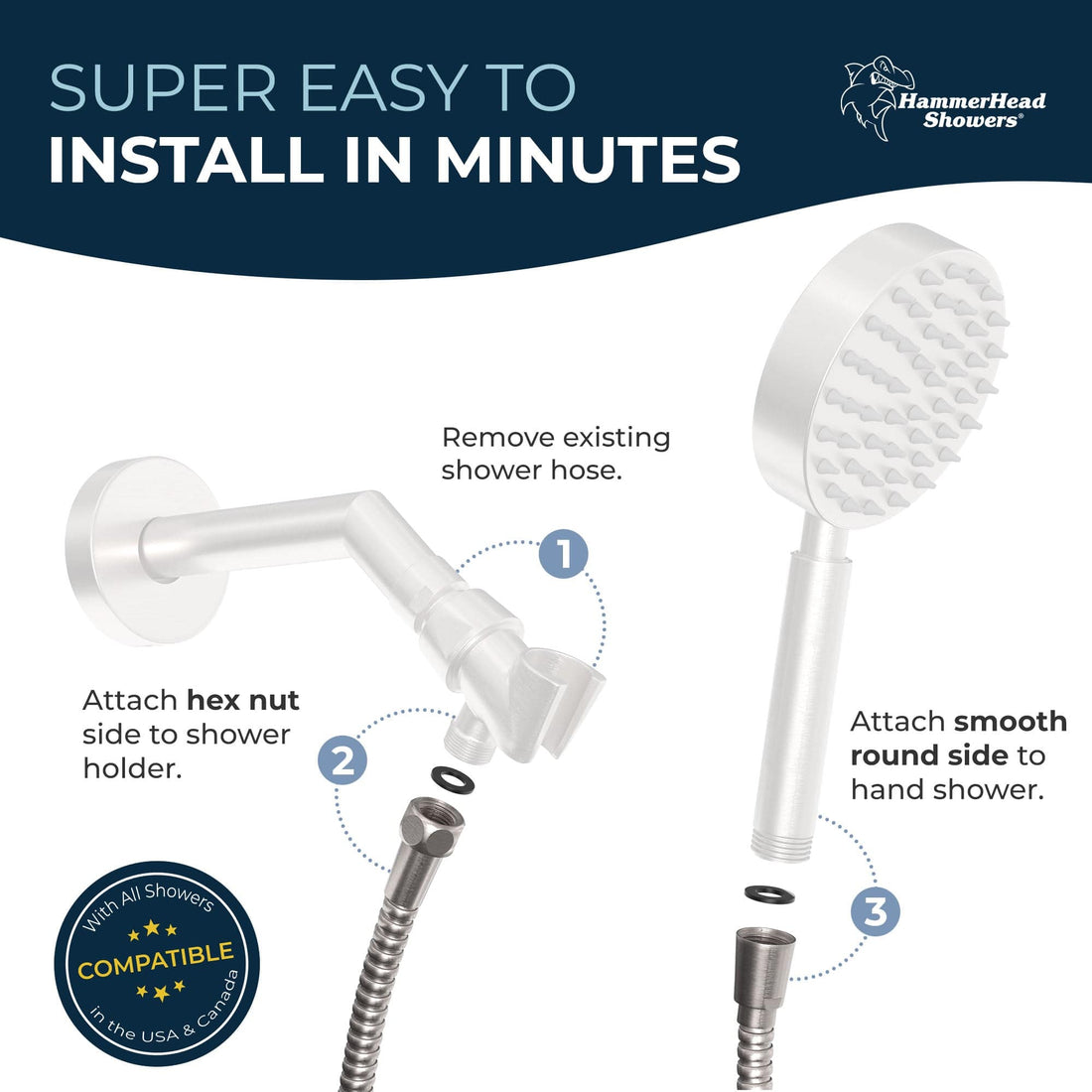
- Attach the garden hose to the adapter. If using quick-connect fittings, ensure the male/female ends snap fully into place. Add a rubber washer inside the hose coupling to improve the seal.
- Test for leaks and adjust
- Slowly turn the water back on and check all connections. Tighten any spots that drip. If pressure is too high, add a shutoff valve or partially close the valve to reduce flow.
- Consider temporary mounting
- If you want the hose to hang, use a hook or bracket designed to hold hoses. Don’t stress the plumbing or create a sharp bend in the shower arm.
When you follow these steps, you’ll have a working garden hose on your shower arm in minutes. Remember, this setup is usually a temporary or outdoor-friendly solution.
Safety, sanitation, and code considerations
Plumbing codes and safety matter. Using a garden hose indoors can introduce backflow hazards and contamination risks if not done properly.
Never create a connection that allows dirty hose water to siphon back into your house water lines. Use an air gap or a backflow preventer if there’s any chance of cross-contamination. Check local plumbing codes, because permanently modifying fixtures or connecting non-plumbing equipment to potable water lines may be prohibited.
If you plan to keep the setup long term, consult a licensed plumber to install approved fittings and anti-backflow devices. This protects your water supply and keeps the installation up to code.

Troubleshooting common issues when replacing a shower head with a garden hose
Here are quick fixes for the most common problems.
- Leaks at the adapter
- Retighten connections and add fresh Teflon tape. If the adapter or hose coupling has a damaged washer, replace it.
- Low pressure or weak spray
- Check for kinks in the hose and remove restrictive nozzle settings. A longer hose can reduce pressure—use a thicker hose for better flow.
- Water backing up or siphoning worries
- Install a backflow preventer or keep the hose end below the water level of any substance you might spray.
- Adapter won’t fit threads
- Verify thread size and type. Take the old shower head to a hardware store for a match.
These steps solve most hiccups. Test the setup in a controlled way and adjust until it runs smoothly.

Personal experience, tips, and mistakes to avoid
I once installed a garden hose on a shower arm for rinsing surfboards. I used an adapter that fit loosely, and it leaked under pressure. My lesson: match thread sizes exactly and always use new plumber’s tape.
Tips from my experience:
- Buy adapters with quality finishes to resist corrosion.
- Use a short hose for better pressure when you need stronger flow.
- If you plan to use hot water, ensure the hose is rated for hot temperatures to avoid softening or failure.
Avoid these mistakes:
- Don’t force incompatible fittings; cross-threading can ruin the pipe.
- Don’t skip a backflow preventer if the hose could touch dirty water.
- Don’t over-tighten plastic fittings; they can crack.
These practical tips will save time and prevent headaches.

Maintenance and storage for a garden hose on a shower arm
Good care extends the life of your setup. Keep things simple and routine.
- After use, drain the hose to remove water and lower freeze risk in cold climates.
- Inspect fittings monthly for wear or leaks and replace washers as needed.
- Store the hose away from direct sun when not in use to reduce UV damage.
- If you have hard water, flush the adapter occasionally to remove mineral buildup.
Regular checks keep the installation safe and functional for seasons of use.

Alternatives to replacing a shower head with a garden hose
If you are unsure about modifying your shower, consider these options.
- Buy a long shower hose made for showers that has proper fittings and anti-backflow features.
- Use a portable shower kit designed for camping or outdoor use; these are built for temporary setups.
- Install a hose bib or outdoor faucet closer to where you need water instead of adapting the shower arm.
- Hire a plumber to install an approved fixture or diverter that allows easy hose hookup.
These alternatives can provide a safer, code-compliant solution while giving the reach and convenience of a hose.
Frequently Asked Questions of how to replace a shower head with a garden hose
How do I know which adapter I need?
Check the thread size on your shower arm—most are 1/2-inch male threads. Bring the old shower head to a hardware store to match the adapter or measure threads with a gauge.
Is it safe to use a garden hose for showering?
Temporary use can be safe if the hose is rated for potable water and you add a backflow preventer. For long-term use, choose fixtures designed for potable water systems and follow local codes.
Will a garden hose reduce water pressure in my shower?
A longer or thinner garden hose can lower pressure. Use a short, thicker hose or a high-flow adapter to maintain stronger water flow.
Can I leave the hose connected year-round?
You can, but it’s not recommended in cold climates due to freeze risk. Regularly inspect fittings and replace worn washers to prevent leaks.
Do I need a plumber to attach a garden hose to my shower?
Not usually for a temporary, simple adapter install; however, call a plumber if you need permanent changes, anti-backflow devices, or if local codes require professional work.
Conclusion
You can successfully learn how to replace a shower head with a garden hose by using the right adapter, sealing threads, checking for leaks, and following safety rules. Start with the right parts, test carefully, and keep sanitation and local codes in mind. Try the temporary setup for a weekend project, and if you like it, consider a plumber-installed, permanent option for long-term use. Share your experience, subscribe for more DIY plumbing tips, or leave a comment about your project.