

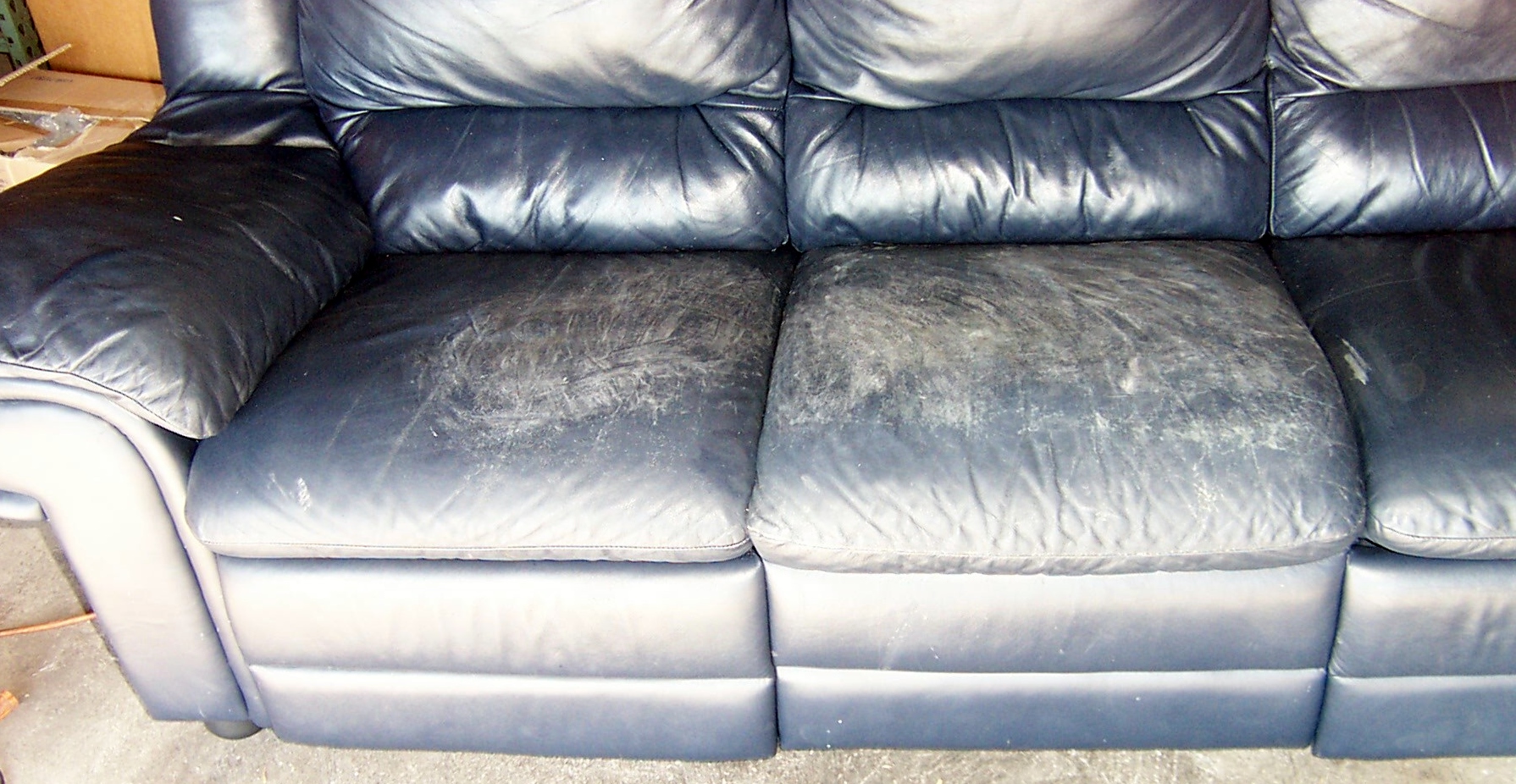
Is your favorite leather sofa showing cracks and signs of wear? You don’t have to replace it just yet.
Imagine restoring your sofa to its original beauty, saving money, and keeping that cozy spot you love. Fixing a cracked leather sofa is easier than you think, and with a few simple steps, you can bring it back to life.
Keep reading, and you’ll discover practical tips that anyone can follow to repair and protect your leather sofa, making it look great again. Your comfort and style deserve it.
Credit: wecanfixthat.com
Assessing The Damage
Before fixing a cracked leather sofa, start by assessing the damage carefully. This step helps decide the best repair method. It saves time and money by avoiding wrong fixes. Look closely at the cracks and the sofa’s material. Understanding these details is key to a good repair.
Identifying Crack Types
Cracks on leather come in different forms. Some cracks are shallow and small. Others are deep and wide. Small cracks often appear on older leather. Deep cracks may show the sofa’s inner layers. Check if the cracks are dry or moist. Dry cracks need conditioning. Moist cracks might need glue or filler. Knowing the crack type guides the repair process.
Checking Sofa Material
Leather sofas vary in type and quality. Some use genuine leather, others use bonded or faux leather. Genuine leather is thick and lasts longer. Bonded leather is thin and less durable. Faux leather is synthetic and feels different. Look at the sofa tag or ask the seller. Repair kits work differently on each material. Identifying the material ensures the right products are used.
Gathering Repair Supplies
Fixing a cracked leather sofa starts with gathering the right supplies. Using the proper tools and materials helps make the repair smooth and lasting. Without the correct items, the fix may not hold or look good.
Prepare your workspace and collect all needed supplies before starting. This step saves time and avoids frustration during the repair process.
Essential Tools
Basic tools are necessary to repair a cracked leather sofa. A clean cloth helps wipe the area before repair. Sandpaper smooths rough edges around the crack. A small spatula or plastic card spreads repair compound evenly. Scissors cut repair patches if needed. A hairdryer or heat gun helps dry the repair faster. Gloves protect your hands from chemicals. These tools are easy to find at home or a local store.
Recommended Repair Kits
Leather repair kits contain special materials made for sofa fixes. They often include a repair compound that fills cracks. Color compounds help match the sofa’s color. Some kits have textured paper to mimic leather grain. Clear glue or adhesive holds patches in place. Most kits come with easy instructions for beginners. Choose a kit that matches your sofa’s leather type. Using a repair kit improves the sofa’s look and durability.
Cleaning The Sofa Surface
Cleaning the sofa surface is the first step to fix a cracked leather sofa. Dirt and oils build up over time and make cracks worse. A clean surface helps the repair materials stick better. Take your time to clean gently and thoroughly.
Removing Dirt And Oils
Start by wiping the sofa with a soft, dry cloth. This removes loose dust and dirt. Next, dampen a cloth with warm water and mild soap. Gently clean the leather in small sections. Avoid soaking the leather. Use a clean, damp cloth to wipe off soap. Let the sofa dry completely before moving on.
Preparing For Repair
After cleaning, check the cracks closely. Remove any loose leather flakes with a soft brush. Smooth the edges around the crack using fine sandpaper. This step helps the repair filler stick better. Wipe the area again with a dry cloth. The sofa surface is now ready for repair.

Credit: www.youtube.com
Fixing Small Cracks
Small cracks on a leather sofa may look bad but are easy to fix. Acting early stops cracks from growing larger. Fixing these cracks also keeps your sofa soft and fresh. Two simple methods work well: using leather conditioners and applying leather filler. Both help restore the leather’s look and feel.
Using Leather Conditioners
Leather conditioners add moisture and oils to dry leather. This softens the surface and reduces cracks. Clean the area first with a soft cloth. Apply a small amount of conditioner gently. Let it absorb fully before using the sofa again. Repeat this every few months to keep leather healthy. Conditioners also protect against future damage.
Applying Leather Filler
Leather filler repairs deeper cracks by filling gaps. Clean the cracked area well before starting. Use a small spatula to spread the filler evenly. Smooth it out so it blends with the leather surface. Allow the filler to dry completely. After drying, gently sand the area for a smooth finish. Apply leather dye or color to match the sofa. This method restores both look and strength to cracked spots.
Repairing Larger Cracks
Repairing larger cracks on a leather sofa needs extra care and the right tools. Small tears can be fixed easily. Larger cracks require more effort. These cracks can make your sofa look old and worn out. Fixing them properly can bring back the sofa’s smooth look and extend its life.
Patching Techniques
Start by cleaning the cracked area well. Use a soft cloth and mild soap. Let the leather dry completely before moving on. Cut a piece of leather patch slightly bigger than the crack. Use a leather adhesive to attach the patch under the crack. Press down firmly and hold until it sticks. For better results, use a flexible filler to fill the crack on top of the patch. Smooth the filler with a palette knife. Let it dry fully. Sand lightly to make the surface even. This process strengthens the area and hides the crack.
Color Matching Tips
Choose a leather dye that matches your sofa’s color. Test the dye on a hidden area first. Use a sponge or small brush for applying the dye. Apply thin layers and let each dry before adding more. Mix colors to get the perfect shade if needed. Avoid using too much dye at once. After dyeing, use a leather conditioner to keep the leather soft. Color matching helps the repair blend well with the rest of the sofa. This makes the fix less noticeable and keeps your sofa looking nice.

Credit: www.reddit.com
Smoothing And Blending Repairs
Smoothing and blending repairs help make cracks on leather sofas less visible. This step improves the sofa’s look and feel. It creates a smooth surface and blends the repair with the rest of the leather. The process uses sanding, buffing, and dye to match colors perfectly.
Sanding And Buffing
Start by gently sanding the cracked area with fine sandpaper. This removes rough edges and smooths the surface. Sand in small circles and be careful not to damage the leather. After sanding, use a soft cloth to buff the area. Buffing helps to blend the repair and make the surface even. This step prepares the sofa for the next repair stage.
Applying Leather Dye
Choose a leather dye that matches your sofa’s color. Apply the dye carefully with a sponge or small brush. Use light, even strokes to cover the repaired area. Let the first coat dry before adding more layers. Multiple thin layers give a better color match than one thick coat. This step hides the crack and restores the sofa’s original look.
Preventing Future Damage
Preventing future damage to a cracked leather sofa is key to keeping it looking good. Taking care now saves time and money later. Small efforts make a big difference in leather’s lifespan.
Regular Maintenance
Clean your leather sofa every week with a soft, dry cloth. This removes dust and dirt that can wear leather down. Use a leather cleaner once a month to keep it fresh.
Condition the leather every three to six months. Leather conditioner stops cracks from growing and keeps the material soft. Avoid harsh chemicals or household cleaners that can dry out leather.
Protective Measures
Keep your sofa away from direct sunlight and heat sources. Sunlight and heat cause the leather to fade and crack faster. Use curtains or blinds to shield it during the day.
Place throws or covers on high-use areas. This protects the leather from scratches and spills. Avoid sharp objects like keys or pet claws near the sofa.
Maintain a stable room humidity level. Too much dryness or moisture harms leather. Use a humidifier or dehumidifier to keep the air balanced.
Frequently Asked Questions
How Can I Repair Small Cracks On A Leather Sofa?
Use a leather repair kit with filler and colorant. Clean the area first, apply filler, let it dry, then color-match the repair. Finish with a leather conditioner to restore softness and prevent future cracks.
What Materials Do I Need To Fix Cracked Leather?
You need a leather cleaner, filler compound, colorant or dye, applicator tools, and a conditioner. These tools help clean, fill cracks, restore color, and protect the leather for lasting repair.
Can I Fix Leather Sofa Cracks At Home?
Yes, you can fix small cracks at home using a repair kit. Follow instructions carefully, clean the sofa, apply filler and color, and condition the leather for best results.
How Do I Prevent Cracks On My Leather Sofa?
Keep your sofa clean and conditioned regularly. Avoid direct sunlight and heat, which dry out leather. Use leather protectants to maintain moisture and flexibility, preventing cracks over time.
Conclusion
Fixing a cracked leather sofa takes patience and care. Small cracks can become less visible with the right steps. Clean the leather gently before applying any repair products. Use a leather conditioner to keep it soft and prevent new cracks.
Regular care helps your sofa last longer and look better. A little effort goes a long way in saving your favorite furniture. Try these tips and enjoy your sofa again. Simple fixes can bring comfort back to your living room.