

Have you ever stopped to think about how often you replace your shower head? It might seem like a small detail, but the right timing can make a big difference in your daily shower experience.
Over time, shower heads can build up with mineral deposits, lose water pressure, or even harbor bacteria that affect your health. If you want to enjoy a refreshing, clean, and efficient shower every day, knowing when to swap out your shower head is key.
Keep reading, and you’ll discover simple signs to watch for and easy tips to keep your shower feeling brand new.

Credit: www.pureshowers.co.uk
Signs To Replace Shower Head
Knowing when to replace your shower head helps keep your shower clean and efficient. Old shower heads can cause problems that affect water flow and hygiene. Watch for clear signs to decide if it’s time for a new one.
Reduced Water Pressure
A weak water stream can mean the shower head is clogged or worn out. Low pressure makes showering less enjoyable and wastes time. Check if water flow is uneven or slower than usual.
Visible Mineral Buildup
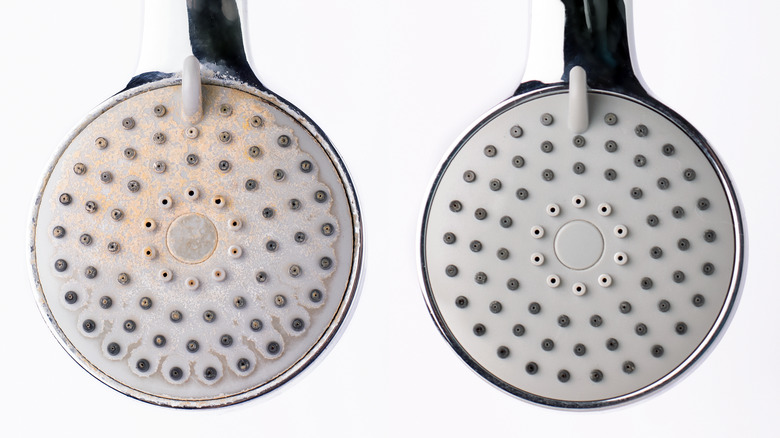
White or green crusts on the shower head show mineral deposits. Hard water leaves these deposits over time. Buildup blocks water holes and reduces spray quality. Cleaning might help, but heavy buildup means replacement.
Leaks And Drips
Water dripping from the shower head even when off wastes water. Leaks at the joints or nozzle show wear or damage. Drips can increase your water bill and cause stains. Fix small leaks or replace if they persist.
Mold And Mildew Growth
Dark spots or a musty smell near the shower head signal mold or mildew. Damp areas invite these fungi, which can harm health. Mold grows inside hard-to-clean parts. Replace the shower head to keep your bathroom fresh.
Recommended Replacement Frequency
Knowing how often to replace a shower head helps keep your shower clean and efficient. A shower head that is too old may clog or leak. Replacing it at the right time saves water and improves your shower experience.
Typical Lifespan Of Shower Heads
Most shower heads last between six to eight years. Plastic shower heads tend to wear out faster than metal ones. Over time, mineral build-up and corrosion reduce water flow. Checking your shower head every few years helps catch problems early.
Impact Of Water Quality
Hard water with many minerals clogs shower heads quickly. Mineral deposits block water flow and cause uneven spray. Soft water causes less build-up, so shower heads last longer. Using a water softener can extend your shower head’s life.
Usage Patterns And Their Effect
Daily use wears out shower heads faster than occasional use. Families with many members replace shower heads more often. Low-use showers may last over eight years without issues. Watch for changes in water pressure or spray to know when to change.
Choosing The Right Shower Head
Choosing the right shower head is important for a good shower experience. It affects water flow, comfort, and bathroom style. The right shower head saves water and lasts longer. Understanding different types, materials, and features helps make a smart choice.
Types Of Shower Heads
Fixed shower heads attach directly to the wall. They are simple and easy to use. Handheld shower heads come with a flexible hose. They allow better control and reach. Rain shower heads give a gentle, wide spray. They create a spa-like feeling. High-pressure shower heads increase water force. They are good for low-pressure systems.
Materials And Durability
Shower heads come in plastic, stainless steel, and brass. Plastic models are light and cheap but less durable. Stainless steel resists rust and looks modern. Brass is strong and lasts the longest. Choosing quality materials helps avoid leaks and breaks. It also keeps the shower head looking new.
Water Efficiency Features
Water-saving shower heads reduce water use without losing pressure. Look for models with a WaterSense label. They use less water and cut bills. Some shower heads have adjustable flow settings. This lets users control water speed. Efficient shower heads help protect the environment and save money.
Maintenance Tips To Extend Life
Maintaining your shower head helps it work well for a long time. Dirt and mineral deposits can block water flow. Regular care stops damage and keeps water pressure strong. Follow these simple tips to keep your shower head clean and fresh.
Regular Cleaning Techniques
Clean your shower head every two weeks. Use a soft cloth to wipe the surface. Remove any visible dirt or soap scum. For holes, use a toothbrush to gently scrub. This clears small blockages and keeps water flowing.
Descaling Methods
Mineral buildup can clog your shower head. Soak it in white vinegar for one hour. Vinegar breaks down hard deposits easily. Rinse with warm water after soaking. Repeat this every few months to keep it clear.
Preventing Mold And Mildew
Keep your shower area dry after use. Mold grows in damp places. Use a squeegee to remove water from walls and shower head. Leave the bathroom door open to air dry. This stops mold and keeps your shower healthy.
Diy Replacement Guide
Replacing your shower head is easier than you think. This guide helps you do it yourself in no time. You save money and avoid calls to plumbers. Follow these simple steps for a fresh shower experience.
Tools Needed
- Adjustable wrench or pliers
- Old rag or cloth
- Teflon tape (plumber’s tape)
- New shower head
Step-by-step Removal
Turn off the water supply or close the shower valve. Wrap the old rag around the shower arm to protect it. Use the wrench to turn the shower head counterclockwise. Keep turning until the shower head comes off. Clean the threads on the shower arm to remove old tape or debris.
Installing A New Shower Head
Wrap Teflon tape around the threads of the shower arm. This prevents leaks. Screw the new shower head clockwise onto the shower arm by hand. Tighten it gently with the wrench, using the rag to avoid scratches. Turn the water back on and check for leaks. Tighten more if needed.
Credit: www.housedigest.com

Credit: www.greenapplemechanical.com
Frequently Asked Questions
How Often Should I Replace My Shower Head?
Replace your shower head every 6 to 12 months for optimal performance. Mineral buildup and wear reduce water flow and hygiene over time. Regular replacement ensures clean water and consistent pressure, preventing bacteria growth and improving your shower experience.
What Are Signs It’s Time To Replace A Shower Head?
Signs include reduced water pressure, uneven spray, rust, or leaks. Mineral deposits can clog nozzles, causing poor water flow. If cleaning doesn’t help, replacement improves water quality and prevents damage to plumbing.
Can A Dirty Shower Head Affect Water Quality?
Yes, mineral deposits and bacteria buildup can contaminate water. A dirty shower head reduces water flow and may cause skin irritation. Regular cleaning or timely replacement ensures safe, clean water for your daily shower.
Does Replacing A Shower Head Save Water?
Yes, new shower heads often have water-saving features. Modern designs reduce water flow without sacrificing pressure. Replacing old, inefficient heads helps conserve water and lowers utility bills, benefiting the environment and your wallet.
Conclusion
Replacing your shower head every six to twelve months keeps water flow strong. Old shower heads can clog and waste water. Clean it often to remove buildup and dirt. Watch for leaks or rust as signs to change it. A fresh shower head improves your daily shower experience.
Simple care helps save money and water over time. Stay comfortable and enjoy a clean, steady spray every day. Don’t wait too long—replace it for the best results.