

Use low-voltage LED strips or modules behind or in mortar joints for smooth, bright backlighting.
I’ve installed and tested many glass block lighting setups, so I’ll walk you through how to light a glass block wall with leds step by step. This guide covers design, product choices, wiring basics, mounting tricks, and real-world tips I learned on the job. You’ll learn safe, energy-smart ways to make a glass block wall glow evenly and last for years. Read on to get a clear plan and avoid common mistakes when you decide how to light a glass block wall with leds.

Why light a glass block wall with LEDs?
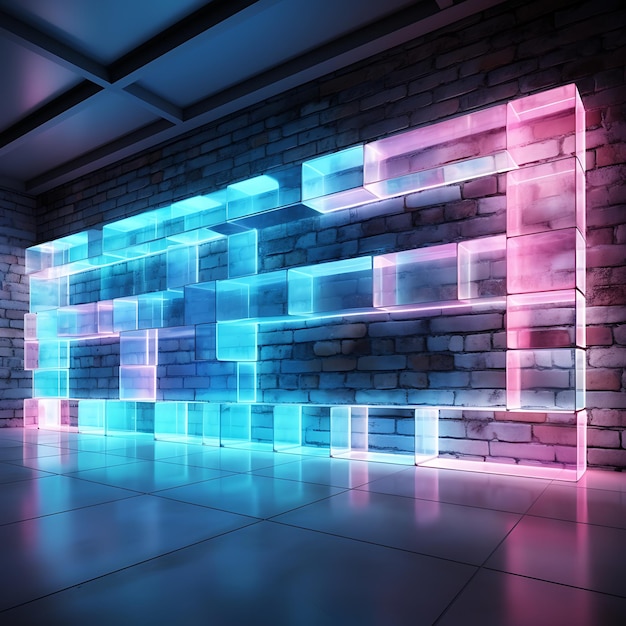
LEDs turn a plain glass block wall into a focal point without much heat or energy use. Lighting a glass block wall with leds creates soft, even illumination that highlights texture and color. LEDs last a long time and work with dimmers and color controls for mood lighting. If you want to change a room’s feel quickly and cheaply, learning how to light a glass block wall with leds is a smart move.
Planning and design considerations
Start by measuring the wall and noting where power access is. Think about whether you want white light, color, or color-changing effects when planning how to light a glass block wall with leds. Consider viewing angles, reflections, and how bright you want the wall to be in day and night. Sketch a simple plan and pick a strategy: edge lighting, backlighting, or in-joint lighting.

Materials and tools you'll need
Here’s a practical list for how to light a glass block wall with leds. Keep tools basic for DIY installs and hire help for mains work.
- LED strips or LED modules suitable for 12V or 24V systems, high CRI for accurate color.
- Waterproof or coated LEDs if moisture is a risk.
- Power supply (LED driver) rated above total LED wattage by 10–20%.
- Aluminum channel or trim for mounting and heat dissipation.
- Silicone adhesive, double-sided mounting tape, or masonry anchors.
- Wire, connectors, dimmer or controller, and basic hand tools: drill, screwdriver, wire stripper.
- Multimeter and safety gear.

Choosing the right LEDs and power supply
Pick LEDs based on brightness, color, and voltage to match your plan for how to light a glass block wall with leds. Use higher density strips (e.g., 60 LEDs per meter) for smooth light on clear blocks. Choose 12V for shorter runs and 24V for longer runs to reduce voltage drop. Size the power supply so its wattage is 10–20% above the LED load for reliability and cooling.
Mounting methods: edge lighting, backlight, and in-joint installation
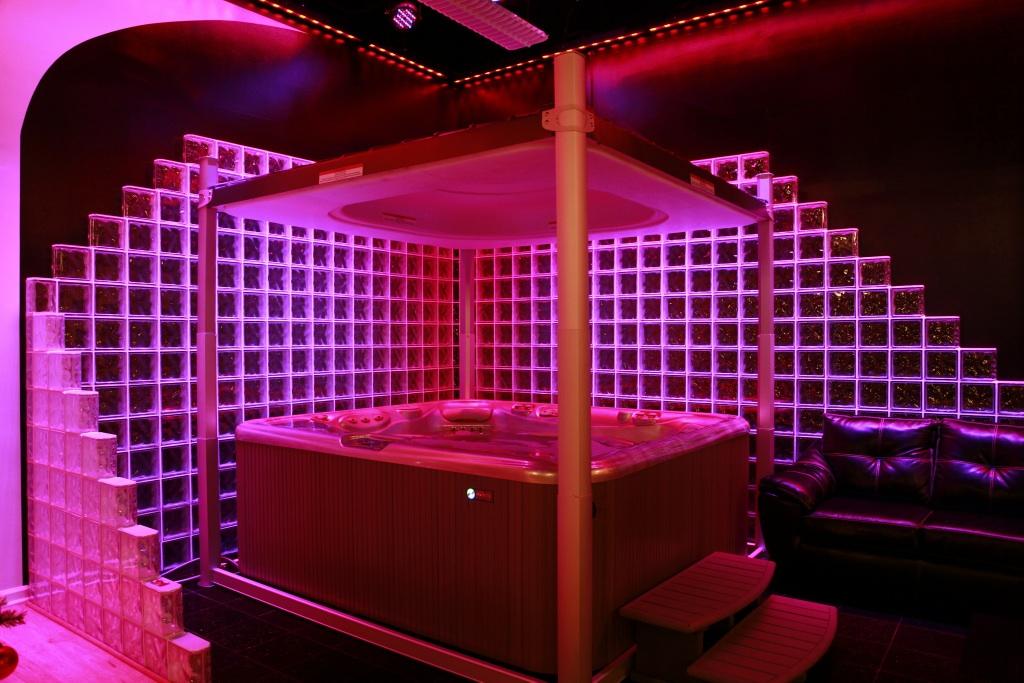
There are three common ways to light a glass block wall with leds. Each method gives a different look and has different installation steps.
- Edge lighting: LEDs sit along the block edges so light travels through the glass. This gives a rim-lit effect and is easy to hide.
- Backlighting: LEDs sit behind the block wall, in a recessed cavity, for a uniform glow across blocks.
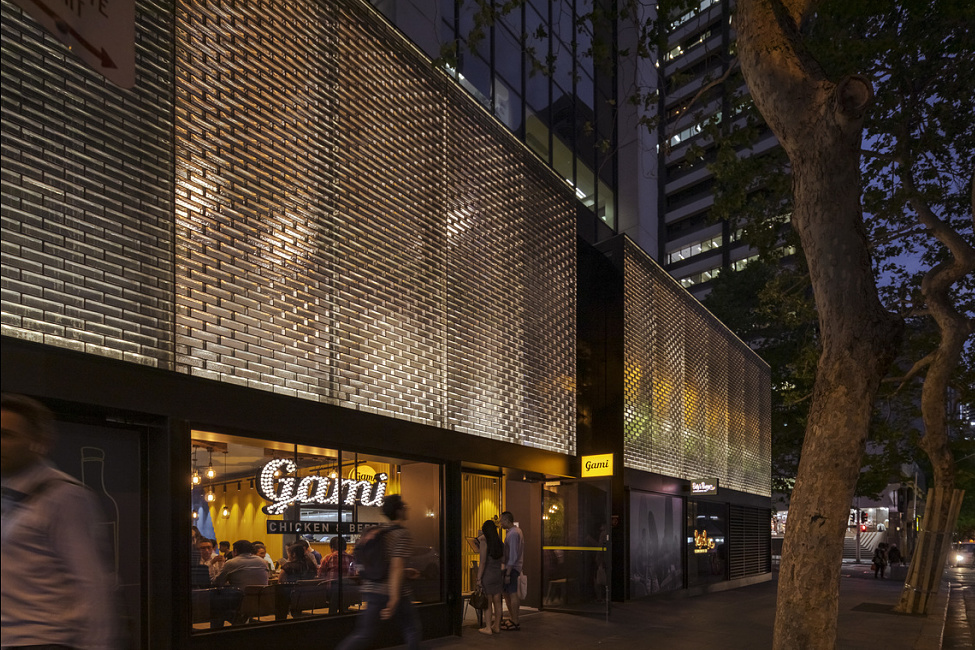
- In-joint installation: LEDs sit in mortar joints or channels cut for a seamless, integrated look.
Step-by-step installation guide
Follow these steps to install LEDs safely when you decide how to light a glass block wall with leds. If you are not comfortable with wiring, hire a licensed electrician.
- Measure and plan LED runs and note driver location.
- Test-fit LED strips on the wall to check light spread.
- Mount aluminum channels or adhesive pads where LED strips will sit.
- Cut LEDs to length at marked cut points and solder or use approved connectors.
- Route wiring to the LED driver. Use proper gauge wire for the current.
- Connect the driver to low-voltage LED wires and test before sealing.
- Seal channels with silicone to prevent dust and moisture.
- Install dimmer or controller as desired and verify operation.

Safety, codes, and when to call an electrician
Always follow local electrical codes when you light a glass block wall with leds. Low-voltage LED wiring is safer but still requires correct connectors and grounding for the driver. Call an electrician for any mains work, ceiling or wall cut-ins, or if you are unsure about load calculations. A pro ensures compliance and avoids fire hazards.
Common mistakes and how to avoid them
Avoid these mistakes when you learn how to light a glass block wall with leds. They cause uneven light, short life, or unsafe installs.
- Using the wrong voltage or undersized power supply causes flicker or early failure.
- Placing LEDs without diffusion leads to hot spots and uneven glow.
- Skipping aluminum channels leads to overheating and shorter LED life.
- Ignoring moisture protection can corrode strips in damp areas.

Maintenance and troubleshooting
Keep the wall working well after you install how to light a glass block wall with leds with a few simple checks. Clean the glass gently to keep light uniform. Test the driver and connections if LEDs flicker or dim. Replace drivers every 5–10 years if they show signs of wear, and replace strips in matched batches to keep color consistent.
Design ideas and inspiration
You can use how to light a glass block wall with leds to create many looks. Try these ideas to fit different spaces and moods.
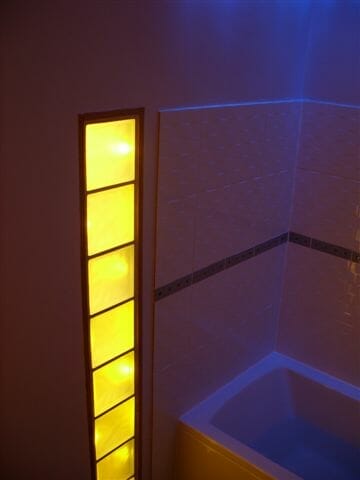
- Soft white backlight for bathrooms and hallways.
- RGB color wash with controller for living rooms and bars.
- Accent edge lighting to highlight a glass block partition.
- Layered lighting with spotlights plus block backlight for depth.
Frequently Asked Questions of how to light a glass block wall with leds
How bright should the LEDs be for a glass block wall?
Choose LED strips that provide the lumens you need for mood or task lighting. Aim for 200–600 lumens per linear foot for accent to ambient effects, adjusting for block thickness and diffusion.
Can I use RGB strips for a glass block wall?
Yes. RGB and RGBW strips work well and offer color options when you set up how to light a glass block wall with leds. Use a compatible controller and ensure the strip’s brightness meets your needs.
Do I need an electrician to install LEDs behind glass blocks?
You may DIY the low-voltage portion, but hire an electrician for any mains wiring or if you must install a new circuit. Safety and code compliance matter for permanent fixtures.
How do I prevent hot spots when lighting glass blocks?
Use high-density LED strips, aluminum channels, and a diffuser or frosted backing to spread light evenly when you plan how to light a glass block wall with leds. Test and adjust spacing before final mounting.
What voltage is best for longer LED runs?
Use 24V strips for longer runs to reduce voltage drop and keep brightness even. 12V works well for short runs and smaller walls.
Conclusion
Lighting a glass block wall with LEDs is a cost-effective and creative way to upgrade a space. You can choose edge, back, or in-joint lighting depending on the look and difficulty you want. Plan carefully, pick the right LEDs and driver, and follow safety rules or hire a pro for mains work. Now pick a method, make a simple plan, and try a small test run — then bring your glass block wall to life. If this helped, subscribe for more projects or leave a comment about your glass block lighting plans.