

Install a handheld shower head with a hose on a tub in under an hour.
I’ve installed many handhelds on tubs and I’ll walk you through how to add shower head with hose in bathtub step by step. I know the common hurdles, the right parts to buy, and the simple tricks that save time and money. Read on and you’ll gain clear instructions, helpful tips, and confidence to complete this upgrade yourself.

Why add a shower head with hose in your bathtub?
Adding a handheld is a small change that gives big value. A handheld shower head makes rinsing easier, helps with cleaning the tub, and is gentle for kids and pets. Installing a handheld improves accessibility and brings modern convenience without a full remodel.
I’ll explain how to add shower head with hose in bathtub so you can choose the right approach for your tub type. You’ll learn whether to use a diverter, a wall mount, or a slide bar. This guide covers each option and the tools you need.
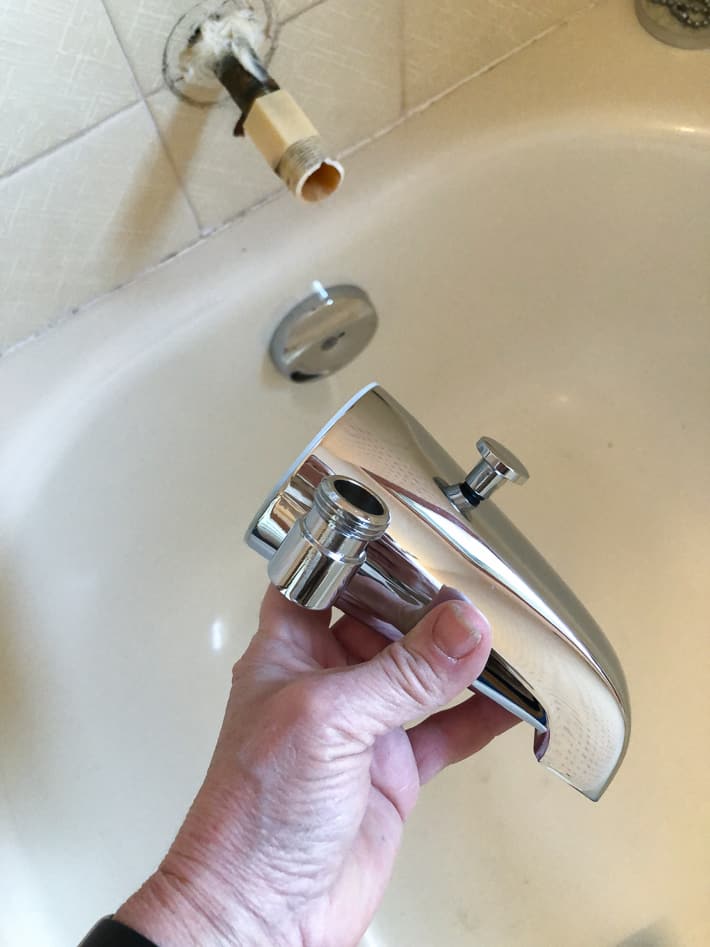
Materials and tools you’ll need
Gather parts before you start. Having everything ready cuts the job time and stops frustration.
- Shower head with hose kit
- Diverter valve (if you want to keep an existing shower head)
- Wall-mount bracket or slide bar
- Adjustable wrench and pliers
- Teflon (plumber’s) tape
- Thread sealant (optional)
- Drill with masonry or tile bits (if drilling into tile)
- Screw anchors and screws
- Towel or bucket to catch water
- Silicone caulk (for sealing mounts on tile)
- Utility knife and measuring tape
If you have an old shower arm or spout, you may need a replacement. I learned to always test-fit parts on the counter first. It saves trips to the store.

Step-by-step: how to add shower head with hose in bathtub
Follow these steps in order. Read through once before you begin.
- Turn off the water supply to the tub. If there’s no local shutoff, turn off the house water main. Open the taps to drain lines.
- Remove the existing shower head or tub spout. Use an adjustable wrench and protect finishes with a rag. Keep parts if you may reuse them.
- Choose your connection method. You can attach a diverter to the tub spout, install a shower arm diverter, or connect to the existing shower outlet.
- Wrap Teflon tape clockwise around male threads. Two to three wraps are enough. This prevents leaks and is quick to do.
- Install the diverter or adapter. Hand-tighten first, then finish with a wrench. Don’t overtighten; that can crack fittings.
- Attach the hose to the diverter outlet and to the handheld head. Most hoses are standard 1/2-inch connections. Tighten gently.
- Mount the bracket or slide bar. Measure height for comfort. For tile, drill pilot holes with a tile bit and use suitable anchors.
- If your bracket has a suction mount, clean the tile or acrylic well and press firmly. Add silicone if you want extra hold on tile.
- Turn the water back on and test for leaks. Shift the diverter to check flow through both fixed and handheld outlets.
- Adjust spray settings and confirm hose length and bracket angle are comfy. Trim or reposition if needed.
- Seal around screw holes with a thin bead of silicone on tile to prevent water intrusion. Wipe excess clean.
- Final test: run hot and cold for a few minutes and inspect joints. Tighten if you see any slow drips.
I once skipped using anchors and regretted it when the bracket pulled out. Use proper anchors for long-term hold.
Common problems and troubleshooting when adding shower head with hose in bathtub
Leaky connections are the most common issue. If you see drips, turn off the water, remove the fitting, add fresh Teflon tape, and retest. Small leaks usually fix with better sealing.
Low water flow can come from a blocked aerator or a restrictor inside the shower head. Remove the restrictor or clean mineral deposits. If flow is uneven, check the diverter for partial blockage.
Bracket won’t hold on tile. Use the correct drill bit and anchors. For porous grout or failing tile, switch to a slide bar or tension-fit shower rail instead.
Adapter threads don’t match. There are different sizes and types. Measure threads and buy the correct adapter. Most kits use 1/2-inch BSP threads, but double-check.
If your water temperature fluctuates, the problem might not be the handheld. Test the mixer valve separately. Replacing an old valve may be needed for consistent temperature.

Safety tips, maintenance, and cleaning
Safety first. Turn off water at the supply before disassembly to avoid surprises. Protect tile and fixtures with cloths when using tools.
For maintenance, wipe the hose and head after use. Remove mineral deposits every few months by soaking the head in a vinegar solution. Replace rubber washers annually to avoid leaks.
Avoid overtightening fittings. Hand-tight plus a quarter turn with a wrench is usually enough. If you feel resistance, stop and inspect threads.
If you drill into tile, use masking tape to stop the bit from slipping. Wear eye protection and gloves. If unsure, hire a pro for tricky tile work.

Cost and time estimates
Most handheld shower head with hose setups cost between $25 and $150. Simple hose-and-head sets are cheap. Higher-end slide bars and thermostatic diverters cost more.
Expect 30 to 90 minutes for a basic installation if you have tools. Drilling tile or moving plumbing adds time. Allow a few hours for more complex installs.
Budget for anchors, Teflon tape, and caulk. If you hire a plumber, hourly rates vary, so get a quote first. DIY saves money but check local plumbing codes for restrictions.

Frequently Asked Questions of how to add shower head with hose in bathtub
Can I install a handheld without touching the plumbing?
Yes. You can use a tub spout diverter or an attachable faucet adapter that clips on. These connect to the spout and avoid opening the wall.
Will a handheld hose fit any shower head?
Most modern handheld hoses use standard 1/2-inch threads and fit most heads. Check the package specs and measure if unsure.
Do I need a diverter if I only want a handheld?
No, if you only want the handheld and have no fixed head. A diverter is needed if you want both fixed and handheld options.
How do I stop the hose from kinking?
Choose a hose with anti-kink design or metal braid. Keep the hose length suitable and avoid tight bends near the mount.
Can I install a slide bar on tile without drilling?
You can use strong suction mounts or adhesive brackets, but drilling with proper anchors is more secure long-term. Suction works best on smooth, non-porous surfaces.
What if my water pressure drops after adding a handheld?
Check for debris or restrictors in the head or diverter. Clean or remove restrictors and test pressure again. Persistent low pressure may be a house plumbing issue.
Conclusion
Adding a handheld shower head is a smart, affordable upgrade that boosts comfort and usability. Follow the step-by-step instructions here to install how to add shower head with hose in bathtub confidently. Gather the right tools, measure carefully, seal threads correctly, and test thoroughly. Start the project this weekend and enjoy easier rinsing, better cleaning, and a more flexible bathing experience. If you liked this guide, try a small upgrade next—share your results or ask a question below.