

Trap drafts, add layers, and use passive heat—small changes raise room warmth fast.
I’ve spent years helping friends and clients warm rooms without a heater. This guide on How to keep room warm without heater explains simple science, step-by-step fixes, and low-cost tricks you can use today. You’ll learn how to block cold, hold heat, use passive energy, and avoid common mistakes — all written from hands-on experience and clear reasoning. Follow these steps to make your room feel warmer, safer, and more comfortable without cranking a heater.

Understand why rooms get cold and what really works
Cold rooms lose heat in three main ways: conduction through walls and windows, convection via drafts and air leaks, and radiation from cold surfaces. Knowing this helps when you try to warm a room without a heater. Focus on slowing heat loss and using simple heat sources.
Key ideas to keep in mind:
- Seal the leaks: Stopping drafts reduces heat loss quickly.
- Add insulation: Small layers add up to big gains.
- Use passive heat: Sun, warm objects, and bodies give steady warmth.
How to keep room warm without heater relies mostly on blocking loss and adding low-energy gains. My own flats became noticeably cozier after I sealed one window and added rugs. That one change cut the chill immediately.

Source: youtube.com
Seal drafts and improve insulation
Sealing gaps is one of the fastest ways to make a room feel warmer. Drafts at windows, doors, electrical outlets, and wall junctions let cold air in and warm air out.
Steps to seal and insulate:
- Inspect for drafts: Feel around windows, doors, and baseboards on a cold day.
- Use weatherstripping: Apply self-adhesive strips to door and window frames.
- Fill gaps: Use caulk for small cracks and foam sealant for bigger holes.
- Insulate outlets: Push foam gaskets behind outlet covers on exterior walls.
- Add temporary window seals: Apply clear plastic film over windows in winter.
Benefits: These fixes are cheap, often DIY, and can raise perceived temperature by several degrees. Limitations: Permanent insulation requires more investment, but simple sealing saves energy now. How to keep room warm without heater starts with these low-cost actions.

Source: goldmedalindia.com
Windows, curtains, and using the sun
Windows are the biggest source of heat loss but also a heat gain when the sun shines. Smart window use makes a big difference for how to keep room warm without heater.
Practical tips:
- Open curtains during sunny days: Let in solar heat for free.
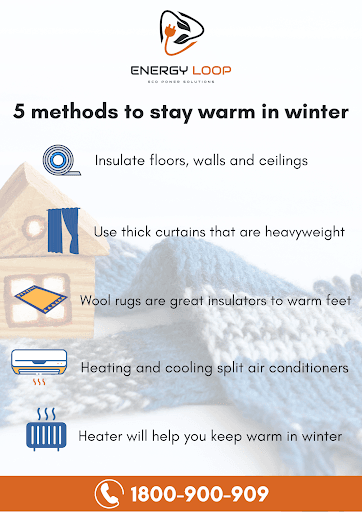
- Close heavy curtains at dusk: Trap warm air next to the glass.
- Use thermal or layered curtains: Add a blackout or thermal panel for winter.
- Add a window quilt or cellular blinds: These increase R-value significantly.
Example: On a cold, sunny morning I left curtains open for two hours and the room warmed noticeably. Then I closed thick drapes to keep that heat inside. That simple habit helped me avoid the heater most mornings.
 furniture”
style=”max-width: 100%; height: auto; border: 2px solid black; border-radius: 10px; display: block; margin: 0 auto;”
loading=”lazy”
/>Source: gov.ng
Heat retention with textiles and furniture
Textiles and layout matter. Soft, dense fabrics and strategic furniture placement help trap heat where people sit and sleep.
Ways to retain heat:
- Add area rugs: Rugs on bare floors reduce heat loss and feel warmer underfoot.
- Layer bedding and throws: Use flannel sheets, a duvet, and a blanket.
- Use draft-stopping door snakes: Block cooling under-door airflow.
- Rearrange furniture: Move sofas and beds away from exterior walls and windows.
- Cover bare walls with tapestries or shelves: These create a buffer layer.
Benefits: Textiles change how warm a room feels quickly. They are low cost and portable. Limitations: They don’t raise air temperature much, but they increase comfort and reduce perceived chill. How to keep room warm without heater often depends on these small, tactile comforts.

Source: streetphotographersfoundation.com
Low-energy active methods and safe heat sources
If you need extra warmth, there are safe, low-energy options that are not space heaters. Use them carefully and follow safety rules.
Safe methods:
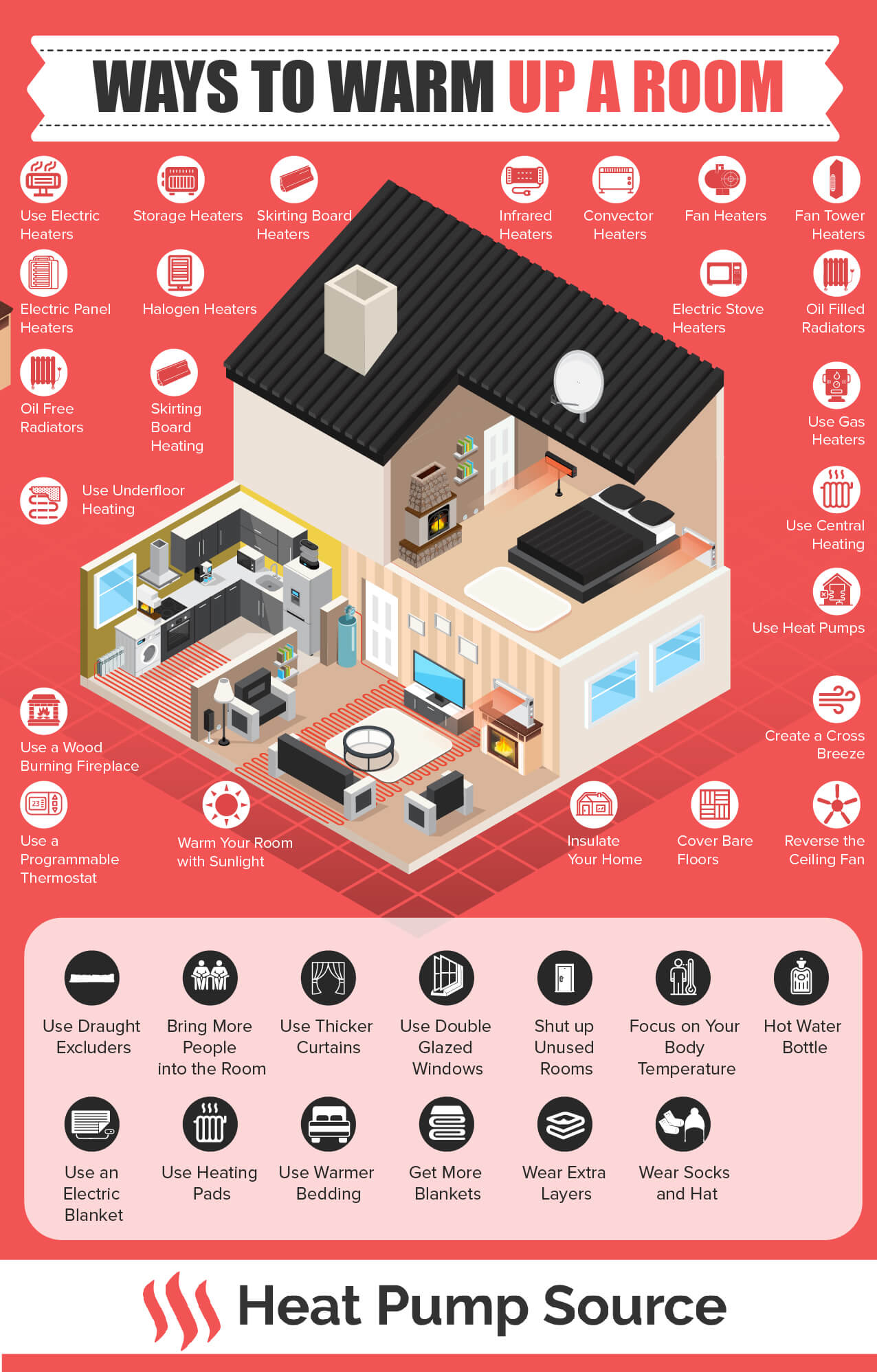
- Hot water bottles or heat packs: Great for personal warmth in bed or on the couch.
- Warm beverages and cooking: Making soup or using the oven briefly warms air.
- Candle-in-a-jar method: A candle under a clay pot will radiate heat — keep it supervised.
- Radiant heating pads: Low wattage electric pads use less energy than a space heater.
Safety tips: - Never leave open flames unattended.
- Keep combustible items away from heat sources.
- Ensure rooms using burners or open flames have ventilation.
These methods are useful when used correctly. I often boil a kettle and leave the steam to warm a small room; it works best when combined with closed doors and covered windows. How to keep room warm without heater can include these tools for short-term warmth.
Source: streetphotographersfoundation.com
Manage ventilation and moisture for comfort
Sealing a room increases warmth but you still need fresh air. Controlled ventilation and moisture control keep the room healthy and feel warmer.
Key points:
- Use brief, cross-ventilation: Open windows wide for a few minutes to refresh air, then close them.
- Control humidity: A bit of humidity makes air feel warmer; use a humidifier or dry laundry indoors.
- Avoid excess damp: Too much moisture cools surfaces and leads to mold.
Balancing ventilation and humidity helps with overall comfort. When I sealed a room tightly, I started short airing routines twice a day. This kept the air fresh and made the room feel warmer without continuous heat. How to keep room warm without heater requires this balance.

Source: streetphotographersfoundation.com
Practical routines and behavioral tips
Daily habits are powerful and free. Small routines help you stay warm while using little or no energy.
Routines to adopt:
- Dress in layers: Base, mid, and outer layers trap body heat.
- Use slippers and socks: Warm feet help your whole body feel warmer.
- Close doors to unused rooms: Concentrate heat in occupied spaces.
- Heat your body first: Move, do light chores, or sit with a blanket while drinking something warm.
Mistakes to avoid: - Cranking ventilation fans unnecessarily in winter.
- Keeping large spaces heated when you only occupy one room.
- Forgetting to block drafts around pets’ entrances or vents.
I learned to keep one small room used as my living area. Closing the door and layering textiles made the space comfortable all evening without a heater. How to keep room warm without heater becomes practical when you change habits.
Costs, benefits, and limitations
These strategies are cheap and eco-friendly. But they have limits. Knowing them keeps expectations realistic.
Benefits:
- Low cost or no cost improvements.
- Reduced energy use and lower bills.
- Faster results by targeting drafts and textiles.
Limitations: - They may not replace a heater in very cold climates.
- Passive methods depend on weather and sun.
- Some DIY fixes are temporary and require upkeep.
If you live in an extremely cold area, combining these tips with efficient heating may be necessary. For milder climates or short cold snaps, the techniques above usually suffice. How to keep room warm without heater is about making smart trade-offs for comfort and cost.
PAA-style questions
Will sealing windows really make a room warmer?
Yes. Sealing windows reduces drafts and stops warm air from escaping. Even temporary film or weatherstripping can raise perceived warmth by several degrees.
Can rugs and curtains replace a heater?
They improve comfort and reduce heat loss but don’t produce heat. Rugs and curtains often let you use less heating or delay turning it on, but they may not fully replace a heater in very cold climates.
Is it safe to use candles for heat?
Candles provide small amounts of radiant heat and must be used with extreme care. Always place them in stable, non-flammable holders and never leave them unattended.
Personal tips, mistakes I made, and lessons learned
I once used thick curtains without sealing the top; warm air still escaped. After adding simple weatherstripping and a rug, the room felt much warmer. From that experience I learned:
- Fix drafts before buying expensive textiles.
- Combine approaches: sealing, textiles, and passive sun use work best together.
- Track results: use a cheap thermometer to check which actions truly raise temperature.
These hands-on lessons show how to keep room warm without heater in realistic settings. Small, well-placed actions work better than many random fixes.
Related concepts and deeper ideas
Understanding thermal mass, radiant heat, and air movement refines your approach to keeping rooms warm.
Important concepts:
- Thermal mass: Objects that store heat (brick, water) release it slowly and reduce temperature swings.
- Radiant heat: Warm surfaces make people feel warm even if air is cool.
- Convection: Circulating warm air across the room reduces cold spots.
Use these ideas when arranging furniture and choosing materials. For example, placing a dark, heavy object in sunlit areas captures heat for evening release. This knowledge improves how to keep room warm without heater strategies.
Frequently Asked Questions of How to keep room warm without heater
How quickly will sealing drafts make a difference?
You can feel reduced drafts almost immediately. Temperature may rise a degree or two within hours, and perceived comfort often improves right away.
Can I use the oven to warm my room?
Using the oven briefly while cooking adds some heat but is not an efficient room heater. It is useful as a short-term boost, especially when combined with closed doors and windows.
Are electric blankets a good alternative?
Electric blankets are efficient for personal warmth and use less energy than space heaters. Always follow manufacturer safety instructions and avoid leaving them on unattended for long periods.
Will adding humidity make the room feel warmer?
Yes, a moderate rise in humidity makes air feel warmer because humid air transfers heat to your skin more effectively. Keep humidity under control to avoid condensation and mold.
What is the cheapest first step to try tonight?
Start by blocking drafts and closing curtains. Add a rug and dress in layers. These steps are cheap and deliver quick, noticeable comfort.
Conclusion
You can make a room noticeably warmer without a heater by blocking drafts, adding textiles, using the sun, and adopting simple habits. Start with sealing gaps and adding a rug or thick curtains, then layer in passive heat and safe low-energy methods. Small changes add up to big comfort gains.
Try one new tactic this week — test sealing a window, then add a rug and track the change. If this helped, share what worked in the comments or subscribe for more practical home tips.