

Add water, 5–10 drops of essential oil, and run the diffuser for 15–60 minutes.
I’ve used diffusers in homes and offices for years, and I’ll walk you through exactly how to use a diffuser for room comfort, scenting, and mood. This guide covers step-by-step setup, safety, cleaning, oil blends, and common mistakes, all based on hands-on experience and practical tips so you can get steady, pleasant results every time.

Why use an essential oil diffuser in your room?
Diffusers spread scent and tiny droplets of essential oil into the air. They can lift mood, help with sleep, and make a room feel fresh. Knowing how to use a diffuser for room scent and wellness helps you avoid waste and get consistent results.
I learned early that a little oil goes a long way. Start small and adjust. Using the right diffuser and oils makes the whole process easy and safe.

Types of diffusers and which to choose
There are several common types of diffusers. Pick one that fits your space and needs.
- Ultrasonic diffusers: Use water and vibrations. They humidify and disperse oil droplets.
- Nebulizing diffusers: Use no water and deliver a stronger scent. They are ideal for larger rooms.
- Heat diffusers: Warm oils to release scent but can alter oil chemistry.
- Evaporative diffusers: Use pads or reeds to evaporate oils; scent weakens over time.
If you want a quiet unit for the bedroom, choose an ultrasonic diffuser. If you want strong scent in a living room, try a nebulizer. Knowing how to use a diffuser for room size and goals helps you pick the right type.
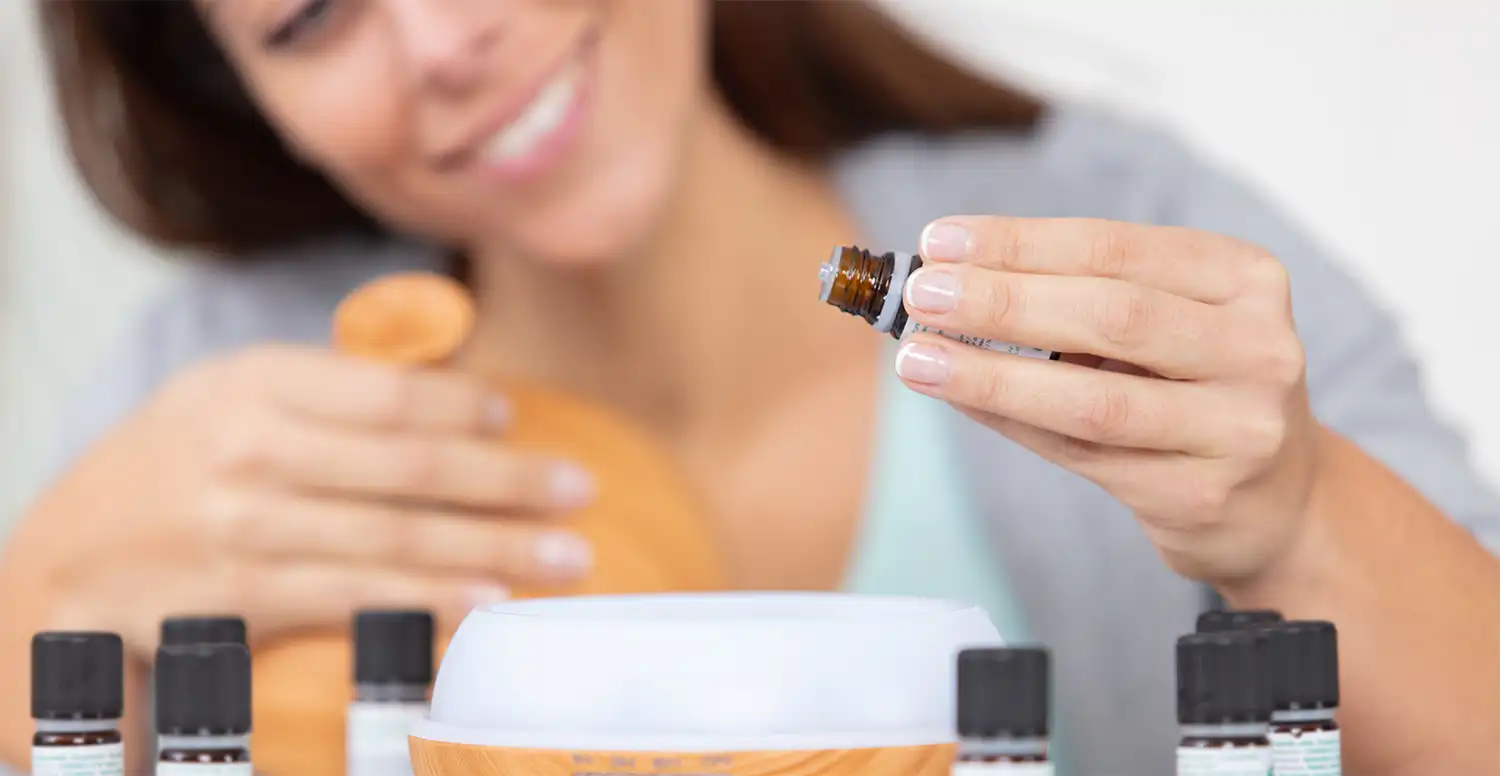
Step-by-step: How to use a diffuser for room
Follow these clear steps for reliable results.
- Place the diffuser on a flat, stable surface near the center of the room or a table.
- Fill the water reservoir to the recommended line. Use filtered or distilled water for fewer mineral deposits.
- Add 5–10 drops of essential oil to the water for most rooms. For small rooms, start with 3–4 drops.
- Replace the lid and plug in the unit. Choose a mist level and timer if available.
- Run the diffuser in cycles: 15–30 minutes on, 30 minutes off, or use the built-in intermittent setting.
- Ventilate occasionally. Open a window after long runs to refresh the air.
Practice makes perfect. I often start with 5 drops and step up if the scent is weak. Learning how to use a diffuser for room ventilation helped me avoid over-scenting and kept guests comfortable.
Safety tips and best practices
Safety protects you, family members, and pets.
- Keep diffusers away from direct sunlight, heaters, and open flames.
- Use only pure, high-quality essential oils. Some synthetic blends can irritate.
- Limit diffuser use around pets and young children. Certain oils can be harmful to animals.
- Never ingest essential oils and avoid direct skin contact with undiluted oil.
- Do not leave a diffuser running unattended for long stretches. Use a timer.
I once ran a diffuser all night in a small bedroom and woke up with a headache. That taught me to use lower doses and timers. Following safety tips will keep your experience pleasant and trouble-free.

Maintenance and cleaning
Regular cleaning keeps your diffuser working well and prevents mold or residue.
- Empty the water and oil mixture after each use.
- Wipe the reservoir with a soft cloth and a mild soap solution weekly.
- Use a cotton swab with vinegar to clean small crevices and the ultrasonic disk.
- Rinse thoroughly and dry before storing.
A routine clean after every few uses extended the life of my diffuser. Proper maintenance is key when learning how to use a diffuser for room freshness and longevity.

Blends and oils for different goals
Choose oils based on mood and function. Here are simple, safe blends.
- Sleep: Lavender 4 drops, cedarwood 2 drops.
- Focus: Peppermint 3 drops, rosemary 2 drops.
- Stress relief: Bergamot 3 drops, frankincense 2 drops.
- Freshening: Lemon 3 drops, eucalyptus 2 drops.
Always test a new blend at low strength first. When you know how to use a diffuser for room goals, you can tailor blends to match time of day and activity.
Common mistakes to avoid
Avoid these frequent errors to get better results.
- Using too much oil. More oil does not always mean better scent.
- Running the diffuser continuously in a small room.
- Skipping regular cleaning.
- Using harmful oils near pets or babies.
I learned not to overdo it after guests complained about strong scent. Keep doses low and use intermittent settings for steady aroma. Knowing how to use a diffuser for room comfort means avoiding these pitfalls.
Frequently Asked Questions of how to use a diffuser for room
How many drops should I use in a diffuser?
Start with 3–5 drops for small rooms and 5–10 drops for medium rooms. Adjust up or down based on scent strength and personal preference.
Can I leave a diffuser running all night?
It’s safer to use a timer or intermittent setting rather than running it continuously. Long runs can lead to strong scent or headaches for some people.
Is tap water okay for a diffuser?
Tap water works, but filtered or distilled water reduces mineral buildup and extends diffuser life. Clean the unit regularly to prevent residue.
Are essential oils safe for pets?
Some oils can be harmful to pets, especially cats and birds. Keep diffusers away from areas your pets frequent and consult a vet before use.
How often should I clean my diffuser?
Clean after every few uses and do a deep clean weekly if you use it often. Regular cleaning prevents mold, residue, and damage.
Can I mix any essential oils together?
Most oils blend well, but start with small combinations and test at low strength. Avoid mixing too many oils at once to keep the scent balanced.
Which diffuser type is best for large rooms?
Nebulizing diffusers give a stronger scent without water and are best for large, open spaces. Ultrasonic units work well for moderate-sized rooms.
Conclusion
You can get consistent, pleasant results when you learn how to use a diffuser for room scent, mood, and comfort. Use the right diffuser type, add 3–10 drops of oil depending on room size, run intermittent cycles, and clean the unit regularly. Start small, monitor how you and others react, and keep safety top of mind around children and pets. Try a simple lavender blend tonight or experiment with a focus mix for your workspace. If you found this helpful, subscribe, share your favorite blend in the comments, or try these steps and report back with your results.