

A microwave oven can be used for fixation because it speeds fixative penetration and shortens processing time.
I have worked with tissue fixation and microwave-assisted protocols in lab and clinical settings. This article explains why a microwave oven can be used for fixation because it boosts diffusion, controls temperature, and often improves morphology and antigen preservation. Read on for practical tips, safe protocols, and real-world lessons from my experience.

How microwave fixation works
Microwave energy heats water molecules in tissue. That heat raises molecular motion. Increased motion speeds the movement of fixative into cells. Faster diffusion means quicker cross-linking by formaldehyde or other fixatives. That is why a microwave oven can be used for fixation because it shortens fixation time and reduces autolysis.
Microwave heating can be uniform when cycles and power are controlled. Uncontrolled heating causes hot spots and damage. Many labs use clinical microwaves built for lab work to avoid risks. That balance of heat and time is the key to reliable results.
Benefits of using a microwave oven for fixation
Using a microwave oven can be used for fixation because it offers clear lab advantages:
- Faster fixation and reduced wait time. This helps when quick processing is needed.
- Better preservation of cellular detail for many tissues. Results often show crisp morphology.
- Improved antigen preservation for immunostaining in some cases. This aids antibody binding.
- Lower chance of autolysis in delicate samples due to shorter exposure before fixation.
- Energy and reagent savings when protocols are optimized and shorter.
These benefits explain why many researchers adopt microwave-assisted fixation in routine workflows.
Practical protocols and tips
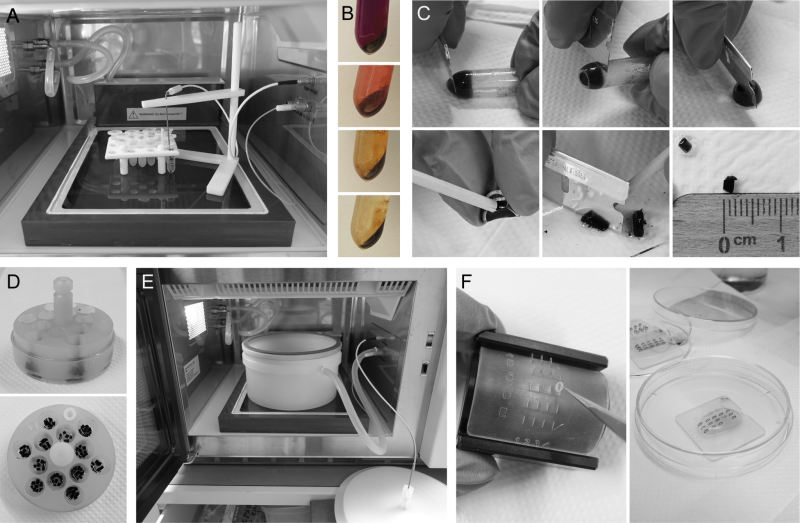
A microwave oven can be used for fixation because protocols exist to control heat and timing. Use these practical tips to keep results consistent:
- Equipment choice: Use a lab-safe microwave when possible. If you must use a domestic oven, validate carefully and avoid biological hazards.
- Fixative choice: Common fixatives include 4% paraformaldehyde or 10% neutral buffered formalin. Choose based on downstream needs.
- Sample size: Keep tissue thickness under 5 mm for even fixation. Small blocks fix fastest.
- Volume ratio: Use at least ten times fixative volume relative to tissue volume.
- Power and cycles: Use short bursts and cooling periods. For example, run low power for 30 seconds, then pause 60 seconds, repeat in cycles while monitoring temperature. Adjust cycles for tissue type.
- Temperature control: Maintain target temperature (often 37–45°C) and avoid boiling. Use a thermometer or built-in sensors.
- Avoid metals: Do not place metal in the microwave. Metal causes sparks and uneven heating.
- Validation: Test your protocol with staining and controls before routine use. Compare results to conventional fixation.
These steps show how a microwave oven can be used for fixation because careful control turns heat into a reliable tool.

Safety, limitations, and quality control
A microwave oven can be used for fixation because it speeds processes, but safety matters. Follow these points to avoid pitfalls:
- Safety concerns: Domestic microwaves can be unsafe for biohazards. Use proper containment and ventilation.
- Uneven heating: Hot spots can cause artifacts. Use short cycles and mix or shake samples if possible.
- Overfixation risk: Excessive heat speeds cross-linking too much. This can mask antigens for immunostaining.
- Fixative compatibility: Not all fixatives respond well to rapid heating. Validate each fixative with your tissues.
- Regulatory limits: Check lab policies and biosafety rules before implementing microwave fixation.
Quality control steps include temperature logs, positive and negative tissue controls, and side-by-side comparisons with standard fixation.

Personal experience and lessons learned
I started using microwave-assisted fixation to speed workflow. Early trials overheated samples. I learned to trust short bursts and temperature checks. After adjustments, staining improved and processing time dropped.
Lessons to share:
- Start small: Test one tissue type first.
- Keep notes: Record power, time, and temperature for each run.
- Compare regularly: Run parallel conventional fixation to check quality.
- Train the team: Everyone should know safe handling and emergency steps.
These small habits made microwave fixation reliable in my work.
Frequently Asked Questions of microwave oven can be used for fixation because
Can a household microwave be used for fixation?
A household microwave can be used but is not ideal. Lab-grade microwaves give better control and safety. Validate any household method and follow biosafety rules.
Will microwave fixation damage tissue structure?
If misused, it can damage tissue. Controlled cycles and temperatures minimize artifacts. Proper validation avoids common problems.
Does microwave fixation affect antigen detection?
It can help or harm antigen detection. Short, gentle heating often preserves antigens better. Overheating may mask epitopes, so test for each antibody.
How long does microwave fixation take compared to standard methods?
Microwave fixation can reduce time from hours to minutes for many samples. Exact time depends on tissue type and protocol. Always validate with controls.
Is microwave fixation safe for hazardous fixatives?
Handle hazardous fixatives with care regardless of heating method. Microwave use may increase vapor release; use a fume hood and proper containment.
Conclusion
Microwave-assisted fixation offers speed, better preservation in many cases, and real workflow benefits when used correctly. With careful equipment choice, short cycles, and strict temperature control, a microwave oven can be used for fixation because it accelerates diffusion and improves lab throughput. Start with small tests, keep safety first, and validate results against standard methods. Try a controlled trial, document your settings, and share your findings with your team to adopt microwave fixation with confidence.
Leave a comment with your experience, subscribe for protocol updates, or explore additional resources to refine your microwave fixation workflow.