

Choose layered lighting: a central fixture, task lights, dimmers, and warm LEDs.
I have designed and tested dining rooms for years, so I know how to choose the right lighting for your dining room in a simple, practical way. This guide will walk you through clear rules, real-world tips, and easy formulas so you can pick fixtures, bulbs, and controls that make meals look and feel perfect.
Understand your room and goals
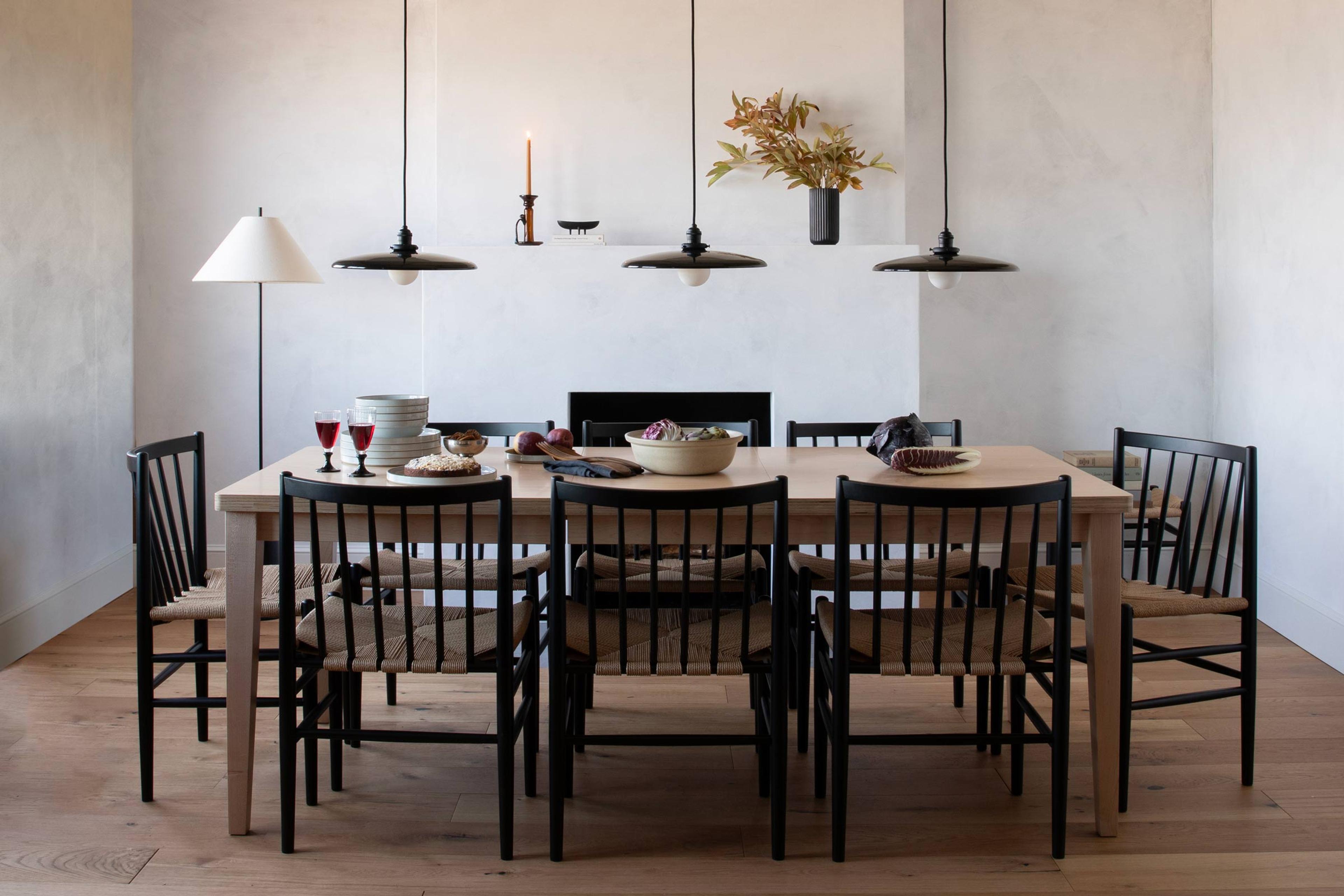
How to choose the right lighting for your dining room starts with the room itself. Measure the room size, note ceiling height, and map doorways and windows. Think about how you use the room: daily family meals, formal dinners, or a work-and-dine multipurpose space.
Decide the mood you want. Warm and cozy calls for soft, warm light. Bright and functional needs more task light. I once swapped a harsh overhead light for layered lighting and the room felt five times cozier overnight.

Layer lighting: ambient, task, and accent
Layering is the core of how to choose the right lighting for your dining room. Use three layers to get both function and mood.
- Ambient light provides overall illumination. Use recessed lights, a chandelier, or a ceiling fixture.
- Task light targets the table or buffet. Pendants or a brighter chandelier work well.
- Accent light highlights art, a wall, or architectural details. Use wall sconces or picture lights.
A layered plan gives flexibility. I recommend dimmers on ambient and task layers so you can adapt light for dinner, homework, or a party.
Pick the right fixture types
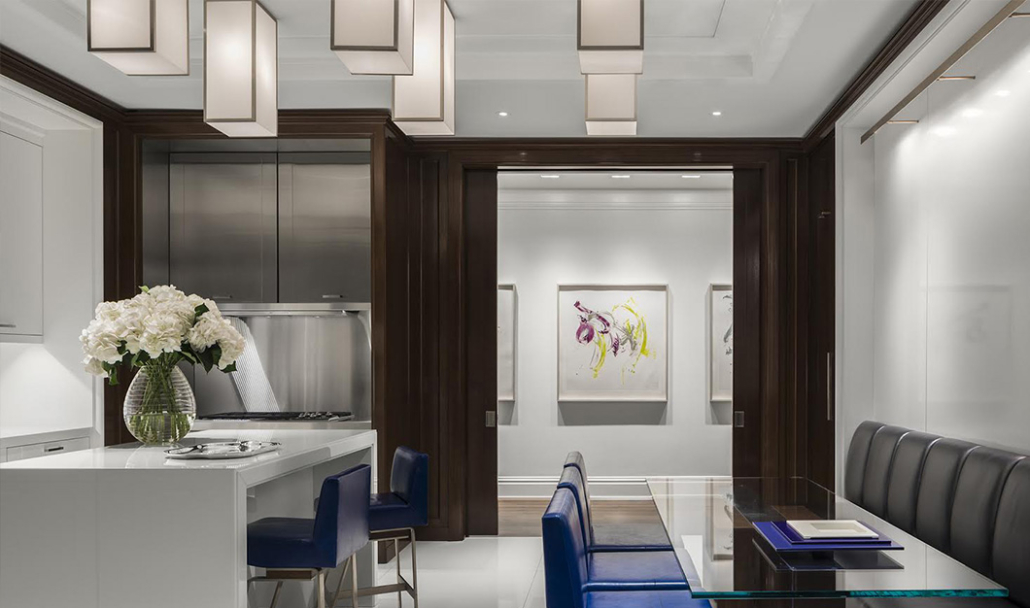
Choosing fixtures is a major step in how to choose the right lighting for your dining room. Match fixture type to style and function.
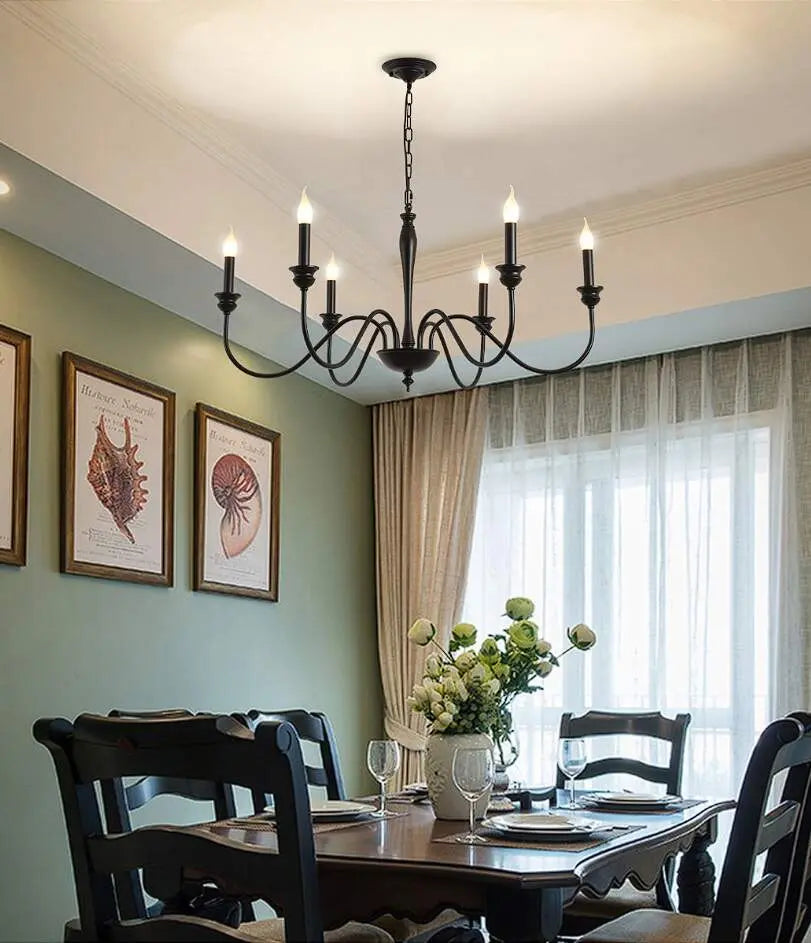
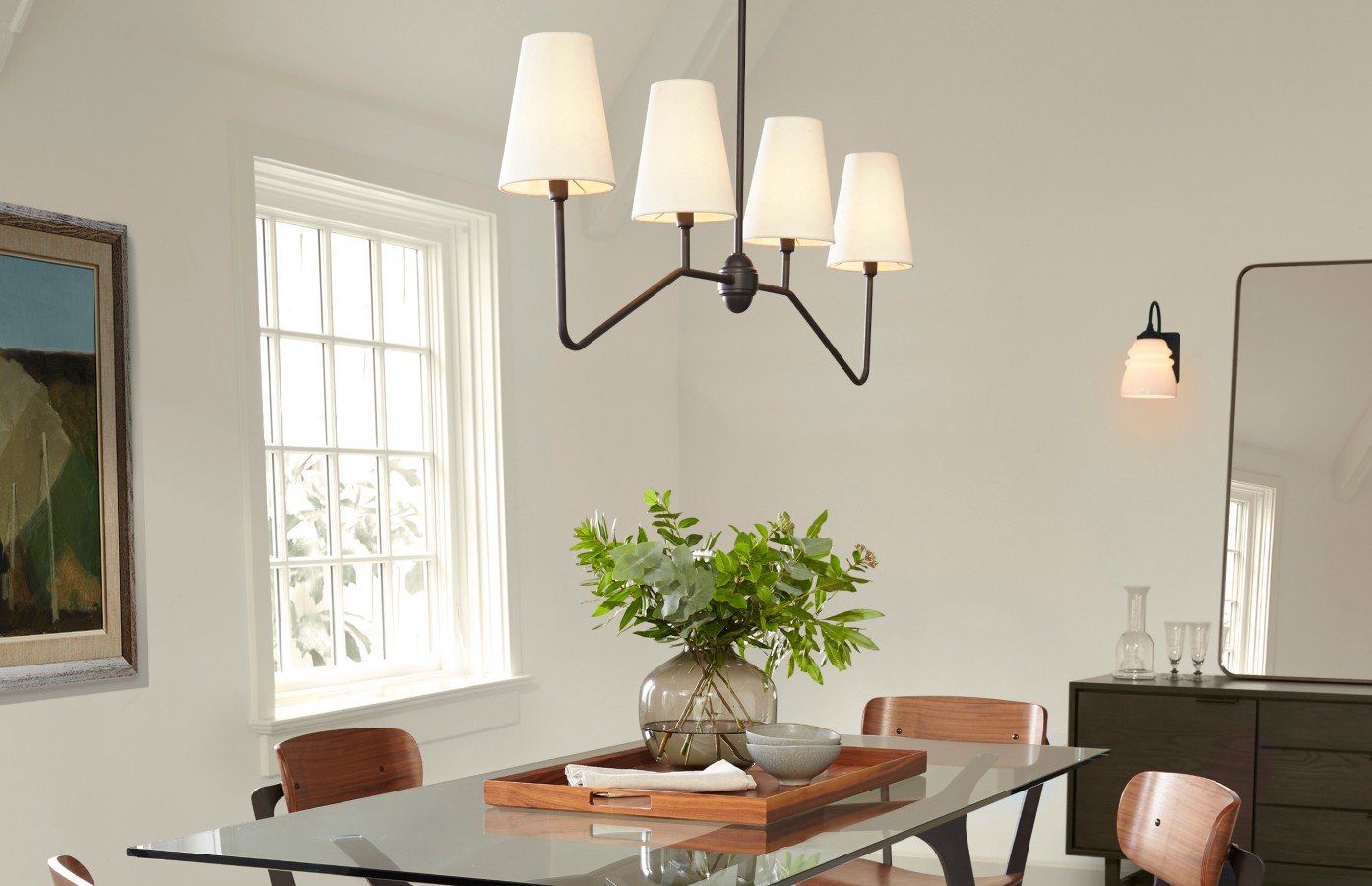
- Chandelier — Good for formal rooms and big tables. It sets the tone.
- Single pendant or multiple pendants — Great over rectangular or narrow tables.
- Recessed lights — Provide even ambient light without a visual focal point.
- Wall sconces and picture lights — Add flair and accent light for walls.
- Buffet or cabinet lighting — Useful for serving areas and display shelves.
Mixing a statement chandelier with subtle recessed lights is a tactic I use often. It balances drama and usability.

Size and placement rules
Practical rules help when deciding how to choose the right lighting for your dining room. Use simple formulas.
- For chandelier diameter: add the room length and width in feet. The sum in inches is a good chandelier diameter. Example: 12 ft + 14 ft = 26 inches.
- For hanging height: place the fixture 30–36 inches above the table for an 8-foot ceiling. Add about 3 inches for each extra foot of ceiling height.
- For multiple pendants: space fixtures evenly and allow 24–30 inches of width per pendant over the table.
I once hung a chandelier too low. It blocked sight lines. After moving it up 6 inches, the room felt open and cozy.
Choose color temperature and CRI
Color matters in how to choose the right lighting for your dining room. It affects food color and mood.
- Choose warm light, 2700–3000K, for a cozy dining feel.
- Aim for a CRI of 90 or higher to show food and fabrics accurately.
- Use consistent color temperature across layers to avoid odd color mixes.
Warm light makes food look better. High CRI bulbs reveal true colors and make the room feel richer.
Brightness and lumen targets
Lumens replace old watt rules and help with how to choose the right lighting for your dining room. Use simple lumen targets.
- General dining rooms: aim for about 30–40 lumens per square foot.
- Over the table: aim for 300–500 lumens per seat or a focused 600–1200 lumens concentrated on the table.
- Use dimmers so you can lower lumens for a relaxed meal.
I calculate lumens for each room and then pick bulbs and fixtures that meet the target. This avoids underlit or blinding setups.
Controls: dimmers and smart options
Controls are key to how to choose the right lighting for your dining room. They create mood and save energy.
- Install dimmers on main fixtures and task lights for instant mood control.
- Consider smart bulbs or switches for presets and remote control.
- Use separate circuits so you can run ambient and task lights independently.
I use preset scenes for weekday dinners and party mode. It saves time and sets the right vibe with one tap.
Style, finish, and scale
Style ties how to choose the right lighting for your dining room to your décor. Match finishes and scale to the room.
- Match fixture style to your furniture and room tone.
- Pick finish metals that pair with hardware and décor.
- Scale fixtures to the table and room size so they feel harmonious.
A modern pendant in a rustic room can work if finishes and scale match. Small details make the design feel intentional.

Bulb types and energy efficiency
Bulb choice matters for function and cost in how to choose the right lighting for your dining room.
- Use LED bulbs for long life, low heat, and energy savings.
- Look for warm-white LEDs with high CRI for best color.
- Check bulb dimming compatibility with your dimmer switch.
Switching to LEDs cut my clients’ bulb changes to once every few years. The energy savings show up on the bill.
Installation, safety, and maintenance
Good installation is part of how to choose the right lighting for your dining room. Follow basic safety steps.
- Hire a licensed electrician for new wiring or heavy fixtures.
- Use rated fixtures for damp or humid spaces.
- Clean fixtures and replace bulbs as needed to keep light quality high.
I always recommend a pro for ceiling work. It avoids hazards and keeps fixtures secure.
Budgeting and planning
Plan budget and timeline as you learn how to choose the right lighting for your dining room. Costs vary with fixture type and wiring work.
- Set a budget range and prioritize main fixtures and controls first.
- Allocate funds for electrician work and quality bulbs.
- Consider long-term savings from LEDs and dimmers.
Spending a bit more up front on good fixtures and controls often saves money later.
My personal tips and mistakes to avoid
I’ve made mistakes when helping friends choose lighting. Sharing them helps you avoid the same.
- Don’t rely on one central light. Layering beats a single light every time.
- Don’t mix color temps. It looks uneven and feels off.
- Test a fixture’s height and bulb brightness in real life before finalizing.
A mock setup with a temporary bulb can save a lot of time and regret.
Frequently Asked Questions
How high should a chandelier hang over my dining table?
Hang the bottom of the chandelier 30–36 inches above the table for an 8-foot ceiling. Add about 3 inches for each extra foot of ceiling height.
What color temperature is best for dining rooms?
Warm white in the 2700–3000K range is best for dining rooms because it creates a cozy, flattering light for food and skin tones. Avoid cool white for meals.
How many lumens do I need over a dining table?
Aim for roughly 300–500 lumens per seat or 30–40 lumens per square foot for general dining rooms. Use dimmers to adjust for mood.
Can I use recessed lights only in a dining room?
You can, but recessed lights alone may feel flat or clinical. Layer recessed ambient lights with a focal fixture or accent lights for warmth and drama.
Should dining room lights be on a dimmer?
Yes. Dimmers let you control mood and brightness for different occasions and save energy. Make sure bulbs and dimmers are compatible.
Conclusion
Choosing the right lighting for your dining room means planning, layering, and testing. Use the steps here to measure your room, pick fixtures, match color temperature, and add dimmers. Start small: pick one central fixture and add task or accent lights as you refine the look. Try settings and change one thing at a time, and you’ll create a dining space that feels right for every meal. If this helped, try one change this week—swap to warm LEDs or add a dimmer—and tell us how it looks.