

Seal, wash on high heat, or discard heavily infested pillows — then encase clean ones immediately.
If you’re wondering what to do with pillows if you have bed bugs, I’ve handled infestations in homes and apartments and will walk you through clear, safe steps. This guide explains how to inspect pillows, which ones you can clean, when to toss them, safe disposal, and how to prevent reinfestation. Read on for practical, expert-backed advice you can use today.

How to know if your pillows have bed bugs
Look for small rust-colored stains, tiny black dots, or live bugs in pillow seams. Check pillow edges, tags, and any folds with a flashlight.
Bed bug bites on your skin or blood spots on sheets can point to pillow infestation too.
Carefully unzip any removable covers and inspect inside. If you find live bugs, eggs, or many dark droppings, treat the pillow as infested.
Immediate steps to take with infested pillows
Isolate the pillow in a sealed plastic bag right away to stop spread.
Avoid shaking the pillow. That can drop eggs and bugs into the room.
Label the bag so others know it’s infested.
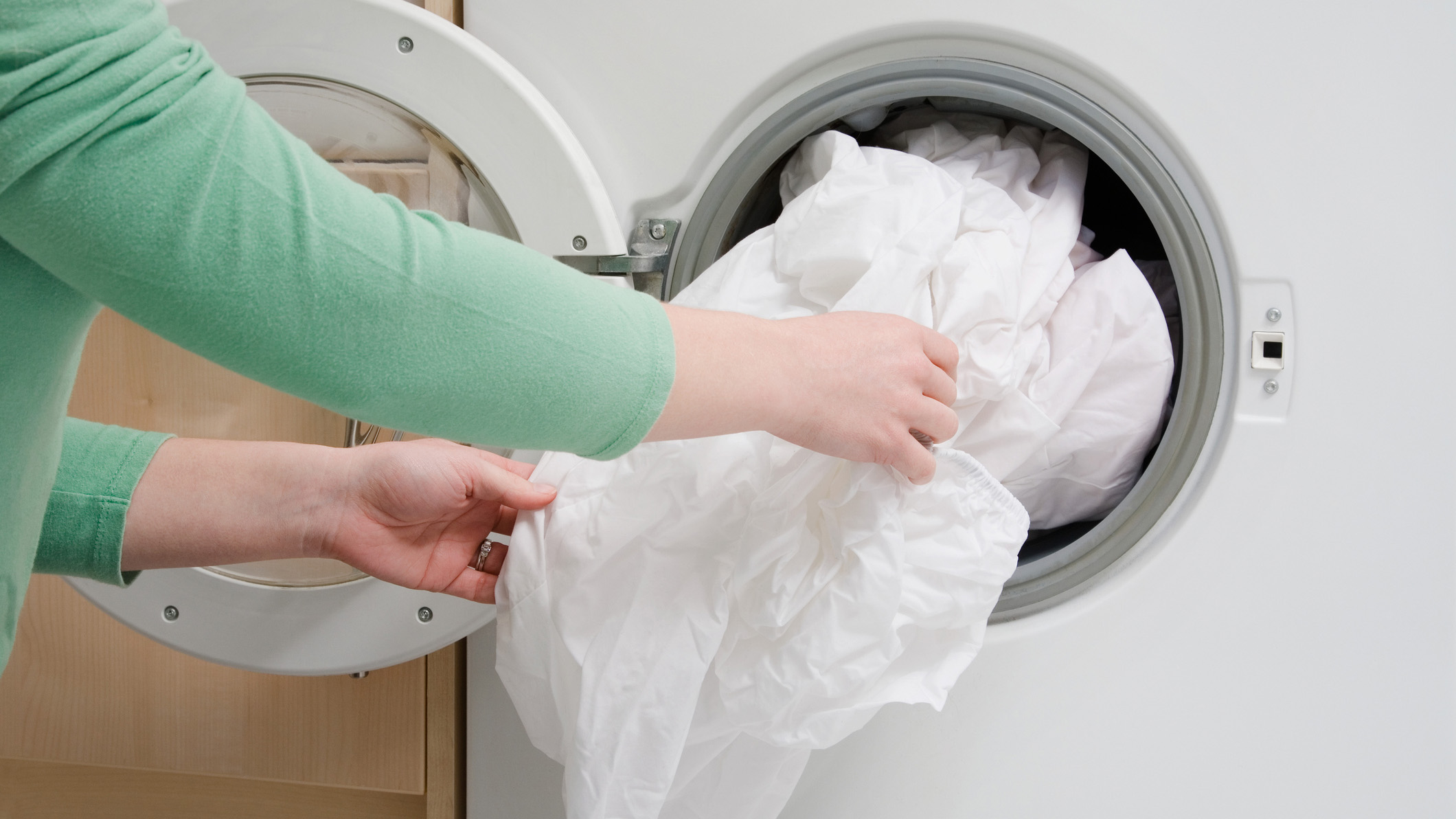
If you plan to clean the pillow, move it straight to the washer or dryer from the bag to avoid contaminating other surfaces.
If you will dispose of it, keep it sealed until it goes out with trash.

Washing and drying pillows: methods that kill bed bugs
Most fabric pillows can be washed in hot water and dried on high heat.
Use the hottest water safe for the fabric. Run a full wash and then a dryer cycle on high for at least 30 minutes. Heat in the dryer helps kill adults, nymphs, and eggs.
For non-washable pillows like some memory foam, avoid soaking. Instead, use a dryer-safe bag and run the dryer on high for 30–60 minutes if the manufacturer allows. If not, dry clean only options may be safer.
Steam cleaning can kill bed bugs on contact when the steam is very hot and applied slowly along seams and folds. Be careful not to wet the pillow excessively.

When to discard pillows and how to do it safely
Toss pillows when they are heavily infested, non-washable, or if cleaning fails to remove live bugs.
To discard safely:
- Seal the pillow in a heavy-duty plastic bag and tape it closed.
- Mark the bag “infested” so others handling trash know to avoid opening.
- Dispose of it on trash day and avoid leaving it in shared hallways or near doors.
If you must move a contaminated pillow through shared spaces, keep it sealed and covered to prevent spreading bugs.

Professional treatments and encasing pillows
Professional heat treatments raise room temperature to levels lethal to bed bugs and kill bugs in pillows without washing. Pest control pros can treat entire rooms safely.
Pillows can also be protected with bed bug–proof encasements. Use encasements rated to block even the smallest nymphs. Keep encasements on for at least a year to ensure any trapped bugs die.
Avoid pesticide sprays directly on pillows unless labeled safe for fabrics and used by a licensed technician. Chemicals can leave residues that irritate skin.

Preventing reinfestation and pillow care tips
After treatment, put pillows in sealed, bed-bug-proof encasements.
Keep bed area clutter-free and vacuum regularly. Wash pillow protectors and linens weekly in hot water and dry on high heat.
When traveling, keep pillows and luggage off hotel beds and inspect hotel rooms for signs of bed bugs.
If you buy new pillows during an infestation, unwrap them outdoors and keep them sealed in protective bags until the home is clear.
Track progress by rechecking pillows and seams weekly for several weeks after treatment.
Frequently Asked Questions of what to do with pillows if you have bed bugs
How long should I dry pillows to kill bed bugs?
Dry pillows on high heat for at least 30 minutes. Some fabrics may need longer; follow care labels and use the hottest safe setting.
Can I use a steam cleaner on pillows?
Yes, a steam cleaner at high temperature can kill bed bugs on contact. Move slowly and avoid soaking the pillow to prevent mold.
Are memory foam pillows salvageable if infested?
Memory foam is hard to wash and may trap bugs. If the manufacturer allows high-heat drying in a dryer-safe bag, try that; otherwise consider discarding sealed and labeled.
Will mattress encasements protect pillows?
Encasements protect mattresses and pillows when you put them on pillow encasements specifically made to block bed bugs. They work best as part of a full treatment plan.
Can I use pesticides on pillows?
Do not spray household pesticides directly on pillows unless the label explicitly allows it for bedding fabric. Safer options are heat, washing, vacuuming, and professional treatments.
How soon can I reuse a cleaned pillow?
You can reuse a pillow once it has been washed and dried at the proper temperature and shows no signs of live bugs. Keep it encased for extra protection.
Conclusion
Handle infested pillows with care: isolate, wash on high heat when safe, or discard and seal heavily infested or non-washable items. Use bed bug–proof encasements and consider professional heat treatments for stubborn cases. Stay diligent with inspection and cleaning to stop reinfestation. If you found this guide helpful, try the recommended cleaning steps today, subscribe for more pest-control tips, or leave a question below — I’ll respond with practical advice.