

A portable washer is a compact, movable washing machine for small spaces and on-the-go laundry.
I have spent years testing small appliances and living in tight rental spaces, so I know what matters when choosing a portable washer. This article explains what is a portable washer, how it works, its pros and cons, and practical tips to pick and care for one. Read on to get clear, expert guidance and real-world advice so you can decide if a portable washer fits your life.

What is a portable washer?
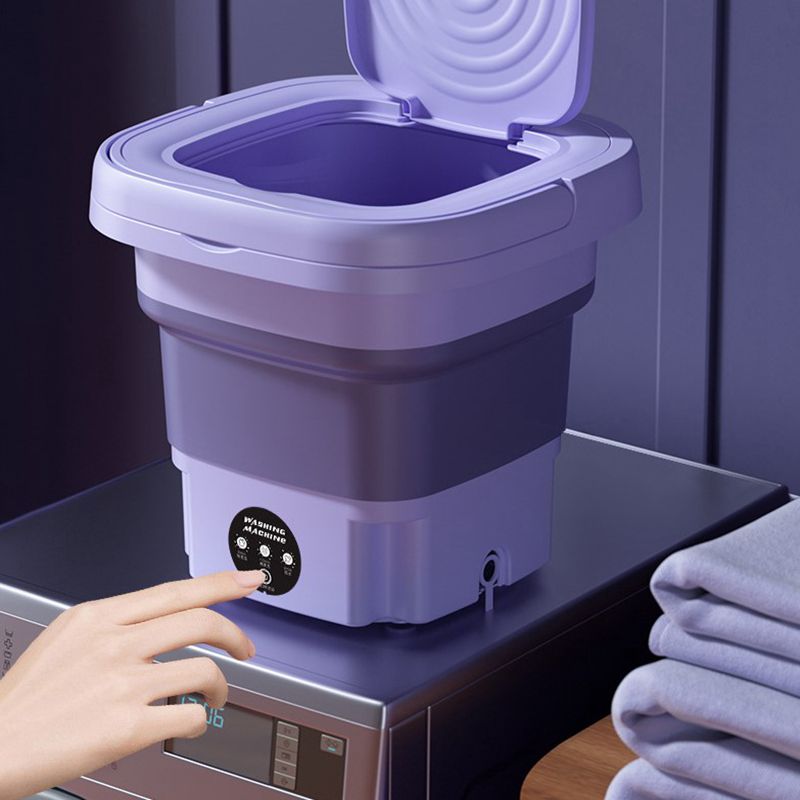
A portable washer is a small washing machine designed to move easily. It cleans clothes like a full-size washer but fits where space is tight. Many models plug into a standard outlet and attach to a kitchen or bathroom faucet. Some use gravity drain hoses that empty into a sink or tub.
Portable washers work well for apartments, RVs, dorms, and tiny homes. They come in simple top-load models, twin-tub units, and compact front-load designs. When you search for what is a portable washer, think of convenience, space savings, and light laundry loads.
Key features and common types
Portable washers share core features. Most are lightweight, use less water, and offer simple controls. Common features include spin cycles, multiple wash settings, and hoses for quick hookups.
Common types of portable washers:
- Top-load single tub: One tub that washes and spins in the same chamber.
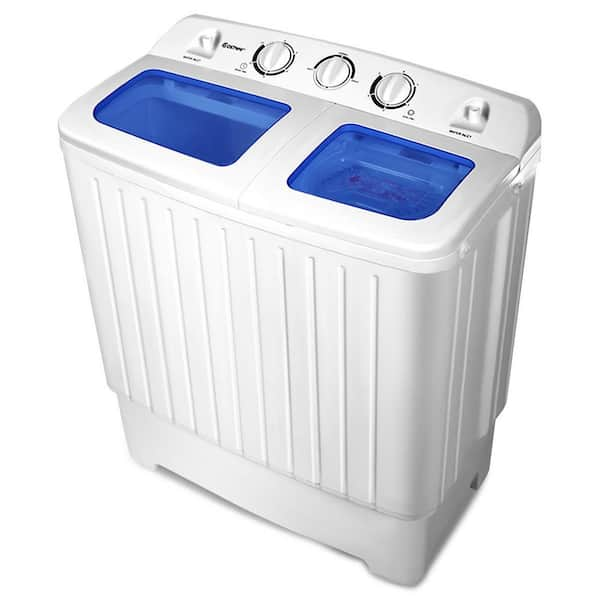
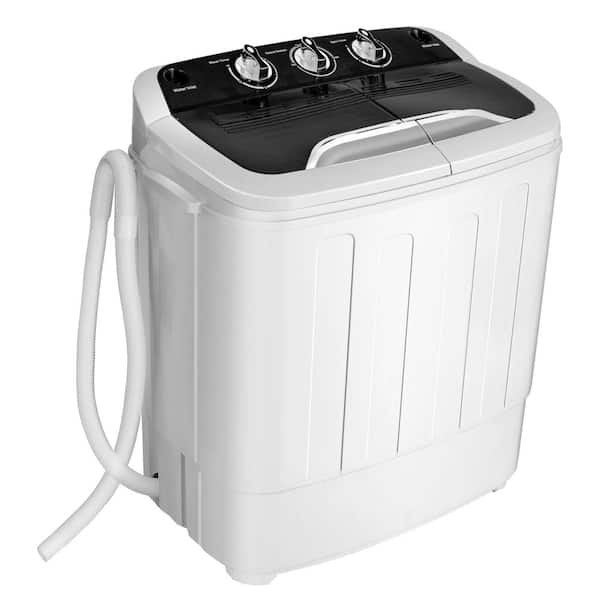
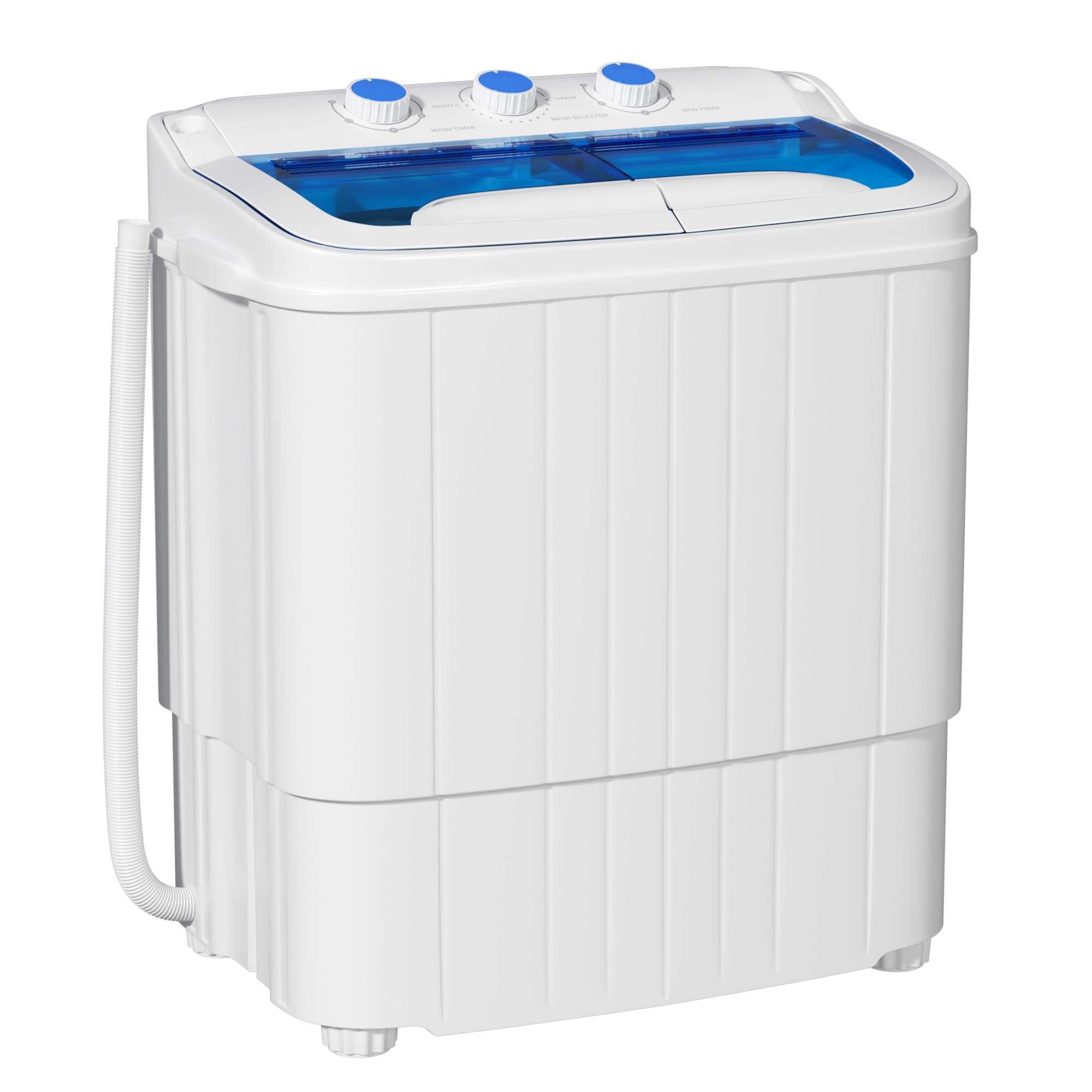
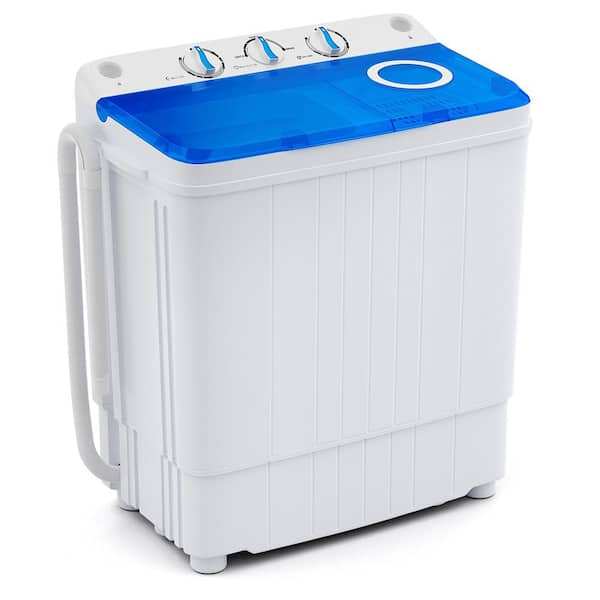
- Twin-tub: One tub washes while the other spins, often cheaper and fast.
- Compact front-load: Small, efficient, and closer to full-size performance.
- Washer-dryer combo: Small unit that washes and dries in one machine, but with limited drying capacity.
Look for the following features when evaluating models:
- Capacity measured in pounds or liters.
- Spin speed, which affects drying time.
- Hose type for faucet or sink hookup.
- Weight and wheel or handle design for mobility.
- Energy and water efficiency ratings.
How portable washers work
Portable washers use the same basic steps as full-size machines: fill, agitate, rinse, and spin. Most models draw water through a hose that connects to a faucet. Some use a built-in pump for draining; others rely on gravity.
Wash action varies by model. Agitator-based tubs move clothes through water. Drum-style models tumble clothes for gentler cleaning. Spin speeds are lower than full-size washers, so clothes may come out wetter.
Do portable washers need a special hook-up?
They usually do not. Most models connect to a standard faucet and plug into a regular outlet. Some require a drain hose placement into a sink or tub.
Will a portable washer handle heavy fabrics?
They can clean heavy items, but capacity is small. Bulky items like king-size comforters may not wash well in portable washers.

Benefits of a portable washer
Portable washers offer clear advantages for certain users. They save space and let you do laundry at home. Here are the main benefits:
- Space-saving: Fits small kitchens, bathrooms, or closets.
- Cost-effective: Lower purchase price than full-size machines.
- Convenience: No trips to the laundromat; laundry on your schedule.
- Mobility: Move it for storage or take it to a new place.
- Lower water use: Many models use less water per load.
From my experience, the biggest win was time saved. I no longer packed laundry into bags for weekend trips to the laundromat. A portable washer lets you wash small loads daily, which keeps clothes fresher.
Limitations and when to avoid one
A portable washer is practical but not perfect. Know the limitations before you buy.
- Small capacity: Not suited for large families or heavy loads.
- Longer wash times: Smaller motors can slow cycles.
- Less effective spin: Clothes often need more drying time.
- Noise and vibration: Some units can be loud on hard floors.
- Durability: Cheaper models may wear faster than full-size machines.
If you regularly wash bedding, large towels, or heavy clothes, a full-size washer or laundromat trip may be better. Also, if you need fast turnaround for many loads, portable washers can become a bottleneck.
Buying guide: what to look for
When deciding what is a portable washer for you, compare key specs. Focus on capacity, hookup type, features, and build quality. Here is a practical checklist:
- Capacity: Choose based on load size and frequency.
- Hookup method: Faucet adapter, direct plumbing, or built-in pump.
- Spin speed: Higher RPMs mean drier clothes after spin.
- Cycle options: Delicate, normal, heavy—more options add flexibility.
- Size and weight: Check dimensions and door clearance.
- Noise level: Read reviews for vibration and sound notes.
- Warranty and support: Longer warranties indicate confidence.
My top tip from hands-on use: test the faucet adapter before purchase. A secure, leak-free connection saves hours of hassle. Also, buy a model with a user-friendly drain hose—poor drainage is a common pain point I saw in cheaper units.
:max_bytes(150000):strip_icc()/spr-black-decker-small-portable-washer-rebecca-goldsmith-01-ed8f8fea202a40ceb9844e1ceab00548.jpeg)
Maintenance and care
Simple maintenance extends the life of a portable washer. Clean the tub, hoses, and filters regularly. Run a cleaning cycle with a mild cleaner every month, especially if you wash cold loads.
Maintenance checklist:
- Empty and dry the tub after use to prevent mold.
- Clean the inlet filter and drain pump filter per manual.
- Inspect hoses for cracks or leaks every three months.
- Store the unit upright and secure for transport.
- Follow winterizing steps if you store the washer in freezing conditions.
From personal experience, skipping tub drying led to an odor problem that was easy to fix once I made drying the tub a habit. Small steps prevent big issues later.
Frequently Asked Questions of what is a portable washer
What sizes do portable washers come in?
Portable washers range from very small 6-pound capacities to about 16 pounds for larger compact models. Choose size based on typical load weight and available space.
Can I hook a portable washer to any faucet?
Most portable washers use a faucet adapter that fits common sink faucets. Some models need a specific adapter, so check compatibility before buying.
Are portable washers energy efficient?
Many portable washers use less water and energy per small load compared to full-size machines, but efficiency varies by model. Look at energy and water use specs when comparing units.
How long do portable washers last?
Lifespan depends on build quality and use, but many last 3 to 7 years with proper care. Regular maintenance and following load limits extend service life.
Can a portable washer replace a laundromat?
For small households and light loads, yes. For large families or bulky items, a laundromat or full-size machine is better. Use a portable washer for daily light laundry and laundromats for heavy loads.
Do portable washers require special detergent?
No. Use standard liquid or powder detergent, but follow the maker’s recommendations for amounts to avoid excess suds. Some models work best with low-sudsing detergents.
Conclusion
A portable washer is a smart tool for people who need home laundry in small spaces or on the move. It gives convenience, saves time, and reduces trips to the laundromat, while trading off capacity and power. Use the buying checklist and maintenance tips here to pick a model that fits your needs.
Try a portable washer if you value space and convenience. Start with a small model, test hookups, and follow maintenance steps to get the best results. If this guide helped, leave a comment with your situation or subscribe for more practical appliance advice.