

Use shade, cross-ventilation, fans, insulation, and smart habits to cool rooms without AC.
I’ve spent years testing simple, low-cost ways to keep living spaces comfortable when an air conditioner isn’t an option. This guide shows practical steps and real tricks I’ve used to explain how to keep room cool without air conditioner, with clear tips you can try today and upgrades to plan for tomorrow. Read on to get goal-focused advice that saves energy, time, and money.
 display: block; margin: 0 auto;”
loading=”lazy”
/>
Why cool a room without an air conditioner
Cooling without AC saves money, cuts energy use, and reduces noise. Learning how to keep room cool without air conditioner helps you stay comfortable during power limits, travel, or mild heat waves. I’ll explain simple science behind heat, sun, and airflow so you can choose the right solutions for your space. These basics make the rest of the tips work better and last longer.

Fast, same-day fixes that really help
Use these quick moves when it’s hot now.
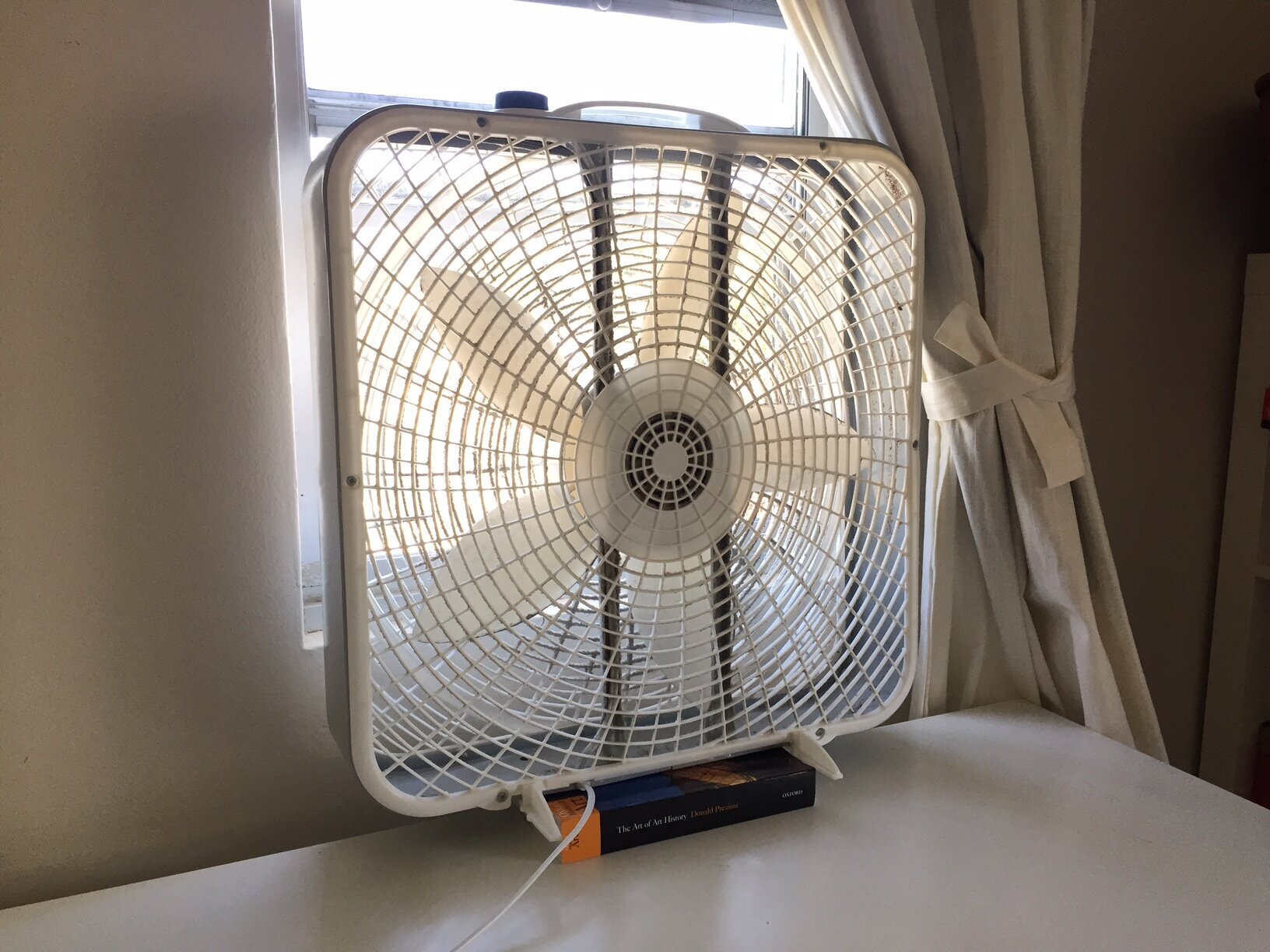
- Place fans to create cross-breezes: Put one fan facing out on a warm side and another facing in on the cool side to push hot air out. This setup is a core tip for how to keep room cool without air conditioner.
- Make a DIY cooler: Put a shallow pan of ice or frozen bottles in front of a fan to move cooler air into the room. I used this trick on a camping trip and it cut the perceived heat by a lot.
- Block sun where it hits: Close blinds or hang a thick sheet on sunny windows during peak hours to stop heat gain fast.
Use these fast fixes together for the best short-term relief.
Prep your room: windows, doors, and insulation
Small sealing and shade changes reduce the heat that gets in.
- Seal gaps around windows and doors with weatherstripping or simple tape to stop warm air leaks. That step is crucial when practicing how to keep room cool without air conditioner.
- Use thermal curtains or blackout shades to reflect sun and lower room temperature by several degrees.
- Add a reflective film or light-colored window film to reduce solar heat gain without blocking light. These simple changes pay off quickly.

Smart ventilation and airflow strategies
Moving air changes how warm a room feels more than lowering temperature alone.
- Open windows at night and early morning to flush out hot air and cool the room naturally. Night flushing is one of the best long-term tactics to learn how to keep room cool without air conditioner.
- Create a cross breeze by opening windows on opposite sides of the room or house. Even small shifts in fan placement can improve airflow.
- Use exhaust fans in kitchens and bathrooms to pull hot, humid air out during and after cooking or showers.

Low-cost DIY builds and upgrades
You don’t need to be a pro to make effective cooling projects.
- Make a simple evaporative cooler by placing a wet towel in front of a fan. This works best in dry climates and can teach you how to keep room cool without air conditioner in low-humidity areas.
- Paint the room’s roof-facing walls a lighter color and add reflective roof coating to reduce absorbed heat. These upgrades help over months and years.
- Build exterior shade: install a removable awning or plant fast-growing vines on a trellis outside a sunny window to cut heat before it reaches glass.
Long-term changes that lower heat year-round
Investing in a few big items keeps rooms cooler and saves money over time.
- Improve attic and wall insulation to reduce heat transfer into living spaces. Proper insulation is one of the strongest long-term ways to know how to keep room cool without air conditioner.
- Add exterior shading like pergolas, deep overhangs, or deciduous trees that block summer sun and allow winter light.
- Upgrade to efficient windows or add storm windows for better thermal control. These steps reduce the need for active cooling.

Daily habits and lifestyle tips that matter
Small behavior changes make a big difference every day.
- Avoid oven or stove cooking during the hottest part of the day. Choose no-cook meals or grill outside to reduce indoor heat buildup.
- Switch to breathable bedding and wear light clothing indoors to feel cooler without changing room temperature.
- Stay hydrated and use cool compresses when needed; personal cooling can reduce how much room cooling you need and helps you practice how to keep room cool without air conditioner with minimal effort.
My real-life experience and mistakes to avoid
I learned many tips the hard way. Simple fixes often work best when combined.
- Mistake: I once relied only on fans with closed windows; that simply recirculated hot air. Opening windows at night and using fans right fixes that error.
- Success: Adding reflective film and blackout curtains cut afternoon heat in my bedroom by several degrees. This made nights far easier without AC.
- Tip: Start with low-cost steps, track results, and then invest in bigger upgrades if needed.
Frequently Asked Questions of how to keep room cool without air conditioner
Will fans cool a room like an air conditioner?
Fans do not lower air temperature much, but they increase air movement to make people feel cooler. Proper fan placement and cross-ventilation can greatly improve comfort without AC.
Is it worth sealing windows and doors for cooling?
Yes. Sealing gaps stops hot air from entering and cool air from escaping, which boosts all passive cooling methods. It’s low-cost and effective.
Can plants help cool a room?
Plants provide small cooling through shade and transpiration, especially near windows or on balconies. They help but should be combined with other cooling strategies for real impact.
Does painting the roof white really reduce heat?
Yes, reflective roof coatings lower absorbed heat and can reduce indoor temperatures over time. This is a long-term upgrade that saves energy and improves comfort.
Are DIY evaporative coolers effective?
They work best in dry climates and can noticeably lower perceived heat. In humid places, their effect is limited, so use fans and ventilation instead.
Conclusion
You can stay comfortable without an air conditioner by using shade, airflow, insulation, smart habits, and a few DIY projects. Start with low-cost fixes like sealing gaps, using fans for cross-breeze, and blocking direct sun, then move to long-term upgrades like better insulation or reflective surfaces. Try one new tip this week and track how it feels, and share your results or questions below — I’d love to hear what worked for you.