

Use a simple threaded adapter to attach a shower head to a garden hose quickly and securely.
I’ve spent years tinkering with outdoor showers, camping setups, and quick rinse stations, so I know how to connect a shower head to a garden hose the right way. This guide walks you through tools, parts, step-by-step instructions, common problems, safety tips, and pro tricks from real hands-on experience so you can get a reliable setup fast.
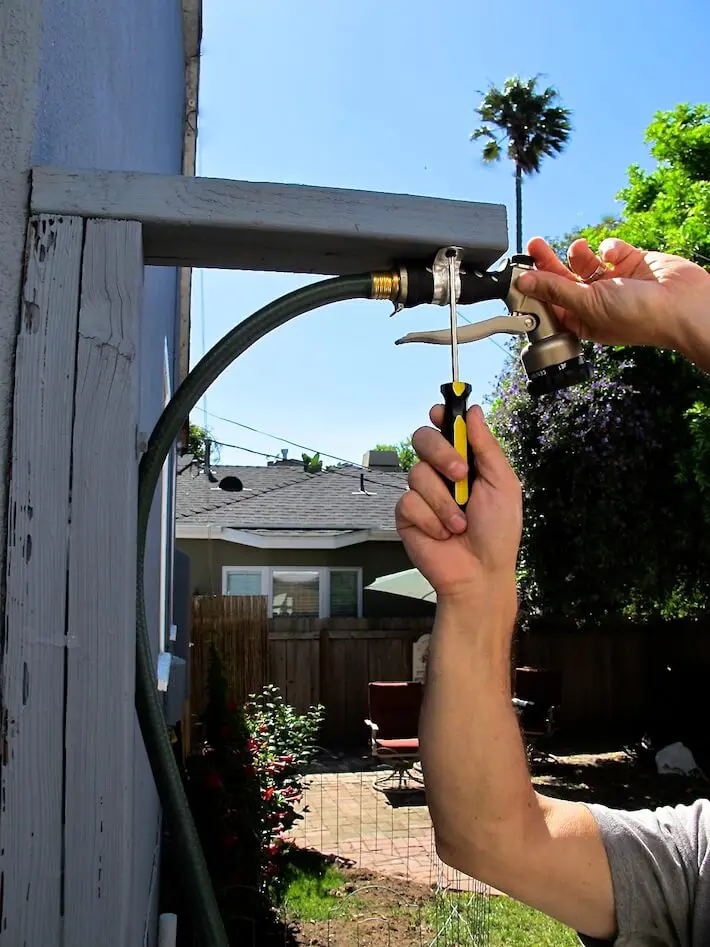
Tools and materials you’ll need
Before you start, gather these parts and tools. Having everything ready keeps the work short and clean.
- Garden hose with a standard female end
- Shower head, preferably a handheld model with removable fittings
- Adapter that converts 3/4" garden hose thread (GHT) to 1/2" NPT plumbing thread
- Hose washer or rubber gasket to prevent leaks
- Plumber’s tape (Teflon tape)
- Adjustable wrench or pliers with cloth to protect finish
- Small screwdriver and utility knife for minor adjustments
I once tried a makeshift fit with tape only and ended up with a slow leak. Buying the proper GHT to 1/2" NPT adapter saved me time and water. If you are unsure about thread sizes, take the shower head to a hardware store and match it with adapter threads.

Step-by-step: how to connect a shower head to a garden hose
Follow these short, clear steps to attach a shower head to a garden hose. Keep each step slow and steady.
-
Turn off the water supply.
- Close the outdoor faucet or indoor shutoff if you are tapping into indoor piping.
- Open the hose end to relieve any pressure.
-
Inspect the shower head and hose ends.
- Check threads and measure if needed. Garden hoses use 3/4" GHT. Most shower fittings use 1/2" NPT.
- Remove old washers or debris.
-
Fit the correct adapter.
- Wrap the adapter’s plumbing threads with plumber’s tape. Wrap clockwise so tape doesn’t unravel while you screw it on.
- Screw the adapter into the shower head or hose end by hand until snug.
-
Add a hose washer or gasket.
- Place a new rubber washer inside the hose female end or inside the adapter if required.
- This seal cuts most leaks.
-
Tighten carefully.
- Use an adjustable wrench to tighten less than a quarter turn past hand tight. Protect the finish with a cloth.
- Avoid overtightening to prevent thread damage.
-
Test for leaks and adjust.
- Turn the water on slowly and look for drips. Tighten a little more if needed.
- If leaks persist, remove, add tape, reinstall, and test again.
I once overtightened an adapter and stripped the threads on a cheap shower head. That cost me a replacement. Take your time and test with low pressure first.

Choosing the right shower head and hose adapter
Picking the correct parts makes all the difference. Match threads, check flow, and choose durable materials.
- Thread compatibility: Verify you need a 3/4" garden hose thread to 1/2" NPT adapter. Some hoses or fixtures use metric or unique sizes.
- Adapter types: Choose a solid brass or stainless-steel adapter for longevity. Plastic adapters work but wear out faster.
- Shower head style: Handheld shower heads are easiest to adapt. Fixed wall heads may need an adapter plus a short hose or coupling.
- Quick-connect options: If you want frequent swaps, look for quick-connect fittings designed for garden hoses and accessories.
- Flow and pressure: Garden hoses and outdoor spigots often have higher flow than indoor shower valves. Pick a shower head that handles higher flow or install a flow restrictor.
My go-to is a brass adapter and a compact handheld shower head. It lasts for years and handles outdoor water pressure well.

Common problems and fixes
You may hit a few snags. Here are common issues and quick fixes to solve them without stress.
- Leaks at the connection
- Use a new rubber washer and fresh plumber’s tape. Hand-tighten, then give a small wrench turn.
- Thread mismatch
- Double-check thread sizes. If standard adapters don’t fit, bring one fitting to a hardware store for a match.
- Low water pressure
- Check for clogged aerators or shower head screens. Remove mineral build-up with vinegar soak.
- Backflow or contamination risk
- Install an anti-siphon vacuum breaker if you plan to connect to potable water. This prevents garden hose backflow into your water supply.
- Overtightened or stripped threads
- Replace damaged parts and use gentle tightening. Use an adapter with softer sealing surfaces when possible.
From my experience, most leaks come from old washers. Replacing that small rubber ring usually fixes 80% of problems.

Safety, code, and water conservation tips
Think about safety and local rules before you install anything. Small steps keep you legal and safe.
- Check local plumbing codes: Some areas require anti-siphon devices for outdoor hoses tied to potable water. Confirm before permanent installs.
- Prevent backflow: Use a vacuum breaker or backflow preventer on outdoor taps to protect your home water supply.
- Mind hot water: If connecting to a hot-water source, test temperature carefully to avoid scalds. Use a mixing valve if needed.
- Conserve water: Use a low-flow shower head and shutoff valve to cut waste. A handheld pause valve helps when lathering or rinsing less often.
- Outdoor durability: Use UV-resistant materials and store the shower head indoors during freezing weather to avoid damage.
I learned to add a simple vacuum breaker early on. It gave me peace of mind and avoided a costly cross-contamination problem in a community garden shower unit.

Frequently Asked Questions of how to connect a shower head to a garden hose
What adapter do I need to connect a shower head to a garden hose?
Most setups need a 3/4" garden hose thread to 1/2" NPT adapter. Match the exact thread sizes on your hose and shower head to be sure.
Can any shower head connect to a garden hose?
Not any shower head will fit directly. Handheld shower heads are easiest to adapt, while fixed heads often need an extra coupling or hose.
How do I stop leaks when I connect a shower head to a garden hose?
Use a new rubber washer and wrap the threaded adapter with plumber’s tape. Hand-tighten, then use a wrench for a small final turn to seal the joint.
Is it safe to use hot water with a garden hose connection?
Be cautious. Garden hoses and some adapters are not rated for high hot-water temperatures, so test slowly and consider a mixing valve for scald protection.
Do I need a backflow preventer when I connect a shower head to a garden hose?
Yes, using an anti-siphon or vacuum breaker is wise to prevent water from flowing back into your potable supply. Some local codes require one for outdoor hose connections.
Will water pressure change when I connect a shower head to a garden hose?
Pressure can change based on hose diameter and faucet flow. Long or thin hoses reduce flow and pressure; use a short, wide hose for best shower performance.
Conclusion
You now have clear, practical steps to connect a shower head to a garden hose safely and reliably. Start by matching threads and getting a solid adapter, use plumber’s tape and a good washer, and test for leaks with low pressure. Try the setup first for a short time and tweak as needed. If you liked this guide, try it yourself, share your setup photos, or leave a comment with questions — I’ll help troubleshoot.