

Choose a medium-firm 2–3 inch memory foam or latex queen topper for back pain.
I’ve spent years testing sleep gear and helping people ease aches at night. This guide on How to Choose Queen Mattress Topper for Back Pain breaks down what matters. You’ll get clear steps, practical tips, and a simple checklist so you can pick a topper that supports your spine and improves sleep.

Why a queen mattress topper can help with back pain
A good topper adds targeted support and pressure relief without replacing the mattress. It can fill gaps under your hips and shoulders. It can also change how your spine aligns while you sleep.
How to Choose Queen Mattress Topper for Back Pain starts with knowing what your body needs. A topper can be a quick, cost-effective fix if your mattress is firm but not supportive, or too soft and sagging. Clinical findings and user reports show that small changes in support can reduce morning pain for many people.

Key features to evaluate when choosing a topper
When you learn How to Choose Queen Mattress Topper for Back Pain, focus on these features. Keep each factor in mind as you compare models.
- Material: Choose a material that matches your pain type and sleeping style. Memory foam, latex, gel, and fiber each feel different.
- Firmness: Aim for medium-firm for most lower back pain. Side sleepers may want softer top layers over a firmer core.
- Thickness: 2–3 inches usually adds contour without hurting alignment. Heavy sleepers may need 3 inches or more.
- Density and support: Higher density foam offers lasting support. Low-density foam may sag quickly.
- Temperature control: If you sleep hot, pick gel-infused foam or breathable latex.
- Durability and warranty: Look for long warranties and good user feedback on sagging.
- Certifications: Certifications for low VOCs and safe materials reduce chemical exposure.
How to Choose Queen Mattress Topper for Back Pain means weighing these features against your budget and needs.

Best materials for back pain: pros and cons
Material choice is central when deciding How to Choose Queen Mattress Topper for Back Pain. Each material solves different problems.
- Memory foam: Provides strong contouring and pressure relief. Great for lower back pain and alignment. Can trap heat unless gel-infused or ventilated.
- Natural latex: Springs back faster than foam and offers firm support with breathability. Good for people who want lift and responsiveness.
- Gel foam: Adds cooling to memory foam. Best for hot sleepers who need contouring.
- Feather and down: Soft and plush but offers minimal real support. Not ideal for people with chronic back pain.
- Polyester fiber and quilted toppers: Affordable and breathable but often lack long-term support.
- Zoned or layered toppers: Combine firm cores with soft tops to balance support and comfort.
How to Choose Queen Mattress Topper for Back Pain often narrows to memory foam or latex for lasting support and alignment.

Firmness, thickness, and sleeping position guide
Match topper specs to your sleep style. This is a core step in How to Choose Queen Mattress Topper for Back Pain.
- Back sleepers: Medium-firm 2–3 inch toppers give support under the lower back while allowing shoulder movement.
- Side sleepers: Slightly softer top layers over a firm base help relieve shoulder and hip pressure. 2–3 inches is common.
- Stomach sleepers: Firmer toppers and thinner profiles (1–2 inches) keep hips from sinking and avoid arching the lower back.
- Combination sleepers: Look for responsive latex or hybrid designs that move with you.
Weight matters too. Lighter sleepers feel firmer toppers. Heavier sleepers need thicker or denser options to prevent bottoming out. Try to visualize how the topper will change feel on your queen mattress before buying.
Fit, size, and compatibility with queen mattresses
Choosing the correct size and fit is practical and important for comfort and safety. How to Choose Queen Mattress Topper for Back Pain includes checking these fit details.
- Exact queen size: Make sure the topper is made for queen beds to avoid overhang and shifting.
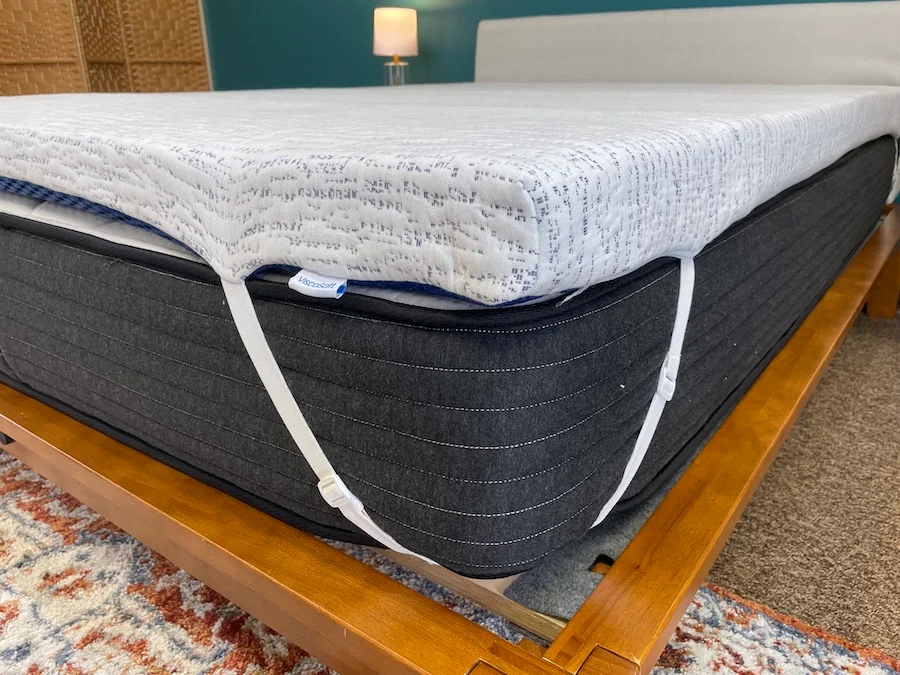
- Mattress depth: Deep-pocket keepers or straps help toppers stay put on thicker mattresses.
- Bed accessories: A new fitted sheet may be needed if the topper adds height.
- Bed frames and adjustable bases: Confirm the topper flexes with adjustable bases without sliding.
A topper that fits well stays in place all night. That reduces the chance of awkward folding or gaps that undermine back support.
Trial, certification, and warranty considerations
Buying smart reduces risk. Learn How to Choose Queen Mattress Topper for Back Pain by checking return policies and safety labels.
- Trial periods: Prefer toppers with a trial or easy returns so you can test them at home.
- Warranty length: Longer warranties often mean better build quality.
- Material safety: Look for CertiPUR-US or similar certifications that indicate low VOC foam and fewer chemicals.
- Independent testing: Third-party lab tests on durability and off-gassing are a plus.
If a seller offers no returns or a short warranty, be cautious. Back pain improvements can take a few nights to show up, so testing matters.
Maintenance, care, and longevity tips
A topper is an investment. Proper care helps it last and keep supporting your back.
- Rotate regularly: Flip or rotate if the topper is double-sided or as the maker suggests.
- Use a protector: Waterproof and breathable protectors guard against spills and sweat.
- Clean per instructions: Most foam toppers need spot cleaning only. Avoid soaking.
- Watch for sagging: Replace a topper that develops permanent body impressions or loses support.
Learning How to Choose Queen Mattress Topper for Back Pain also means knowing how to keep it working for years.

Personal experience and practical buying checklist
I’ve tried multiple toppers on queen beds while helping friends with back pain. One memory foam topper eased my low-back stiffness in two weeks. Another latex topper failed after a year because it was too soft for my weight. Those tests taught me key lessons you can use.
- Test in-store if possible and sleep at least a few nights at home.
- Prioritize support over plush feel for back pain relief.
- Ask about trial length and return shipping costs.
- Choose trusted brands with clear specs on density and thickness.
- Use a protector and follow care directions to extend lifespan.
How to Choose Queen Mattress Topper for Back Pain becomes simple when you use this checklist. Follow it to avoid common mistakes and get faster relief.

Frequently Asked Questions of How to Choose Queen Mattress Topper for Back Pain
Will a mattress topper fix back pain on a queen bed?
A topper can reduce back pain for many people by improving support and pressure relief. It helps most when the mattress is slightly too soft or worn.
What thickness topper is best for back pain?
Most people find 2–3 inches helpful. Heavier sleepers may prefer 3 inches or more for better support and to avoid bottoming out.
Should I choose memory foam or latex for lower back pain?
Memory foam contours well and relieves pressure. Latex is firmer and more responsive. Both can help; choose based on sleep temperature and feel.
How firm should a queen topper be for side sleepers?
Side sleepers often need a softer top layer over firm support. Aim for medium-soft to medium-firm, balancing cushion and spine alignment.
How long before I know a topper helps my back pain?
Give it 2–4 weeks. Your body needs time to adapt and for inflammation to ease. If pain persists, consult a healthcare professional.
Conclusion
Choosing the right topper is a smart, low-cost step to ease back pain and improve sleep. Focus on the right material, proper firmness and thickness, a good fit for your queen mattress, and trial or warranty options. Test at home, protect your purchase, and replace a topper that sags. Take action now: use the checklist, try a topper with a solid trial, and track your sleep and pain over a few weeks. Leave a comment about your experience or subscribe for more mattress and sleep tips.