

Choose a unit rated about 20 BTU per square foot, adjusted for sun, ceiling height, and use.
I’ve helped dozens of homeowners and renters pick window units. I know the tests, rules of thumb, and real-world trade-offs for how big of a window air conditioner do i need. Read on for clear steps, examples, and tips so you buy the right size and avoid noise, high bills, or weak cooling.
How big of a window air conditioner do i need: how sizing works
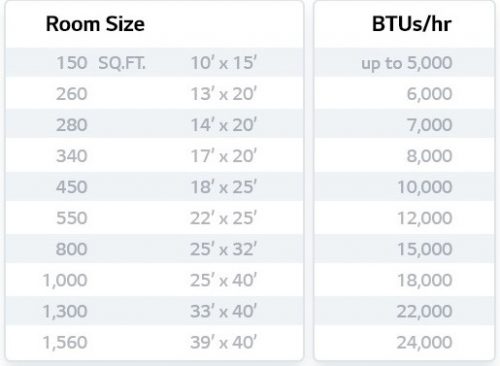
Sizing a window AC means picking the right BTU output for your room. BTU is how much heat an AC can remove per hour. The common rule is about 20 BTU per square foot for normal rooms. But you must tweak that number for sun, ceiling height, number of people, and heat from appliances.
How big of a window air conditioner do i need depends on room area, exposure, and use. I use this simple plan with clients to get strong results every time. Follow the steps below and the math will be easy and accurate.
Step-by-step BTU calculation: find the right size
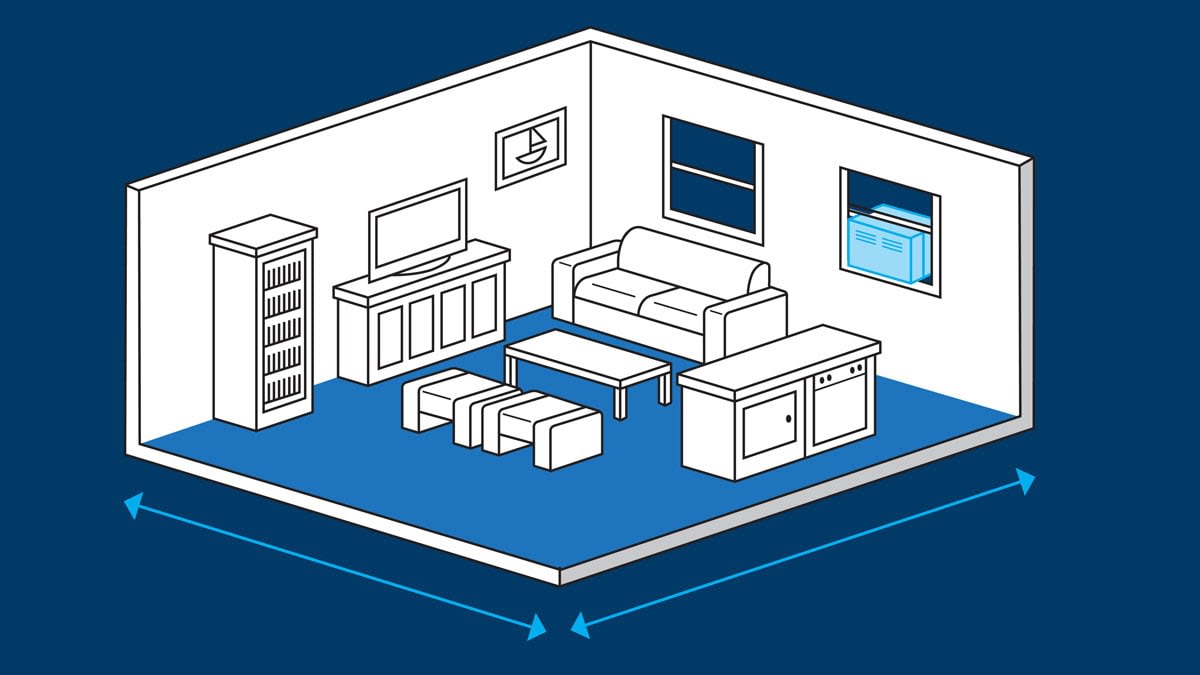
- Measure the room
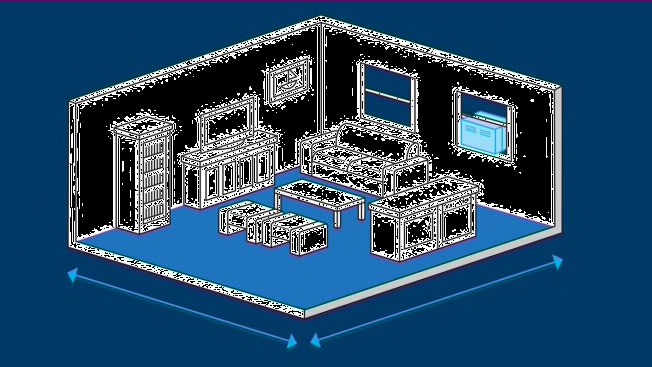
- Measure the length and width in feet. Multiply to get square feet.
- Example: 12 ft by 14 ft = 168 sq ft.
- Use the base rule
- Multiply square feet by 20 BTU per sq ft.
- Example: 168 sq ft × 20 = 3,360 BTU. Round to nearest standard size (3500–4000 BTU).
- Adjust for sun and shade
- If the room gets strong sun, add 10%.
- If shaded or always cool, subtract 10%.
- Adjust for high ceilings
- If ceiling is over 8 ft, add 10% to 20% depending on height.
- Adjust for occupants and appliances
- Add 600 BTU for each extra person beyond two.
- Add 4,000 BTU if it’s a kitchen or near heavy cooking.
- Pick a standard model
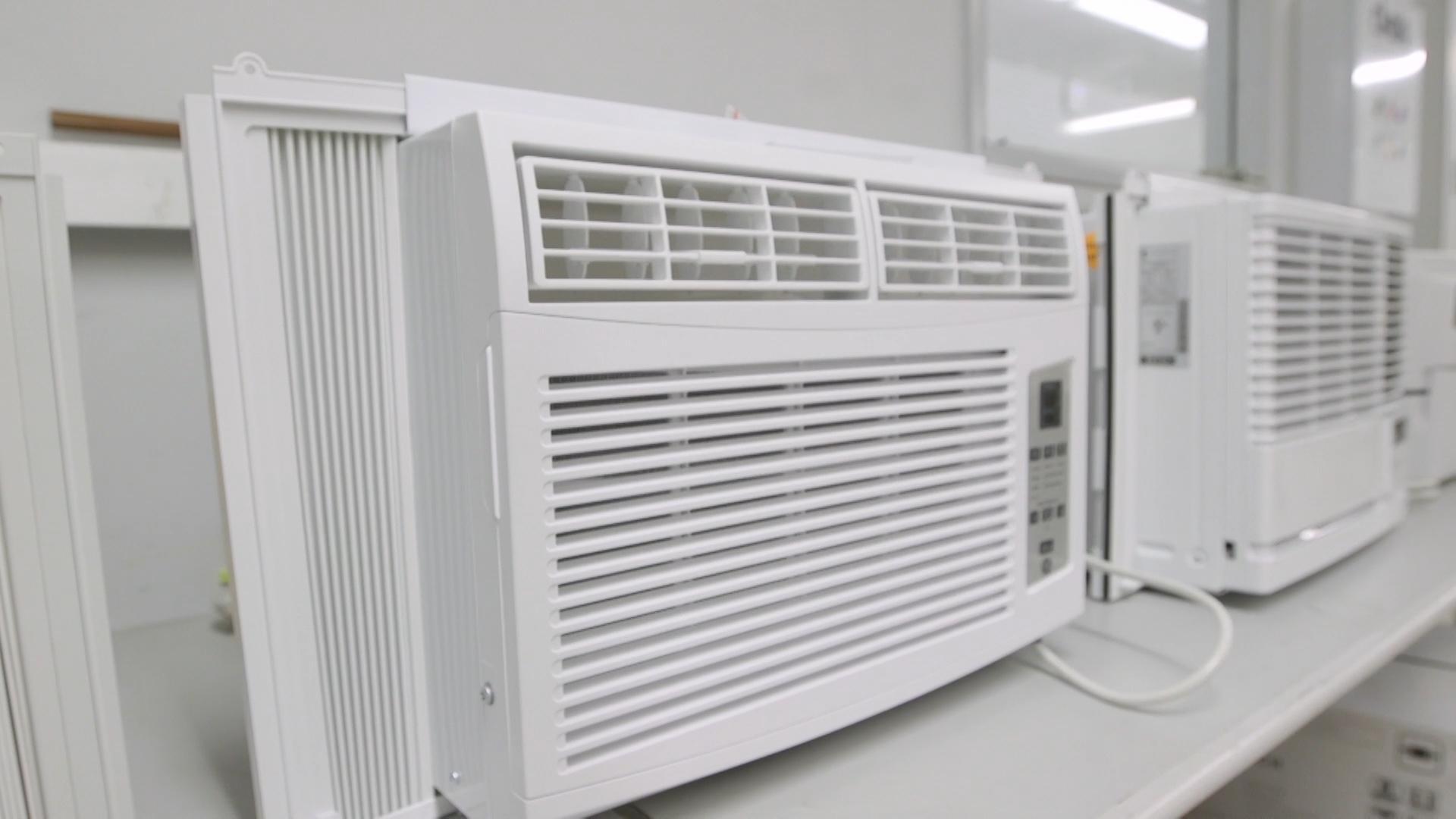
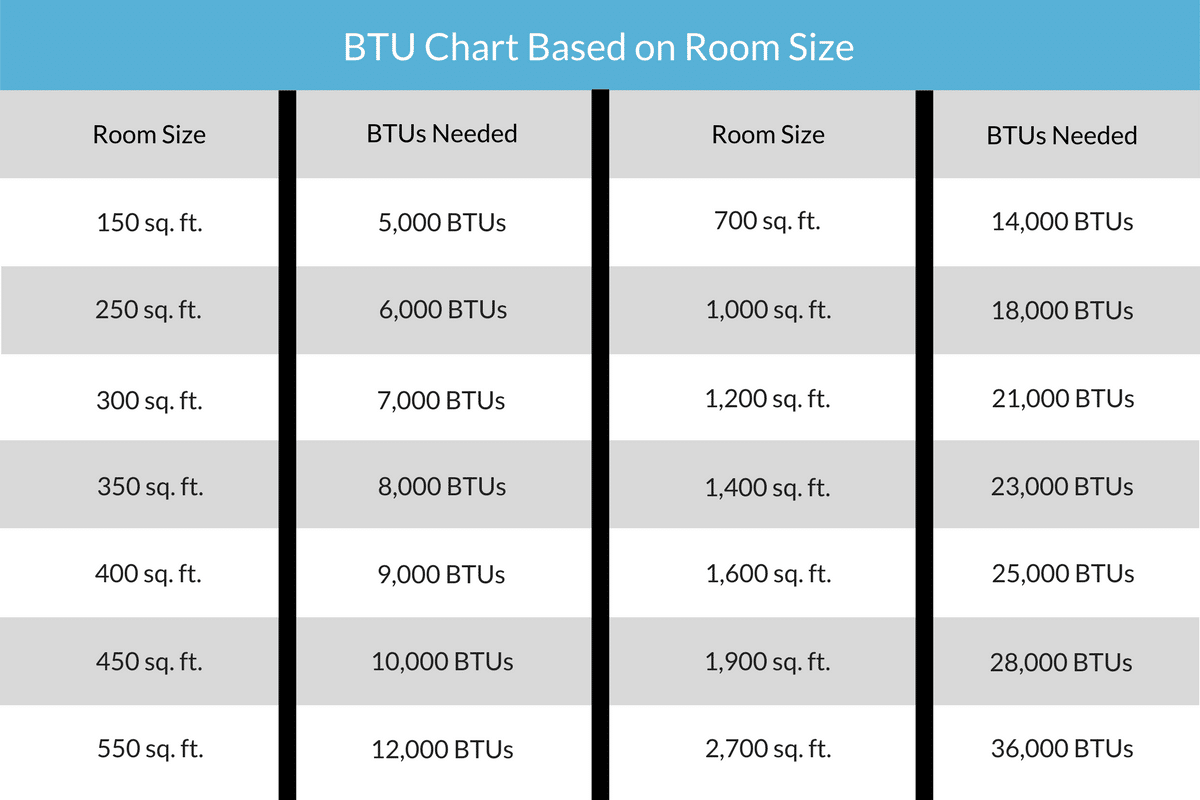
- Window units come in steps: 5,000; 6,000; 8,000; 10,000; 12,000 BTU, etc.
- Choose the next standard size up after adjustments.
How big of a window air conditioner do i need will become clear with this method. For many living rooms I help, the sweet spot is 8,000 to 12,000 BTU.
Factors that change how big of a window air conditioner do i need
- Room orientation
- South- or west-facing rooms get hotter. Add 10% to 20%.
- Insulation and windows
- Poor insulation or old windows mean you need a larger unit.
- Ceiling height
- High ceilings hold more air. Add 10%–20% for ceilings over 8 ft.
- Occupancy and use
- Many people or electronics raise cooling needs.
- Window size and placement
- If the unit must cool an open plan, size up.
I once recommended a 10,000 BTU unit for a 250 sq ft sunroom. The owner had sliding glass doors and a high ceiling. The math pointed to 12,000 BTU, and that is what kept the room comfortable on hot afternoons.
How big of a window air conditioner do i need should reflect all these factors. Ignore any one factor and you may end up with a weak AC or wasted energy.
 mistakes and real-life tips on how big of a window air conditioner do i need”
style=”max-width: 100%; height: auto; border: 2px solid black; border-radius: 10px; display: block; margin: 0 auto;”
loading=”lazy”
/>
Common mistakes and real-life tips on how big of a window air conditioner do i need
- Picking a unit that is too small
- Small units run all day and never reach setpoint. They waste money.
- Picking a unit that is too large
- Oversized AC cools fast but does not dehumidify well. Rooms feel clammy.
- Only looking at room size
- Always check sun, people, and heat sources too.
- Forgetting noise and power limits
- Bigger units often draw more amps. Check your outlet and breaker.
- Ignoring efficiency ratings
- Higher EER or Energy Star models save money over time.
From personal tests, I prefer sizing a hair larger if the room faces west. I also test how the unit cycles. If it cools quickly and shuts off constantly, I move one size down next time.
How big of a window air conditioner do i need is not just math. It is also about comfort and cost over the year.
Energy efficiency and features to consider when choosing how big of a window air conditioner do i need
- Energy efficiency
- Look for EER or Energy Star ratings. Higher EER means less power for the same BTU.
- Fan speeds and modes
- Multiple speeds help balance noise and comfort.
- Programmable thermostat and timer
- These save energy and increase comfort.
- Noise level
- Check dB ratings if the unit will be in a bedroom.
- Installation ease and support
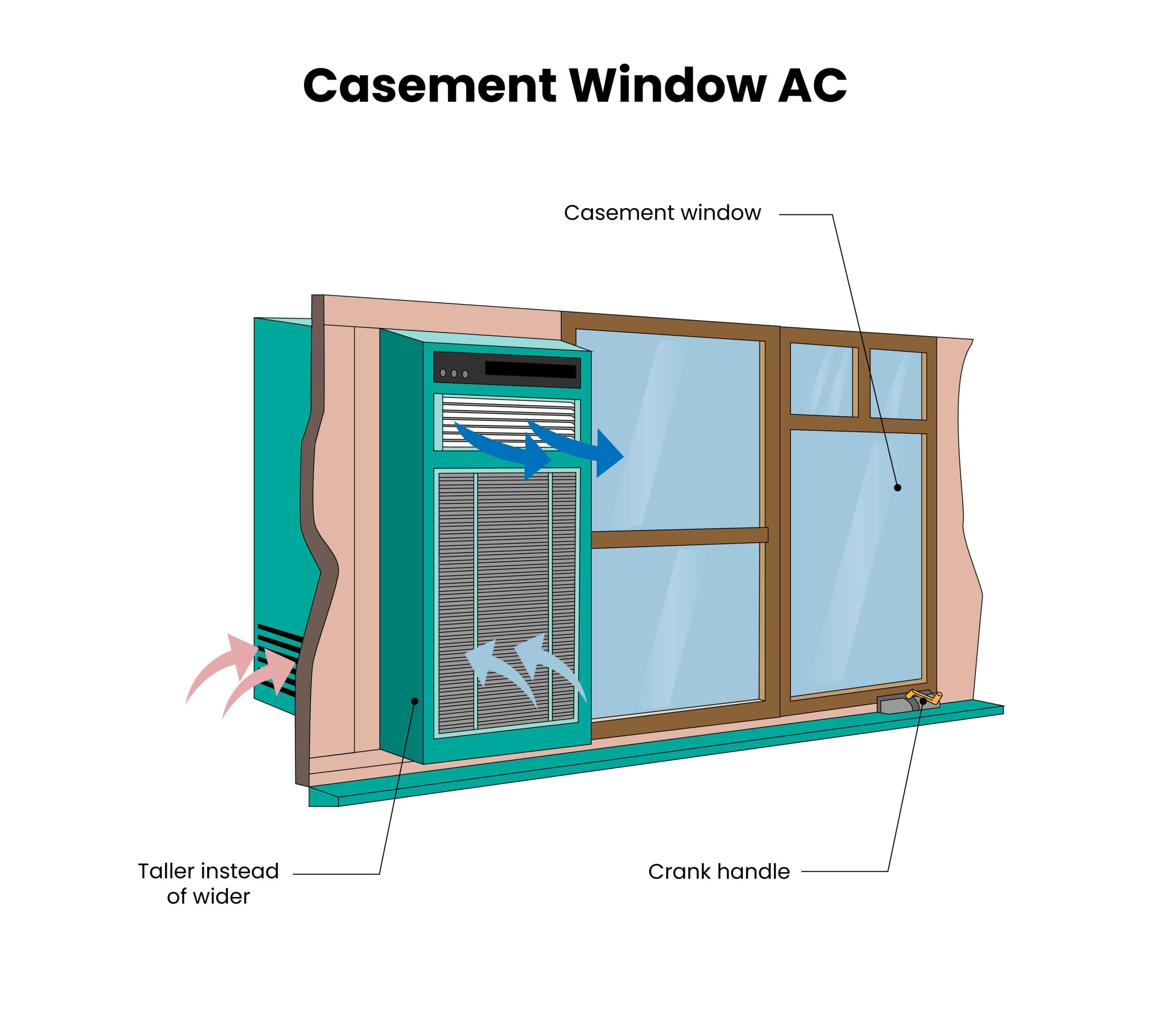
- Choose models with good instructions and fit options for your window.
I once installed a slightly larger, high-efficiency unit. It cost more up front but cut electric draw and ran quieter. The owner saw lower bills and better sleep.
How big of a window air conditioner do i need often ties to these choices. A slightly larger, efficient unit can be better than a right-sized, inefficient one.
Frequently Asked Questions of how big of a window air conditioner do i need
How do I calculate the BTU I need for my room?
Multiply room square feet by about 20 BTU per square foot. Then add adjustments for sun, people, and high ceilings.
Can I use a portable AC instead of a window AC?
Yes, but portable ACs are often less efficient. A window AC usually cools the same room with less energy.
What size unit do I need for a bedroom of 150 sq ft?
Using the 20 BTU per sq ft rule, you need about 3,000 BTU. Most standard options are 5,000 to 6,000 BTU for bedrooms.
Will a bigger AC cool faster and better?
A bigger AC cools faster but may not remove humidity well. Choose a size that balances cooling speed and dehumidifying.
What if my room is an open plan area?
For open plans, add the square footage of the open area. You may need a larger unit or multiple units for even cooling.
How much does sun exposure change the needed size?
Strong sun can raise needs by about 10% to 20%. Shade can reduce needs by about 10%.
Conclusion
You can find the right window AC by using the simple 20 BTU per square foot rule, then adjusting for sun, ceiling height, people, and appliances. Test your space, pick a standard size up from your calculated needs, and favor efficiency when in doubt. Try the steps in this guide, measure carefully, and choose a unit that balances comfort, noise, and energy use. If you liked this guide, leave a comment, try the calculator steps for your room, or subscribe for more practical home comfort tips.