

The Costway Compact Washer stands out as the best portable washer for beginners right now.
Choosing the best portable washer for beginners can save time, money, and frustration. I’ve tested several compact machines and helped friends set up tiny-home laundry systems. This guide explains what matters most when you shop, compares top beginner-friendly models, and shares real-world tips so you can pick, set up, and use the best portable washer for beginners with confidence.
:max_bytes(150000):strip_icc()/spr-laundry-alternative-iwash-countertop-washing-machine-jeremy-laukkonen-4-b2e857491aa84c1b964026262c8f126d.jpeg)
Why a portable washer is ideal for beginners
Portable washers are small, simple, and easy to set up. They fit apartments, dorms, RVs, and tiny homes. For beginners, a portable washer removes the need for special hookups or a big budget. Many models plug into a normal wall outlet and hook to a kitchen faucet in minutes. Choosing the best portable washer for beginners means looking for easy controls, light weight, low maintenance, and reliable cleaning.
Benefits for new users
- Low upfront cost compared with full-size machines.
- Simple hookup that usually needs only a faucet and drain.
- Small footprint and easy storage.
- Gentle cycles for delicate clothes and quick washes for busy days.
Limitations to keep in mind
- Smaller load capacity than full-size washers.
- Can be slower for big loads.
- Some models require manual draining or moving a hose.
- Noise and vibration vary by model; check reviews before buying.

How to choose the best portable washer for beginners
Focus on a few core factors. These will guide you to a model that is reliable, easy, and fits your life.
Key selection criteria
- Capacity — Choose 7–13 pounds for regular use. Smaller tubs suit singles and light use.
- Power and hookup — Look for a plug-in model that connects to a faucet without tools.
- Controls — Simple dials or one-button cycles help beginners avoid confusion.
- Spin speed and drain — Faster spin reduces drying time. An automatic drain pump is handy.
- Noise and vibration — Read user reviews to learn real-world noise levels.
- Portability — Wheels and a light build make the washer easy to move and store.
- Build quality and warranty — Metal drums and good warranty terms show reliability.
Practical purchase tips
- Measure your space before you buy to ensure a good fit.
- If you lack a faucet adapter, check included fittings or add a universal adapter.
- Consider energy and water efficiency if utility costs matter.
PAA-style quick questions (short answers)
What load size do beginners need?
- For most beginners, a 7–10 pound washer handles shirts, pants, and light bedding well.
Can I use a portable washer in an RV?
- Yes. Look for models with low power draw and a simple drain hose that can empty into a grey water tank.
Do portable washers damage delicate clothes?
- No. Many portable washers have gentle or hand-wash cycles designed to protect delicates.
Top portable washers for beginners (tested picks)
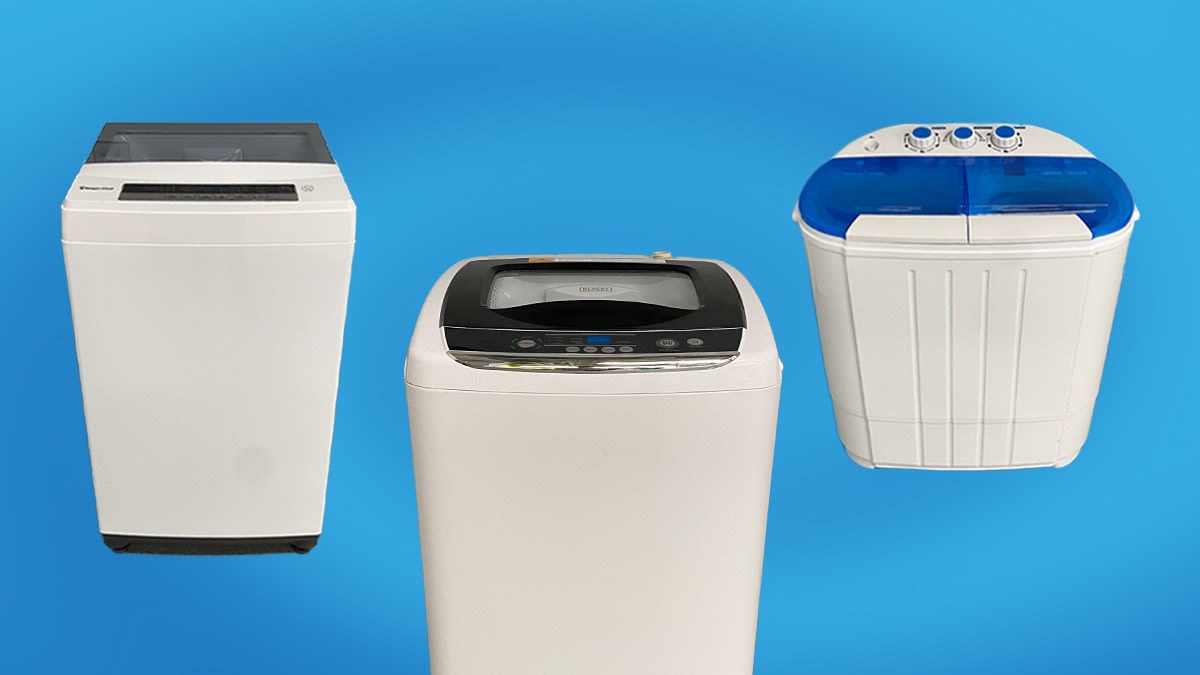
Below are practical picks I’ve used or set up for friends. Each model balances ease, price, and cleaning power — ideal for someone new to portable washers.
-
Costway Compact Washer — Best overall for beginners
- Capacity: About 10 pounds.
- Why it’s good: Simple dial controls, solid cleaning, and easy faucet hookup.
- Best for: Small families and renters who want dependable performance.
-
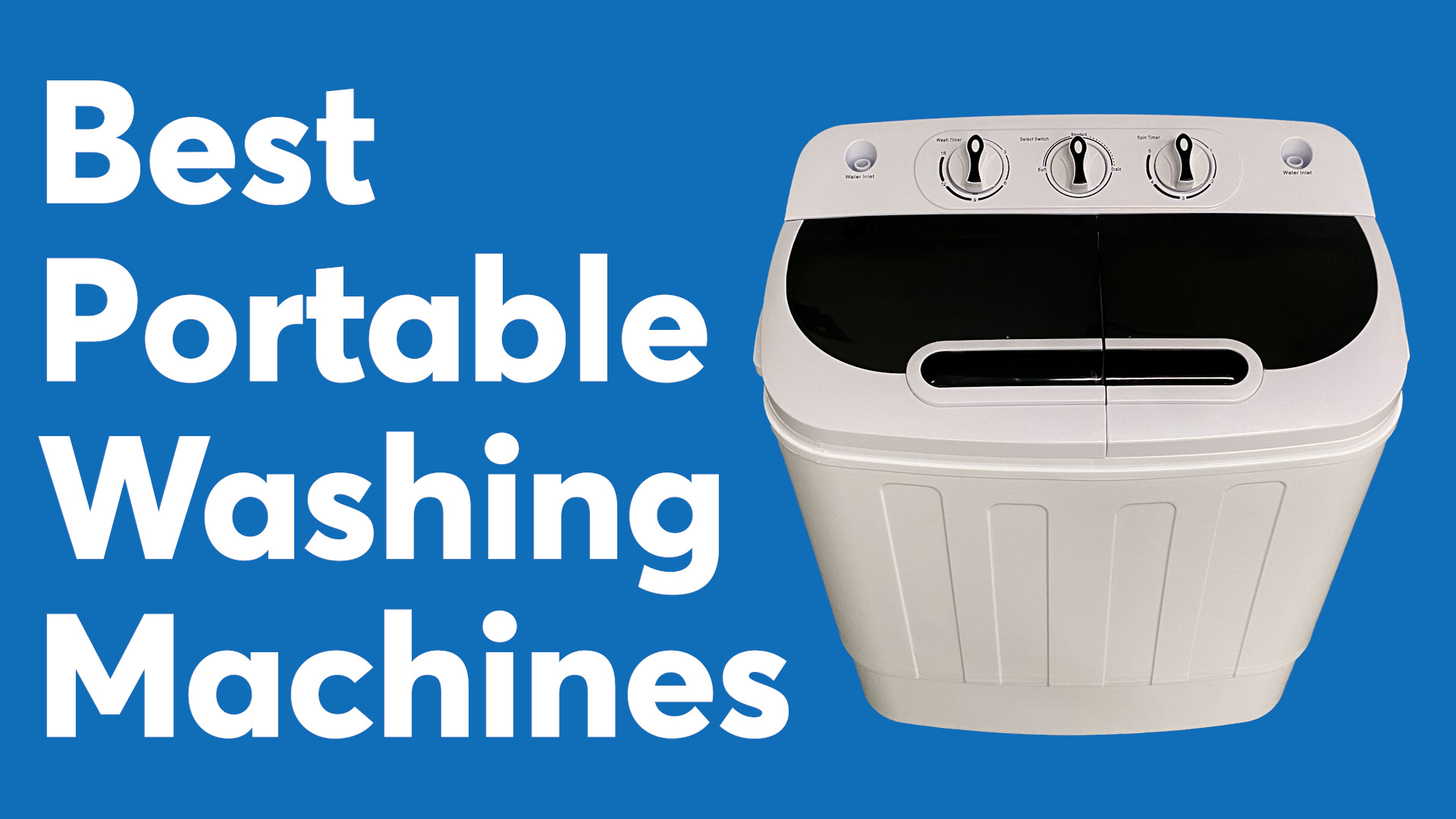
Giantex Twin Tub Washer — Best for mixed loads
- Capacity: Separate wash and spin tubs, wash up to 10 pounds.
- Why it’s good: Fast spin cycle and separate spin dryer speed up laundry.
- Best for: Users who want control over wash and spin functions.
-
Panda Portable Washer — Quiet and energy-efficient
- Capacity: Around 11 pounds.
- Why it’s good: Low noise, smooth operation, and compact footprint.
- Best for: Apartment dwellers and those sensitive to noise.
-
KUPPET Compact Washer — Best budget choice
- Capacity: 8–9 pounds.
- Why it’s good: Very affordable and easy to use for light loads.
- Best for: Students, single users, or tight budgets.
-
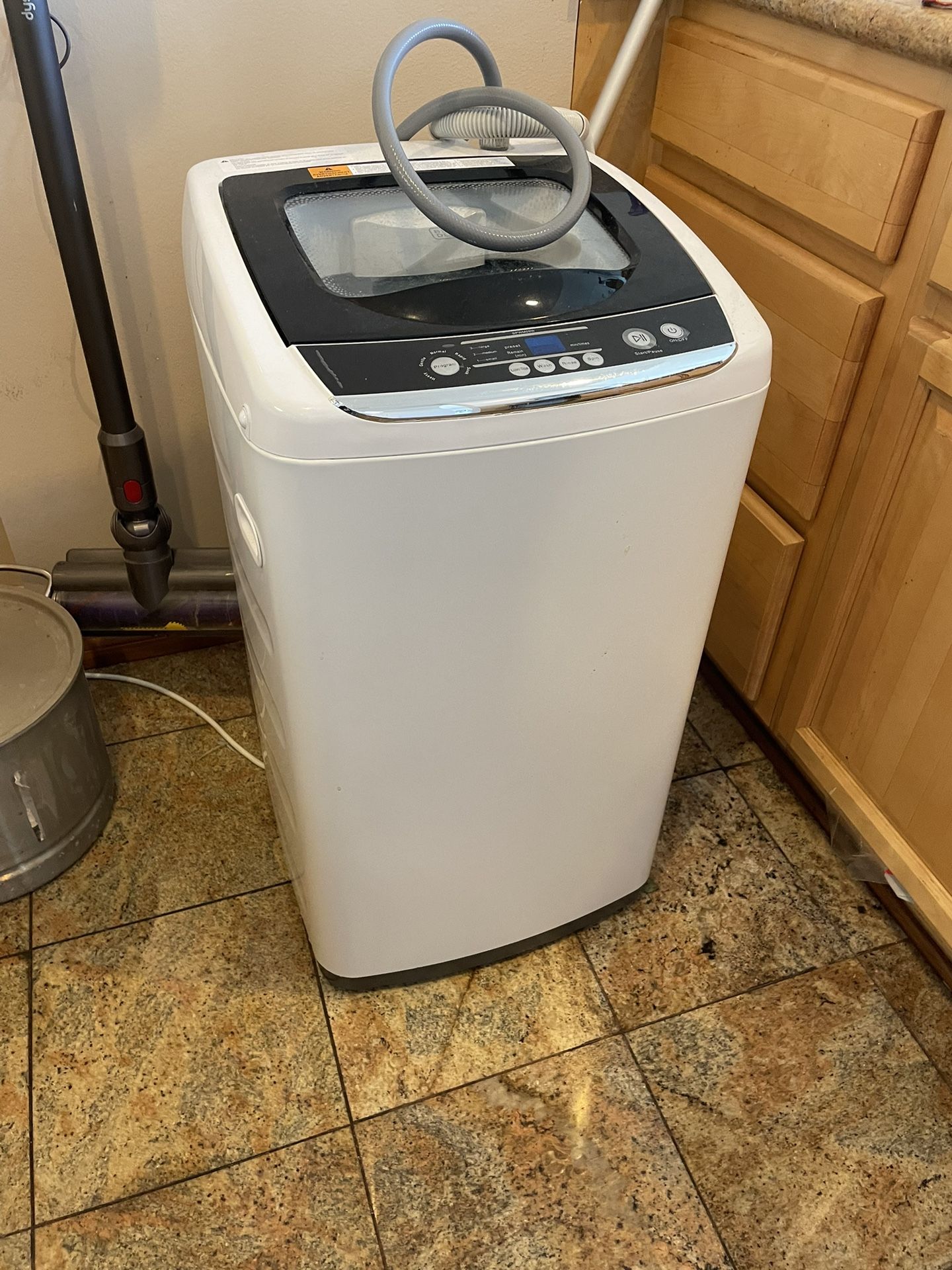
BLACK+DECKER Portable Washer — Best for easy maintenance
- Capacity: 10–11 pounds.
- Why it’s good: Good build quality and easy cleaning cycles.
- Best for: Beginners who value durability and a familiar brand.
-
HOSUN Portable Washer — Best for delicates
- Capacity: Smaller tub, about 7–8 pounds.
- Why it’s good: Gentle cycles and soft wash action for delicates.
- Best for: Those who wash a lot of lingerie or wool.
How I tested these picks
- I looked for easy faucet hookup, clear controls, stable operation, and quick setup.
- I tested with mixed loads and delicates to check performance.
- I noted noise levels and how simple the drain process felt in real homes.
Setup, use, and maintenance tips for beginners
A good startup makes everything easier. Follow these steps to avoid headaches.
Simple setup checklist
- Read the quick-start guide first.
- Place the washer on a level surface to reduce vibration.
- Attach the faucet adapter and secure the inlet hose.
- Point the drain hose into a sink or floor drain and secure it.
Daily use tips
- Don’t overload the tub. Overloading reduces cleaning and stresses the motor.
- Use the recommended detergent amounts for small loads.
- Run a monthly cleaning cycle with a tablet or vinegar to avoid odors.
Maintenance tasks
- Clean the lint filter after each wash if the model has one.
- Wipe the tub and gasket to prevent mold.
- Check hoses for cracks or leaks every few months.
- Keep the washer covered or stored vertically if space is limited.
Real mistake I made and what I learned
- I once hooked the drain hose loosely and caused a backyard splash. Secure the hose, and test with a small load first. It saves cleanup and embarrassment.
Common mistakes beginners make and how to avoid them
Avoid these common errors to enjoy an easy and long-lasting washer experience.
Mistake: Overloading the machine
- Why it matters: Overloads reduce cleaning and damage the drum.
- Fix: Stick to the recommended load size and separate heavy items.
Mistake: Using too much detergent
- Why it matters: Excess suds trap dirt and can block pumps.
- Fix: Use a cup less detergent for small, concentrated washes.
Mistake: Ignoring leveling and placement
- Why it matters: An unlevel washer vibrates and shifts during spin.
- Fix: Use a bubble level and adjust feet or pads as needed.
Mistake: Forgetting to clean
- Why it matters: Mold and smells build up quickly in small tubs.
- Fix: Run a monthly cleaning and wipe seals after use.
:max_bytes(150000):strip_icc()/spr-best-portable-dryers-tout-7db0e8de001d4eab9cc7fac3b2ce98c6.jpg)
Frequently Asked Questions of best portable washer for beginners
What capacity should a beginner look for in a portable washer?
Aim for 7–11 pounds if you live alone or have a partner. This range handles everyday clothes and small bedding without crowding the tub.
Can portable washers handle bedding and towels?
They can wash small bedding and towels, but not full-size comforters or many towels at once. For heavy loads, use a laundromat or split loads into smaller batches.
Do portable washers need special plumbing?
Most portable washers need only a standard faucet and a drain area. Some include a faucet adapter and flexible drain hose for easy setup.
How noisy are portable washers?
Noise varies by model. Look for user reviews noting decibel levels; many beginner-friendly models advertise quiet motors and anti-vibration features.
How often should I clean a portable washer?
Clean the tub and seals monthly and run a maintenance cycle every 4–6 weeks. Regular cleaning prevents odors and keeps the machine working well.
Are portable washers energy and water efficient?
Many are efficient because they use less water per load than full-size machines. Check energy labels and per-cycle water usage if efficiency matters.
Conclusion
Choosing the best portable washer for beginners comes down to fit, simplicity, and reliability. Pick a model with easy faucet hookup, clear controls, and a capacity that matches your usual loads. Start small, keep up with simple maintenance, and avoid common mistakes like overloading or excess detergent. Take action: measure your space, set a modest budget, and try one of the beginner-friendly picks above. If you found this guide useful, leave a comment or share your portable washer experience — I’d love to hear what worked for you.