

Yes — most mattress protectors are washable, but care depends on the protector’s material and construction.
I’ve tested and cared for dozens of mattress protectors over years, and I’ll walk you through exactly when and how to wash them. This guide explains are mattress protectors washable, which types you can launder, what to avoid, and practical tips to keep your bed fresh and protected without damaging the cover.
How mattress protectors work and why washing matters
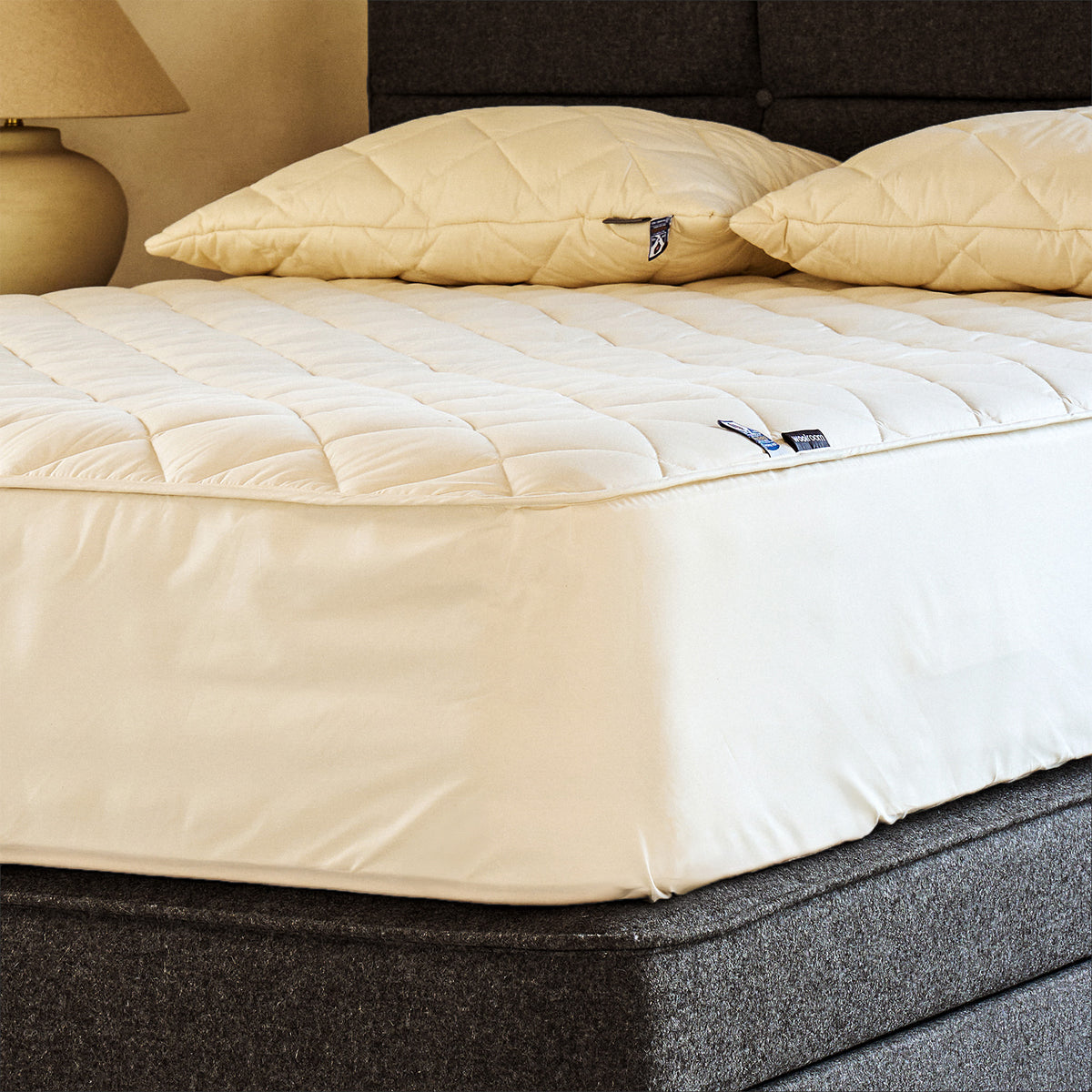
A mattress protector sits between you and the mattress. It blocks spills, sweat, dust mites, and allergens. Some protectors are thin fitted covers; others fully encase the mattress.
Knowing are mattress protectors washable helps you keep hygiene high. Regular washing removes body oils, dust, and allergens. It also prevents stains and odors from becoming permanent.

Which types of mattress protectors are washable
Different protectors use different materials. That determines whether they are machine washable.
- Cotton and polyester fitted protectors
- Usually machine washable and dryer safe on low.
- They feel like sheets and often survive regular laundering.
- Terry and terry-cloth protectors
- Machine washable; may shrink if dried on high heat.
- Good for absorbency and comfort.
- Waterproof protectors with polyurethane (PU) backing
- Often machine washable; avoid high heat in dryer to protect the waterproof layer.
- Use gentle cycles and mild detergent.
- Vinyl or plastic protectors
- Usually not machine washable; wipe clean with soap and water.
- Heat can warp them, so air dry only.
- Zippered encasements (allergy or bed-bug encasements)
- Many are washable; check label for water temperature limits.
- Some require gentle cycles and air drying to maintain zippers and seams.
When asking are mattress protectors washable, always check the care label first. Labels give the safest instructions for that specific product.
Step-by-step washing and care guide
Follow a simple routine to keep protectors clean and intact.
- Check the label
- Follow the manufacturer’s recommended water temp and cycle.
- Pre-treat stains
- Dab stains with mild detergent or enzyme cleaner. Let it sit 10–15 minutes.
- Machine washing
- Use a gentle cycle and mild liquid detergent.
- Wash in warm or cold water unless label allows hot water.
- Drying
- Tumble dry on low or air dry. Avoid high heat to protect waterproof layers.
- For vinyl or plastic, wipe and air dry only.
- Frequency
- Wash fitted protectors every 1–3 months. Wash after spills or illness immediately.
From my own experience, washing protectors on gentle cycles and skipping fabric softener prevents breakdown of waterproof membranes. I once used bleach on a white protector and noticed the waterproof backing started to degrade. Don’t repeat that mistake.

Common mistakes and how to avoid them
Simple errors shorten a protector’s life. Here are common pitfalls.
- Using high heat
- High dryer heat can melt or warp waterproof backing and shrink fabric.
- Using harsh chemicals
- Bleach and strong detergents can break down membranes and seams.
- Ignoring care labels
- A protector may look machine washable but require hand wash or air dry.
- Overloading the washer
- A crowded washer won’t clean well and can damage zippers or seams.
I once washed an encasement with a heavy comforter; the zipper tore. Now I wash protectors alone or with light items only.
Benefits of washing mattress protectors regularly
Keeping your protector clean brings clear benefits.
- Better sleep hygiene
- Removes sweat, oils, and bacteria that build up over time.
- Reduces allergens
- Regular washing decreases dust mites and pollen on the bed.
- Longer mattress life
- A clean protector prevents stains and moisture reaching the mattress.
- Freshness and odor control
- Eliminates smells and keeps bedding feeling new.
If you have allergies, washing a protector frequently can noticeably reduce nighttime sneezing.

When not to wash a mattress protector (and alternatives)
Not every protector benefits from a machine wash. Know when to avoid laundering.
- Vinyl or heavy plastic protectors
- Wipe with a cloth and mild soap instead of machine washing.
- Protectors with glued seams or delicate laminates
- Hand wash or spot clean to preserve adhesives.
- Large encasements that won’t fit your washer
- Consider professional cleaning or replace if dirty.
Alternatives to washing include spot cleaning, airing out in sunlight, and using disposable pads for spills.

How to choose a washable mattress protector
Choose a protector that fits your needs and washing habits.
- Look for clear care labels
- If you plan to wash often, prioritize machine-washable designs.
- Pick the right material
- Cotton blends for comfort, PU-backed for waterproofing, vinyl for heavy-duty protection.
- Check certifications
- OEKO-TEX or similar certifications indicate safer materials.
- Consider fit and closure
- Deep pockets and secure zippers matter for encasements.
- Balance comfort and protection
- Breathable waterproof protectors help you sleep cool and keep the mattress safe.
When shopping, ask: are mattress protectors washable and how will they hold up to repeated washes? Choose a design you can care for easily.

Personal tips from my experience
I’ve used many protectors on different beds. Here are tips I learned the hard way.
- Wash a new protector before first use to remove factory finishes.
- Skip fabric softener; it can reduce absorbency and affect waterproof layers.
- Use mesh laundry bags for small protectors and encasement zippers.
- Replace cheap vinyl protectors every few years; they can crack.
- Keep a spare protector on hand to rotate during washing.
These simple habits kept my mattresses clean and extended the life of every protector I owned.

Are mattress protectors washable FAQ
Are all mattress protectors machine washable?
Many mattress protectors are machine washable, especially fabric and PU-backed types. Always check the care label for cycle and temperature guidance.
Can I use bleach to clean a mattress protector?
Avoid bleach unless the care label explicitly allows it; bleach can degrade waterproof backing and fabric fibers. Use mild detergent or a color-safe stain remover instead.
How often should I wash my mattress protector?
Wash every 1–3 months for regular use, and immediately after spills or illness. Allergy sufferers may prefer washing every month.
Will washing a waterproof protector ruin the waterproofing?
Proper washing on gentle cycles and low heat usually preserves waterproofing. High heat and harsh chemicals can damage waterproof membranes over time.
Can I tumble dry a mattress protector?
Many protectors can be tumble dried on low, but vinyl and some encasements should air dry to avoid warping. Follow the care label for best results.
What if my protector is too large for my washing machine?
If a protector won’t fit, consider a laundromat with larger machines, professional cleaning, or spot-cleaning methods recommended by the manufacturer.
Final thoughts and next steps
Regular washing keeps protectors clean, healthy, and effective. Understanding are mattress protectors washable helps you choose the right type and care for it correctly. Small habits like gentle cycles, low heat drying, and reading labels will extend the life of your protector and mattress.
Try these steps now: check your protector’s care tag, set a washing schedule, and keep a spare for rotation. If you found this guide useful, leave a comment, share your experience, or subscribe for more practical bedding tips.