

Clean a portable washer monthly: drain, wipe, run a vinegar cycle, clean filter and hoses.
I’ve cleaned dozens of portable washers over the years and tested step-by-step approaches that work. This guide gives clear, practical portable washer cleaning instructions you can follow today. You’ll find safety tips, tools, a simple routine, deep-clean steps, troubleshooting, and real-world tips I learned the hard way. Read on to keep your portable washer fresh, efficient, and long-lasting.
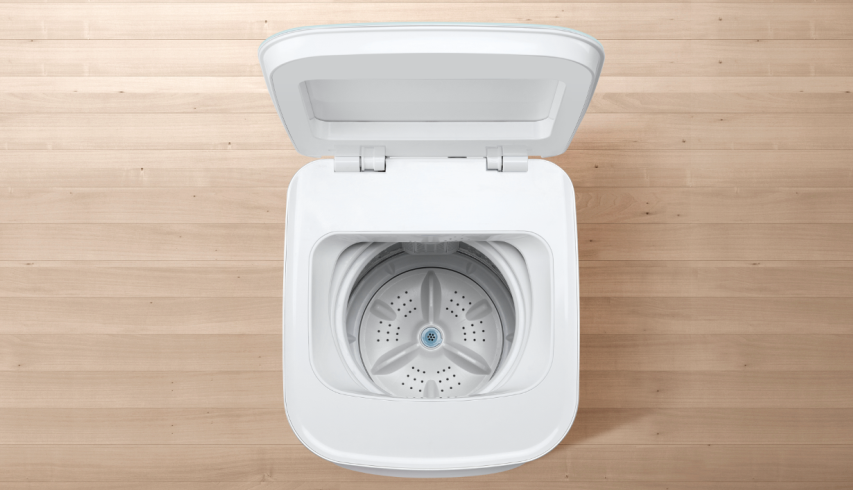
Why regular cleaning matters
A clean portable washer works better, uses less water, and avoids smells. Dirt and soap build-up can cause stains, bad odors, and clogs. Regular cleaning keeps the drum, pump, and hoses clear and extends the machine’s life.

Safety first: quick checks before you start
Always unplug the washer and turn off the water supply before cleaning. Work in a well-lit area and avoid mixing strong chemicals. Wear gloves when handling grime or bleach to protect your skin.

Tools and supplies you’ll need
- Soft microfiber cloths for wiping surfaces
- White vinegar for natural descaling
- Baking soda for freshening and mild scrubbing
- Small soft brush or old toothbrush for crevices
- Towels to catch drips and protect floors
- Pliers or wrench for loosening hose fittings if needed
- Replacement filter or parts if your manual recommends
I keep this small kit near my laundry area. It makes monthly cleaning fast and low-stress.

Step-by-step portable washer cleaning instructions
Follow these portable washer cleaning instructions for a monthly routine that prevents problems.
-
Drain and empty
-
Unplug the machine and close the water valves.
-
Remove any clothes and spin out excess water.
-
Open the drain plug and let all water flow into a bucket or drain.
-
Wipe the drum and door area with a dry cloth.
-
Clean the filter and lint trap
-
Locate the filter per your manual and remove it slowly.
-
Rinse the filter under warm water and brush away trapped fibers.
-
Replace the filter securely before the next cycle.
-
Run a vinegar cleaning cycle
-
Add two cups of white vinegar to the drum or detergent compartment.
-
Run a full hot water cycle with no clothes.
-
Vinegar breaks down soap scum and mild mineral scale.
-
Freshen with baking soda
-
After the vinegar cycle, sprinkle 1/2 cup of baking soda into the drum.
-
Run a short hot cycle to neutralize odors and lift residue.
-
Wipe seals, controls, and exterior
-
Use a damp cloth and mild soap to clean rubber seals and control panels.
-
Pay attention to creases where grime hides.
-
Dry all surfaces to prevent new mold growth.
-
Inspect hoses and fittings
-
Check hoses for cracks, bulges, or soft spots.
-
Tighten loose fittings and replace damaged hoses as needed.
These portable washer cleaning instructions take about 45 minutes the first time, and 20 minutes monthly afterward.

Deep cleaning and descaling (every 3–6 months)
- Remove and soak removable parts
- Clean inside pump and small passages if the manual allows
- Use a manufacturer-approved descaler for heavy mineral build-up
- Run multiple hot vinegar cycles if odor or scale persists
Deep cleaning helps when simple monthly steps don’t remove all odors or residue. I’ve used a descaler once a year on hard-water machines and saw a clear performance boost.
Troubleshooting common issues
- Foul smell after cleaning: Run an extra hot vinegar cycle and leave door open to dry.
- Slow drainage: Check and clean the pump filter and kink-free hoses.
- Residue on clothes: Use less detergent and confirm water temperature matched the cycle.
- Leaks after cleaning: Recheck hose clamps and filter seals for tightness.
If issues persist, consult the washer manual. Replacing small parts early saves bigger repairs later.
Tips, best practices, and mistakes to avoid
- Use high-efficiency or low-suds detergent in small amounts for portable washers.
- Leave the door open between uses to let the drum dry.
- Do not mix bleach and vinegar; the fumes are harmful.
- Avoid overloading the machine; it strains the motor and pump.
- Mark your calendar for a monthly clean. I set a phone reminder and it keeps maintenance consistent.
A few times I skipped cleaning and ended up with mold under the seal. That taught me reminders and quick monthly care are worth the effort.
Short PAA-style questions
What is the best homemade cleaner for a portable washer?
White vinegar and baking soda work well together to remove soap scum and odors without harsh chemicals.
How often should I clean a portable washer?
Do a light clean monthly and a deeper clean every 3 to 6 months, depending on use and water hardness.
Can I use bleach to clean my portable washer?
Bleach can disinfect, but use it sparingly and never mix it with vinegar or ammonia; follow the manufacturer’s guidance.
Is it safe to leave the washer door open after a cycle?
Yes. Leaving the door open helps the drum dry and prevents mold growth in seals and crevices.
What if my washer still smells after cleaning?
Repeat a hot vinegar cycle, clean the filter and seals, and ensure the drum dries between uses. If smell persists, check hoses and the pump for trapped debris.
Frequently Asked Questions of portable washer cleaning instructions
How often should I follow portable washer cleaning instructions?
Follow basic portable washer cleaning instructions monthly. Deep clean every 3–6 months or more often with heavy use.
Can I use household vinegar for cleaning my portable washer?
Yes. White vinegar is safe and effective for descaling and deodorizing when run in a hot cycle.
Will baking soda damage the washer drum?
No. Baking soda is mild and helps remove odors and light residue without harming finishes or seals.
What parts of the portable washer need the most attention?
Focus on the filter, rubber door seal, detergent compartment, and hoses. These areas trap water and grime.
Can skipping maintenance void my warranty?
Possibly. Many warranties require basic upkeep. Check your manual and keep records of cleaning to protect coverage.
What do I do if the filter is clogged and won’t come out?
Turn off power and water. Gently work the filter loose with tool tips per the manual. If it still won’t budge, call a technician to avoid damage.
Conclusion
Following clear portable washer cleaning instructions keeps your machine smelling fresh, running well, and lasting longer. Make a simple monthly routine: drain, clean filter, run vinegar cycle, and wipe seals. Take one small step today—set a monthly reminder and clean your washer this week. Try these steps, share your experience, or ask a question below to keep the conversation going.