

Clean filters, wipe seals, and run a monthly vinegar cycle to prevent odors and clogs.
I’ve worked on dozens of compact laundry setups and tested portable washer maintenance tips across apartments, RVs, and small homes. This guide shows clear, practical steps to keep your portable washer running longer, avoid leaks and smells, and save time and money. Read on for simple routines, troubleshooting help, part-replacement signs, and a tidy checklist you can use today.
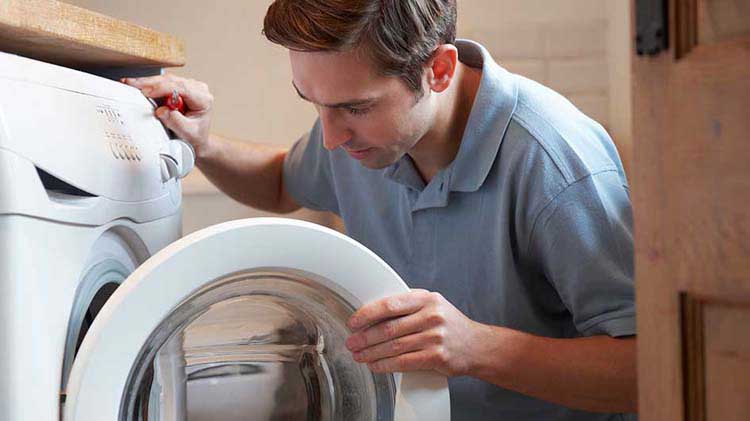
Why routine portable washer maintenance tips matter
Routine care keeps small machines working like new. Regular maintenance prevents clogs, stops mold growth, and lowers repair costs. A well-kept portable washer cleans better and uses less water and energy. Follow these portable washer maintenance tips to protect your investment and avoid mid-cycle failures.
Daily and after-each-use portable washer maintenance tips
A few quick habits after each load will pay off.
- Empty standing water promptly. Leaving water in the tub invites mildew.
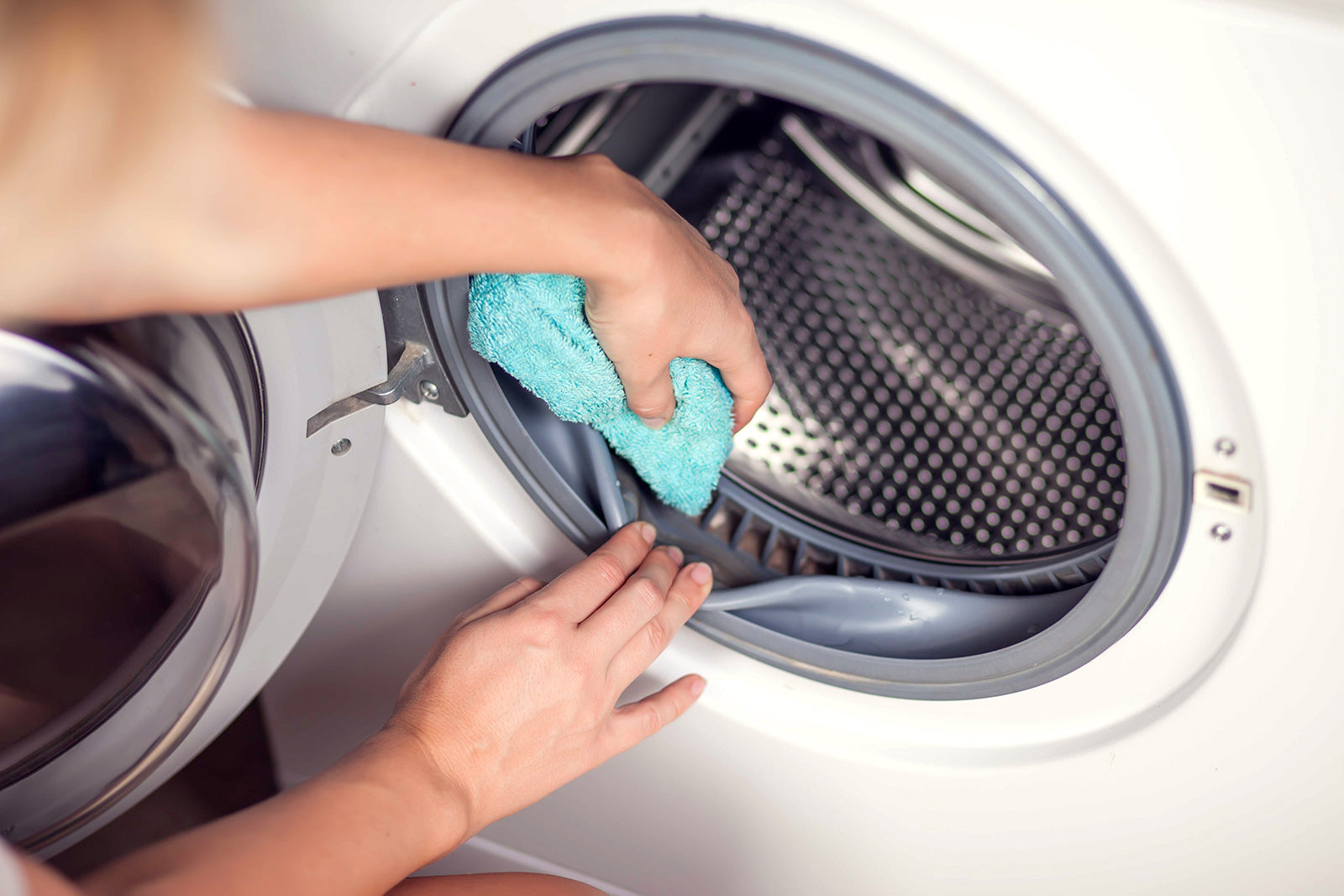
- Wipe the drum rim and door seal. Remove hair, lint, and soap residue as you see it.
- Leave the lid or door slightly open to air out the drum for at least an hour.
- Check and clean the inlet screen when water flow seems slow.
- Remove clothes promptly to avoid set-in smells or wrinkles.
These small steps reduce odor and buildup. I learned this the hard way when a weekend of wet towels left a camper washer smelling for days. A quick towel wipe stopped repeat issues.
Weekly and monthly portable washer maintenance tips
Do slightly deeper cleaning on a regular schedule.
- Run an empty hot-water cycle with white vinegar monthly. This breaks down soap scum and kills mild mildew.
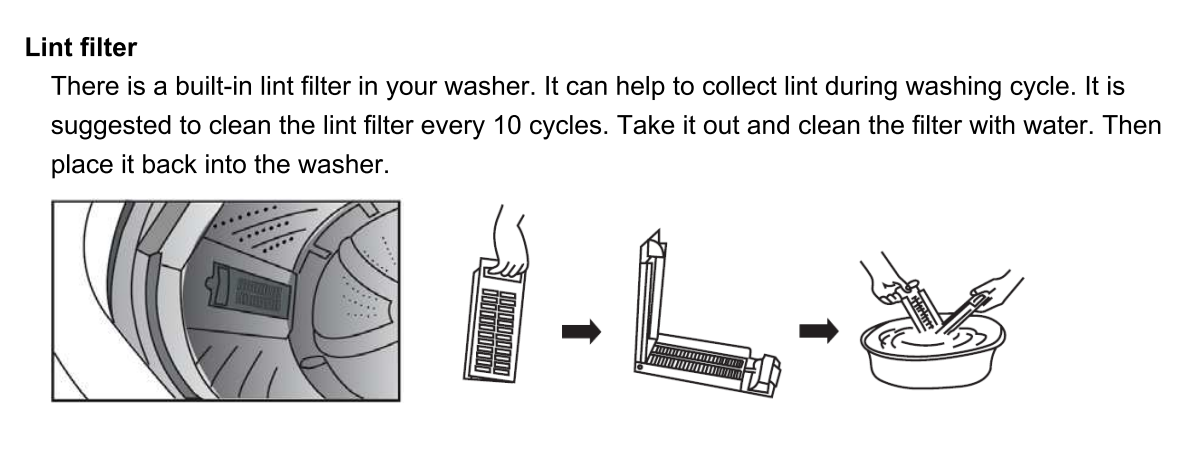
- Clean the lint trap or pump filter weekly if your model has one. This prevents clogs and drainage errors.
- Inspect the hoses for soft spots, bulges, or cracks. Replace any questionable hose immediately.
- Check detergent amounts. Too much soap leaves residue that attracts grime.
- Clean the exterior with a damp cloth to remove dust and detergent spills.
These portable washer maintenance tips cut down on service calls and keep your machine fresh.
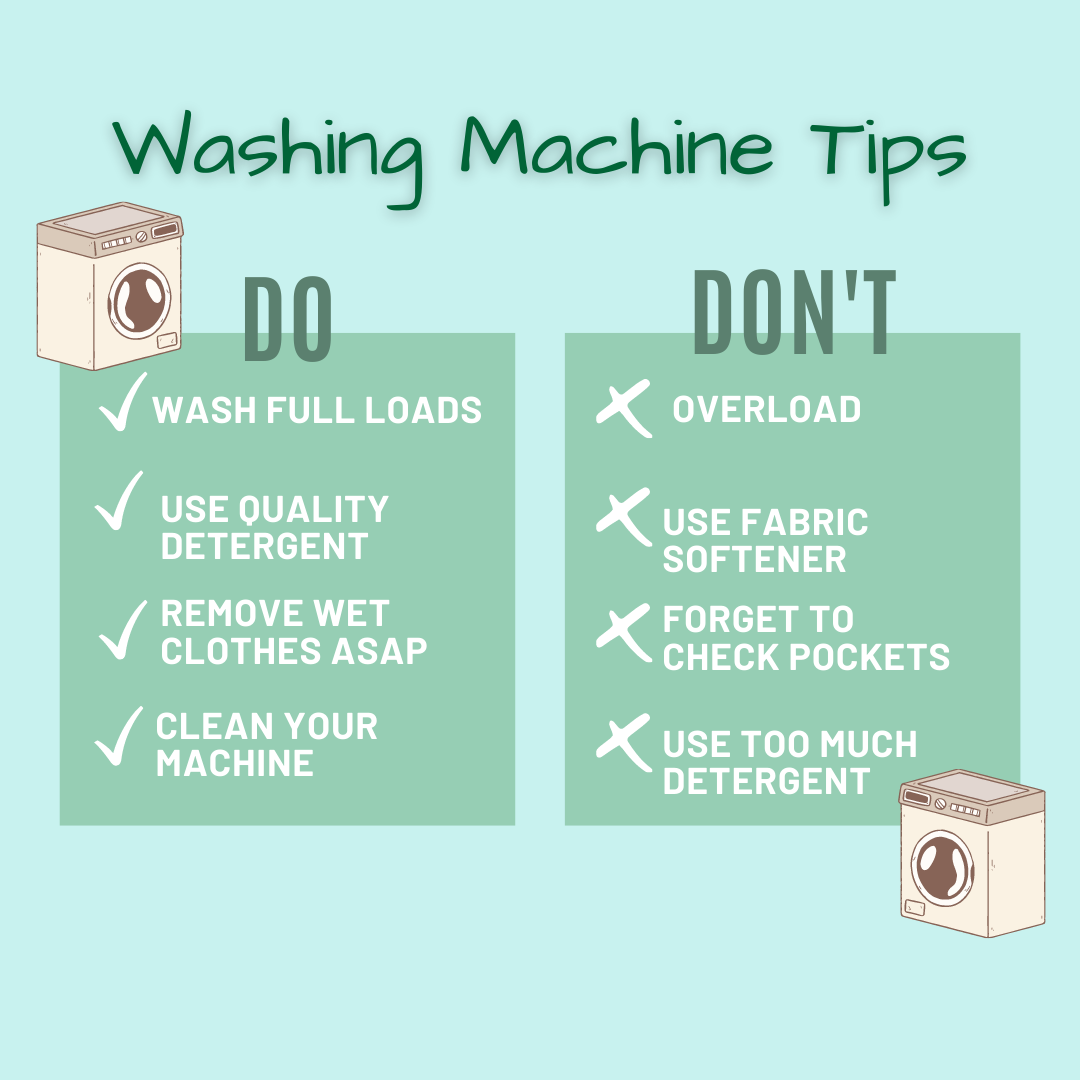
Deep-clean and quarterly checks for portable washer maintenance tips
Every three months, give your washer a thorough check.
- Descale the drum if you have hard water. Use a citric acid or vinegar cycle to remove mineral buildup.
- Remove and clean the detergent dispenser. Soak in warm water and scrub away buildup.
- Inspect door gaskets and seals for cracks or trapped debris. Replace if torn or compressed.
- Test the drain pump and hoses for blockages. Disconnect power before checking the pump area.
- Tighten mounting screws and fasteners to reduce vibration and noise.
I once ignored a soft hose and it burst during a wash. Doing quarterly checks could have prevented water damage. Regular deep-cleaning prevents that kind of surprise.
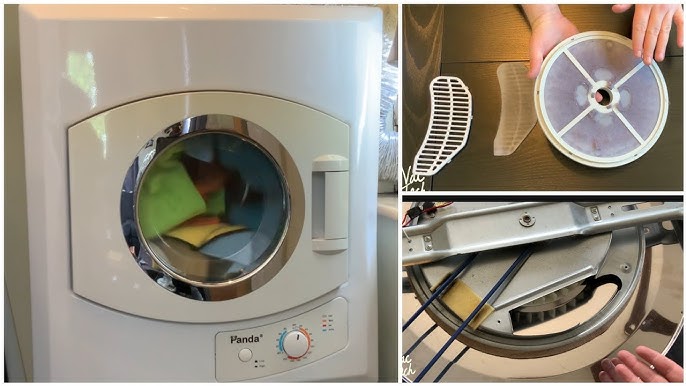
Troubleshooting common issues with portable washer maintenance tips
Quick fixes often solve common faults.
- Washer won’t spin
- Cause: Unbalanced load, broken belt, or motor issue.
- Fix: Redistribute clothes, try a lighter load, and inspect the belt if easily accessible.
- Drainage problems
- Cause: Clogged pump, kinked hose, or blocked filter.
- Fix: Clean the filter, straighten hoses, and remove blockages in the pump area.
- Bad odors
- Cause: Residue, trapped water, or mold in seals.
- Fix: Run a hot vinegar cycle, wipe gaskets, and leave the lid open to dry.
- Leaks
- Cause: Loose hose clamps, damaged hoses, or worn seals.
- Fix: Tighten clamps, replace hoses, or change seals as needed.
These portable washer maintenance tips help you diagnose problems fast. If a fix requires disassembly beyond the user manual, stop and call a pro to avoid voiding warranties.
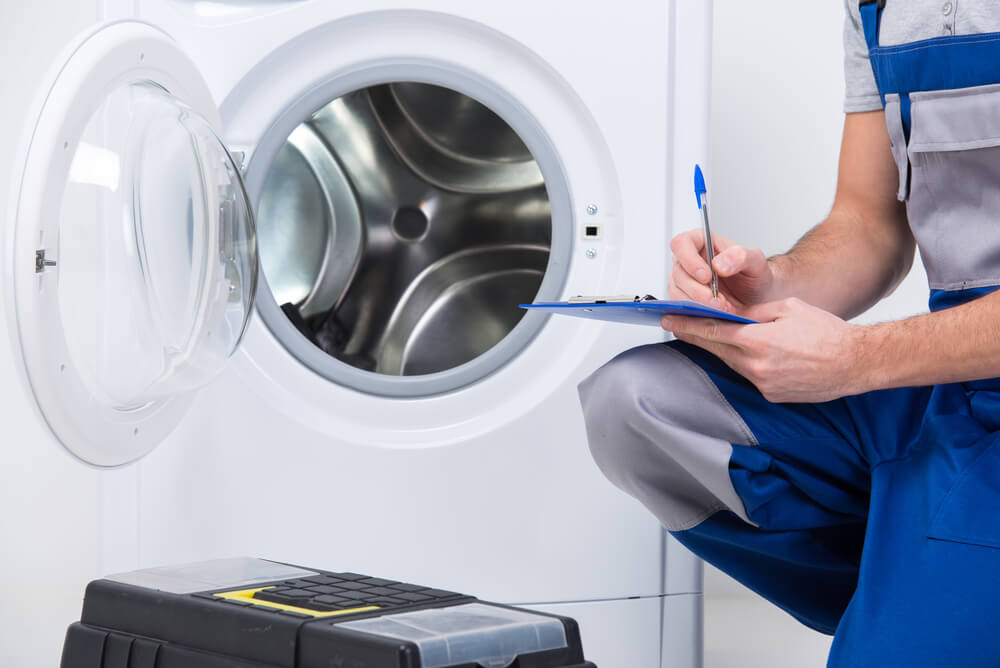
Parts to replace and when to call a pro for portable washer maintenance tips
Know which parts are user-serviceable and which need a technician.
- Replaceable by owner
- Hoses and clamps: cheap and easy to swap.
- Lint filters and detergent drawers: remove and clean or replace.
- Door gaskets (on some models): can be swapped with basic tools.
- Call a pro
- Motor or pump replacement: requires electrical and mechanical skill.
- Electronic control board issues: a service tech can test and replace safely.
- Sealed-system leaks: often need specialist tools and parts.
If you hear unusual grinding, burning smells, or see repeated failure after DIY fixes, contact a certified repair service. That saves time and prevents further damage.
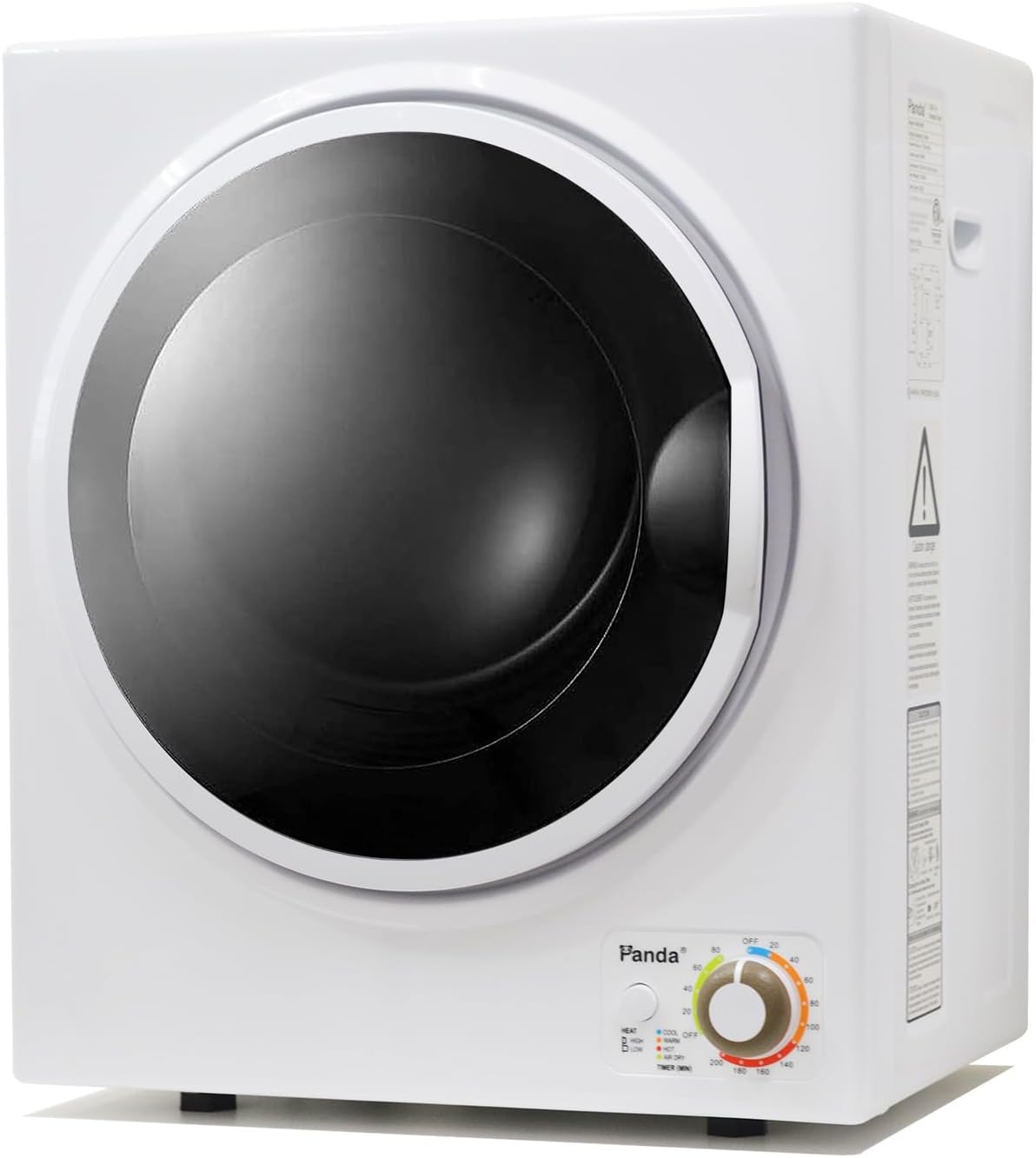
Storage, transport, and winterizing portable washer maintenance tips
If you move the washer or store it for a season, follow these steps.
- Drain all water completely before transport. Even small amounts can freeze or cause mildew.
- Disconnect hoses and store them indoors to avoid cracking.
- For winter storage, run a final hot cycle with a cleaner, dry thoroughly, and pack the unit in a dry place.
- Secure loose parts and straps to avoid damage during travel.
- Recheck hoses and seals before putting the washer back into service.
I travel with a portable washer in an RV. My rule: drain every hose and run a dry cycle before winter storage. It prevented two costly hose replacements.
Energy, water, and detergent tips to extend life using portable washer maintenance tips
Smarter use reduces wear and tear.
- Use the right detergent for compact washers to avoid excess suds.
- Match load size to capacity; overloading strains the motor and bearings.
- Use cold or warm water when possible; hot water increases wear and energy use.
- Choose shorter cycles when clothes aren’t heavily soiled.
- Regular maintenance improves efficiency and lowers utility bills.
These portable washer maintenance tips help save money and lengthen machine life.

My top checklist: quick monthly and yearly portable washer maintenance tips
Follow this simple schedule.
- Monthly
- Run a hot vinegar cycle.
- Clean lint trap and wipe seals.
- Inspect hoses.
- Quarterly
- Descale if needed.
- Clean detergent drawer and exterior.
- Tighten fasteners.
- Yearly
- Replace old hoses if older than five years.
- Have a pro inspect motor and electrical parts if you notice issues.
Use this checklist as a printable cheat sheet. A few minutes each month prevents big headaches later.
Frequently Asked Questions of portable washer maintenance tips
How often should I clean my portable washer filter?
Clean the filter weekly if you use the washer frequently, or at least monthly for light use. A clean filter prevents clogs and drainage issues.
Can I use bleach to clean my portable washer?
Yes, but use bleach sparingly and follow manufacturer instructions. Run a rinse cycle after a bleach wash to remove residue.
Why does my portable washer smell even after cleaning?
Smells often come from trapped water, residue in seals, or detergent buildup. Run a hot vinegar cycle and wipe gaskets; leave the door open after use.
When should I replace the hoses on my portable washer?
Inspect hoses every three months and replace them if you see cracks, swelling, or leaks, and replace aged hoses every five years as a precaution. Fresh hoses reduce leak and burst risk.
Is it safe to use an extension cord with a portable washer?
Avoid using extension cords; they can overheat and pose a fire risk. Plug the washer directly into a grounded outlet for safety.
Can hard water damage my portable washer?
Hard water can cause mineral buildup and reduce efficiency over time. Descale regularly and consider a water softener if buildup is frequent.
What detergent is best for portable washers?
Use low-sudsing detergent formulated for compact or high-efficiency machines. Too much suds can trap dirt and harm seals.
Conclusion
Follow these portable washer maintenance tips and you’ll cut down on repairs, reduce smells, and keep clothes cleaner. Start with small habits: wipe seals, clean filters, and run a monthly vinegar cycle. Use the checklist, replace worn hoses, and call a pro when repairs go beyond basic upkeep. Try one new habit this week and notice the difference—then subscribe or leave a comment to share what worked for you.