

Block gaps, add mass, and absorb echoes with rugs, foam, sealant, and smart DIY fixes.
I have helped friends and clients reduce noise on tight budgets for years. This guide explains how to soundproof a room cheaply, step by step, with clear methods, real tips, and simple plans you can start today. You will learn easy fixes, why they work, what to avoid, cost ranges, and quick wins that save time and money. Read on to get practical, tested ways to cut noise fast.

Why cheap soundproofing works and what to expect
Soundproofing cheaply works because most home noise leaks through a few weak spots. Treat those spots and you cut noise a lot. Cheap fixes focus on three things: block gaps, add mass, and absorb echo. These targets reduce loudness and make a room feel quieter.
Expect to reduce noise, not create a silent vault. Cheap methods control common sounds like traffic, voices, and appliance hum. For heavy bass or loud neighbors, low-cost fixes help but may not fully stop the sound. Combine methods for best results.
Basic principles: the simple science behind quiet rooms
Sound travels as vibration through air and materials. To quiet a room, use three basic tactics:
- Block: stop sound from passing through holes and seams.
- Add mass: heavier surfaces pass less sound.
- Absorb: soft materials soak up echoes and reduce perceived loudness.
Soundproofing terms to know:
- Decibel (dB): measure of loudness.
- Transmission loss: how much sound a material blocks.
- Reflection vs absorption: hard surfaces reflect sound; soft ones absorb.
People also ask:
How much will cheap soundproofing reduce noise?
Cheap fixes can cut noise by about 3–12 dB on average. That change feels noticeably quieter for daily sounds like traffic.
Can DIY fixes stop bass noise?
Bass travels through structure. Cheap fixes help moderately but may not stop deep bass. For low-frequency control, heavier mass and decoupling are needed.
Is acoustic foam enough to soundproof?
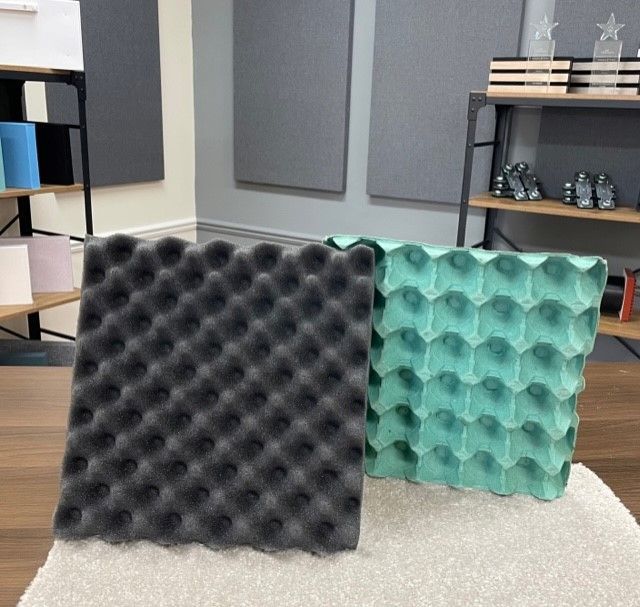
Acoustic foam reduces echo. It does not block outside noise well. Use foam with sealing and added mass for best results.

Room-by-room cheap solutions with step-by-step actions
Start with a quick checklist for every room:
- Seal all gaps around windows and doors.
- Add soft items to absorb sound.
- Add dense layers to walls or doors where possible.
- Treat floor and ceiling if noise persists.
Bedroom or home office:
- Hang thick curtains or moving blankets over windows.
- Use a door sweep and weatherstripping around the door.
- Place a thick rug with a dense pad on the floor.
- Add bookshelves filled with books against shared walls.
Living room:
- Use large area rugs and heavy curtains.
- Move sofas and bookcases against thin walls.
- Add plants and wall hangings to break reflections.
Apartment units:
- Focus on doors, windows, and the floor. Communicate with neighbors where possible.
- Use peel-and-stick soundproofing tape for small door and window gaps.

Cheap materials and DIY builds that actually work
Many effective materials cost little. Here are affordable options and how to use them:
- Weatherstripping tape
- Use around door frames and window sashes to stop air gaps.
- Door sweep
- Install at bottom of door to block corridor noise.
- Acoustic foam panels
- Mount where echoes form. Use combined methods for blocking noise.
- Moving blankets or thick curtains
- Hang on walls or windows to add mass and absorption.
- Mass-loaded layers (budget alternatives)
- Use dense moving blankets or second drywall with green glue paste (or heavy caulk) if available.
- Rugs with dense underpad
- Place on bare floors to cut noise and reduce impact sound.
- Caulk and sealant
- Fill cracks around trim, outlets, and vents to stop sound leaks.
- Bookcases and furniture
- Filled shelves add mass to walls cheaply.
DIY idea: Build a removable window plug
- Cut rigid foam board to fit window frame.
- Cover with a thin plywood or MDF face and seal with weatherstripping.
- Insert when noise is high and remove when you want light.

Step-by-step cheap soundproof plan you can follow today
Plan A: Quick one-hour fixes (free to $50)
- Close and seal gaps with tape and towel.
- Put a rug down and add pillows.
- Hang a thick curtain or moving blanket over windows.
Plan B: Weekend upgrades ($50–$200)
- Install door sweep and weatherstripping.
- Add acoustic foam panels on reflection points.
- Build a window plug or hang mass curtains.
Plan C: Lower-cost deep fix ($200–$500)
- Add a second layer of drywall to a shared wall with acoustic compound or caulk between layers.
- Install a dense underlayer under rugs across the room.
- Use bookcases and furniture to add mass to problem walls.

Common mistakes and how to avoid them
Avoid these cost-sapping errors:
- Only using foam
- Foam reduces echo but not sound coming through walls.
- Ignoring small gaps
- A tiny gap can cancel other work. Seal door bottoms and vents.
- Overpacking the room
- Heavy items must be placed smartly. Blocking air flow can trap humidity.
- Buying low-quality products
- Cheap “soundproofing” products sometimes underperform. Test before you buy much.
I once installed panels in a small office and skipped door sealing. The room still sounded loud. Adding a door sweep and seal cut noise more than doubling the number of panels would have.
Personal tips, lessons learned, and practical advice
From my own projects:
- Start with the door. Fixing the door gave the most obvious change.
- Test noise at different times. Traffic and neighbor noise vary.
- Layer cheap methods for big wins. Rugs, seals, and a bookshelf together work better than one alone.
- Use removable fixes if you rent. Door sweeps, curtains, and rugs are landlord-friendly.
- Measure before and after. A simple phone decibel app helps you track progress.
Common fail: buying special materials first. I learned to check gaps and try rugs before spending on panels. That saved money and time.

Budget breakdown and value checklist
Small budget winners (under $50)
- Door sweep: $10–$25
- Weatherstripping: $5–$20
- Thick rug pad: $15–$40
Mid-budget upgrades ($50–$200)
- Heavy curtains or moving blankets: $40–$120
- Acoustic foam panels (basic): $40–$150
- Window plug materials: $30–$100
Best value moves
- Seal gaps first.
- Add mass with furniture and books.
- Use textiles to absorb sound.

When cheap soundproofing may not be enough
Cheap fixes struggle with:
- Loud neighbors with heavy bass.
- Shared walls with major impact noise.
- Industrial or very loud street noise.
If noise is severe, consider professional measures such as decoupling walls, adding dense mass with proper installation, or window replacement. These options cost more but handle deep bass and structural transmission.
Frequently Asked Questions of How to soundproof a room cheaply
What is the cheapest way to soundproof a room?
Sealing gaps and adding soft furnishings like rugs, curtains, and blankets is the cheapest. These actions cut noise and are easy to do yourself.
Will soundproofing foam block outside noise?
No. Foam reduces echoes inside a room. To block outside noise, seal gaps and add mass to walls or windows.
Can rugs and curtains really make a difference?
Yes. Rugs and thick curtains absorb sound and reduce reflections. They also add mass that helps lower noise levels.
How much will weatherstripping help?
Weatherstripping around doors and windows can cut several decibels by blocking air gaps where sound leaks. It is affordable and often very effective.
Are window plugs a good cheap option?
Window plugs are a strong low-cost option for loud windows. They are removable and offer good noise reduction when made with dense core and good seals.
Conclusion
Soundproofing a room cheaply is about smart choices. Seal gaps, add mass, and absorb echoes. Start with door and window seals, then layer rugs, curtains, and furniture. Test changes and add upgrades only as needed. Small steps often give the biggest wins.
Take action today: pick one easy fix from the quick list, try it this weekend, and note the change. If you found this guide useful, leave a comment, subscribe for more DIY tips, or share your own soundproofing wins.