

Clean the showerhead, check shutoff valves, and clear pipe or mixer blockages to restore proper flow.
I’ve spent years diagnosing home water problems and fixing low water pressure in shower units for friends and clients. In this guide I’ll walk you through clear causes, simple checks, and step-by-step fixes you can try right away. You’ll learn how to test pressure, clean or replace parts, spot plumbing issues, and decide when to call a pro. Read on to get steady, strong showers again.
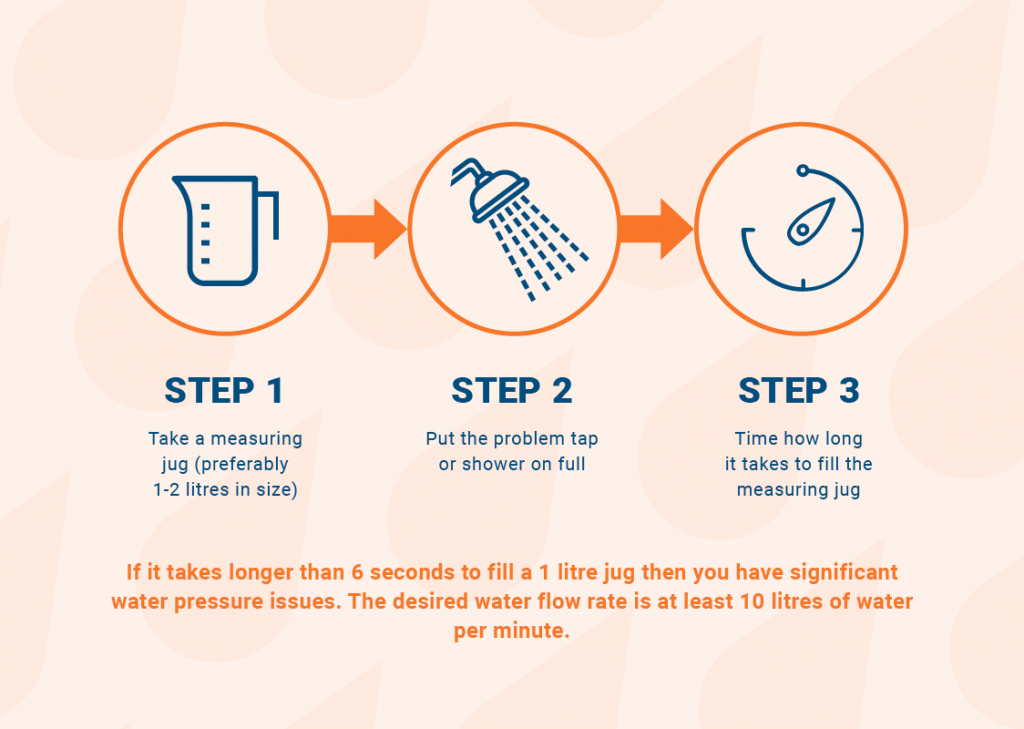
Why shower pressure drops and how to think about the problem
Low water pressure in shower happens for a few clear reasons. Mineral scale can clog showerheads and valves. Municipal supply changes or shared lines can reduce flow. Aging pipes, hidden leaks, and faulty pressure regulators also cause weak water. Understanding these causes makes fixes faster and cheaper.
When you test for low water pressure in shower, compare flow from other taps. If only the shower is weak, the issue is likely local. If the whole house has low water pressure in shower and faucets, it may be a main supply or pressure regulator issue. This simple split helps you decide your next step.
Common causes of low water pressure in shower
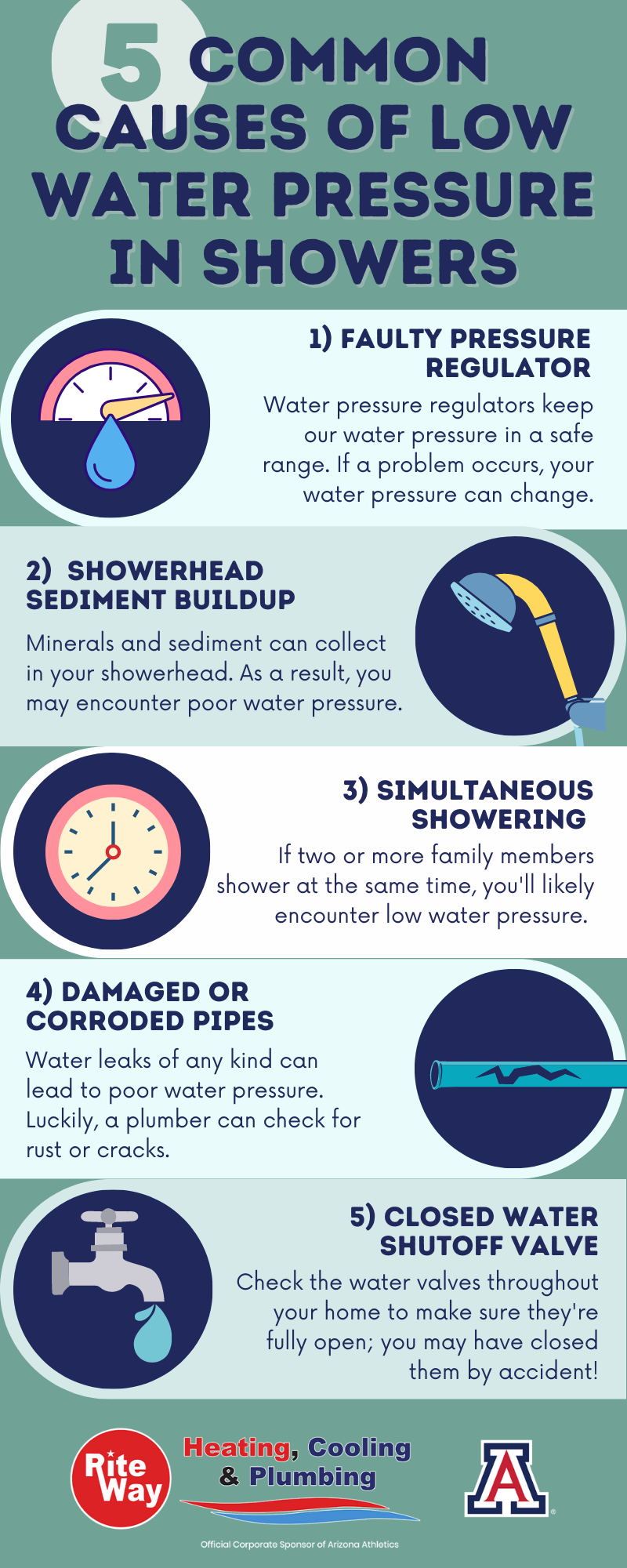
Most cases of low water pressure in shower come from a short list of problems. Here are the usual suspects.
- Mineral buildup in the showerhead that blocks spray holes.
- Clogged or faulty cartridge in the mixing valve.
- Partially closed shutoff valves near the water heater or under sinks.
- Pressure regulator failure or adjustments from the utility.
- Leaks in pipes reducing available flow.
- Narrow or corroded older pipes restricting water speed.
- Water heater sediment causing poor hot water flow.
Spotting which cause fits your situation speeds repairs. I once fixed low water pressure in shower for a neighbor by unclogging a single aerator. Small fixes often do the trick.
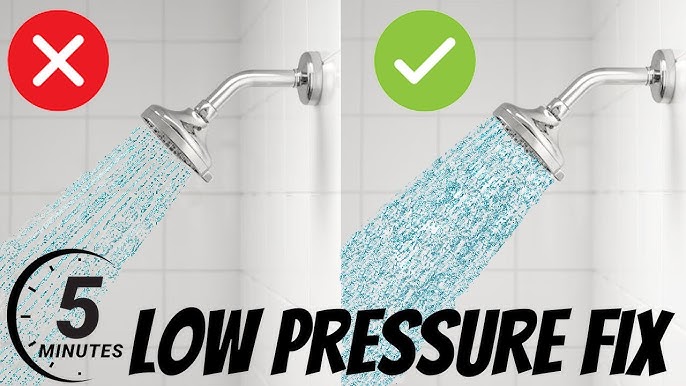
Quick checks before you start repairs
Do these simple tests first. They take minutes and tell you where to focus.
- Turn on other taps and note flow to see if the problem is isolated to the shower.
- Remove the showerhead and run water from the arm to check raw flow.
- Check the main shutoff and local shutoff valves to ensure they’re fully open.
- Inspect visible pipes for wet spots, rust, or stains that suggest leaks.
- Test hot and cold separately to see if one side has a problem.
If removing the showerhead restores strong flow, the showerhead or its screen is the issue. If flow is low without the head, the problem is deeper.

Tools and parts you may need
Gather these common items before you begin. They save trips to the store.
- Adjustable wrench and pliers for removing the showerhead.
- Screwdrivers for panel access or trim removal.
- White vinegar or a descaling solution for mineral buildup.
- Replacement showerhead, cartridge, or seals as needed.
- Teflon tape for threaded fittings.
- Bucket and towels to catch water.
- Pressure gauge to measure PSI if diagnosing regulator issues.
Having spare parts on hand speeds fixes. I always keep a basic kit ready for low water pressure in shower jobs.

Step-by-step fixes for low water pressure in shower
Follow these ordered steps. Stop when your shower pressure returns to normal.
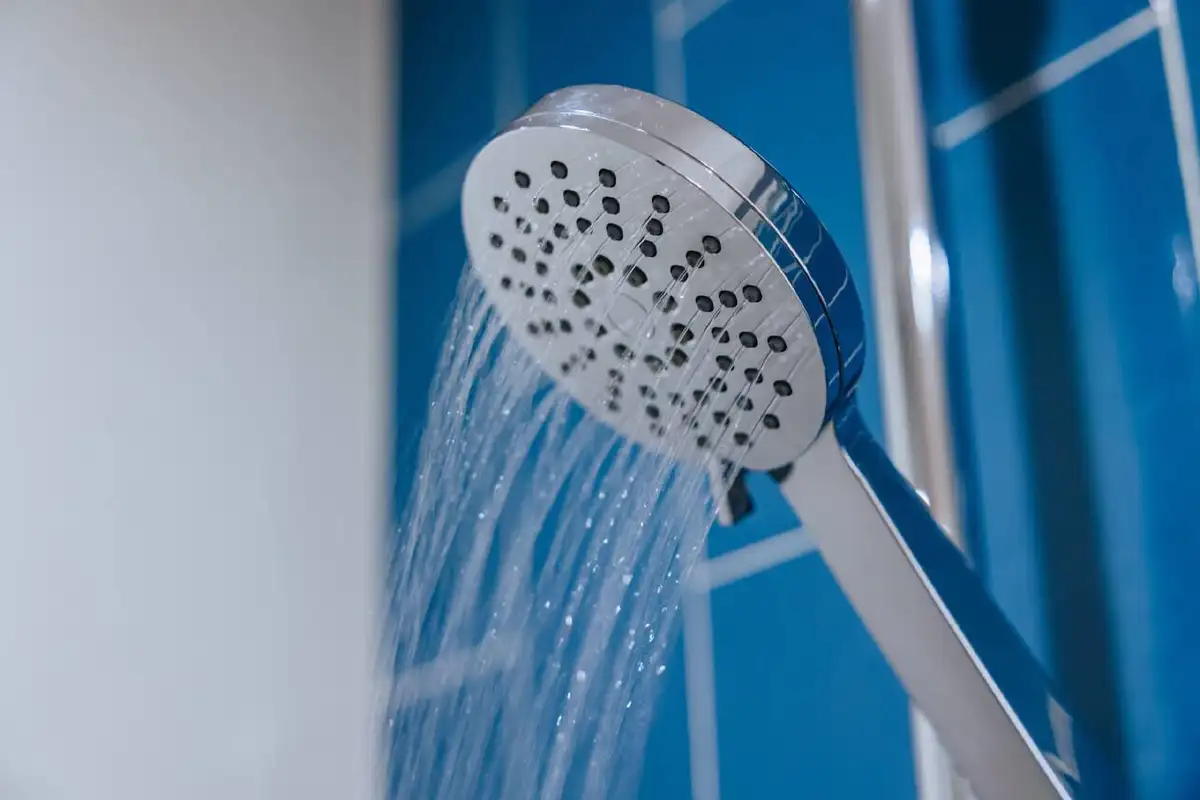
- Remove and clean the showerhead
- Turn off water or use a towel to limit spray.
- Unscrew the showerhead with a wrench. Protect finish with a rag.
- Soak it in white vinegar for 1–2 hours to dissolve scale.
- Use a soft brush to clear holes, rinse, and reinstall.
- Check and replace the shower cartridge or ceramic disc
- Turn off the local shutoff or main water supply.
- Remove handle and trim to access the cartridge.
- Inspect for cracks, mineral deposits, or worn seals.
- Replace the cartridge per manufacturer instructions.
- Inspect valves and supply lines
- Verify shutoff valves are fully open.
- Look for partial closures or stuck valves in older homes.
- If pipes are corroded or very narrow, consider repiping options.
- Test water pressure and regulator
- Use a pressure gauge on a hose bib to get PSI reading.
- Ideal household pressure is 40–60 PSI. Much lower suggests a supply problem.
- If regulator fails, adjust or replace it.
- Check for hidden leaks
- Monitor your water meter with all fixtures off to see if it moves.
- Look for damp patches, higher bills, or unusual sounds in walls.
- Repair leaks promptly to restore flow.
- Consider replacing old pipes or addressing municipal issues
- If multiple fixtures are weak, call the water utility to check mains.
- For old galvanized lines, consult a plumber about repiping.
After each step, test the shower. If pressure improves, stop and enjoy the results. If not, move to the next step.
When the problem is the water heater
Low hot water pressure in shower is a common variant. Sediment builds in the heater and restricts hot flow. Older units can have corroded anode rods or blocked dip tubes.
- Flush the water heater to remove sediment if hot flow is weak.
- Inspect the dip tube and inlet strainer for blockages.
- If the heater is failing, replacing it will restore both temperature and flow.
I once restored hot pressure by flushing a 12-year-old heater. That simple step made showers much better.

Preventive maintenance to avoid future low water pressure in shower
Simple care helps water flow stay strong for years.
- Clean showerheads every 3–6 months with vinegar.
- Inspect and operate shutoff valves once a year to keep them free.
- Flush the water heater annually to reduce sediment.
- Install a whole-house water softener if you have hard water.
- Replace old galvanized pipes when possible to improve long-term flow.
Small, regular tasks prevent the big headaches that cause low water pressure in shower.
Cost and time estimates for common fixes
Costs vary by work type. Expect these rough ranges.
- Clean showerhead: 15–60 minutes, cost under $10.
- Replace showerhead: 30 minutes, $20–$150 depending on model.
- Replace cartridge: 1–2 hours, $30–$150 for parts and DIY tools.
- Pressure regulator replacement: 1–3 hours, $150–$400 parts and labor.
- Repiping or major leak repairs: multiple days, $1,000+ depending on scope.
DIY fixes save money. Call a licensed plumber for complex jobs or when you are unsure.

Personal tips and lessons from real jobs
I’ve fixed dozens of low water pressure in shower issues. Here are practical tips from those experiences.
- Always test flow with the showerhead removed first. It tells you if the head is the culprit.
- Take pictures before disassembly to help during reassembly.
- Use vinegar before spending money on new parts; it often removes scale quickly.
- Don’t force old valves. You can break them and make a bigger job.
- When in doubt about gas or complex systems, stop and call a pro.
These small steps helped me avoid costly mistakes and saved time on many repairs.
Signs you should call a professional plumber
Hire a pro when you see these signs.
- Low water pressure in shower affects the whole home after simple checks.
- You find a major leak inside walls or ceilings.
- You need to repipe or change the pressure regulator.
- You are uncomfortable working with plumbing or lack tools.
- The problem persists after cleaning and replacing the showerhead and cartridge.
A good plumber diagnoses hidden issues quickly. For safety and warranty reasons, some fixes are best left to licensed technicians.
Frequently Asked Questions of How to fix low water pressure in shower
What is considered low water pressure in shower?
Low water pressure in shower usually feels like a weak, slow spray compared to other fixtures. Measured pressure below 30 PSI at the tap is generally low.
Can I fix low water pressure in shower myself?
Yes, many fixes are DIY. Cleaning the showerhead, checking valves, and replacing cartridges are common homeowner tasks.
Why does my shower have low hot water pressure but cold is fine?
This often points to the water heater or the hot side cartridge being clogged with sediment or mineral deposits. Flushing the heater and checking the hot inlet can help.
How long does it take to restore good shower pressure?
Minor fixes like cleaning a showerhead take 15–60 minutes. Replacing cartridges or regulators may take a few hours. Major repiping takes longer.
Will a water softener help with low water pressure in shower?
A water softener reduces scale buildup and can prevent future clogs, but it will not fix an existing mechanical blockage or leak.
Conclusion
Fixing low water pressure in shower starts with simple tests and often ends with a quick, low-cost repair. Clean the showerhead, check valves, and inspect the cartridge first. Measure pressure and look for leaks if the problem persists. If the issue is complex, call a licensed plumber to avoid damage. Try these steps, and leave a comment with your results or questions — I’ll help you troubleshoot further.