

Choose a rug that fits the room, anchors the seating, and matches your style and lifestyle.
I’ve helped dozens of homeowners and styled many living rooms, so I know how to pick the perfect rug for living room that looks great and lasts. This guide walks through size, shape, material, color, placement, care, and shopping tips with clear examples and personal lessons learned so you can make a confident choice.
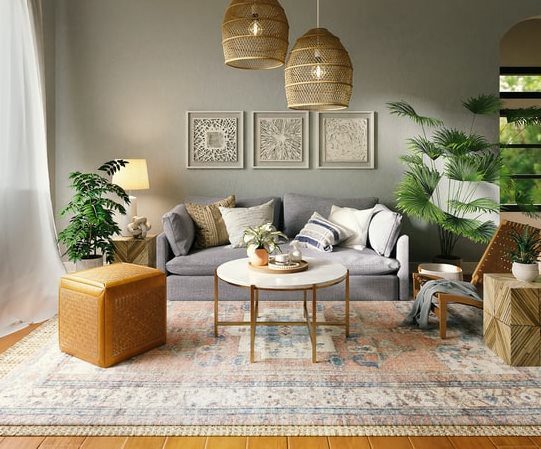
Size and placement: start by measuring the space
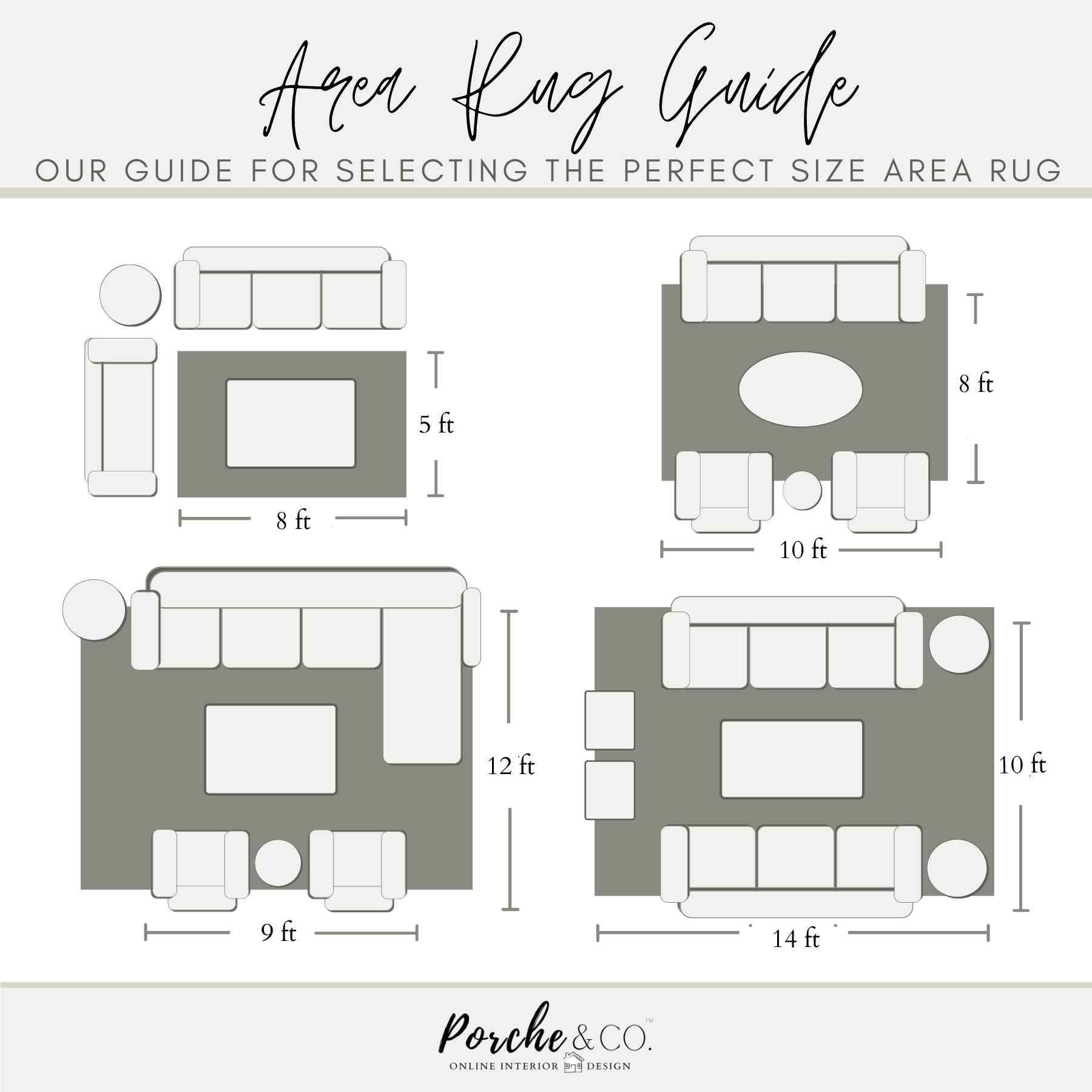
Picking the right size is the fastest way to get the room feeling complete. A rug that is too small makes a space feel chopped; one that’s too big can overwhelm furniture and flow.
Measure the room and the seating area before you shop. Common approaches work well for most layouts:
- Place rug under all furniture with at least the front legs on the rug to anchor the group.
- Use a rug that fits under the coffee table and leaves comfortable walking space around it.
- For floating furniture, choose a rug slightly larger than the coffee table so the furniture sits comfortably off the edge.
Rules of thumb I use with clients:
- For large living rooms, choose a rug that leaves 18–24 inches of bare floor at the edges.
- For medium rooms, leave 8–12 inches of exposed floor.
- For small spaces, place a rug under the front legs of key pieces or go full coverage if you want a cohesive look.
When puzzling out how to pick the perfect rug for living room, start with scale first. The rest—color, pattern, and fiber—will follow once the size feels right.

Shape and layout: match the rug to the room’s lines
Shape affects flow and mood. Rectangular rugs are the most flexible, but round and oval rugs can soften corners or highlight a seating cluster.
Consider these uses:
- Rectangular rugs for standard living rooms and aligning with sofas.
- Square rugs for smaller square rooms or under square coffee tables.
- Round rugs to create an intimate conversation area or under round tables.
I once recommended a round rug for a client with a deep-set window seat. The round shape softened the angles and made the seating feel more inviting. When you decide how to pick the perfect rug for living room, think about how shape interacts with furniture and traffic patterns.

Material and pile: match use to durability and feel
Material determines look, longevity, and maintenance. Choose a fiber that fits your household’s needs.
Common materials and where they work best:
- Wool—durable, soft, naturally stain-resistant; great for main living rooms.
- Synthetic fibers (polypropylene, nylon, polyester)—budget-friendly and stain-proof, good for kid- and pet-heavy homes.
- Natural fibers (jute, sisal) —textured and casual, best in low-moisture, low-traffic areas.
- Silk and viscose—luxurious sheen but fragile; use in low-traffic or layered styles.
Pile height matters too. Low-pile rugs are easy to clean and stable under furniture. High-pile or shag rugs feel plush but show wear faster. In my experience, wool low- to medium-pile rugs hit the best balance for most living rooms. If you want guidance on how to pick the perfect rug for living room in a busy household, prioritize stain resistance and easy cleaning.
:max_bytes(150000):strip_icc()/living-room-area-rugs-1977221-e10e92b074244eb38400fecb3a77516c.png)
Color and pattern: choose to balance mood and maintenance
Color sets tone. Pattern hides stains and gives energy. Balance both for long-term satisfaction.
How to choose:
- Use neutral rugs for flexibility and longevity.
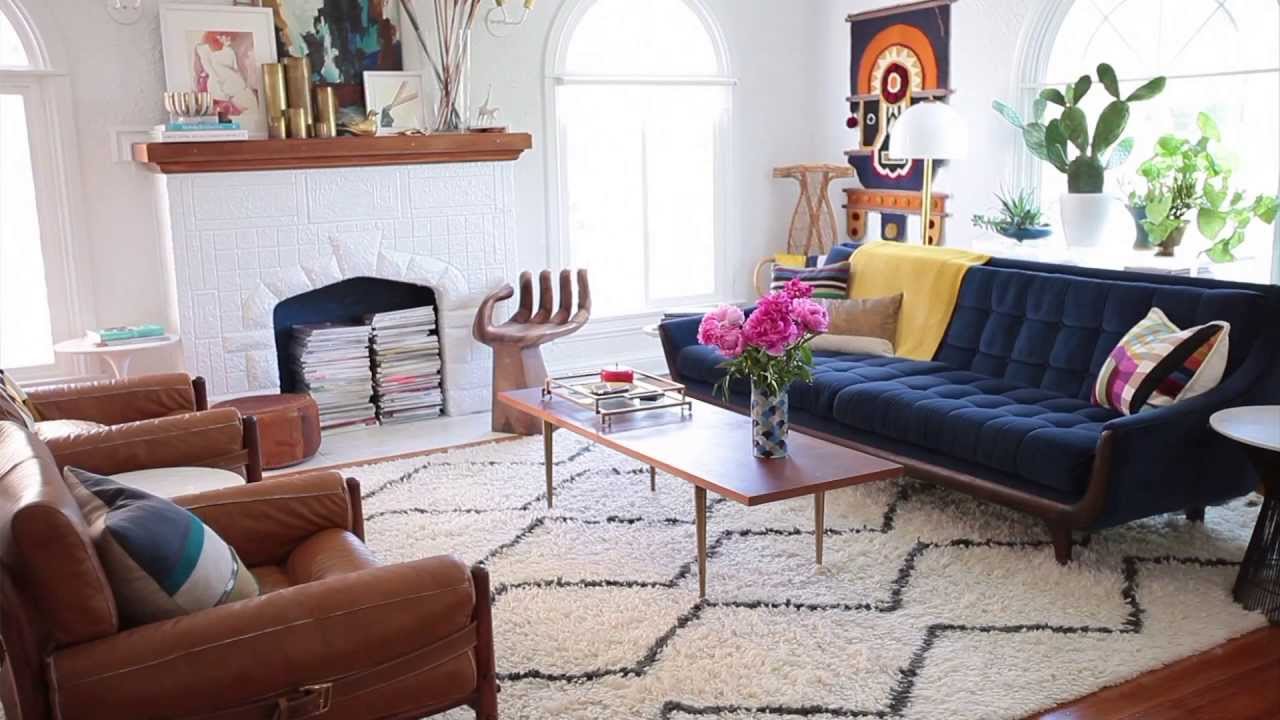
- Choose bold patterns to add life to a neutral sofa or plain walls.
- Match one or two colors in the rug to accents in the room to create cohesion.
- Consider scale—large patterns can make a small room feel bigger; small patterns add texture without overpowering.
A practical tip I use: if you have kids or pets, go for darker tones or busy patterns. These hide stains better and reduce stress about spills. When deciding how to pick the perfect rug for living room, imagine the rug in a lived-in week, not just on a clean showroom day.

Placement tips by layout and traffic
Placement affects comfort and flow. Choose a layout that supports conversation and movement.
Common layouts:
- All furniture on the rug—works well in large rooms and makes the area feel anchored.
- Front legs only—gives the appearance of a cohesive group while allowing for smaller rugs.
- Coffee table only—works for casual or layered looks but avoid tiny rugs that float awkwardly.
Keep traffic paths clear. Leave 24–30 inches for main walkways. If you place a rug near an entry, choose a durable material and non-slip pad. From my experience, a rug pad is one of the best investments. It prevents slipping, protects flooring, and extends rug life.
Care, maintenance, and durability
A rug’s care routine determines how long it will look good. Plan for cleaning and seasonal care.
Simple maintenance steps:
- Vacuum weekly in high-traffic living rooms using a suction-only setting for delicate fibers.
- Blot spills immediately; avoid rubbing.
- Rotate the rug every 6–12 months to even out wear and sun exposure.
- Schedule professional cleaning yearly for wool or every 2–3 years for synthetics.
I once saw a beautiful rug ruined by improper cleaning. When thinking about how to pick the perfect rug for living room, ask retailers about cleaning recommendations and warranty coverage before buying.
Budget, sustainability, and shopping strategy
Your budget shapes choices. You can get a durable rug at most price points if you shop smart.
Shopping tips:
- Set a budget range before browsing to avoid impulse buys.
- Consider secondhand or vintage rugs for unique looks and value.
- Look for sustainably made rugs or recycled fibers for lower environmental impact.
- Compare per-square-foot cost, return policy, and shipping to get the best deal.
If you’re on a tight budget, prioritize size and material over brand. Spend more where it matters—durable fiber and correct size—so your purchase looks good longer. That approach has saved clients money and headaches when I advise them on how to pick the perfect rug for living room.
Common mistakes to avoid
Avoid these frequent errors to ensure your rug choice enhances the room.
Typical mistakes:
- Buying a rug that’s too small for the seating area.
- Picking trendy patterns without considering long-term taste.
- Skipping a rug pad and dealing with slipping or uneven wear.
- Choosing a delicate fiber for a high-traffic, messy household.
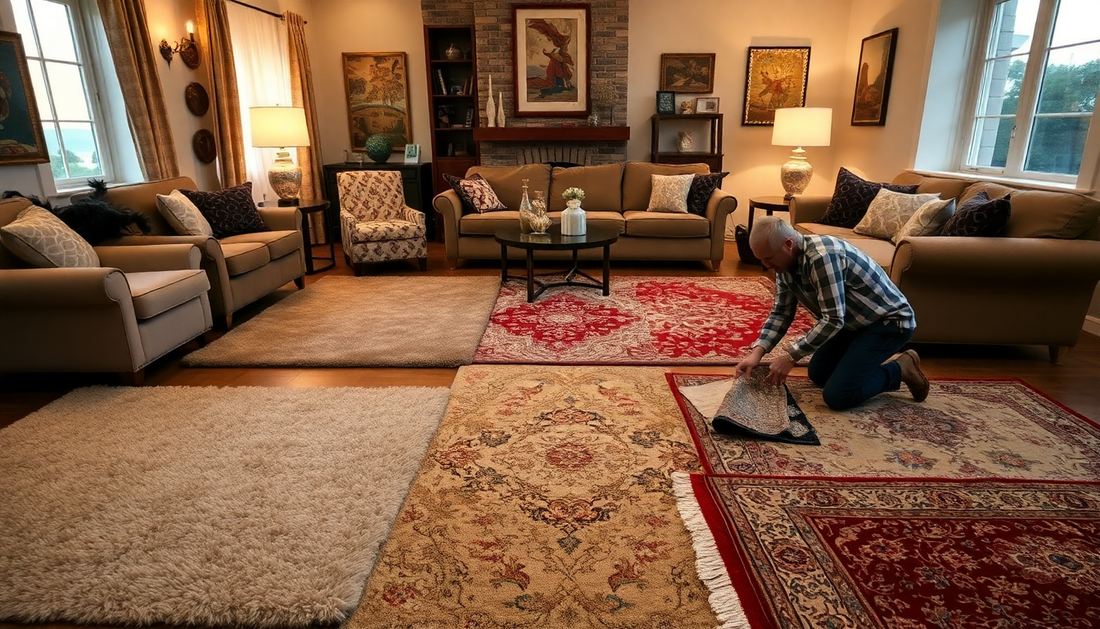
I learned to always prototype with painter’s tape or kraft paper to test rug size. That quick step saved me from buying rugs that looked wrong once delivered. When you learn how to pick the perfect rug for living room, small tests prevent big regrets.
Frequently Asked Questions of how to pick the perfect rug for living room
What size rug should I get for a living room with a standard sofa?
Measure the seating area and aim for a rug that allows the front legs of the sofa and chairs to sit on it. Common sizes are 8×10 or 9×12 for standard living rooms, but always measure first.
Can I layer rugs in the living room?
Yes, layering creates texture and depth. Use a larger neutral base rug and a smaller patterned rug on top to define a seating area and add visual interest.
Which rug material is best for homes with pets?
Synthetic fibers like polypropylene or wool blends work well for homes with pets because they resist stains and hold up to traffic. Pair with a rug pad for added protection and grip.
How do I choose between a bold pattern and a neutral rug?
Consider your existing furniture and how often you redecorate. Choose bold patterns for a statement look and neutrals if you want flexibility to change accents over time.
Do I need a rug pad and why?
Yes, a rug pad prevents slipping, protects floors, and extends rug life by reducing friction. Pads also add comfort and help keep the rug looking new longer.
Conclusion
Choosing the right rug means balancing size, shape, material, color, and care to match your lifestyle. Start with correct measurements, pick a durable fiber for daily use, and choose a color or pattern that complements your furniture. Try small tests like taping the rug outline on the floor before buying, and use a rug pad to protect your investment. Now take one small step: measure your living room and shortlist three sizes—then you’ll be well on your way to confidently choosing how to pick the perfect rug for living room. Leave a comment with your room size or questions, or subscribe for more styling tips.