

A heat pump cools by moving indoor heat outside using a refrigerant loop, compressor, and coils.
I’ve spent years working with HVAC systems and testing heat pumps in homes and offices. This article explains clearly how does a heat pump work as an air conditioner, step by step. You’ll learn the parts, the cooling cycle, efficiency tips, common mistakes, and real-world advice that I’ve learned on the job. Read on to make smarter choices about cooling your home with a heat pump.
How a heat pump works as an air conditioner
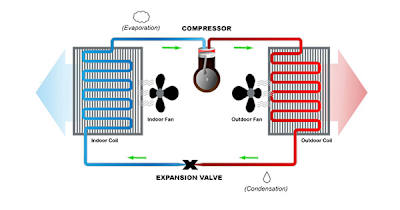
A heat pump cools your home by moving heat from the indoors to the outdoors. It uses the same refrigeration cycle as an air conditioner. The system circulates a refrigerant that absorbs heat indoors and releases it outside.
In cooling mode, a reversing valve directs refrigerant so the indoor coil acts as an evaporator and the outdoor coil acts as a condenser. The compressor raises refrigerant pressure and temperature so heat flows out at the outdoor coil.
How does a heat pump work as an air conditioner in simple terms? It’s like a small, controlled heat mover. It does not create cold air. It takes warm air out and leaves cooler air inside.
Key components that make a heat pump work as an air conditioner
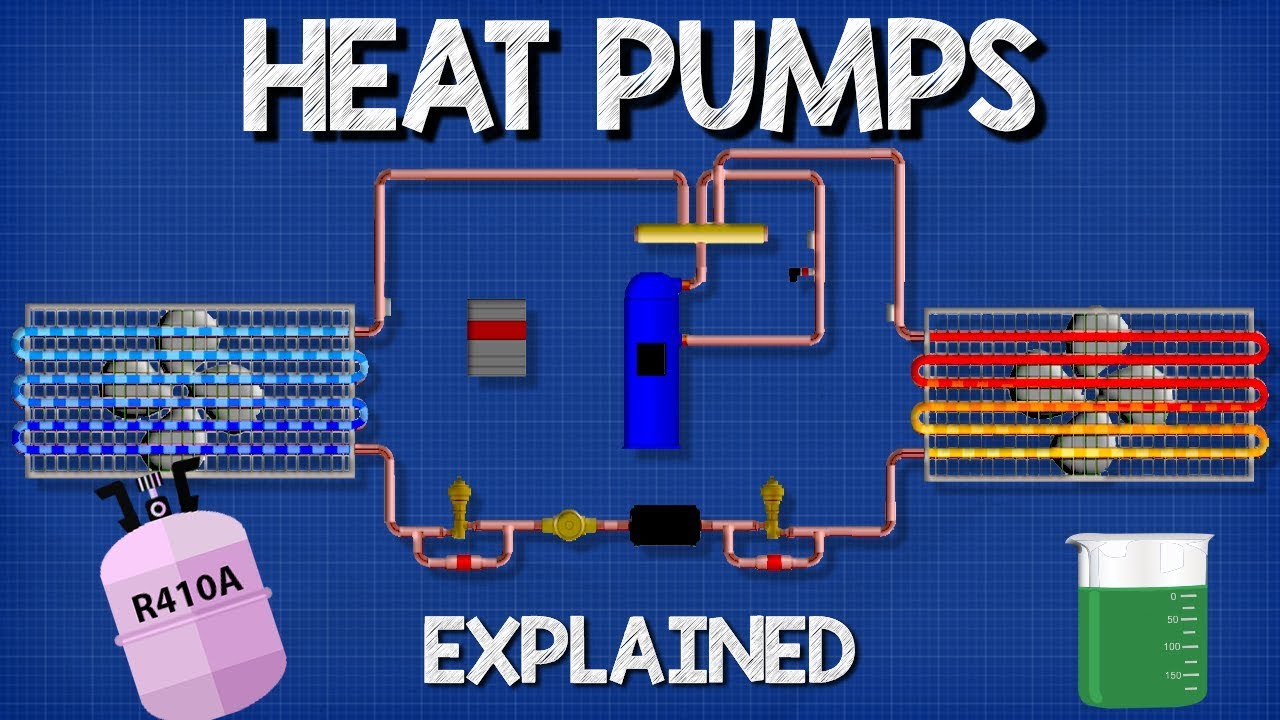
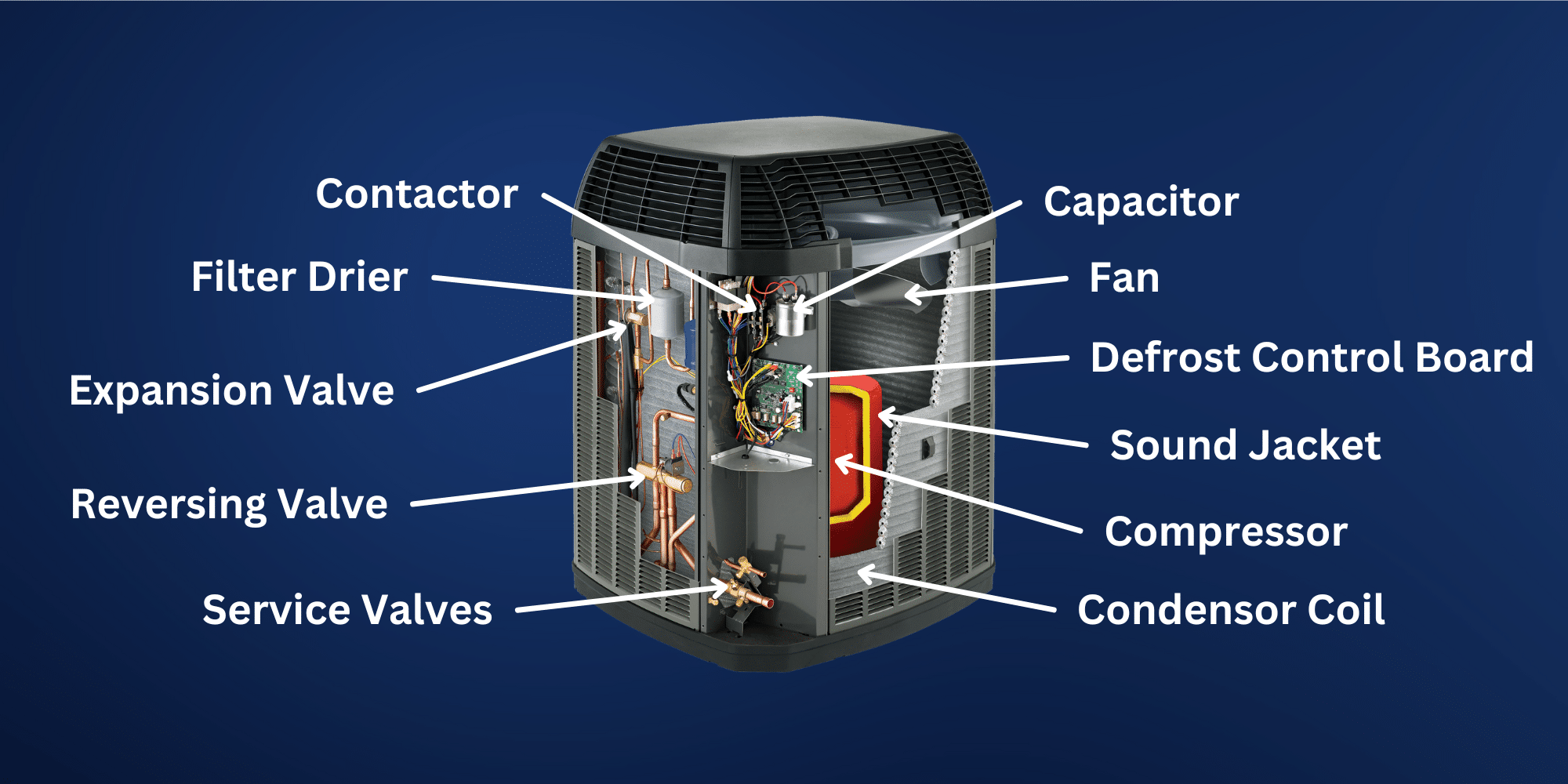
A heat pump has a few main parts. Each part plays a clear role in cooling.
- Compressor
- Pumps and pressurizes refrigerant to move heat.
- Reversing valve
- Switches direction for heating or cooling modes.
- Expansion device
- Lowers refrigerant pressure so it can absorb heat indoors.
- Indoor coil (evaporator in cooling mode)
- Absorbs heat from indoor air.
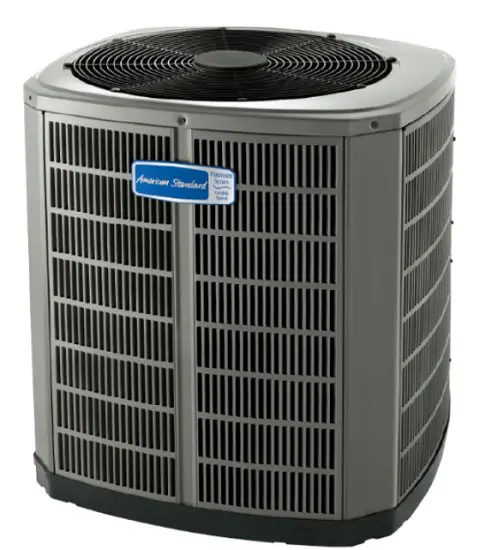
- Outdoor coil (condenser in cooling mode)
- Releases heat to the outside air.
- Refrigerant lines and controls
- Carry refrigerant and manage system cycles.
Understanding these parts helps you see how does a heat pump work as an air conditioner. Each part must work right for efficient cooling.
Cooling cycle explained: step-by-step how does a heat pump work as an air conditioner
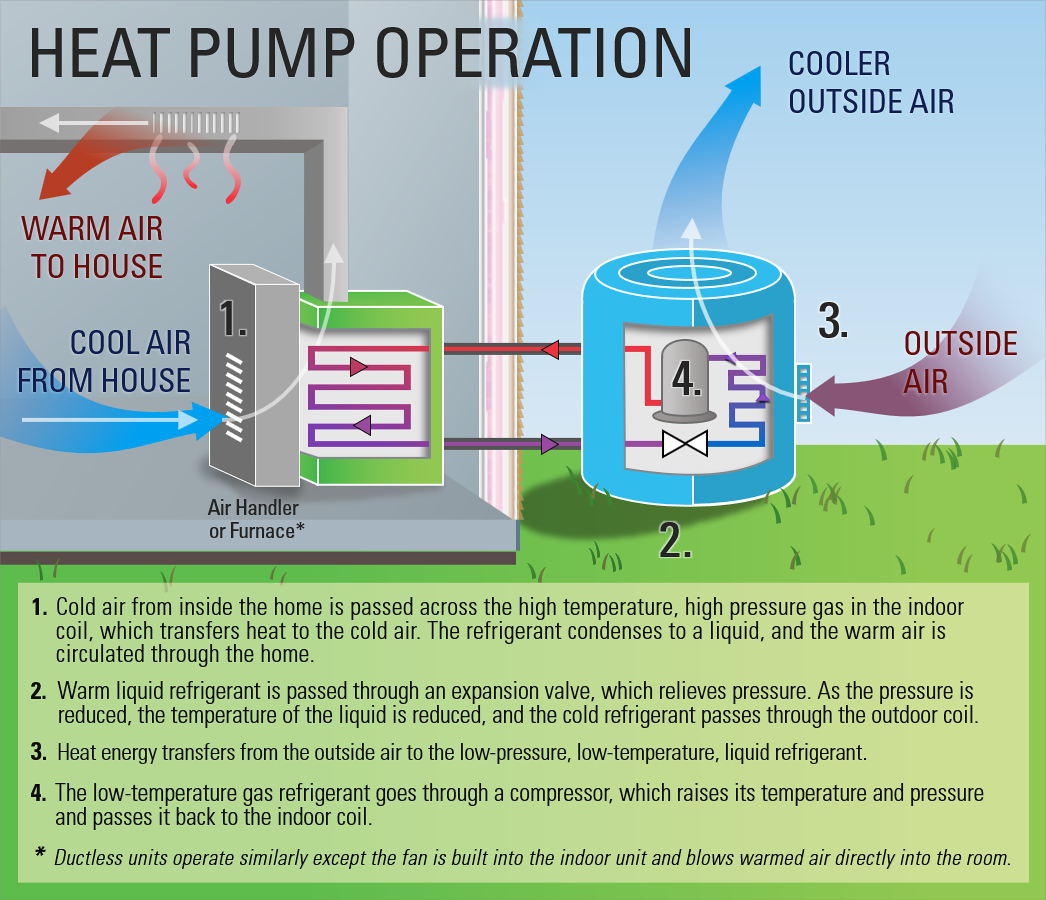
Here’s the cooling cycle in four simple steps.
- Refrigerant arrives at the indoor coil cold and low pressure. It absorbs heat from indoor air and evaporates.
- The vapor goes to the compressor. The compressor raises pressure and temperature.
- Hot, high-pressure refrigerant moves to the outdoor coil. It sheds heat and condenses to liquid.
- The liquid passes through the expansion device to drop pressure and temperature. The cycle repeats.
This continuous loop shows how does a heat pump work as an air conditioner every time it runs. If any step fails, cooling drops or the unit shuts down.

Efficiency and performance: ratings that matter when learning how does a heat pump work as an air conditioner
Performance numbers tell you how well a heat pump cools.
- SEER (Seasonal Energy Efficiency Ratio)
- Higher SEER means lower energy use for cooling.
- EER (Energy Efficiency Ratio)
- Measures efficiency at a single outdoor temperature.
- COP (Coefficient of Performance)
- Ratio of cooling output to energy input at a given moment.
A well-sized heat pump with a high SEER will show you how does a heat pump work as an air conditioner with lower bills. Proper installation and correct refrigerant charge are also essential for real-world efficiency.
Benefits and limitations of how does a heat pump work as an air conditioner
Heat pumps offer big perks. They cool and often heat too. They are efficient and simpler than separate furnace-plus-AC setups.
Benefits:
- Dual function for heating and cooling.
- High efficiency, especially in mild climates.
- Lower running costs compared to electric resistance heating.
Limitations:
- Reduced efficiency in extreme cold for some models.
- Higher upfront cost than a basic window AC.
- Requires proper sizing and regular maintenance.
Knowing these pros and cons helps you decide why and how does a heat pump work as an air conditioner for your home.

Installation, maintenance, and common mistakes from real experience with how does a heat pump work as an air conditioner
From hands-on work, I’ve seen a few common issues that cut performance.
- Poor sizing
- A unit too large or too small will short-cycle or fail to cool evenly.
- Incorrect refrigerant charge
- Too much or too little refrigerant reduces cooling and can damage the compressor.
- Poor airflow
- Dirty filters and blocked vents cut cooling capacity.
- Bad electrical connections
- Loose wires can cause intermittent failures.
Maintenance tips I follow:
- Change filters every 1–3 months.
- Clear debris around the outdoor coil.
- Schedule yearly tune-ups with a licensed tech.
- Check thermostat settings and fan function regularly.
These lessons show how does a heat pump work as an air conditioner in everyday use. Small actions keep your system efficient and extend its life.
Costs, rebates, and choosing the right system when considering how does a heat pump work as an air conditioner
Costs vary by size, brand, and region. Expect higher upfront cost than a basic AC. But energy savings and rebates can cut payback time.
- Upfront cost
- Includes the unit, ductwork (if needed), and installation.
- Operating cost
- Depends on SEER, local electricity rates, and usage.
- Rebates and incentives
- Many areas offer rebates for high-efficiency heat pumps.
Choosing tips:
- Match capacity to your home’s load, not just house size.
- Aim for a high SEER rating for hotter climates.
- Ask about incentives that make heat pumps more affordable.
Understanding these points helps you weigh how does a heat pump work as an air conditioner against other options.

Frequently Asked Questions of how does a heat pump work as an air conditioner
How is a heat pump different from a traditional air conditioner?
A heat pump uses a reversible cycle to both cool and heat, while a traditional AC only cools. In cooling mode, both systems work similarly by moving heat from inside to outside.
Can a heat pump cool as well as a central air conditioner?
Yes. A properly sized and installed heat pump cools as effectively as a central AC. Performance depends on SEER rating, installation quality, and maintenance.
Will a heat pump work in very hot climates?
Yes. Heat pumps can work well in hot climates if they have a high SEER rating and are correctly sized. Proper shading and ductwork also help maintain efficiency.
How often should I service my heat pump used as an air conditioner?
Service once per year is a good rule of thumb, with filter checks every 1–3 months. Annual tune-ups catch small issues before they become big problems.
Is a heat pump noisy when it runs as an air conditioner?
Modern heat pumps are designed to be quiet; most produce only gentle humming outside. Noise levels depend on model quality, installation, and outdoor placement.
Conclusion
A heat pump cools by moving heat from inside to outside using a refrigerant loop, compressor, coils, and a reversing valve. When you know how does a heat pump work as an air conditioner, you can pick the right unit, maintain it well, and avoid common problems. My practical tip: invest in correct sizing and annual service to get the best efficiency and lifespan. If you’re ready, compare local models, ask for professional load calculations, and check for rebates to make an informed choice. Share your questions below or subscribe for more HVAC tips.