

Have you ever noticed how a candle suddenly goes out when you cover it with a jar? It might seem like a simple trick, but there’s more happening than you realize.
Understanding why this happens can change the way you think about fire, air, and even safety around candles. Keep reading, and you’ll discover the surprising science behind this common experience—and why it matters to you every time you light a candle.
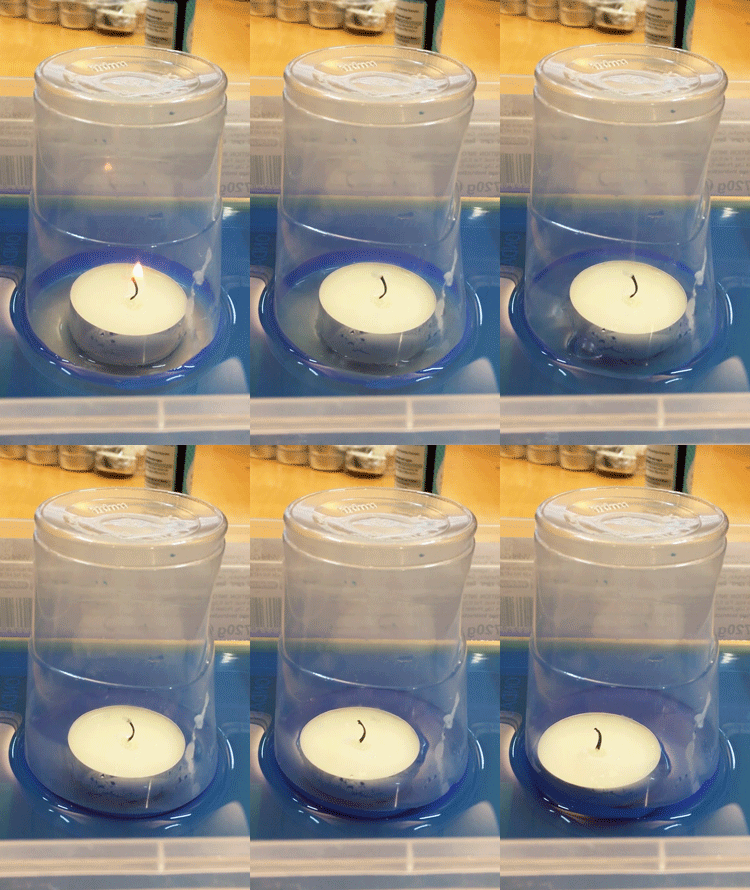
Credit: blogs.ncl.ac.uk
How A Candle Burns
A candle produces light and heat through a simple chemical process. This process involves the burning of wax and the wick. Understanding how a candle burns helps explain why it goes out when covered by a jar.
The flame needs certain conditions to stay alive. Removing one of these can make the flame stop. Let’s explore the parts that keep the candle burning.
Role Of Oxygen In Combustion
Oxygen is essential for a candle’s flame. The flame reacts with oxygen in the air to keep burning. Without oxygen, the flame cannot continue the chemical reaction.
When a jar covers the candle, it traps the air inside. The candle uses up all the oxygen quickly. Once the oxygen is gone, the flame dies out due to lack of fuel for burning.
Function Of The Wick And Wax
The wick acts like a fuel delivery system. It draws melted wax up to the flame. The wax then vaporizes and burns, producing light and heat.
The wax serves as the main fuel source. Without the wick, the wax cannot burn efficiently. Together, the wick and wax keep the candle flame steady and bright.
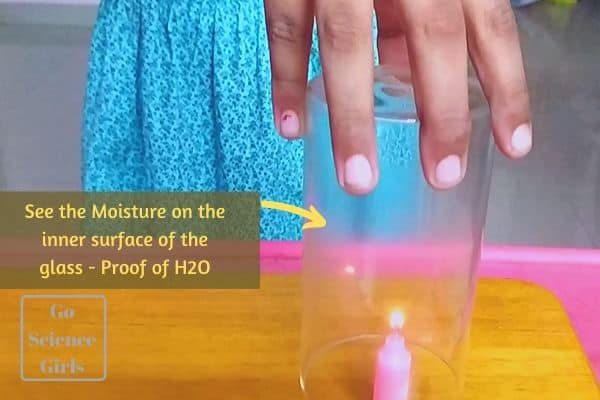
Credit: gosciencegirls.com
Effect Of Placing A Jar Over A Candle
Placing a jar over a candle changes what happens around the flame. The candle needs air to keep burning. The jar limits the air supply, which affects the candle’s light and heat. Understanding this helps explain why the candle goes out.
The jar acts like a small room that traps air and gases. This causes changes inside the jar. These changes stop the candle from burning.
Oxygen Depletion Inside The Jar
The candle uses oxygen to burn. It takes oxygen from the air inside the jar. The jar traps the air, so no fresh oxygen comes in. As the candle burns, it uses all the oxygen inside the jar. Without oxygen, the flame cannot stay alive. The flame starts to shrink and then goes out.
Build-up Of Carbon Dioxide And Heat
The candle releases carbon dioxide as it burns. This gas builds up inside the jar. Carbon dioxide does not support fire. The heat also stays trapped inside the jar. The rising temperature and gas make the air less helpful for the flame. The flame struggles and finally dies out.
Scientific Principles Behind The Flame Extinguishing
The flame of a candle needs certain conditions to keep burning. When a jar covers the candle, these conditions change quickly. The science behind this is simple and clear. It shows how fire depends on air and fuel.
Understanding why a candle goes out inside a jar helps us learn basic science. It explains the role of oxygen and how fire reacts to its absence.
Chemical Reactions During Combustion
The candle flame burns because of a chemical reaction called combustion. This reaction happens between the wax vapor and oxygen in the air. The wax melts and turns into gas. The gas mixes with oxygen and burns, producing light and heat.
Combustion needs oxygen to keep going. It breaks down the wax molecules, releasing energy. Without oxygen, the reaction stops, and the flame dies.
Limiting Factors For A Sustained Flame
Placing a jar over the candle limits oxygen supply. The flame uses up the oxygen inside the jar quickly. No fresh oxygen can enter the jar to replace it.
Carbon dioxide and water vapor build up inside the jar. These gases do not support burning. The lack of oxygen and the rise of these gases cause the flame to go out.
The candle flame also needs heat. The jar traps heat but also cools down as the flame fades. Without enough heat, the wax vapor cannot burn.
Common Experiments Demonstrating This Phenomenon
Many people enjoy simple science experiments to see how air and fire work together. One common experiment shows why a candle stops burning when covered by a jar. This experiment helps us understand oxygen’s role in keeping a flame alive. It is easy to do and explains the science behind the candle going out.
These experiments use everyday items. They show how air inside a container changes as the candle burns. Watching the candle go out teaches about oxygen use and air pressure. These simple tests make science clear and fun for all ages.
Simple Candle And Jar Test
Light a candle and place it on a flat surface. Take a clear glass jar and cover the candle completely. Watch the flame carefully. At first, the candle burns bright. Then, the flame gets smaller. Soon, it goes out. This happens because the candle uses up oxygen inside the jar. No oxygen means no fire. The air inside changes and no new air can come in. The candle stops burning because it runs out of air to breathe.
Variations With Different Containers
You can try this experiment with other containers. Use metal tins, plastic cups, or even a bowl. Each container traps air differently. Some are tight and stop air quickly. Others let some air in through small holes. Watch how long the candle burns in each container. This shows how air flow affects the flame. Different shapes and sizes change how fast oxygen disappears. These variations help you see how air keeps fire alive in many ways.
Practical Implications And Safety Tips
Understanding why a candle goes out under a jar helps in using candles safely. This knowledge shows how air and oxygen affect a candle’s flame. It also points out important safety tips to avoid accidents. Always think about these practical points when burning candles at home.
Fire Safety Considerations
Never leave a burning candle unattended. Keep candles away from curtains, papers, and other flammable items. Place candles on a stable, heat-resistant surface. Avoid burning candles near children or pets. Use a candle snuffer to put out flames safely. Burning a candle under a jar can cause heat to build up. This may crack the jar or cause it to break. Always allow the jar to cool before handling it. These steps reduce fire hazards and keep your home safe.
Using Candles In Enclosed Spaces
Air flow is very important for candle burning. A jar limits oxygen supply to the flame. Without enough oxygen, the candle will go out quickly. Never cover a candle completely in a small space. This can cause smoke or harmful gases to build up. Always ensure good ventilation in rooms where you use candles. Use jars that allow some air flow if you want to cover candles. This way, the flame lasts longer and burns cleaner. Safe candle use means fresh air and careful placement.

Credit: www.reddit.com
Frequently Asked Questions
Why Does A Candle Go Out Under A Jar?
A candle goes out because the jar traps oxygen. The flame uses oxygen to burn. Without fresh air, the flame suffocates and extinguishes quickly.
How Does Oxygen Affect A Candle Flame?
Oxygen fuels the candle’s combustion process. When oxygen is limited, the flame cannot sustain itself. Lack of oxygen causes the candle to go out.
Can A Candle Burn Without Oxygen Inside A Jar?
No, a candle cannot burn without oxygen. The jar limits oxygen supply. Without oxygen, the chemical reaction in the flame stops immediately.
What Causes The Candle Smoke When Covered By A Jar?
Smoke forms as the flame dies due to oxygen shortage. Incomplete combustion creates soot particles, visible as smoke inside the jar.
Conclusion
A candle needs air to keep burning. Putting a jar over it blocks the oxygen. Without oxygen, the flame cannot stay alive. The candle then goes out quietly. This simple act shows how fire depends on air. Understanding this helps us see how fire works.
Next time you try it, remember the air is the key. Small science in everyday life.