

Looking to hang a mirror but not sure what to use to attach it to your wall? You want it to be secure, safe, and damage-free, but with so many options out there, it’s easy to feel overwhelmed.
Choosing the right method can make all the difference in keeping your mirror steady and your wall intact. You’ll discover simple, effective ways to hang your mirror perfectly—whether it’s heavy or light. Keep reading, and you’ll find the best solution that fits your space and style without any hassle.

Credit: thediyplaybook.com
Choosing The Right Mounting Method
Choosing the right mounting method is key for a safe and secure mirror installation. The method depends on several factors like the mirror’s weight, wall type, and frame material. Picking the wrong method can cause damage or accidents. Understanding these factors helps to select the best option for your space.
Weight Considerations
Mirrors come in many sizes and weights. Heavy mirrors need stronger support like wall anchors or screws. Light mirrors may only need adhesive strips or small hooks. Always check the mirror’s weight before buying mounting tools. Using weak mounts for heavy mirrors risks falling and breaking.
Wall Type Impact
Wall materials vary widely. Drywall, plaster, brick, and concrete all require different mounting methods. Drywall often needs anchors or special hooks. Brick and concrete walls need drilled holes and heavy-duty anchors. Knowing your wall type ensures you use the right tools for a firm hold.
Mirror Frame Material
The frame material affects how you mount a mirror. Wooden frames can hold screws or nails easily. Metal frames may need special hooks or brackets to avoid damage. Frameless mirrors often use clips or adhesive pads. Match the mounting method to the frame to keep the mirror safe and stable.
Credit: www.youtube.com
Types Of Mounting Hardware
Choosing the right mounting hardware is key to hanging a mirror securely. Different mirrors need different supports based on their size and weight. The wall type also matters. This section explains common types of mounting hardware. These help you pick the best option for your mirror and wall.
Picture Hooks And Nails
Picture hooks and nails are simple and cheap. They work well for small, light mirrors. Nails go into the wall and hold the hook. Hooks hang the mirror’s wire or frame. Use a level to make sure the mirror hangs straight. This method is quick but not for heavy mirrors.
Adhesive Strips And Tapes
Adhesive strips and tapes stick the mirror directly to the wall. They are easy to use and leave no holes. Ideal for small mirrors or smooth surfaces like tiles. Clean the wall before sticking the tape. Check the weight limit on the package. Not good for heavy or uneven walls.
Mirror Clips And Brackets
Mirror clips and brackets hold mirrors firmly in place. Clips attach to the mirror edges and screw into the wall. Brackets offer stronger support for bigger mirrors. Use these on drywall or plaster walls. They keep the mirror flat and secure. Best for medium to large mirrors.
Anchors And Screws
Anchors and screws are strong and reliable. Anchors go inside the wall to hold screws tightly. Use them for heavy mirrors or drywall. This method prevents the mirror from falling. Requires drilling holes in the wall. Perfect for long-term mounting and safety.
Preparing The Wall And Mirror
Preparing the wall and mirror is key to a secure and lasting attachment. Proper preparation prevents damage and ensures the mirror stays in place. Take time to get this step right for the best results.
Cleaning The Surface
Start by cleaning the wall where the mirror will hang. Use a mild detergent and water to remove dust and grease. Dry the area fully with a clean cloth. A clean surface helps the adhesive or hooks stick better.
Next, clean the back of the mirror. Remove any dirt or fingerprints. Use a glass cleaner and soft cloth for a clear, clean surface. This avoids slipping or weak attachment.
Measuring And Marking
Measure the wall space to find the perfect spot for your mirror. Use a tape measure to check height and width. Mark the spot lightly with a pencil. Make sure the marks are level to keep the mirror straight.
Check twice before drilling or sticking anything. Accurate marks save time and prevent damage. A level mirror looks neat and professional.
Protecting The Mirror
Protect the mirror edges before attaching it. Use painter’s tape along the border to prevent chips or cracks. Handle the mirror with care to avoid dropping.
Place the mirror on a soft surface during prep. This keeps it safe and clean. Taking these steps helps the mirror stay perfect for years.

Credit: www.youtube.com
Step-by-step Mounting Guides
Mounting a mirror on your wall needs care and the right method. This guide breaks down the steps for different mirror weights. Each method uses easy tools and materials. Follow these simple steps to hang your mirror safely and securely.
Using Adhesive For Lightweight Mirrors
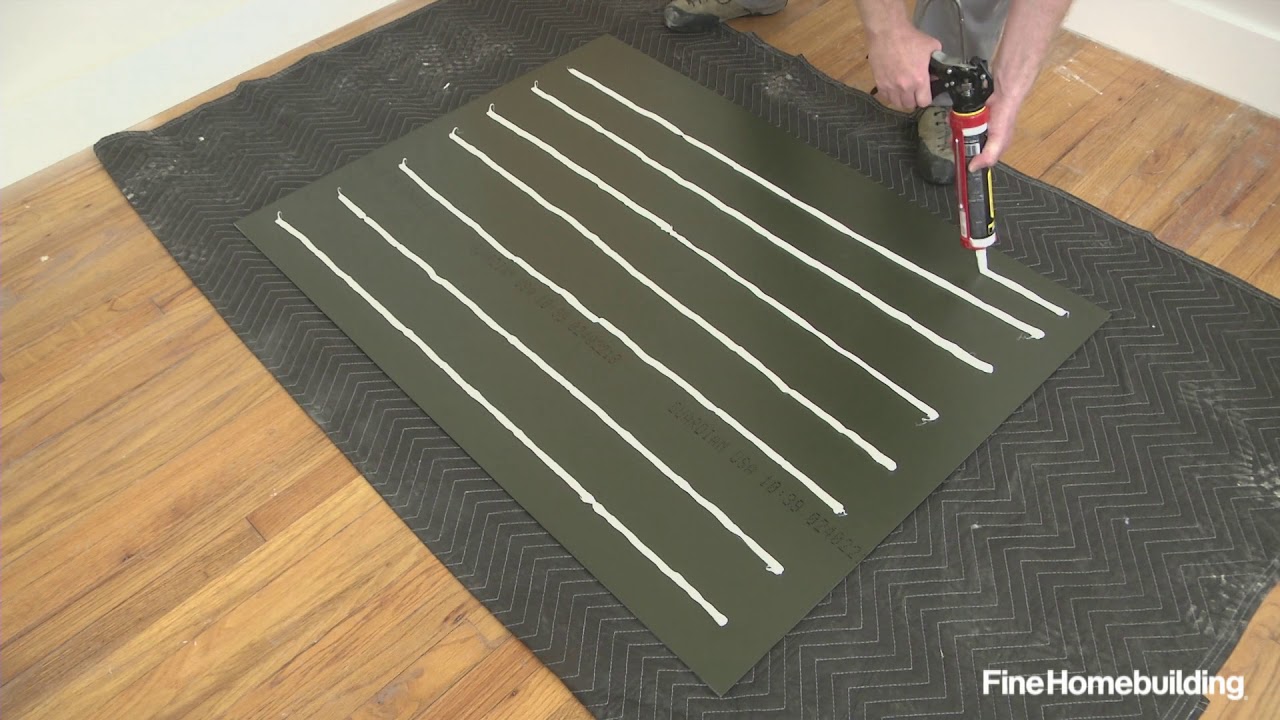
Clean the wall surface well. Make sure it is dry and free of dust. Apply strong mirror adhesive to the back of the mirror. Use enough adhesive to cover the edges and center. Press the mirror firmly against the wall. Hold it in place for a few minutes. Let the adhesive dry for 24 hours before touching.
Installing Hooks For Medium Weight Mirrors
Find the right spot on the wall. Use a pencil to mark where hooks will go. Drill small holes for wall plugs. Insert the plugs into the holes. Screw in the hooks tightly. Attach hanging wire or brackets to the mirror back. Hang the mirror on the hooks carefully. Check that it is level and secure.
Securing Heavy Mirrors With Anchors
Locate wall studs with a stud finder. Mark where the screws will go. Drill pilot holes into the studs. Use heavy-duty wall anchors for extra support. Insert the anchors into the holes. Screw in strong hooks or brackets. Attach hanging hardware to the mirror firmly. Lift and hang the mirror on the anchors. Confirm the mirror holds steady and safe.
Safety Tips For Secure Mounting
Mounting a mirror on the wall needs care and safety. A securely attached mirror looks good and stays safe. It prevents accidents and damage to your walls. Follow simple safety tips to make sure your mirror stays in place. Use the right tools and techniques to avoid trouble.
Avoiding Wall Damage
Choose the right anchors for your wall type. Drywall needs different anchors than brick or plaster. Use a stud finder to locate strong points. Avoid drilling into pipes or wires. Use gentle tools to prevent cracks or holes. Keep the mirror weight in mind when selecting hardware.
Ensuring Level Placement
Use a level tool to place the mirror straight. Mark the spots for hooks or screws carefully. Double-check measurements before drilling or hammering. A crooked mirror looks unprofessional and can fall. Take your time to position it perfectly on the wall.
Regular Maintenance Checks
Check your mirror mounts often for looseness or damage. Tighten screws or replace anchors if needed. Clean the mirror and the wall area carefully. Look for signs of wear that might cause falls. Regular checks keep your mirror safe and secure.
Troubleshooting Common Issues
Attaching a mirror to the wall can sometimes cause problems. The mirror might fall, the wall could get damaged, or you may need to remove the hardware later. Knowing how to fix these issues helps keep your space safe and neat.
Mirror Falling Off
A falling mirror often means the mounting was not strong enough. Check if the hooks or adhesive strips can hold the mirror’s weight. Use anchors or stronger screws for heavy mirrors. Make sure the wall surface is clean before attaching. Avoid hanging mirrors on weak or uneven walls.
Wall Damage Repairs
Holes and cracks happen after removing screws or nails. Fill small holes with spackle or wall filler. Sand the area smooth once dry. For bigger damage, use a patch kit. Paint over the repaired spot to match the wall color. This keeps your wall looking fresh and new.
Removing Mounting Hardware Safely
Remove hooks and screws gently to avoid extra damage. Use a screwdriver that fits well to prevent slipping. Pull adhesive strips slowly, pulling straight down. If the hardware sticks hard, warm it with a hairdryer first. Clean leftover glue or marks with mild soap and water.
Frequently Asked Questions
What Is The Best Adhesive For Attaching A Mirror To The Wall?
The best adhesive for mirrors is a heavy-duty mirror adhesive or silicone-based glue. It ensures a strong, lasting bond without damaging the mirror or wall.
Can I Use Double-sided Tape To Hang A Mirror?
Double-sided tape can hold small mirrors but isn’t reliable for heavy ones. Use it only for lightweight, frameless mirrors on smooth surfaces.
How Do I Safely Hang A Heavy Mirror On Drywall?
Use wall anchors or toggle bolts with a sturdy mirror hanger. This prevents damage to drywall and secures the mirror safely.
Is It Necessary To Use A Mirror Mounting Kit?
Yes, a mirror mounting kit includes clips and adhesive designed specifically for mirrors. It offers secure attachment and prevents slipping or damage.
Conclusion
Choosing the right way to attach a mirror makes a big difference. Use strong hooks or adhesive strips for light mirrors. Heavy mirrors need anchors or wall brackets for safety. Always check the wall type before starting your project. Take your time and measure carefully.
A well-secured mirror looks nice and stays safe on the wall. Small steps lead to good results. Now, you can hang your mirror with confidence and ease.