

Have you ever wondered how wall mirrors stay securely in place without falling? Whether you’re decorating your home or just curious, knowing how wall mirrors are mounted can save you time and frustration.
Your mirror’s safety and appearance depend on the right mounting method. You’ll discover simple, effective ways to hang your mirror so it looks great and stays put. Keep reading to find out the secrets behind perfectly mounted wall mirrors!
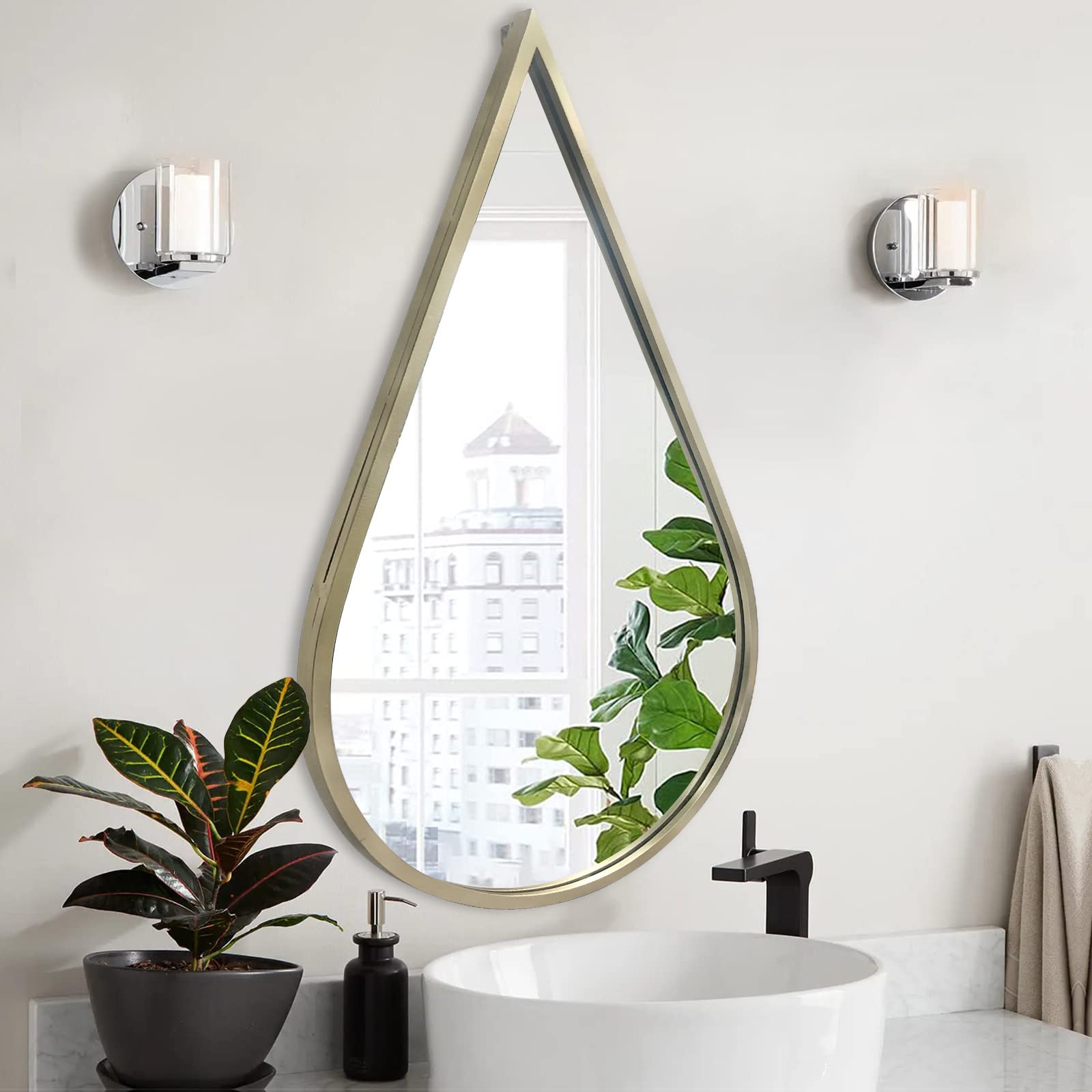
Credit: www.amazon.com
Types Of Wall Mirrors
Wall mirrors come in many types. Each type suits different rooms and styles. Choosing the right mirror depends on your space and needs.
Some mirrors highlight style. Others focus on function. Knowing the types helps you pick the best one.
Framed Vs Frameless Mirrors
Framed mirrors have borders made of wood, metal, or plastic. These frames add style and color. They fit well in classic or modern rooms.
Frameless mirrors have no borders. They offer a clean, simple look. These mirrors make rooms feel bigger and brighter.
Frames can be thick or thin. Frameless mirrors often have polished edges. Both types can be hung easily on walls.
Decorative And Functional Styles
Decorative mirrors act as art. They have unique shapes and designs. These mirrors add beauty to any room.
Functional mirrors help with daily tasks. Bathroom and dressing room mirrors are common examples. They focus on clear reflection and size.
Some mirrors blend both styles. They look good and serve a purpose. This mix suits living rooms and bedrooms well.

Credit: www.youtube.com
Common Mounting Hardware
Mounting a wall mirror requires the right hardware for safety and style. Common mounting hardware keeps mirrors secure and steady on walls. Each type fits different mirror sizes and wall materials. Understanding these tools helps you choose the best option for your mirror.
D-rings And Wire
D-rings attach to the mirror’s back frame corners. A wire connects between the two rings. Hang the wire on a wall hook or nail. This method suits medium to large mirrors. It allows easy height adjustment and a level hang.
Keyhole Hangers
Keyhole hangers are small metal plates with a slot. The mirror has screws or hooks that fit into the slot. Slide the mirror down to lock it in place. This method keeps the mirror flush against the wall. It works well for lightweight mirrors.
Cleats And Brackets
Cleats include two parts—one on the mirror, one on the wall. They lock together for a strong hold. Brackets hold the mirror from the bottom or sides. Both are good for heavy or large mirrors. They provide extra stability and prevent tilting.
Preparing The Wall
Preparing the wall is a key step before mounting a wall mirror. This step helps ensure the mirror stays safe and secure. Proper preparation prevents damage to the wall and mirror. It also makes the mounting process easier and faster.
Choosing The Right Wall Surface
Not all walls can hold a mirror well. Solid walls like brick, concrete, and wood are best. Drywall can work but needs extra care. Avoid weak surfaces like thin plaster or wallpaper alone. A firm surface keeps the mirror stable. It also stops the mirror from falling and breaking.
Locating Studs And Supports
Studs are vertical wooden beams behind drywall. They provide strong support for heavy mirrors. Use a stud finder to locate these beams. Mark the stud locations with a pencil. Mounting on studs keeps the mirror steady. For lighter mirrors, use wall anchors in drywall. Anchors spread the mirror’s weight evenly.
Tools Needed For Hanging
Hanging a wall mirror needs the right tools to keep it safe and straight. Using proper tools makes the job easier and prevents damage to walls or the mirror. Prepare these tools before starting to hang your mirror.
Measuring And Leveling Tools
Measure the wall space to choose the perfect spot. Use a tape measure to get exact distances. A pencil helps mark the wall for drilling points. A level ensures the mirror hangs straight. Without a level, the mirror may look tilted. These tools help you place the mirror perfectly.
Drills, Anchors, And Screws
A drill is needed to make holes for screws or anchors. Choose drill bits that match the screw size. Anchors hold the screws firmly, especially in drywall. Use anchors to prevent the mirror from falling. Screws must be strong enough to hold the mirror weight. Select screws that fit the anchor and mirror frame. These tools keep the mirror secure on the wall.
Step-by-step Hanging Process
Hanging a wall mirror correctly is important for safety and style. Follow these simple steps to mount your mirror securely. Each step helps ensure the mirror stays in place and looks great on your wall.
Marking The Placement
Decide where the mirror will hang. Use a pencil to mark the wall. Measure carefully to keep the mirror level. Mark the top edge or the hanging points on the wall. Double-check the marks before drilling.
Installing Anchors Or Screws
Choose the right anchors or screws for your wall type. Drill holes at the marked spots. Insert wall anchors if needed for drywall or plaster. Screw in the screws, leaving a small gap to hang the mirror. Make sure screws are secure and stable.
Securing The Mirror
Lift the mirror carefully and align it with the screws. Hang the mirror on the screws or hooks. Check that it fits snugly and does not wobble. Adjust the position if needed for balance. Step back and admire your work.

Credit: www.wikihow.com
Safety Tips For Heavy Mirrors
Heavy mirrors can be beautiful but tricky to hang safely. They need strong support to avoid accidents. Knowing the right safety tips helps keep your walls and family safe.
Proper installation reduces the risk of the mirror falling and breaking. It also protects your walls from damage. Follow these simple steps for a secure setup.
Using Proper Anchors
Heavy mirrors need strong anchors made for weight. Regular nails or screws may not hold well. Use wall anchors designed for heavy loads, like toggle bolts or molly bolts. These spread the weight and grip the wall better. Always check the anchor’s weight limit. Match it to your mirror’s weight for safety.
Double Checking Stability
After hanging, test the mirror’s hold gently. Push lightly to see if it moves. Check the frame and hooks for any looseness. Tighten screws if needed. Look for cracks or wall damage around the anchors. Fix any issues before leaving the mirror alone. A stable mirror stays safe for years.
Troubleshooting Common Issues
Troubleshooting common issues with wall mirrors helps keep them safe and looking good. Many problems arise from simple mistakes during mounting. Fixing these problems quickly stops damage and keeps your mirror steady.
Uneven Hanging
Uneven hanging makes the mirror look crooked and unbalanced. Use a level tool to check the mirror’s position. Adjust hooks or nails until the mirror hangs straight. Sometimes, the wall hooks are not the same height. Measure carefully before drilling or hammering. A crooked mirror distracts from your room’s style and can fall if not fixed.
Wall Damage Prevention
Prevent wall damage by choosing the right mounting hardware. Use anchors for drywall to hold the mirror’s weight. Avoid nails alone for heavy mirrors. Mark the wall gently before drilling to avoid mistakes. Use padding between the mirror and wall to stop scratches. Proper tools protect your walls and keep your mirror safe.
Frequently Asked Questions
How Do You Mount A Wall Mirror Securely?
To mount a wall mirror securely, use proper anchors and screws for your wall type. Measure and mark the spot. Use a level to ensure straight placement. Hang the mirror on sturdy hooks or brackets to prevent slipping or falling.
What Tools Are Needed To Mount Wall Mirrors?
Essential tools include a drill, screwdriver, measuring tape, level, and wall anchors. You may also need a stud finder and pencil for marking. These tools help ensure accurate placement and secure mounting of your wall mirror.
Can You Hang A Mirror On Drywall Without Studs?
Yes, you can hang a mirror on drywall without studs using heavy-duty wall anchors or toggle bolts. These support the mirror’s weight safely. Always check the mirror’s weight and choose anchors rated for that load to avoid damage.
What Is The Best Height To Hang A Wall Mirror?
The best height for a wall mirror is at eye level, usually 57-65 inches from the floor. This height allows comfortable viewing for most people. Adjust based on the mirror’s purpose and the room’s layout for optimal placement.
Conclusion
Mounting wall mirrors is simple with the right tools and steps. Choose the proper hardware for your wall type. Measure carefully and mark spots before drilling. Secure the mirror firmly to avoid accidents. Take your time to ensure a perfect fit.
A well-mounted mirror adds style and light to any room. Practice safety and patience for best results. Now, you can hang mirrors with confidence.