

Your leather sofa is more than just a piece of furniture—it’s where you relax, entertain guests, and create lasting memories. But keeping it looking fresh and spotless can be tricky.
If you want to clean your leather sofa like a pro without damaging it, you need the right approach. You’ll discover simple, effective steps to restore your sofa’s shine and softness. Get ready to learn how to care for your leather sofa the way experts do, so it stays beautiful for years to come.
Keep reading—your sofa will thank you!

Credit: www.prosofaclean.com.au
Choosing The Right Cleaning Products
Choosing the right cleaning products is key to keeping a leather sofa in good condition. Leather is delicate and needs gentle care. The wrong cleaner can cause stains, cracks, or fading. This section guides you through safe options and what to avoid. It also compares homemade and commercial products to help you decide.
Safe Cleaners For Leather
Use cleaners made especially for leather. These products keep the leather soft and shiny. They remove dirt without drying out the material. Look for pH-balanced cleaners. They protect the leather’s natural oils. Avoid soaps or detergents not labeled for leather. These can cause damage over time.
Avoiding Harmful Chemicals
Harsh chemicals harm leather’s surface. Stay away from bleach, ammonia, and alcohol. They remove color and cause cracks. Strong solvents can dry out the leather. Avoid anything with acids or abrasives. Always check product labels carefully. Test any cleaner on a hidden spot first.
Homemade Vs. Commercial Solutions
Homemade solutions use simple ingredients like water and vinegar. They are easy to make and gentle if diluted correctly. Use a soft cloth and avoid soaking the leather. Commercial products are designed for leather care. They may include conditioners to keep leather soft. Choose trusted brands with good reviews. Both options work well if used properly.

Credit: www.helpling.com.sg
Preparing Your Sofa For Cleaning
Preparing your leather sofa for cleaning is the first step to ensure great results. Proper preparation protects the leather and makes cleaning easier. This stage helps remove loose dirt and identifies safe cleaning methods.
Removing Dust And Debris
Start by wiping the sofa with a dry cloth. Use a soft brush or vacuum with a brush attachment. This removes surface dust and small debris. Clean every corner, including crevices and seams. Avoid using a wet cloth at this stage to prevent damage.
Spot Testing Cleaners
Test any cleaner on a small hidden area first. This prevents damage or discoloration. Apply a small amount and wait a few minutes. Check if the leather reacts or changes color. Only use products that pass this test safely.
Gathering Essential Tools
Collect soft cloths, a vacuum with brush, and leather cleaner. Have a bucket of clean water ready. Use cotton swabs for tight spots. Avoid rough materials that can scratch the leather. Prepare all tools before starting the cleaning process.
Step-by-step Cleaning Process
Cleaning a leather sofa properly takes care and attention. Follow these simple steps to keep your sofa looking fresh. The process is easy to do at home with the right tools.
Applying Cleaner Correctly
Choose a cleaner made for leather. Test it on a hidden spot first. Use a soft cloth to apply the cleaner. Work in small sections to avoid spreading dirt. Apply gently without soaking the leather.
Gentle Scrubbing Techniques
Use a soft brush or cloth for scrubbing. Move in small circles to lift dirt. Do not press too hard to avoid damage. Focus on stained or dirty areas carefully. Keep the pressure even and light.
Wiping And Drying
Wipe the sofa with a clean, damp cloth. Remove all cleaner and dirt from the surface. Use a dry towel to absorb moisture. Let the sofa air dry naturally. Avoid direct sunlight or heat sources.
Conditioning And Protecting Leather
Conditioning and protecting leather is key to keeping your sofa looking fresh. Leather can dry out and crack without proper care. Conditioning restores moisture and adds a protective layer. This helps leather stay soft and last longer.
Regular conditioning prevents damage from daily use and sunlight. It also keeps the leather flexible. Protecting leather extends the life of your sofa and maintains its beauty.
Choosing The Right Conditioner
Pick a conditioner made for your leather type. Test the conditioner on a small hidden spot. Check for any color change or damage. Use a product without harsh chemicals or dyes. Natural oils like mink oil or lanolin work well. Avoid wax-based products that can build up on leather.
Applying Conditioner Evenly
Use a soft cloth to apply conditioner. Dab a small amount on the cloth first. Rub gently in a circular motion over the leather surface. Cover all areas evenly for consistent moisture. Let the conditioner absorb for 10 to 15 minutes. Buff excess conditioner off with a clean cloth. Do not overapply, as this can clog pores and cause damage.
Maintaining Leather Softness
Condition leather every 3 to 6 months. Clean the sofa before conditioning for best results. Keep the sofa out of direct sunlight to avoid drying. Use a leather protector spray to guard against stains. Wipe spills immediately to prevent damage. Soft leather feels comfortable and looks inviting. Consistent care keeps your sofa supple and attractive.
Dealing With Stains And Spills
Stains and spills on a leather sofa need quick care. Acting fast helps keep your sofa looking new. Knowing the right steps protects the leather’s finish and color. This section explains how to handle stains like a pro.
Common Stain Removal Methods
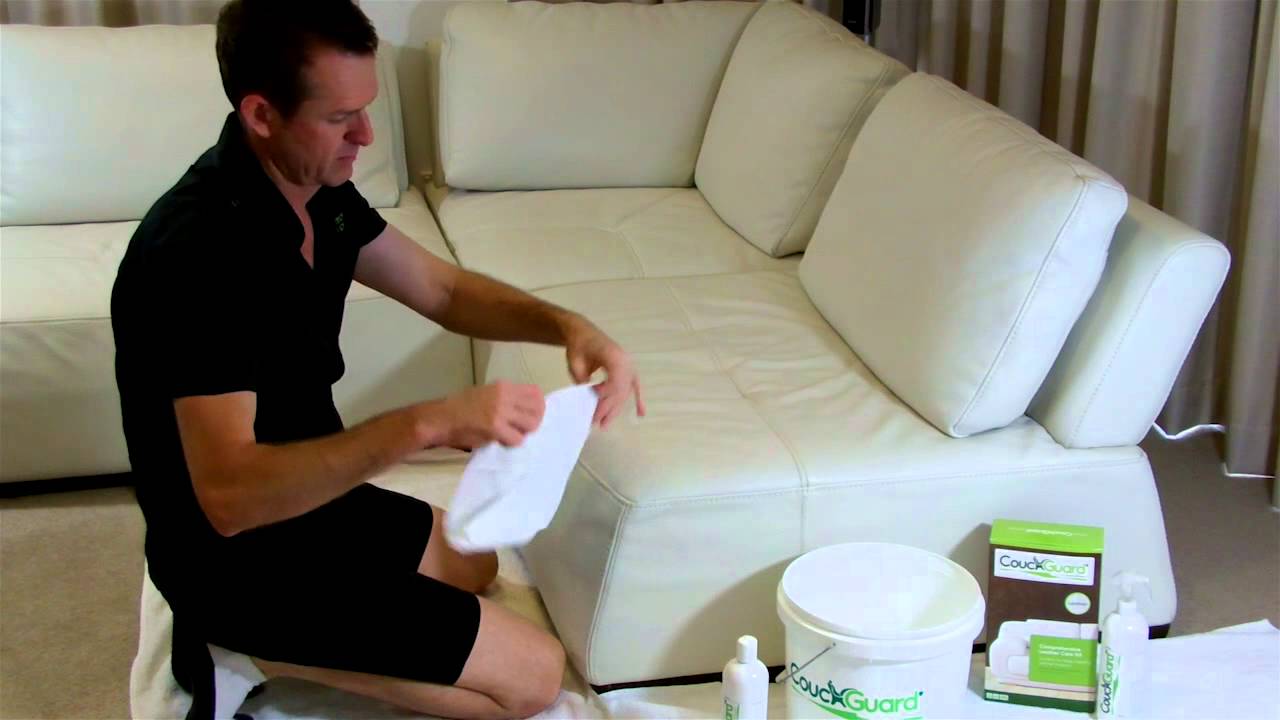
Start by blotting spills with a clean cloth. Do not rub, as this spreads the stain. Use a damp cloth with mild soap for light stains. Test soap on a hidden spot first. Wipe gently and dry with a soft towel. Avoid harsh cleaners that can damage leather.
Handling Tough Stains
For ink or oil stains, use a leather cleaner made for tough spots. Apply a small amount on a cloth, then rub gently. For grease, sprinkle baking soda and let it sit for hours. Brush away the powder carefully. Always follow product instructions closely to avoid damage.
Preventing Permanent Damage
Do not use water in large amounts on leather. Avoid bleach or ammonia-based cleaners. Clean spills immediately to stop them from soaking in. Keep leather conditioned with a proper leather conditioner. This keeps the material soft and less likely to crack.
Credit: www.youtube.com
Routine Maintenance Tips
Routine maintenance keeps a leather sofa looking fresh and new. It stops dirt build-up and protects the leather from damage. Small, regular steps help extend the sofa’s life and keep it soft and shiny.
Regular Cleaning Schedule
Dust your leather sofa once a week using a soft cloth. This removes surface dirt and prevents stains. Vacuum the crevices every two weeks to clear hidden debris. Use a damp cloth with mild soap every month to clean gently. Avoid harsh chemicals that dry out the leather.
Avoiding Direct Sunlight
Place your leather sofa away from windows or use curtains. Sunlight fades the leather color and makes it brittle. Heat from the sun causes cracks over time. Keep the room cool and shaded to protect the sofa’s surface.
Preventing Cracks And Fading
Apply a leather conditioner every three to six months. This keeps the leather soft and prevents cracks. Use products made for your sofa’s leather type. Do not over-apply, as it can cause buildup. Maintain good humidity in the room to avoid dryness.
Frequently Asked Questions
How Often Should I Clean My Leather Sofa Professionally?
Professional cleaning is recommended every 12 to 18 months. This schedule maintains leather’s appearance and durability. Regular cleaning removes dirt and oils that cause damage over time.
What Products Are Safe For Cleaning Leather Sofas?
Use pH-balanced, leather-specific cleaners. Avoid harsh chemicals like bleach or ammonia. These cleaners preserve leather’s natural oils and prevent drying or cracking. Always test on a small area first.
Can I Clean My Leather Sofa At Home Professionally?
Yes, with the right tools and products, you can clean at home professionally. Use leather cleaner, conditioner, and microfiber cloths. Follow gentle techniques to avoid damage and maintain softness.
How Do Professionals Remove Stains From Leather Sofas?
Professionals use specialized cleaners and gentle scrubbing tools. They identify the stain type first for the best approach. This ensures effective removal without harming the leather surface.
Conclusion
Cleaning a leather sofa takes care and the right steps. Use gentle cleaners and soft cloths to protect the leather. Regular cleaning keeps your sofa looking fresh and lasts longer. Avoid harsh chemicals that can damage the material. Small, consistent efforts prevent big stains and cracks.
Enjoy a clean, comfortable sofa that adds charm to your room. Keep these tips in mind for the best results every time. Simple habits make a big difference in leather care.