

Most common space heaters use about 0.5 kW to 2.5 kW while running, typically 1–1.5 kW.
I’ve spent years testing and running heaters in homes and small offices, and I’ll walk you through exactly how many kilowatts does a space heater use, why that number matters, and how to turn that number into a practical budget and comfort plan. This guide explains ratings, real-world energy use, cost examples, safety and efficiency tips, and buying advice so you can choose and use a space heater with confidence.
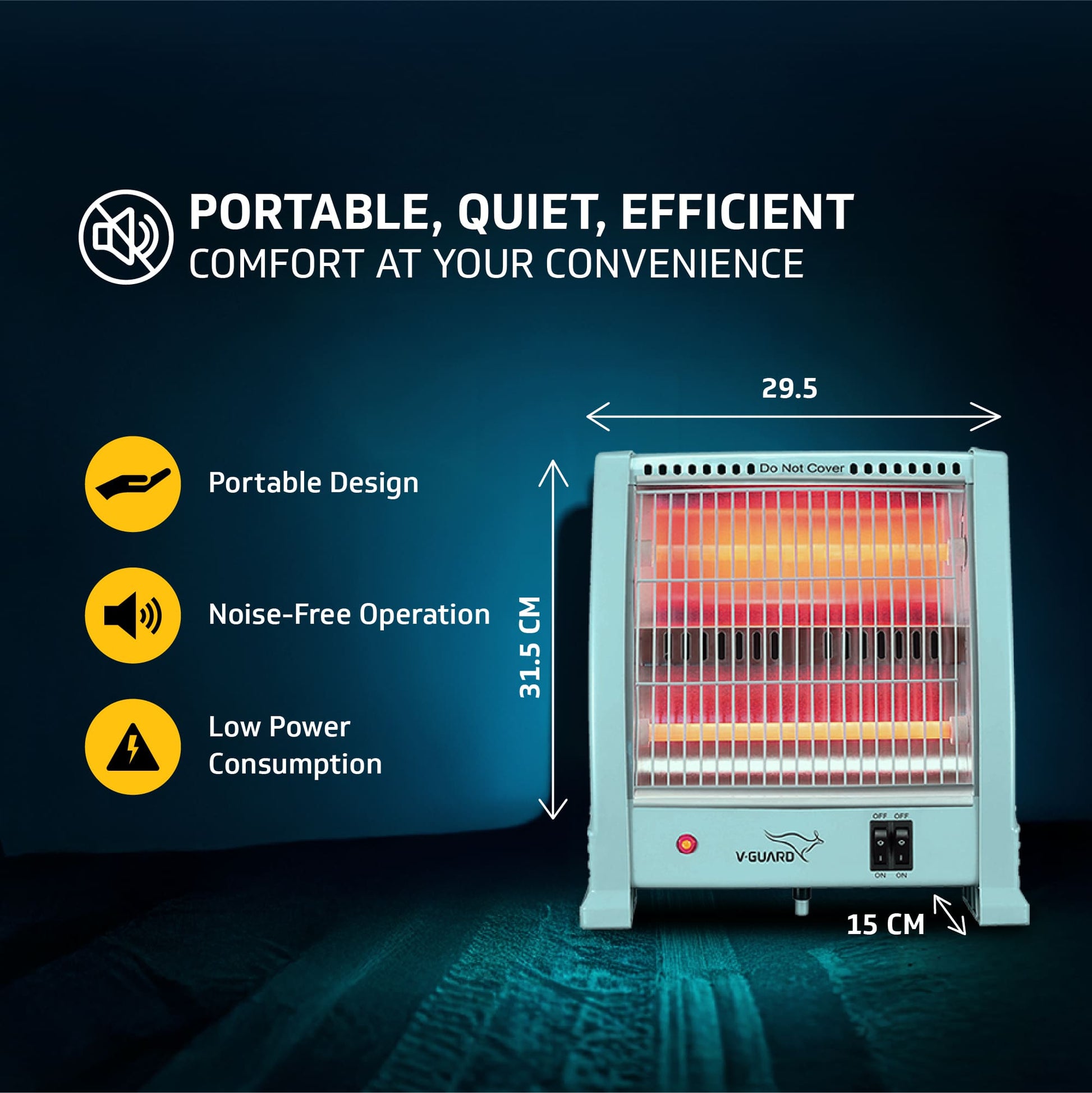
How many kilowatts does a space heater use — the basics
Space heaters list power in watts. To convert to kilowatts, divide by 1,000. A 1,500 W heater equals 1.5 kW. When you ask how many kilowatts does a space heater use, remember the label number is the maximum power draw when the heater runs continuously. Most heaters cycle on and off with a thermostat, so average use over time can be lower.
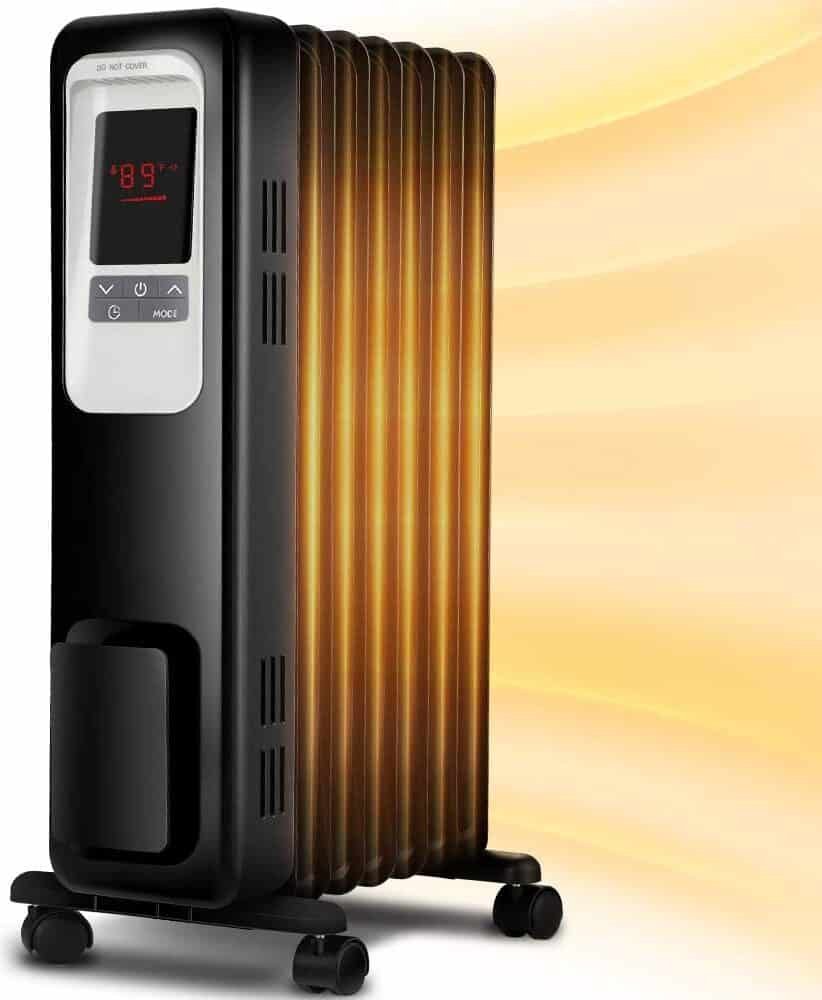
Common kilowatt ranges for different heater types
Different heater types have different rated power. Here are typical values so you can quickly answer how many kilowatts does a space heater use for each type.
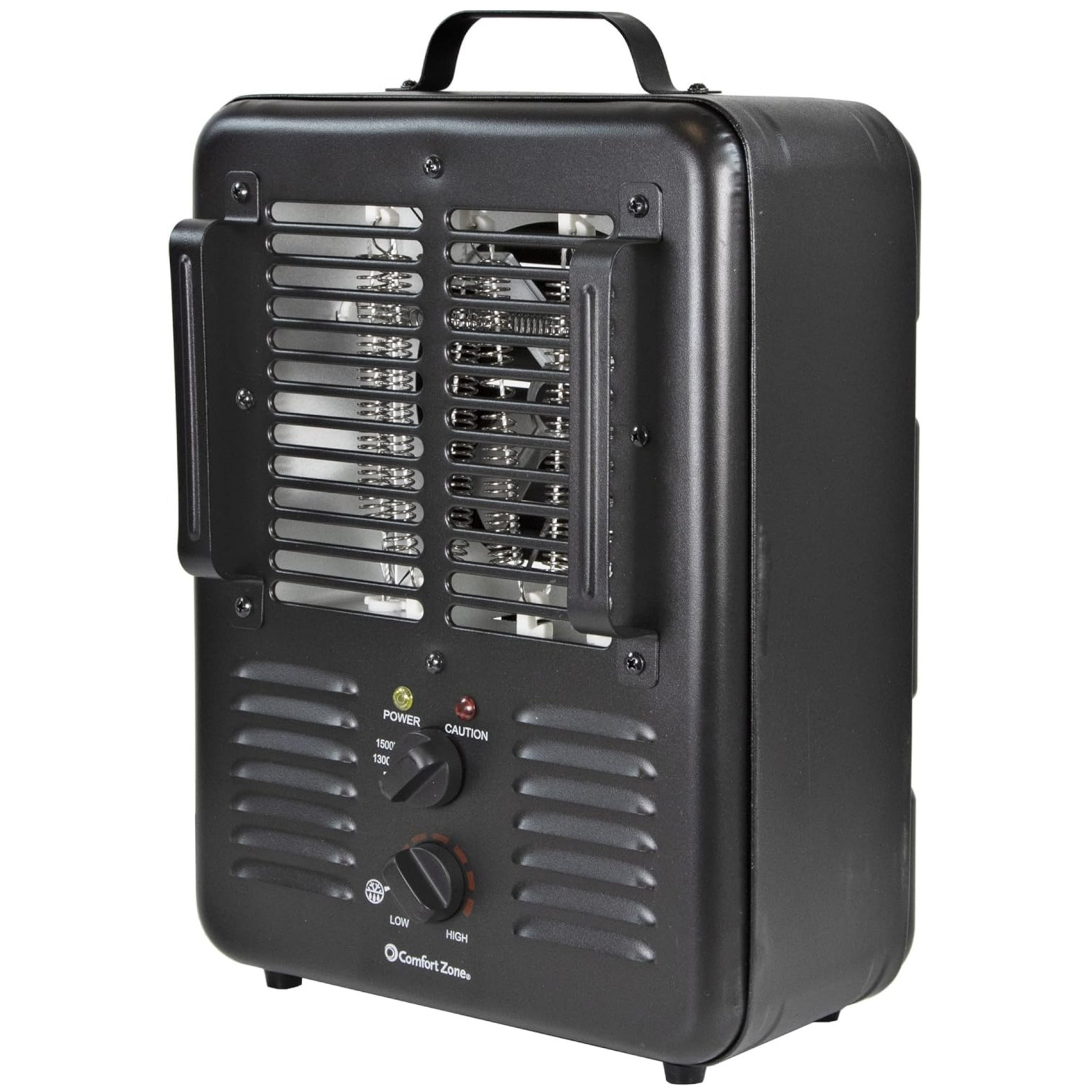
- Portable electric (fan or ceramic): Usually 750 W to 1,500 W (0.75–1.5 kW).
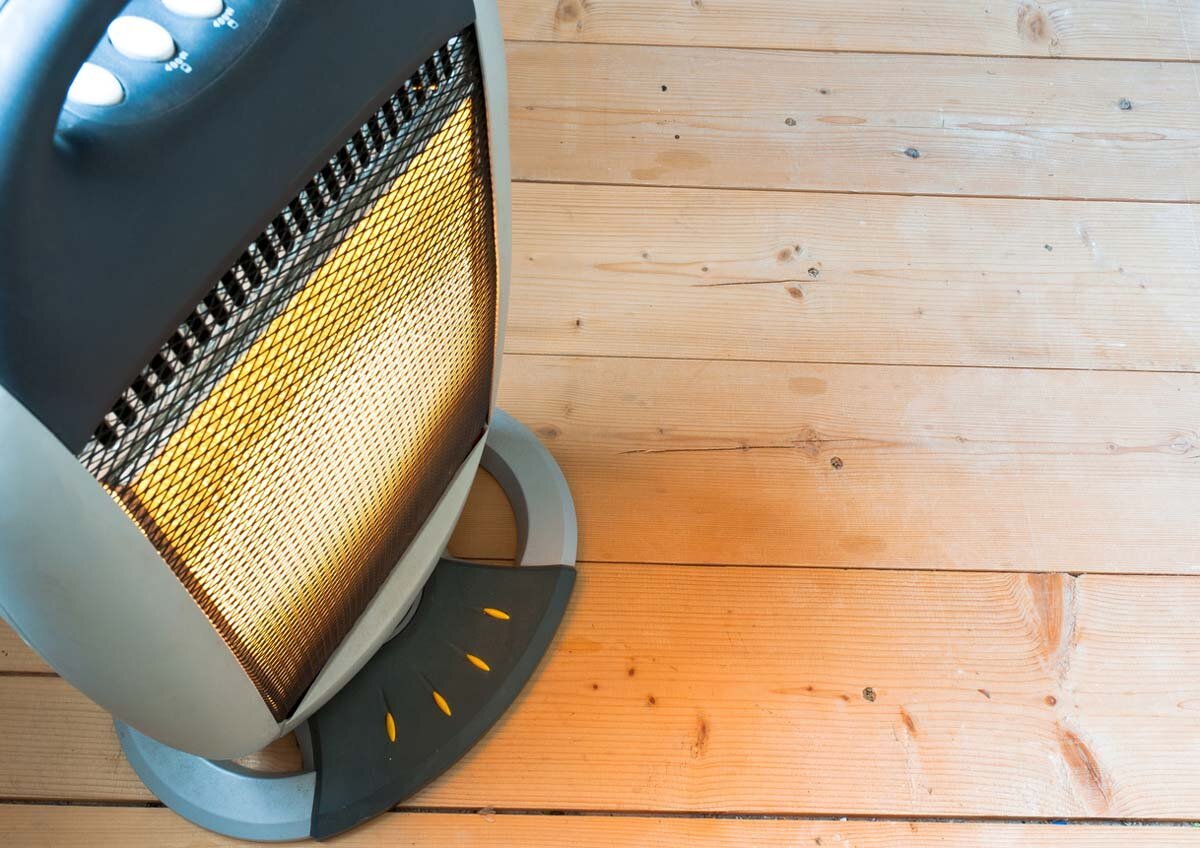
- Infrared or radiant panels: Often 400 W to 1,500 W (0.4–1.5 kW).
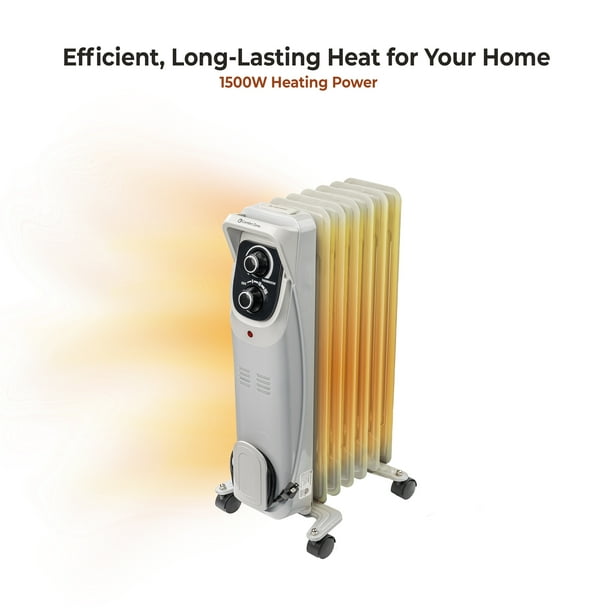
- Oil-filled radiators: Commonly 600 W to 1,800 W (0.6–1.8 kW).
- Baseboard electric heaters: Range from 500 W to 2,500 W (0.5–2.5 kW) per section.
- High-power space heaters: 2,000 W to 3,000 W (2–3 kW).
Remember that how many kilowatts does a space heater use at any moment depends on its setting, thermostat behavior, and whether it’s running continuously or cycling. Insulation and room size also change effective use.
How to calculate energy use and cost
To find energy use in kilowatt-hours (kWh), multiply the heater’s kilowatts by hours of operation. To find cost, multiply kWh by your electricity rate.
- Formula: kW × hours = kWh
- Cost: kWh × $/kWh = dollars
Examples:
- A 1.5 kW heater running 8 hours at $0.15/kWh: 1.5 × 8 = 12 kWh → 12 × $0.15 = $1.80.
- A 0.8 kW infrared panel running 10 hours at $0.20/kWh: 0.8 × 10 = 8 kWh → 8 × $0.20 = $1.60.
When answering how many kilowatts does a space heater use for cost estimates, always plug in local rates and realistic run times. Thermostat cycling reduces total kWh compared with continuous runtime.
Efficiency, heat output, and what a kilowatt actually delivers
Electric resistance heaters convert nearly 100% of electricity into heat at the device level. That means a 1 kW heater delivers about 3,412 BTU per hour of heat energy. However, room warmth depends on:
- Room size and ceiling height
- Insulation and air leaks
- Heat distribution and placement
So when you ask how many kilowatts does a space heater use to warm a space, know that a higher kW gives more potential heat, but building factors decide how long and how much energy is needed.
Practical tips to lower kilowatt use and save money
You can cut how many kilowatts does a space heater use in daily life without sacrificing comfort. Try these tactics:
- Zone heat: Heat only the room you use instead of the whole house.
- Use timers: Run the heater only when you need it.
- Set the thermostat lower: Each degree saved reduces energy use.
- Improve sealing: Close drafts and add weatherstripping to keep heat in.
- Use supplemental layers: Wear warm clothes or use blankets.
- Choose right type: Oil-filled heaters maintain low steady heat and often cycle less.
- Use a fan to spread warmth quickly, then lower the heater power.
Small changes reduce kWh and cost significantly over a season.

My experience: real numbers and lessons learned
I regularly used a 1,500 W heater in a chilly home office. Running it 6 hours a day at $0.14/kWh cost about $1.26 daily. Over a month, that added up, so I switched to targeted heating, timed runs, and better sealing. Lessons learned:
- A heater running on high all day uses far more kWh than short bursts.
- Thermostats and timers are worth the small extra cost.
- Moving the heater closer to where you sit reduced needed power and cut costs.
When you consider how many kilowatts does a space heater use, think both about the device rating and how you actually use it. Practical habits matter most.
Buying guide: choose the right kilowatt rating and features
When shopping, check the wattage label to answer how many kilowatts does a space heater use. Use these tips:
- Match kW to room size: Small rooms do fine with 0.5–1.5 kW; larger rooms may need 1.5–2.5 kW or multiple units.
- Look for programmable thermostats and timers to reduce run time.
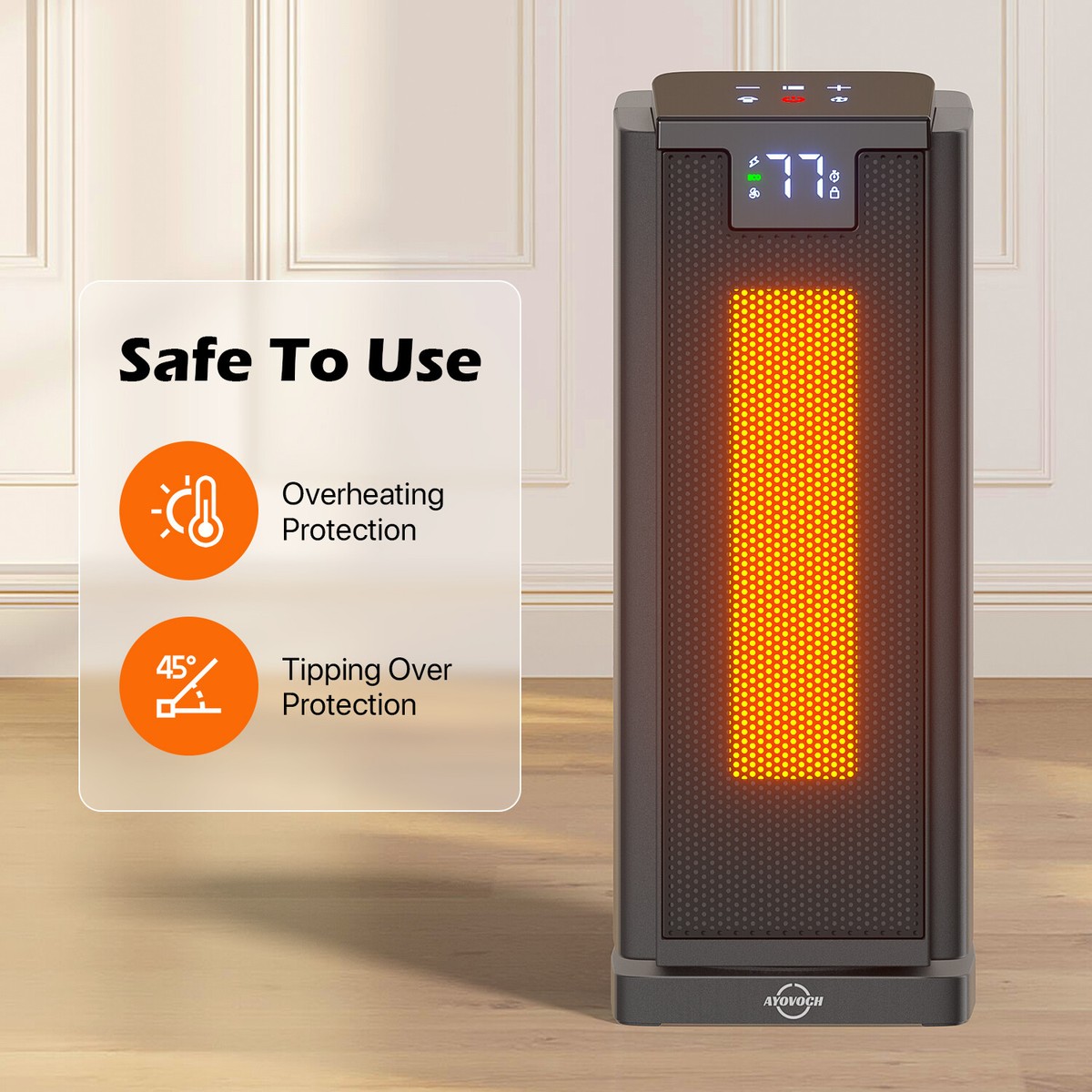
- Favor safety features: tip-over switch, overheat protection, and certification marks.
- Consider noise level: fans add noise but help distribute heat.
- Read real-user reviews for practical runtime and cycling behavior.
Pick a heater that fits your space and habits to keep kWh and cost under control.

Frequently Asked Questions of how many kilowatts does a space heater use
What does 1,500 W mean in kilowatts?
1,500 W equals 1.5 kW. That number is the heater’s maximum power draw when running continuously.
Will a 1 kW heater warm my bedroom?
A 1 kW heater can warm a small to medium bedroom if the room is well insulated and the door is closed, but results vary with room size and insulation.
How many kWh does a space heater use in a day?
Multiply the heater’s kW by hours run. For example, a 1.5 kW heater running 8 hours uses 12 kWh per day.
Do space heaters use more electricity than central heating?
Space heaters can be cheaper for heating a single room because they use fewer total kWh than heating an entire home with central systems when used correctly.
Are infrared heaters more efficient in kW use?
Infrared heaters can feel more efficient because they heat people and objects directly, often allowing lower settings and less runtime, though rated kW may be similar to other types.
Conclusion
Knowing how many kilowatts does a space heater use helps you estimate cost, match the right device to your room, and use it wisely. Check the wattage label, convert to kW, and compute kWh with hours of use to forecast bills. Small steps like zoning, timers, and better insulation can cut energy use without losing comfort. Try one change this week—set a timer or lower the thermostat by one degree—and track the difference. If this guide helped, leave a comment, share your heater experiences, or subscribe for more practical energy tips.