

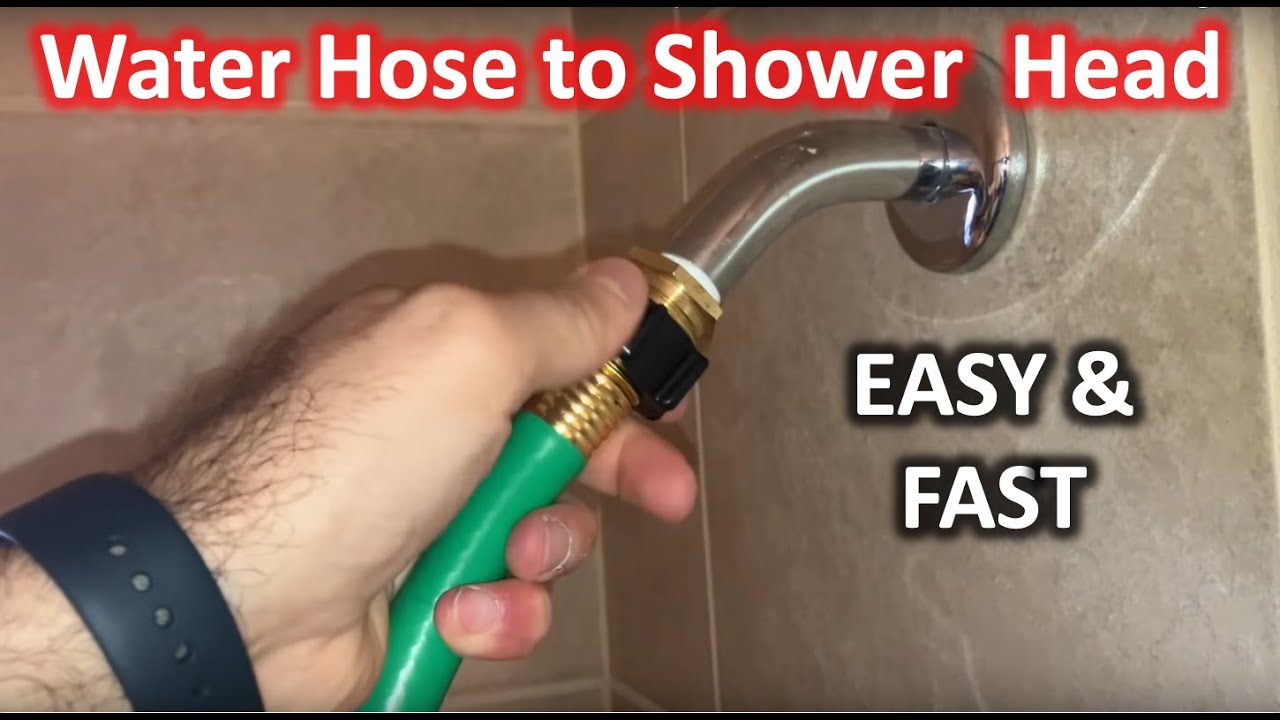
Use a 3/4" garden-hose-to-1/2" shower adapter, a washer, and Teflon tape to connect securely.
I’ve installed outdoor showers and hooked shower heads to garden hoses many times. This guide explains how to attach shower head to garden hose step by step, what parts you need, common mistakes to avoid, and safety tips. I write from hands-on experience and clear, tested methods so you can make a solid, leak-free connection fast and safe. Read on to get the parts, the steps, and pro tips that save time and water.

Tools and materials you’ll need
Start by gathering parts. This saves trips to the store. Below are the common items I use when I attach shower head to garden hose.
- 3/4" garden hose mass thread female or male connector as needed
- 1/2" shower head adapter (3/4" GHT to 1/2" NPT or BSP adapter)
- Rubber washer or silicone gasket to seal the hose connection
- Teflon (plumber’s) tape for threaded joints
- Adjustable wrench or pliers with cloth to protect fittings
- Optional vacuum breaker or backflow preventer for safety
- Thread sealant or pipe dope if desired
Most garden hoses use 3/4" GHT threads and most shower heads use 1/2" pipe threads. The key is the adapter. If you attach shower head to garden hose without the right adapter, it will leak or not fit at all. I always pack a spare washer and a small tube of thread sealant when I work outdoors.

How to attach shower head to garden hose: step-by-step
Follow these steps to attach shower head to garden hose cleanly and safely. I keep each step short and clear. Read all steps first, then do them.
- Inspect threads and parts
- Check the shower head inlet and the hose end.
- Confirm the shower head thread is 1/2" and the hose thread is 3/4".
- If unsure, take the parts to a hardware store to match the adapter.
- Choose the right adapter
- Buy a 3/4" GHT to 1/2" NPT (or BSP depending on your shower) adapter.
- Some adapters are chrome-plated brass; these last longer outdoors.
- If you attach shower head to garden hose for a temporary rinse, a simple plastic adapter may suffice.
- Prepare the threads
- Wrap Teflon tape clockwise around the male pipe threads on the adapter two to three times.
- Press the tape into the thread so it sits flat.
- Install the adapter to the shower head (if the adapter screws into the shower)
- Hand-thread the adapter into the shower head inlet.
- Tighten with a wrench using a cloth to avoid marring the finish.
- Do not over-tighten; snug plus a quarter-turn is enough.
- Attach the hose to the adapter
- Ensure the hose has a rubber washer in the female hose end.
- Hand-thread the hose onto the adapter.
- Tighten by hand and finish with the wrench if needed.
- Test for leaks
- Turn on water slowly and watch joints.
- Tighten any loose areas.
- If leaks persist, shut off, disassemble, add a new washer or more tape, and re-tighten.
When you attach shower head to garden hose, expect to tweak once. Outdoor fittings can be gritty. I once had a tiny leak that I fixed by swapping a worn washer. That small fix saved me a return trip.

Tips, common problems, and troubleshooting
If you run into trouble when you attach shower head to garden hose, try these quick fixes. These are the mistakes I made early on and the easy fixes I now use.
-
Leaks at the hose end
- Replace the rubber washer. They wear fast.
- Add another wrap of Teflon tape to the adapter threads.
-
Shower head won’t fit adapter
- Check if your shower uses NPT or BSP threads. Use the correct adapter.
- Some heads have built-in swivel nuts; remove them first if needed.
-
Low or odd spray pattern
- Clean the shower head holes of grit or sediment. Garden water can carry debris.
- Remove any flow restrictor if you need higher flow, but expect higher water use.
-
Too much pressure or hammering
- Install a pressure regulator or use a water flow control valve on the hose.
- Use a sturdier adapter or metal hose end to withstand pressure.
-
Backflow risk and contamination
- Add a vacuum breaker or backflow preventer to protect your home water supply.
- Never submerge the hose end in standing water when it’s connected to your shower.
My rule of thumb: fit first, then test. I always run the shower at low pressure for a minute to flush grit. This avoids long-term clogs and odd spray patterns.

Maintenance and safety when you attach shower head to garden hose
Keep the setup safe and reliable with a few routine steps. I maintain my outdoor shower like a small tool. Little care prevents big problems.
-
Rinse and dry after use
- Drain water from the hose and shower head to avoid freeze damage.
- Store the hose or disconnect in winter.
-
Check washers and tape every few months
- Replace any soft or cracked washers.
- Re-wrap Teflon tape if you disconnect and reconnect.
-
Use a backflow preventer for health and code compliance
- This prevents garden water from siphoning back into your household supply.
- Many local codes require this on hose connections.
-
Avoid permanent plumbing without pros
- If you want a hard-plumbed outdoor shower, hire a plumber.
- Improper joints can cause leaks and code violations.
When I left a hose connection on over winter, frost cracked the adapter. Now I unplug and store the fittings each fall. Simple habits keep outdoor gear working for years.
Frequently Asked Questions of how to attach shower head to garden hose
What adapter do I need to attach shower head to garden hose?
You usually need a 3/4" garden hose thread (GHT) to 1/2" shower thread (NPT or BSP) adapter. Match the thread type of your shower head for a correct fit.
Can I use any shower head with a garden hose?
Not every shower head fits directly. Many shower heads use 1/2" pipe threads, so you must use the right adapter to connect to a 3/4" garden hose.
Will connecting a shower head to garden hose damage my shower head?
If water pressure is too high, it can stress fittings. Use a pressure regulator or flow control and avoid over-tightening to prevent damage.
How do I stop leaks when I attach shower head to garden hose?
Use a fresh rubber washer in the hose and wrap Teflon tape on male threads. Hand-tighten then finish with a wrench; avoid over-tightening.
Do I need a backflow preventer when I attach shower head to garden hose?
Yes. A vacuum breaker or backflow preventer protects your potable water from contamination and is often required by code.
Conclusion
You can attach shower head to garden hose quickly with the right adapter, a washer, and Teflon tape. Gather parts, match threads, and follow the simple steps above for a leak-free setup. Test at low pressure, add a vacuum breaker for safety, and maintain the parts to extend life. Try the method today and enjoy an easy outdoor rinse or pet wash; leave a comment to share your setup or questions.