

Looking to add a mirror to your wall but not sure where to place it? Where you hang your mirror can change the entire feel of your room.
The right spot can make your space look bigger, brighter, and more inviting. But hang it in the wrong place, and it might feel awkward or cluttered. You’ll discover simple tips to find the perfect spot for your mirror. By the end, you’ll know exactly where to hang your mirror to boost your room’s style and energy.
Keep reading to transform your space with just one easy change!
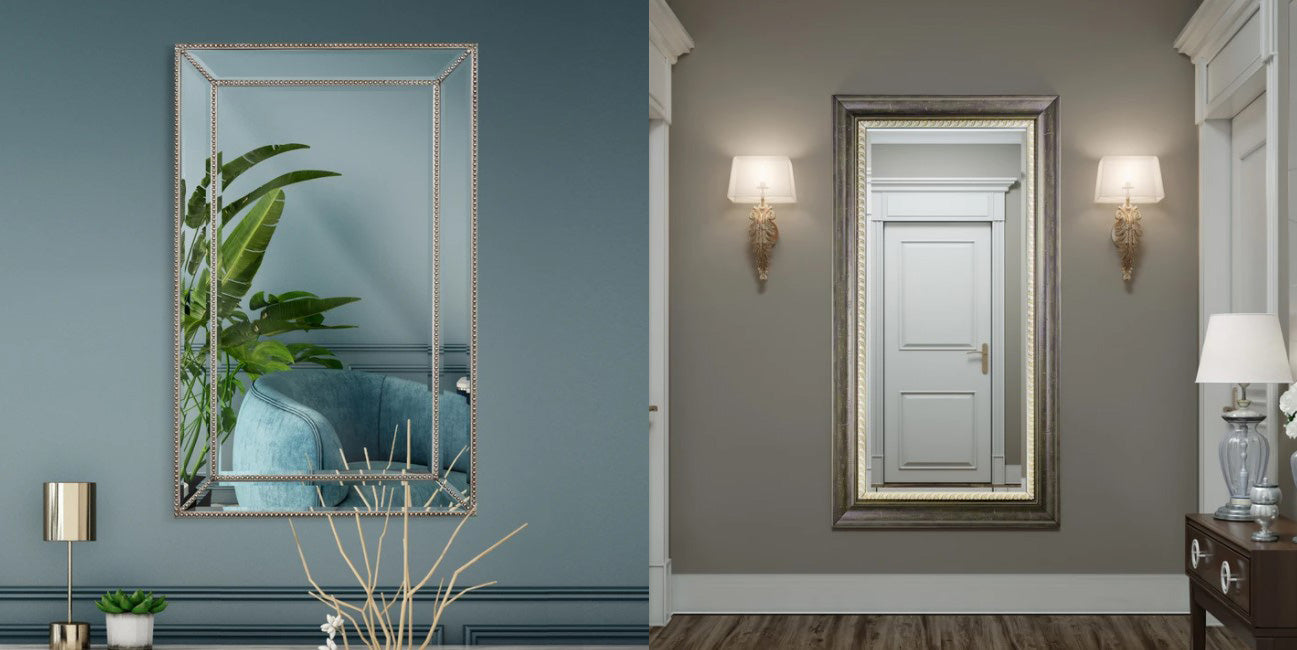
Credit: americanartdecor.com
Choosing The Right Room
Choosing the right room to hang a mirror affects both style and function. Mirrors can make a space feel bigger and brighter. Each room offers unique spots that fit different mirror types and sizes. Think about the room’s purpose and natural light. This helps decide the best mirror placement.
Living Room Spots
In the living room, place mirrors opposite windows. This reflects natural light and opens the space. Above a sofa, a large mirror adds style and balance. Near artwork, mirrors create a nice visual mix. Avoid spots where glare might distract.
Bedroom Options
Bedrooms need mirrors for dressing and decoration. Hang a full-length mirror near the closet or dresser. Above a vanity, a medium mirror works well. Position mirrors where they catch soft light. Avoid placing mirrors directly across the bed.
Bathroom Considerations
Bathrooms need practical and moisture-friendly mirrors. Above the sink is the classic spot. Choose mirrors with good lighting or add lights nearby. Avoid hanging mirrors where steam can cause damage. Use frames that resist water and humidity.
Hallway And Entryways
Hallways and entryways benefit from small to medium mirrors. Near the door, mirrors allow quick appearance checks. Long narrow hallways get wider with vertical mirrors. Choose frames that match your home’s style. Keep mirrors at eye level for best use.
Height And Alignment
Choosing the right height and alignment for your mirror makes a big difference. It helps the mirror look natural and fits well in your room. Proper placement also makes the mirror more useful and stylish.
Eye-level Placement
Hang the mirror at eye level for easy use. Most people find 57 to 65 inches from the floor to the mirror’s center works best. This height suits most adults and lets you see yourself clearly. It also helps the room feel balanced.
Centering With Furniture
Align the mirror with nearby furniture for harmony. If above a sofa or dresser, center the mirror with the furniture’s middle point. Keep the bottom edge 6 to 12 inches above the furniture. This spacing creates a neat and connected look.
Balancing With Wall Art
Place the mirror near other wall art for balance. Match the mirror’s size and shape with paintings or photos. Arrange them evenly across the wall. This balance makes the space look calm and well-planned.
Lighting Effects
Lighting plays a big role in how a mirror looks on your wall. The right light can make a room feel bigger and brighter. It also shows off the mirror’s style better. Understanding lighting effects helps you choose the best spot for your mirror.
Natural Light Enhancement
Place mirrors near windows to catch sunlight. They bounce natural light around the room. This brightens dark corners and opens up the space. South or west-facing windows work best for this effect. Mirrors reflect soft daylight, making rooms feel fresh and airy.
Avoiding Glare
Glare can make a mirror hard to use. Avoid placing mirrors where direct light hits them. This causes bright spots that hurt your eyes. Angling mirrors slightly or moving them away from strong light helps. Soft, even lighting around the mirror reduces glare problems.
Using Artificial Lighting
Artificial lights add glow when natural light is low. Use wall sconces or lamps near the mirror for balance. Warm light bulbs create a cozy feel. LED strips behind the mirror give a modern touch. Good lighting shows your mirror without shadows or harsh spots.
Credit: americanartdecor.com
Mirror Styles And Sizes
Choosing the right mirror style and size affects your room’s look and feel. Mirrors can make spaces look bigger, brighter, and more stylish. Different rooms need different mirror sizes and styles. Match the mirror to the wall space and room size for the best effect.
Large Statement Mirrors
Large mirrors create a bold look. They fit well above sofas, dressers, or fireplaces. These mirrors reflect more light and open up the room. Choose simple frames for modern rooms or ornate ones for classic styles. Large mirrors also serve as art pieces on plain walls.
Small Accent Mirrors
Small mirrors add charm without crowding the wall. Perfect for narrow spaces, hallways, or bathrooms. These mirrors work well in pairs or alone. Use decorative shapes like circles or ovals to add interest. Small mirrors help brighten dark corners and improve room flow.
Grouped Mirror Arrangements
Group several small mirrors for a creative display. Mix shapes and sizes for a unique look. Arrange them in patterns or clusters on a feature wall. Grouped mirrors add texture and depth to any room. This style suits living rooms, bedrooms, and entryways well.
Practical Tips For Hanging
Hanging a mirror on the wall needs care and the right approach. This helps your mirror stay secure and look good. Follow simple tips to make the process easy and safe. Prepare your tools, understand how to hold heavy mirrors, and always think about safety.
Tools And Hardware Needed
Start with a level to keep the mirror straight. Use a tape measure to find the right height. A pencil helps mark spots on the wall. You need screws or nails made for your wall type. For heavy mirrors, use wall anchors or special hooks. A drill may be needed to make holes. A screwdriver will fix screws tightly. Gather these before you start hanging.
Securing Heavy Mirrors
Heavy mirrors need strong support. Use wall studs for the best hold. Find studs with a stud finder or tap the wall. Use heavy-duty anchors if studs are not available. Hang the mirror with two hooks, not one. This spreads the weight and adds safety. Check the weight limit on hooks and anchors. Tighten all screws well to prevent slipping.
Safety Precautions
Wear gloves to protect your hands from glass edges. Keep children and pets away during hanging. Avoid standing on unstable furniture; use a sturdy ladder. Double-check measurements before drilling or nailing. Make sure the mirror is secure before letting go. Keep tools away after use to prevent accidents. Safety first keeps your home and family safe.
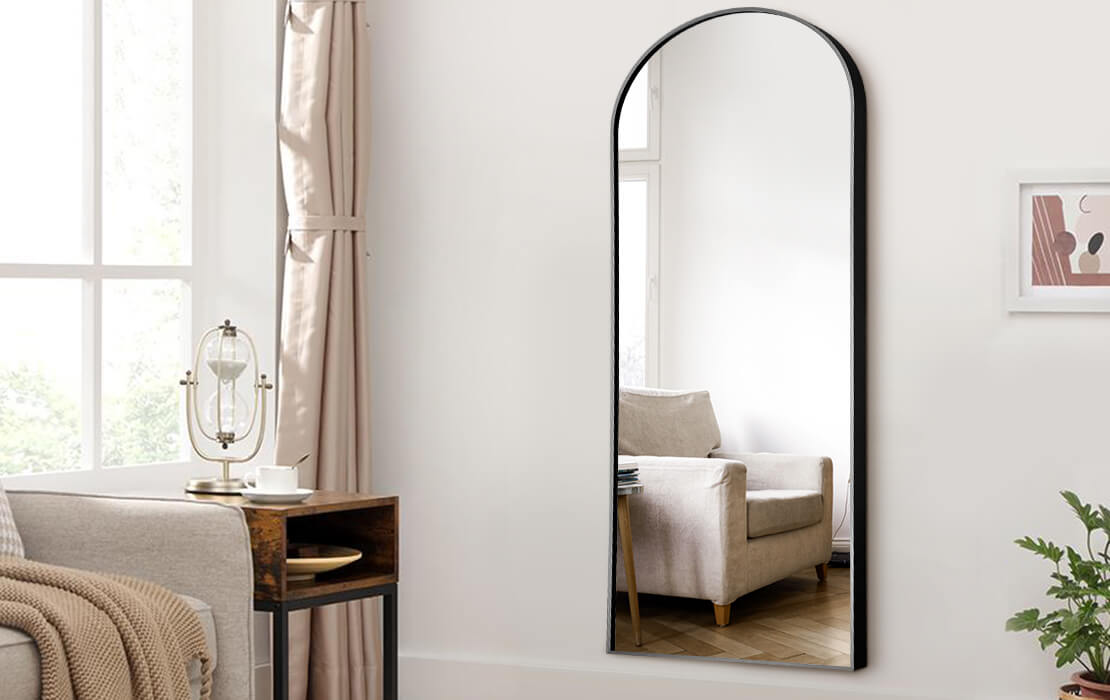
Credit: www.neutypechic.com
Frequently Asked Questions
Where Is The Best Height To Hang A Mirror?
The ideal height is at eye level, typically 57-65 inches from the floor. This ensures comfortable viewing and balanced room aesthetics. Adjust height based on furniture and wall space for best results.
Can A Mirror Make A Room Look Bigger?
Yes, mirrors reflect light and create an illusion of depth. Placing a large mirror opposite a window enhances natural light and makes spaces feel larger and brighter.
Should Mirrors Be Hung Above Furniture?
Yes, mirrors above furniture like sofas or dressers add style and balance. Ensure the mirror size complements the furniture width for a cohesive look.
How Far Should A Mirror Be From A Light Source?
Place mirrors close to light sources for better reflection. Ideally, position them near windows or lamps but avoid direct glare to prevent discomfort.
Conclusion
Choosing the right spot to hang a mirror changes a room’s feel. Place it where light can bounce and brighten the space. Think about what the mirror will reflect. A well-placed mirror can make a small room seem bigger. Avoid hanging it too high or too low.
Try different spots before fixing it on the wall. A mirror adds style and function to any room. Use these tips to find the perfect place. Your walls will look fresh and inviting. Simple changes make a big difference.