

Hanging a mirror on your wall might seem simple, but choosing the right tools can make all the difference. You want your mirror to stay secure without damaging your walls or creating a mess.
Are you unsure whether to use nails, hooks, or something else? This guide will help you find the perfect solution for your mirror, no matter its size or weight. Keep reading, and you’ll discover easy, reliable ways to hang your mirror safely and beautifully.
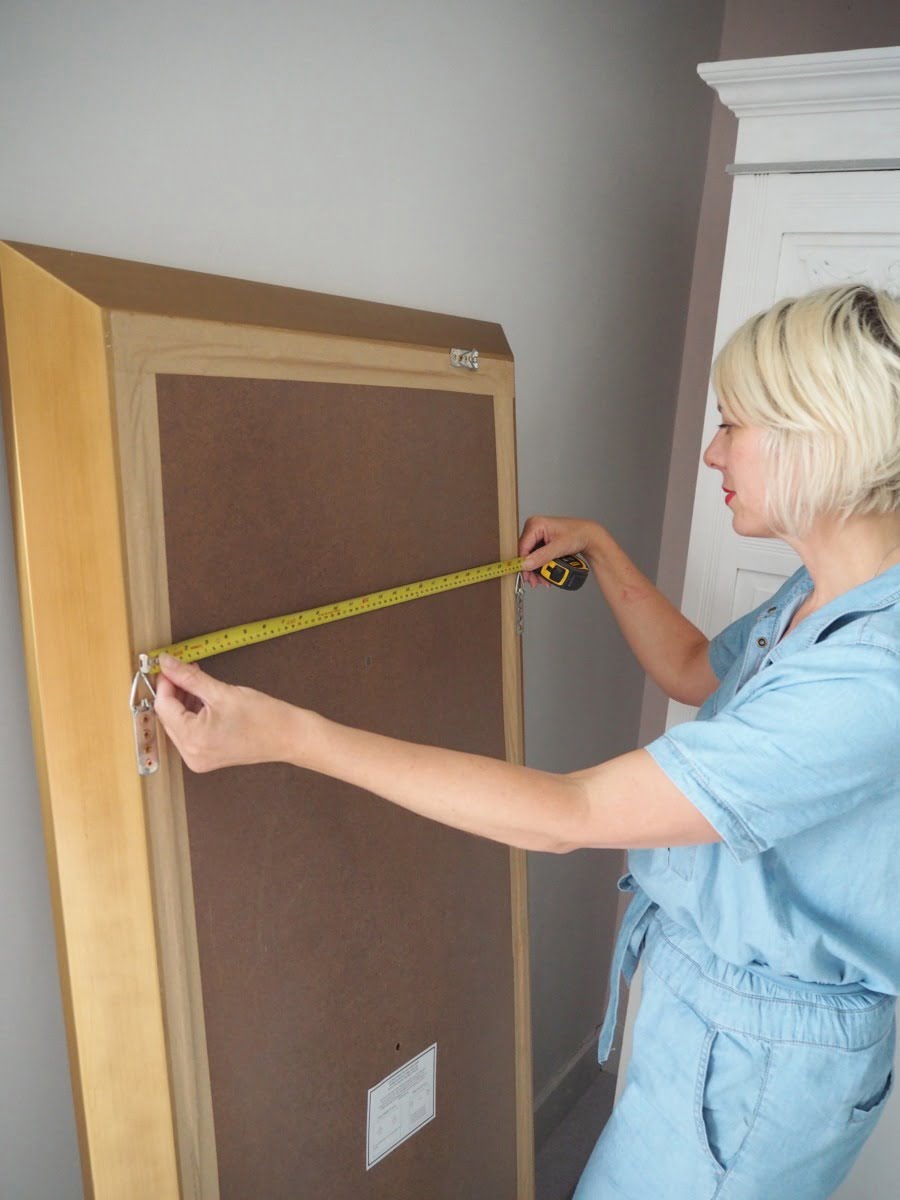
Credit: maxinebrady.com
Choosing The Right Hanging Method
Choosing the right method to hang a mirror is important for safety and style. The hanging method depends on several factors. These include the mirror’s weight, the wall type, and whether the hanging should be temporary or permanent. Picking the right option keeps the mirror secure and protects your wall.
Consider Mirror Weight And Size
Heavy mirrors need strong support. Use wall anchors or screws for large, heavy mirrors. Small or light mirrors work well with hooks or adhesive strips. Check the mirror’s weight before choosing the hanging tool. This step prevents accidents and damage.
Wall Material Impact
Different walls need different hanging tools. Drywall requires anchors or toggle bolts. Brick or concrete walls need masonry screws or special hooks. Wood walls can hold nails or screws directly. Know your wall type to pick the right hardware.
Temporary Vs Permanent Solutions
Temporary hooks or adhesive strips are good for renters or short-term use. They leave little or no damage on walls. Permanent methods like screws and anchors provide strong support for long-term hanging. Decide how long the mirror will stay on the wall before choosing.
:max_bytes(150000):strip_icc()/how-to-hang-heavy-mirror-4842125-08-c35627d37fdb44678b20c10d589bdbb4.jpg)
Credit: www.thespruce.com
Common Hanging Tools
Hanging a mirror on the wall needs the right tools. Common hanging tools help keep mirrors safe and stable. Choose tools based on your wall type and mirror weight. Some tools work best for heavy mirrors. Others suit light or medium-weight mirrors. Understanding these tools makes mirror hanging easier and safer.
Nails And Screws
Nails and screws are the most common tools for hanging mirrors. They offer strong support for heavy mirrors. Screws hold better in drywall with anchors. Nails work well on wooden walls. Use a drill to insert screws for a firm grip. Nails are quicker but less secure for heavy mirrors.
Picture Hanging Hooks
Picture hanging hooks come in various sizes and strengths. They make hanging easier and neater. Hooks with built-in nails reduce wall damage. Choose hooks rated for your mirror’s weight. Hooks are ideal for medium-weight mirrors. They spread weight evenly and prevent wall marks.
Adhesive Strips And Tapes
Adhesive strips and tapes provide a no-drill option. They work best for light mirrors and smooth walls. Strips are easy to remove without damage. Use strips with strong adhesive for safety. Avoid strips on rough or textured surfaces. They offer quick and clean hanging but less support for heavy mirrors.
Specialized Hardware Options
Specialized hardware options offer strong and safe ways to hang mirrors. These tools hold mirrors firmly on the wall. They also protect your walls from damage. Using the right hardware keeps your mirror stable and secure. Choose hardware based on your wall type and mirror weight. Here are some common options for hanging mirrors.
Wall Anchors And Toggles
Wall anchors and toggles support heavy mirrors on drywall or plaster. Anchors expand inside the wall to hold screws tight. Toggles use a spring mechanism to spread weight across a larger area. They prevent screws from pulling out easily. Both work well for medium to heavy mirrors. Select the right size for your mirror’s weight.
Mirror Clips And Brackets
Mirror clips and brackets hold mirrors directly on the wall. Clips fit around the mirror edges to keep it steady. Brackets offer extra support by holding the mirror from the bottom or sides. These are great for frameless or thin mirrors. Installation is simple and requires few tools. Clips and brackets add minimal bulk while securing mirrors.
French Cleats
French cleats create a strong, hidden mount for heavy mirrors. One piece attaches to the wall, the other to the mirror. They lock together, distributing weight evenly. This method allows easy removal and repositioning. French cleats work best on solid walls like wood or concrete. They provide a clean look without visible hardware.

Credit: www.youtube.com
Step-by-step Hanging Process
Hanging a mirror on the wall needs care and the right tools. Follow this step-by-step process to hang your mirror safely and straight. Each step helps avoid damage to your wall and the mirror.
Gathering Materials
First, collect all materials. You need a mirror, wall anchors, screws, a drill, a screwdriver, a tape measure, a pencil, and a level. Choose anchors that suit your wall type. Have a helper if the mirror is large or heavy.
Measuring And Marking
Measure the mirror’s width and height. Decide the height for the mirror on the wall. Use a pencil to mark the top and sides lightly. Check the marks with a level to keep them straight. Mark where the hardware will go.
Installing Hardware
Drill holes where you marked. Insert wall anchors into the holes. Screw in the hooks or brackets tightly. Make sure they are secure. This step keeps the mirror stable on the wall.
Securing The Mirror
Lift the mirror carefully. Align it with the hardware on the wall. Hang the mirror on the screws or hooks. Check if it hangs straight using the level. Adjust the mirror as needed for balance and safety.
Safety And Maintenance Tips
Hanging a mirror safely on your wall is important for both protection and look. Follow simple safety and maintenance tips to keep your mirror secure and your wall intact. Small efforts can save you from accidents and costly repairs.
Avoiding Wall Damage
Use the right tools for your wall type. Drywall anchors work well for hollow walls. Masonry screws suit brick or concrete surfaces. Avoid using nails alone, as they may loosen and damage the wall. Measure carefully before drilling to prevent unnecessary holes. Use a level to keep the mirror straight and prevent uneven pressure.
Ensuring Mirror Stability
Choose strong hooks or brackets rated for your mirror’s weight. Use two hooks for larger mirrors to balance the load. Secure the mirror frame tightly to the hanging hardware. Avoid hanging mirrors in places with high vibrations or drafts. Stability helps prevent falls and accidents.
Regular Checks And Adjustments
Inspect the mirror hooks and wall anchors every few months. Tighten screws if they become loose. Look for any cracks or damage in the frame or glass. Adjust the mirror if it starts tilting or shifting. Regular care extends the mirror’s life and keeps your space safe.
Frequently Asked Questions
What Is The Best Adhesive To Hang A Mirror On Drywall?
Use heavy-duty mirror adhesive or construction adhesive for drywall. These adhesives provide strong support and prevent damage. Avoid regular glue as it may not hold the mirror securely. Always follow the manufacturer’s instructions for safe and effective installation.
Can I Use Nails To Hang A Mirror On The Wall?
Yes, nails can be used for small, lightweight mirrors. For heavier mirrors, use wall anchors or screws with studs. Nails alone may not support large mirrors and can cause damage. Choose the right hardware based on your mirror’s weight and wall type.
How Do I Choose The Right Hooks For Hanging Mirrors?
Select hooks rated for your mirror’s weight to ensure safety. Use mirror-specific hooks or picture hangers for stability. Metal hooks are more durable than plastic ones. Always check weight limits and install hooks into studs or use anchors for extra support.
Is Double-sided Tape Effective For Hanging Mirrors?
Double-sided tape works only for small, lightweight mirrors on smooth surfaces. It is not reliable for heavy or large mirrors. Use specialized mirror mounting tape designed for this purpose. For safety, heavier mirrors require mechanical fasteners like screws or anchors.
Conclusion
Choosing the right tool to hang your mirror makes a big difference. Nails work well for light mirrors on solid walls. For heavier mirrors, use wall anchors or screws for safety. Picture hooks also hold medium weight mirrors easily. Always check the wall type before starting.
Take your time to measure and mark spots carefully. A well-hung mirror brightens any room and stays secure. Now, you can hang your mirror with confidence and ease. Simple steps bring great results.