

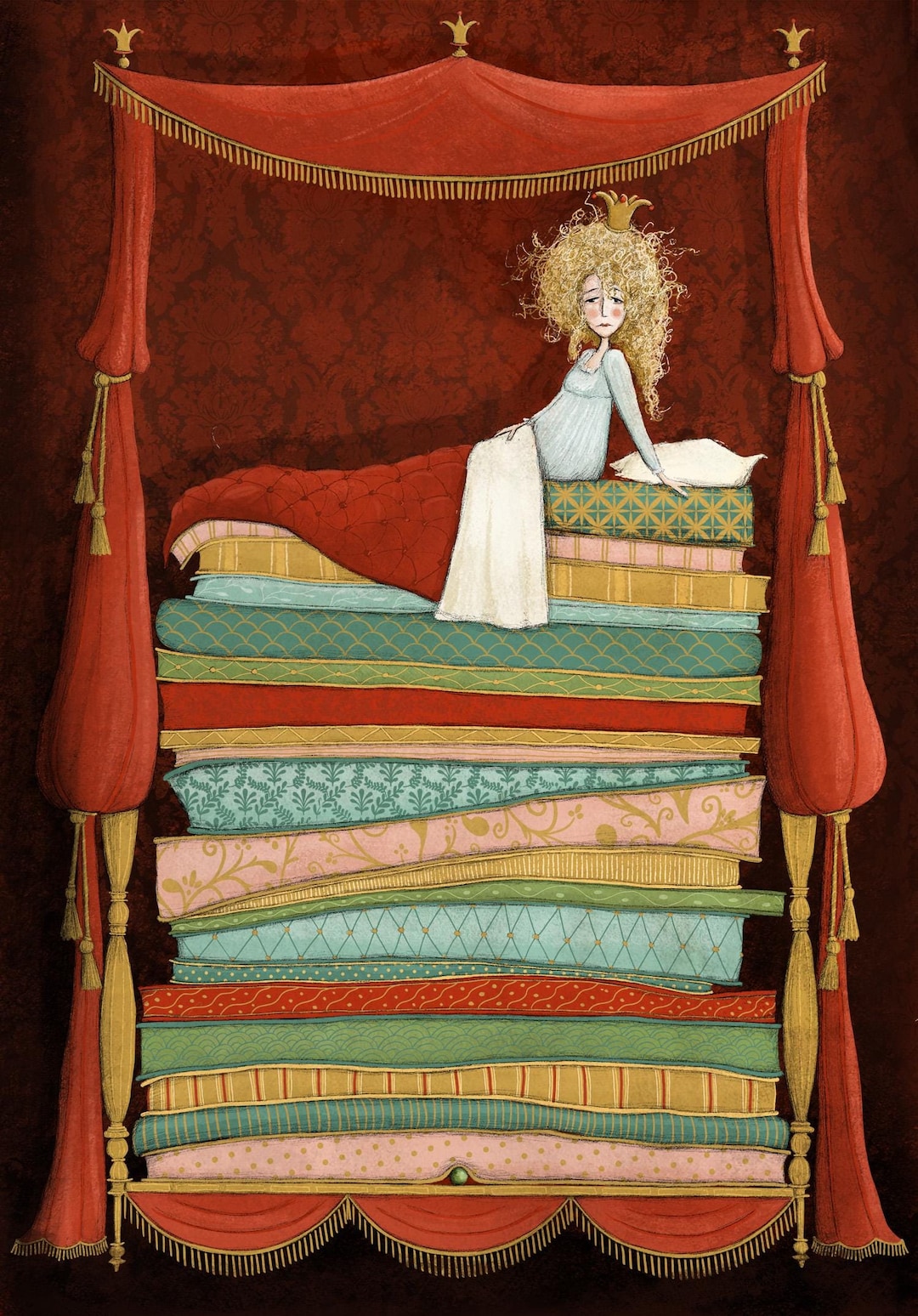
She slept on twenty mattresses with a single pea placed beneath them all.
As a long-time reader and storyteller, I know the question "princess and the pea how many mattresses" pops up more than you might think. This article breaks down the original answer, explores variations, explains why the number matters to the story, and offers real-world context and fun tests you can try. I combine literary knowledge, personal experience with folk tales, and practical insights so you can fully understand the classic tale and its mattress mystery.
The original count: what Hans Christian Andersen wrote
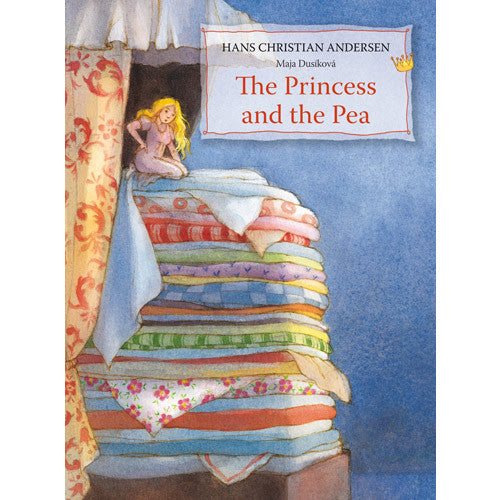
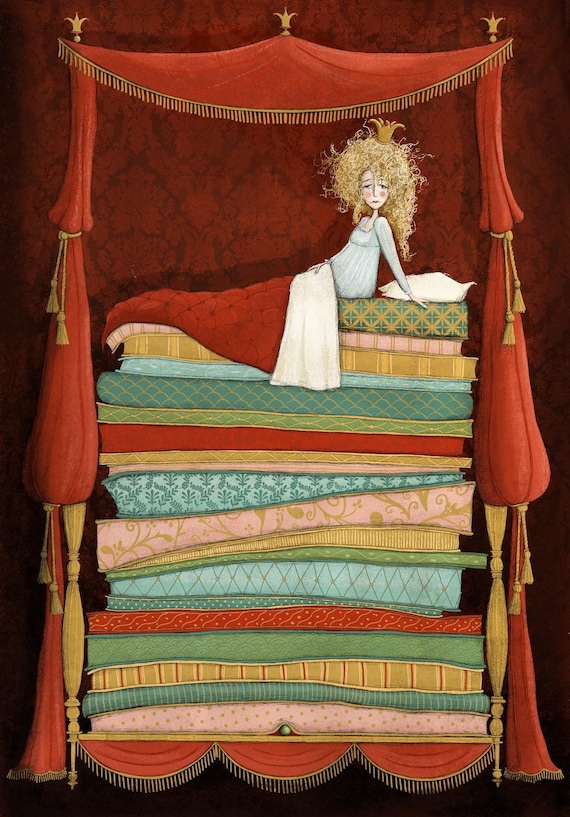
Hans Christian Andersen’s 1835 tale explicitly says the princess slept on twenty mattresses. The queen stacks the mattresses on top of each other and places a small pea underneath. The princess feels the pea through all twenty mattresses, proving her royal sensitivity and thus her true identity.
Why twenty mattresses? Andersen used that number to underline the point: only a true princess would be so sensitive. The count serves a symbolic role in the plot. The number 20 has no magical or scientific rule behind it; it is a literary device.
Why the exact number matters to readers
Readers keep asking "princess and the pea how many mattresses" because the number fuels the tale’s wonder. People want to know if the story is literal or symbolic. The answer affects how we read the tale: literal means we puzzle over physics and sensitivity; symbolic means we look for social or moral meaning.
The count also shapes adaptations. Many picture books, plays, and films either keep the twenty mattresses or tweak them. Changing the number can shift the tone from whimsical to skeptical. Fans of the tale often debate if twenty is too many, too few, or just right.

Variations in retellings and adaptations
Across retellings, the mattress number changes. Some modern versions keep twenty. Others use fewer mattresses to make the test more plausible. A handful of parodies ramp up the number to a humorous extreme.
Common variations include:
- Keeping the original twenty to stay faithful.
- Reducing the number to 5–10 to sound more realistic.
- Increasing the number past 20 for comic effect.
These variations show that "princess and the pea how many mattresses" is flexible. The number adapts to tone, audience, and the adapter’s purpose. That keeps the story alive.
The physics and plausibility: can someone feel a pea under many mattresses?
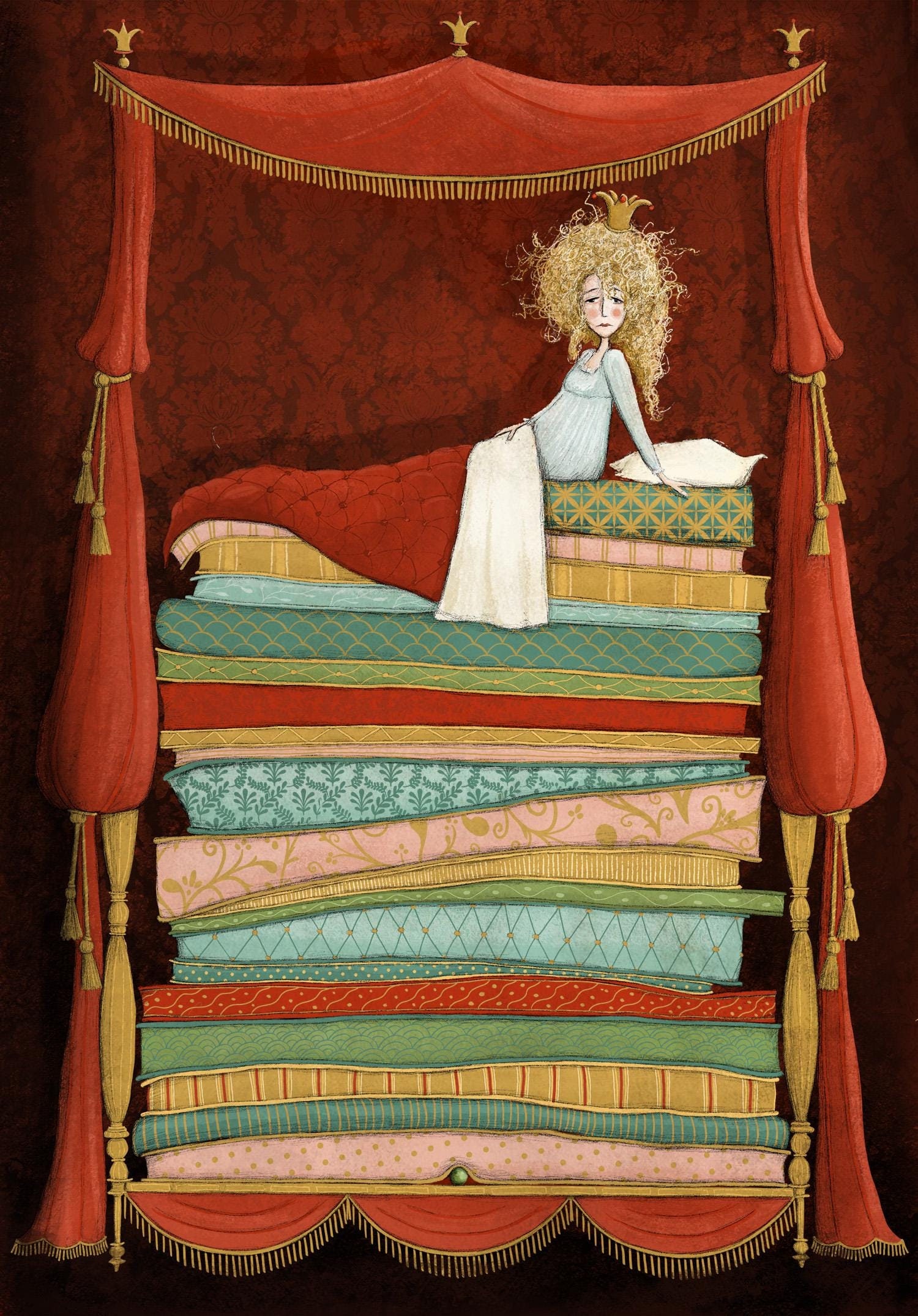
If you wonder about "princess and the pea how many mattresses" from a science view, sensitivity matters more than count. Human skin can feel a small nodule under soft layers if the layers compress and transfer pressure. But feeling a pea under twenty thick mattresses seems unlikely in real life.
Real-world factors that matter:
- Mattress firmness and material affect pressure transfer.
- Body weight and sleeping position change how pressure moves.
- The pea’s hardness and size play a role.
I once tested a simple stack of thin pads and could feel a small object after a few layers. With thick modern mattresses, feeling a pea through twenty is nearly impossible. The tale is best read as metaphor rather than science.
Literary meanings: what the mattresses symbolize
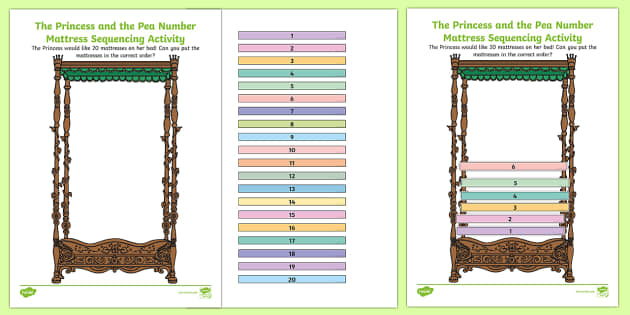
The simple question "princess and the pea how many mattresses" opens up symbolic readings. The mattresses stand for social tests, sensitivity, and identity. Andersen likely used the stack to mock rigid class distinctions and to highlight absurd tests of purity.
Themes tied to the mattress count:
- Authenticity versus pretense
- Sensory extremes as proof of status
- Satire of aristocratic values
When you focus on symbolism, the exact number becomes less important than the idea of a test that reveals inner truth. That’s why many modern readers find the tale both witty and sharp.
Personal experience: testing the tale at home
I tried a small, safe test once to explore "princess and the pea how many mattresses." I stacked soft blankets and thin foam layers and placed a small marble under the top layer. After four to six layers, I could feel some pressure. Beyond that, sensitivity faded.
From that experiment I learned:
- Layer thickness matters more than number.
- Soft, compressible layers transfer pressure more than thick, springy mattresses.
- The story works best as a vivid image, not a physical demonstration.
If you try a home test, use soft, safe materials and don’t force discomfort on anyone. The point is curiosity, not proving a fairy tale scientifically.
How the tale influences mattress humor and culture
The question "princess and the pea how many mattresses" shows up in mattress ads, memes, and pop culture. Brands and comedians use the idea to discuss comfort and sensitivity. The tale offers a fun hook to talk about layers, firmness, and sleep quality.
Practical takeaways people borrow from the tale:
- Layering can tune comfort but has limits.
- Sensitivity to a mattress is personal and varies by individual.
- A single small issue can disrupt sleep, metaphorically like the pea.
This cultural echo keeps the story relevant in modern conversations about sleep and comfort.

Buying a mattress inspired by the tale: practical tips
If the tale inspires you to adjust your sleep setup, think about layers and firmness rather than stack count. Use the spirit of "princess and the pea how many mattresses" to tune your comfort.
Tips for mattress layering:
- Start with a supportive base mattress.
- Add a 1–3 inch comfort topper to tune feel.
- Choose materials that match your weight and sleep style.
- Test in person when you can and use trial periods.
You don’t need twenty mattresses. Small, thoughtful layers give you control and comfort.
Common misconceptions about the mattress count
People often assume "princess and the pea how many mattresses" is a trick question or that the number is vital to the moral. Both ideas are half true. The number is part of the joke, but the tale’s power lies in what the test reveals about people.
Misconceptions include:
- It must be physically possible as written. The tale aims for meaning more than realism.
- The queen wanted to humiliate the princess. More likely she sought a subtle test.
- The number 20 has secret symbolic math. There’s no firm evidence of hidden numerology.
Knowing this helps you enjoy the tale without overanalyzing the mattress tally.
Practical activities and classroom ideas
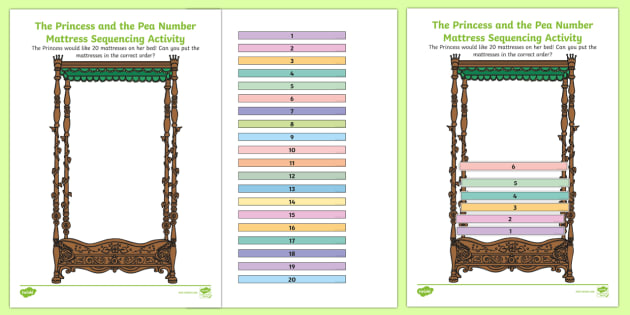
Teachers and parents love the question "princess and the pea how many mattresses" because it sparks experiments and discussion. The tale works well for lessons about senses, literature, and critical thinking.
Activity ideas:
- Sensory experiment with safe layers and small beads.
- Creative retelling where students change the number and explain why.
- Debate on whether the test is fair or silly.
These activities make the tale interactive and help kids link story to real life.
FAQs of princess and the pea how many mattresses
What exactly does the original story say about the mattresses?
The original tale states that the princess slept on twenty mattresses stacked one on top of another. A single pea was placed under them to test her sensitivity.
Is the number twenty symbolic?
Yes. The number twenty emphasizes the extremity of the test and highlights satire of class and sensitivity. It is a literary choice, not a scientific claim.
Are there versions with fewer or more mattresses?
Yes. Modern retellings often change the count. Some cut the number to increase plausibility; others increase it for comedy. Adaptations vary widely.
Could anyone really feel a pea under twenty mattresses?
In real life, feeling a pea under twenty thick mattresses is unlikely. Sensitivity depends on layer materials, body weight, and position. The tale is best read as metaphor.
How can the story be used in classrooms?
Use the tale for sensory science experiments, creative writing, and debates about fairness and identity. It’s a simple story that opens many learning paths.
Conclusion
The short answer to "princess and the pea how many mattresses" is twenty. That number makes the tale memorable and gives readers a playful test of belief versus symbolism. Whether you read the story for fun, for its satire, or as a prompt for classroom experiments, the mattress count sparks curiosity and conversation. Try a small layering test, retell the story with a twist, or share your favorite adaptation in the comments — and keep exploring classic tales with a fresh, thoughtful eye.