

Have you ever wondered how a simple candle and a jar can create a surprising reaction? The Jar and Candle Experiment is a fun and easy way to see science in action right before your eyes.
By doing this experiment yourself, you’ll discover fascinating facts about air, fire, and pressure without needing any complicated tools. Keep reading, and you’ll learn exactly how to set it up, what to expect, and why it happens. Get ready to impress your friends or family with this cool trick that turns everyday items into a powerful science lesson!
Setup And Materials
The setup and materials are key to a successful jar and candle experiment. Choosing the right items helps the experiment run smoothly. It also ensures clear results. Prepare everything before you start to avoid interruptions.
Gather all materials in a safe, open space. This setup is simple but needs care. The right jar and candle affect how the experiment works. Safety should always come first.
Choosing The Right Jar And Candle
Pick a jar that is clear and heat-resistant. Glass jars work well because you can watch the candle inside. Avoid plastic jars. They can melt or catch fire.
Choose a candle that fits inside the jar. Tea light candles are a great choice. They burn steadily and fit small jars. The candle should have a stable base to avoid tipping.
Safety Precautions
Set up your experiment on a flat, non-flammable surface. Keep water or a fire extinguisher nearby. Never leave the candle burning unattended.
Make sure the jar is not cracked or damaged. Check for drafts or wind that could blow out the flame. Keep children and pets away from the experiment area.
Credit: www.metlink.org
Step-by-step Procedure
The jar and candle experiment is simple and fun to do. It helps you see how air and fire work together. Follow these clear steps to set up and watch the changes happen. Each step is easy to follow and safe to perform.
Lighting The Candle
First, place the candle on a flat, heat-safe surface. Use a match or lighter to light the candle’s wick. Make sure the flame burns steadily and is not too big. Keep the candle away from anything that can catch fire.
Placing The Jar
Take a clear glass jar that is big enough to cover the candle. Slowly place the jar over the candle. Set it gently so the jar’s open end touches the surface. The candle should be completely covered and sealed inside the jar.
Observing Initial Changes
Watch the candle flame carefully after covering it. The flame may flicker or get smaller. You might see smoke forming inside the jar. Notice how the flame reacts to less air. These changes show how fire uses oxygen to burn.
Science Behind The Experiment
The jar and candle experiment is a simple way to see how air changes during burning. It shows how oxygen and carbon dioxide affect the flame. The experiment helps explain basic science about air and gases.
Oxygen Consumption
The candle needs oxygen to burn. Inside the jar, oxygen starts to run out. The flame uses oxygen to keep burning. When oxygen is low, the flame goes out. This shows how important oxygen is for fire.
Carbon Dioxide Production
Burning the candle creates carbon dioxide. The candle changes oxygen into carbon dioxide. This gas fills the jar while the candle burns. Carbon dioxide does not support fire, so the flame stops.
Air Pressure Changes
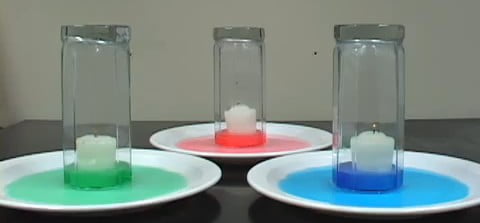
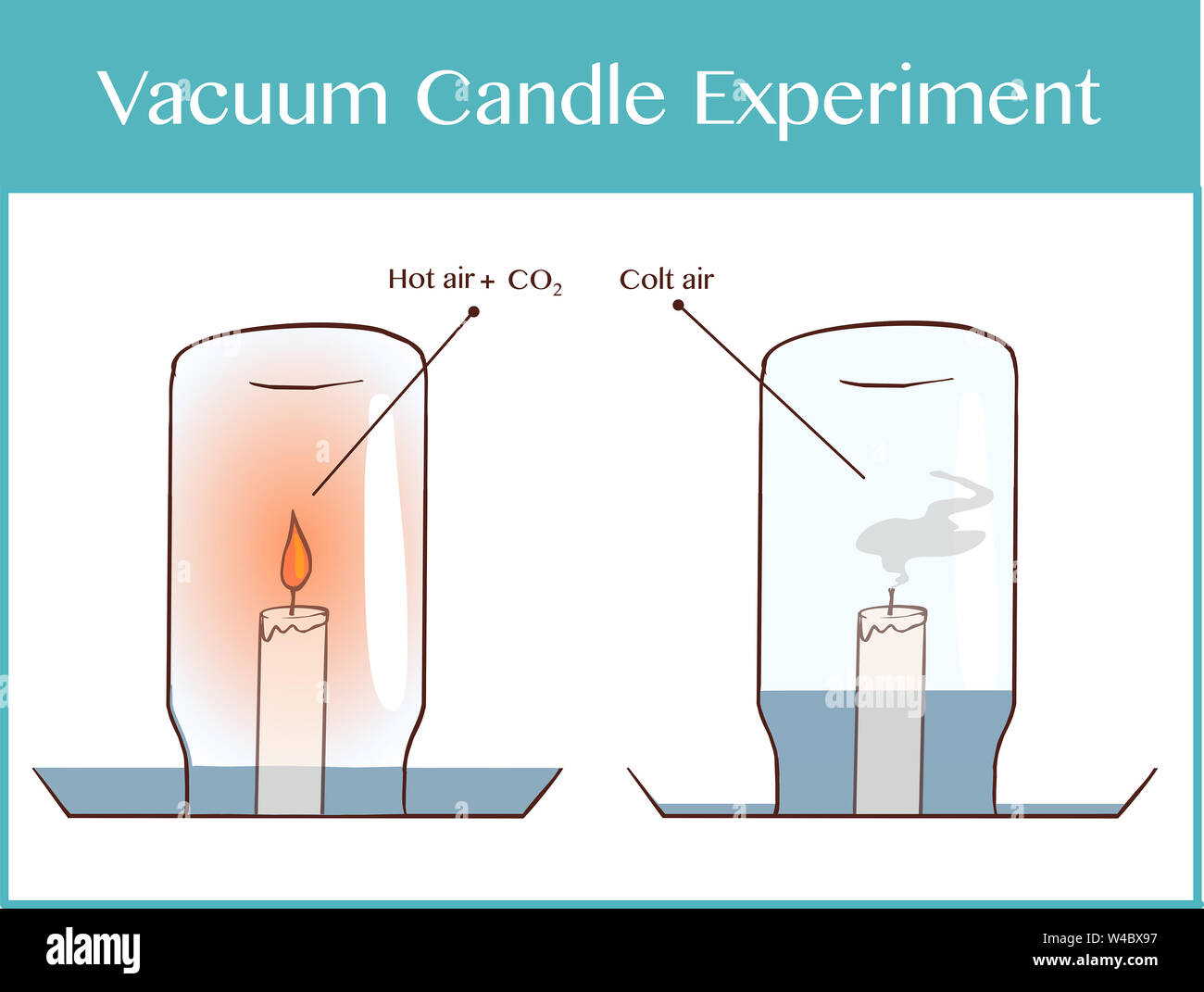
When the candle burns, it heats the air inside the jar. Air expands and some escapes before the jar seals. After the flame goes out, air cools and shrinks. This creates lower pressure inside the jar. The outside air pushes water up to fill the space.

Credit: www.youtube.com
Unexpected Results
The Jar and Candle Experiment often surprises many with its unexpected results. This simple setup shows more than just a candle burning inside a jar. It reveals interesting changes in water levels and flame behavior. These changes can teach us about air, pressure, and fire in a clear way.
Water Level Fluctuations
At first, the water level inside the jar may seem steady. Soon, it begins to rise. This happens because the candle uses up oxygen. The air pressure inside the jar drops. Water moves up to fill the space left by the used oxygen. This rise in water level shows how air pressure works in a small space.
Flame Behavior
The flame changes size during the experiment. It burns brightly at first. As oxygen runs out, the flame gets smaller. Finally, it goes out. This change teaches about how fire needs oxygen to survive. The flame’s behavior inside the jar helps us understand the link between fire and air.
Real-life Applications
The Jar and Candle experiment shows important lessons about air and fire. It helps us understand how fire uses oxygen. This simple test has many uses in daily life and science. It teaches safety and environmental ideas in an easy way. Below are two real-life uses of this experiment.
Fire Safety Insights
The experiment shows how fire needs oxygen to burn. When the jar covers the candle, the flame goes out. This shows oxygen runs out inside the jar. Firefighters use this fact to stop fires safely. Knowing how oxygen fuels fire helps in building safety rules. It guides how to use fire extinguishers and smoke alarms better. People learn not to block air during a fire. This simple experiment improves fire safety knowledge for everyone.
Environmental Science Connections
The experiment also teaches about air and pollution. Burning candle uses oxygen and creates gases like carbon dioxide. These gases affect air quality and the environment. Scientists study how burning fuels change air inside a room or outside. This helps understand pollution and climate change. The jar shows how air changes in a closed space. It is a small model of Earth’s atmosphere. Learning this helps protect our planet and keep air clean.
Troubleshooting Tips
Troubleshooting is key for a successful Jar and Candle Experiment. Small problems can affect your results. Fixing these helps you understand the science better. This section shares simple tips to solve common issues.
Common Mistakes To Avoid
Do not use a jar too large or too small. It changes the air flow and timing. Avoid lighting the candle near drafts or fans. The flame can flicker or go out early. Make sure the candle is upright and stable. A tilted candle burns unevenly. Do not seal the jar before lighting the candle. This stops the candle from burning properly. Use a clean jar to avoid smoke marks and unclear results.
Improving Experiment Accuracy
Use a stopwatch to measure the candle’s burn time. This gives exact timing. Repeat the experiment several times. It helps find the average result. Use the same size candle each time. Different candles burn at different rates. Check the jar lid fits tightly. Air leaks change the experiment outcome. Record all observations clearly. Notes help compare different trials later.
Credit: www.alamy.com
Frequently Asked Questions
What Is The Jar And Candle Experiment?
The jar and candle experiment shows how oxygen affects a flame. A candle burns inside a jar, using oxygen. When the jar covers the candle, oxygen depletes, and the flame goes out. This simple test demonstrates oxygen’s role in combustion.
How Does Oxygen Affect The Candle Flame?
Oxygen fuels the candle flame by supporting combustion. When oxygen runs low inside the jar, the flame weakens and extinguishes. This experiment visually proves oxygen is essential for fire to keep burning.
Why Does The Candle Flame Go Out In The Jar?
The candle flame goes out because the jar limits oxygen supply. As the candle burns, it uses up oxygen inside the jar. Once oxygen is too low, the flame cannot sustain itself and goes out.
Can The Jar And Candle Experiment Teach Air Pressure Concepts?
Yes, it illustrates air pressure changes. When the candle burns, it heats air, causing expansion. After the flame extinguishes, air cools and contracts, lowering pressure inside the jar. This draws water up if the jar is placed over water.
Conclusion
The jar and candle experiment shows how air affects fire. You see how the flame changes with the jar on top. This simple test helps explain oxygen’s role in burning. It’s easy to do at home or school. Try it yourself and watch what happens.
Science can be fun and clear. Small experiments like this make big ideas simple. Keep exploring and learning with hands-on activities. Each test brings new understanding about the world around you.