

Topper adds comfort and support; pad protects the mattress and adds light cushioning.
I’ve spent years testing bedding and helping sleepers find the right setup. This guide explains how to use mattress topper vs mattress pad properly, step by step. You will learn what each does, when to pick one over the other, how to install and care for them, and tips from real-world use. Read on to pick the right option and get the best sleep from your mattress.
How to Use Mattress Topper vs Mattress Pad Properly: Definitions and core differences
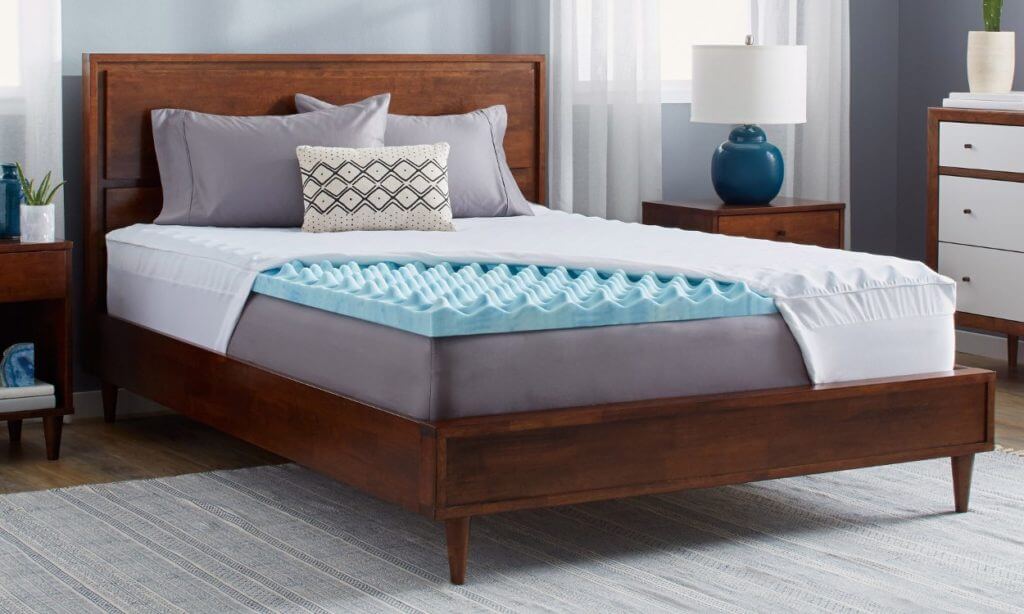
A mattress topper is a thicker layer, usually 2 to 4 inches or more, that changes the feel and support of your mattress. A mattress pad is thinner, often under 2 inches, and mainly protects, slightly cushions, and gives minor temperature or firmness tweaks. How to Use Mattress Topper vs Mattress Pad Properly starts by knowing these core roles so you match your needs to the right product.
Topper materials include memory foam, latex, and down. Pad materials include cotton, quilted fibers, and thin foam layers. Use a topper to change comfort and support. Use a pad to protect and add light comfort.
When to choose a topper versus a pad
Choose a topper when:
- Your mattress feels too firm or too soft and needs a change in comfort or support.
- You want pressure relief for shoulders, hips, or a sore back.
- You want to extend mattress life by adding a new comfort layer.
Choose a pad when:
- You need a barrier for spills, sweat, or allergens.
- You want slight softness without changing support.
- You want a cooling or breathable layer on hot nights.
How to Use Mattress Topper vs Mattress Pad Properly depends on your goal: adjust the sleep feel, or protect and maintain the mattress. If both needs exist, you can use both in sequence: pad first, then topper.

How to install and position each properly
Mattress topper — steps to use it right:
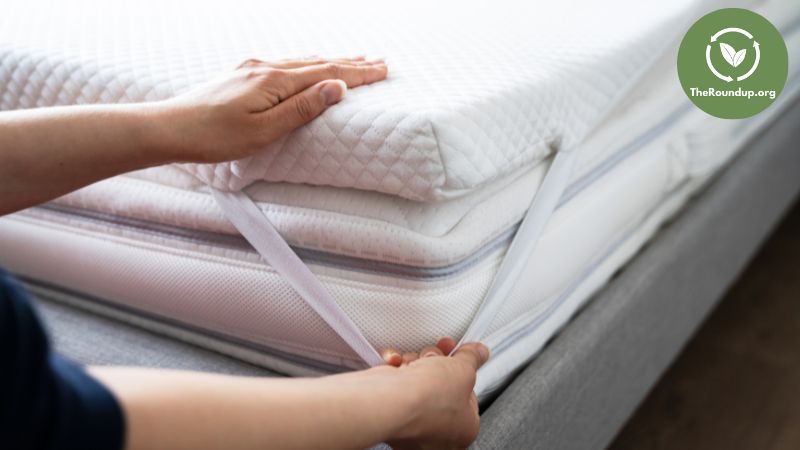
- Unbox and air out the topper on a flat surface for 24 to 72 hours if it’s foam. This reduces off-gassing.
- Center the topper on the mattress. Align seams and edges with the bed.
- Use elastic straps or non-slip pads if your topper slides. Many toppers come with secure straps or covers.
- Put a fitted sheet or a deep-pocket sheet over both topper and mattress to hold them in place.
Mattress pad — steps to use it right:
- Place the pad directly on the mattress surface. Smooth out wrinkles.
- Secure with the pad’s elastic corners or full-cover straps.
- If you use a topper too, put the mattress pad first, then the topper. This order protects the mattress and keeps the topper cleaner.
How to Use Mattress Topper vs Mattress Pad Properly usually means matching installation to design. Toppers change feel and need firm placement. Pads prevent sliding and protect the mattress surface.
Material choices and how they affect use
Memory foam topper:
- Best for pressure relief and motion isolation.
- Use when you need contouring support.
Latex topper:
- Offers bounce and durability.
- Use for support that stays responsive and cooler than dense foam.
Down or fiber topper:
- Adds plush comfort and softness.
- Use when you want a cloud-like feel but limited support change.
Cotton or quilted pad:
- Breathable and washable.
- Use for protection and mild comfort.
Cooling pads or gel layers:
- Reduce surface heat.
- Use if you sleep hot or add one under a foam topper.
How to Use Mattress Topper vs Mattress Pad Properly means picking the right material for body type and sleep position. Lighter sleepers may prefer thinner toppers. Heavier sleepers may need thicker or denser toppers for support.

Care and maintenance: keep them working longer
Cleaning and care tips:
- Follow manufacturer washing instructions. Many pads are machine washable; few toppers are.
- Use mattress protectors under pads for heavy sweat or spills.
- Rotate toppers every 3 months to avoid uneven wear, unless the manufacturer says not to.
- Air foam toppers occasionally to reduce odors and moisture build-up.
- Use a mattress pad to protect the mattress warranty and prolong mattress life.
How to Use Mattress Topper vs Mattress Pad Properly includes maintenance. Regular care keeps comfort consistent and saves money over time.

Practical examples and real-life lessons
From my experience testing beds and helping clients:
- I used a 3-inch memory foam topper on an old firm mattress. It reduced hip pain and made the bed usable for another 2 years.
- A friend used a mattress pad under a thin topper to protect an expensive latex topper from sweat stains. The pad was easy to wash, and the topper stayed like new.
- I learned that cheap toppers can worsen heat. I now recommend cooling materials for hot sleepers.
Common mistakes to avoid:
- Buying a very thick topper to fix a sagging mattress; it hides the problem and creates new pressure points.
- Placing a topper directly on a wet or dirty mattress; always start with a clean surface.
- Skipping manufacturer care steps; some toppers can be ruined in a standard washer.
How to Use Mattress Topper vs Mattress Pad Properly comes from real tests and small adjustments. Small changes make big comfort gains.
Buying guide and practical tips
Measure first:
- Measure mattress depth and mattress dimensions so sheets still fit after adding a topper or pad.
Match to sleep position:
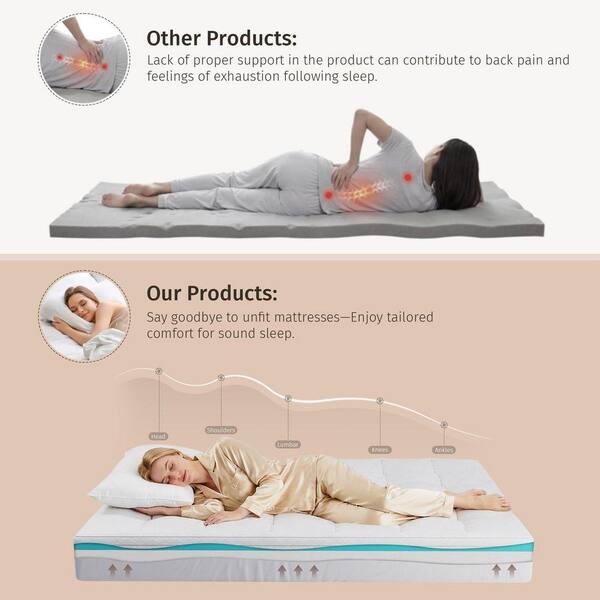
- Side sleepers often prefer softer toppers for pressure relief.
- Back and stomach sleepers usually need firmer toppers or thin pads to keep spinal alignment.
Check return policies:
- Many toppers have trial windows. Use them for several nights to decide.
Budget and durability:
- Expect to pay more for long-lasting materials like latex.
- Pads are cheaper and often need replacement more frequently than quality toppers.
How to Use Mattress Topper vs Mattress Pad Properly starts with buying the right size and material. A simple fit check prevents slipping and poor performance.

PAA-style common questions (quick answers within the article)
What should go on the mattress first, pad or topper?
- Put the mattress pad directly on the mattress, then place the topper on top. The pad protects the mattress and makes the topper easier to keep clean.
Can you use a topper and pad together?
- Yes. Use a pad to protect and a topper to change feel. This offers protection and enhanced comfort.
Will a topper fix a sagging mattress?
- A topper can mask mild sagging but won’t fix structural issues. Replace or repair a heavily sagging mattress for best long-term support.
How often should you replace toppers and pads?
- Pads may need replacement every 1 to 3 years. Quality toppers often last 3 to 7 years depending on material and use.
Do toppers affect mattress warranties?
- A mattress pad usually does not void a warranty and may protect it. Check warranty terms before using adhesives or altering the mattress.
Frequently Asked Questions of How to Use Mattress Topper vs Mattress Pad Properly
What is the main difference between a mattress topper and a mattress pad?
A mattress topper is thicker and changes comfort or support. A mattress pad is thinner and mainly protects or adds small comfort. Choose based on whether you want to change feel or protect the mattress.
Can a mattress pad replace a topper for pressure relief?
No. A pad offers light cushioning but not the deep contouring or firm support that many toppers provide. Use a topper when you need true pressure relief.
Is it safe to use both a topper and a pad together?
Yes. Put the pad on the mattress first and the topper on top. This setup protects the mattress and keeps the topper cleaner and easier to maintain.
How do I keep a topper from sliding?
Use a deep-pocket fitted sheet, non-slip pads, or straps made for toppers. Rotating and centering the topper also helps reduce movement.
Are toppers machine washable?
Most toppers are not machine washable. Some covers are removable and washable, but foam and latex cores usually need spot cleaning or professional care.
How thick should a topper be for side sleepers?
Side sleepers generally benefit from 2 to 4 inches of memory foam or plush latex for pressure relief at shoulders and hips. Heavier side sleepers may need denser or thicker options.
Will a topper make a firm mattress too soft?
Yes, a thick or soft topper can significantly soften a firm mattress. Choose density and thickness carefully to avoid losing necessary support.
Conclusion
Deciding how to use mattress topper vs mattress pad properly comes down to one clear question: do you want to change how the bed feels or protect and lightly cushion it? Use a topper to reshape comfort and support. Use a pad to protect, add slight softness, and manage temperature or spills. Try small tests: use a pad first, then a topper if you need more change. Take care of both layers to extend their life and maintain comfort. Now pick the right combination, try it for a few nights, and adjust as you learn what your body prefers. Leave a comment or subscribe if you want a personalized recommendation for your mattress and sleep style.