

Plug in water, add detergent, load clothes, choose cycle, then drain — this is how to use a portable washer.
I have tested and used many compact machines, so I know what works and what trips people up. This guide explains how to use a portable washer step by step, from setup to maintenance. You will learn safe setup, smart loading, cleaning tips, and common fixes. Read on for clear, hands-on advice that saves time and keeps clothes fresh.

Why choose a portable washer?
Portable washers give the power of a full machine in a small footprint. They fit tiny homes, RVs, dorm rooms, and apartments where a full-size washer is not an option. Using a portable washer saves time and often reduces trips to a laundromat.
Portable washers use less water and energy per load than many full-size machines for small loads. They are good for delicates, daily wear, and quick refreshes. If you need to know how to use a portable washer right away, this guide walks you through safe, efficient, and long-lasting use.
Types of portable washers
There are several kinds of portable washers. Knowing each type helps you pick the right model and learn how to use a portable washer correctly.
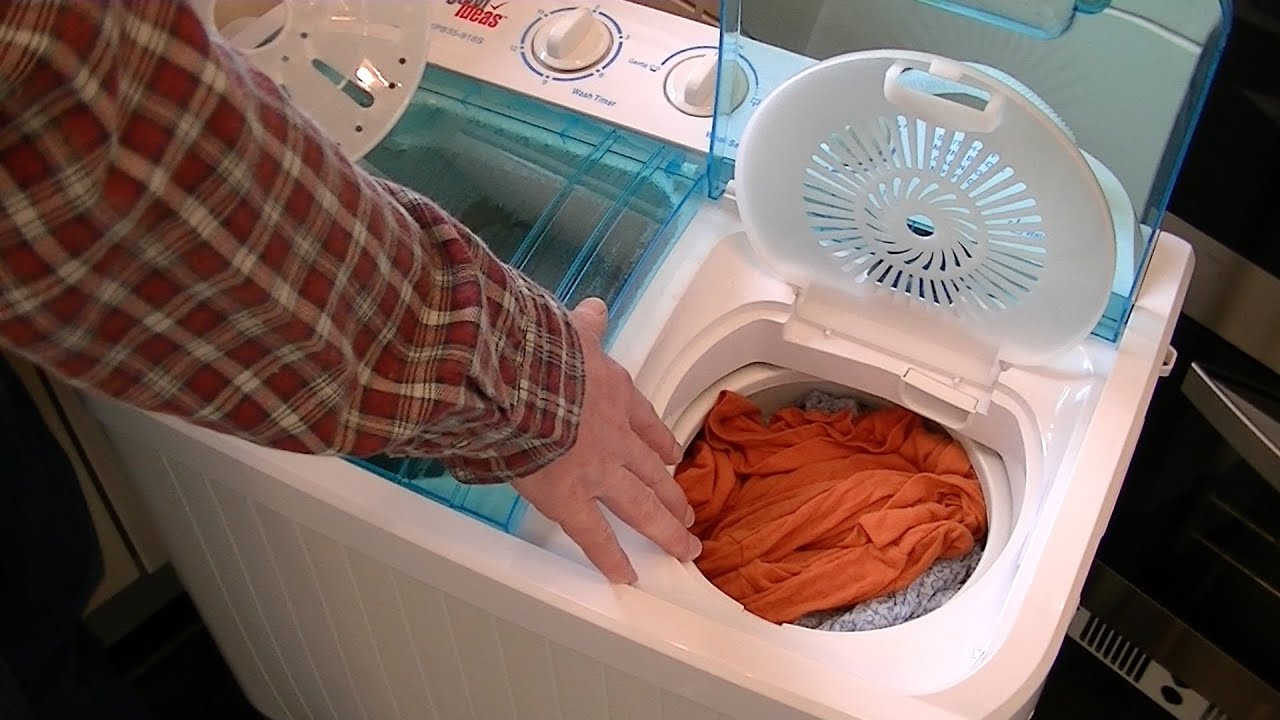
- Twin-tub models: Two tubs, one for wash and one for spin. They are manual to semi-automatic and save space.
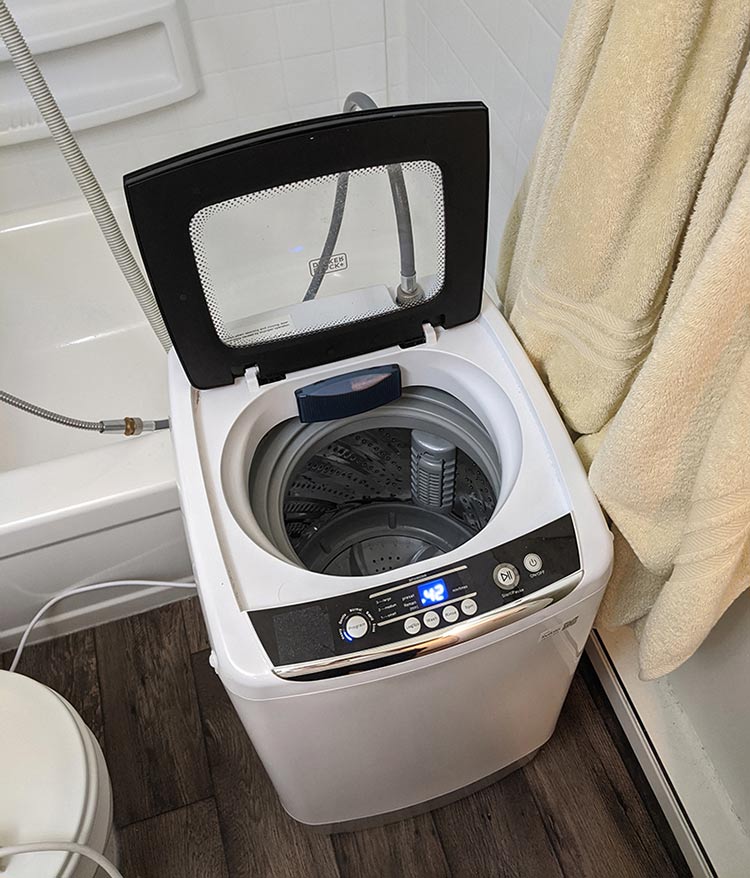
- Compact top-loaders: Single tub, fully automatic, plug-and-play. Easier to use for a hands-off wash.
- Portable front-loaders: Smaller front-loaders that offer gentle cycles and efficient water use.
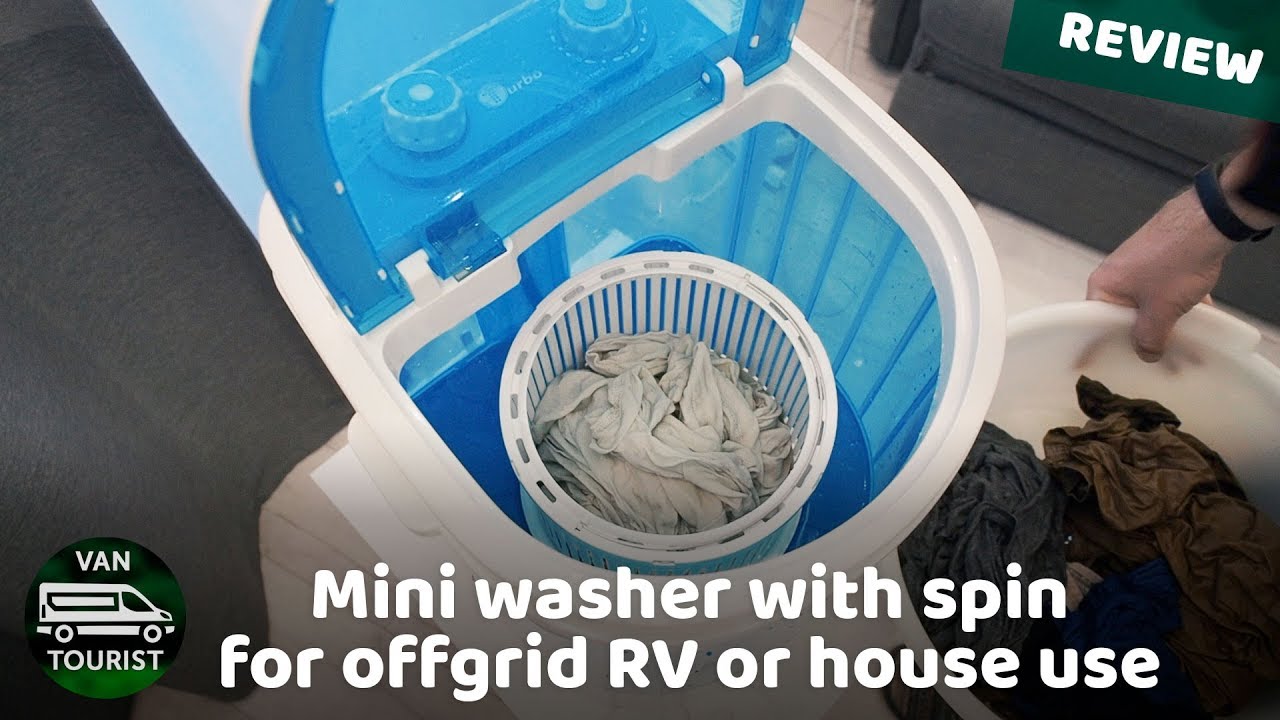
- Spinner-only units: Small spin dryers to remove water after a hand wash or rinse.
- Manual washers: Hand-crank or pedal machines, great for camping or no-electricity situations.
Each type changes the steps slightly, but core ideas stay the same. Match the machine to your needs before you learn how to use a portable washer.
Step-by-step: how to use a portable washer
Follow these simple steps to run a safe and effective wash. I write these from testing several machines over years, so they reflect real use.
-
Prepare the area
- Place the washer on a flat, stable surface near a sink or faucet.
- Ensure the drain hose can reach a sink or floor drain.
- Plug into a grounded outlet and avoid extension cords.
-
Sort and check clothes
- Sort by color and fabric weight.
- Empty pockets and zip zippers.
- Treat stains before washing for better results.
-
Load the washer
- Do not overload; follow the machine's capacity guide.
- For a compact washer, a small load means better cleaning and faster spin.
- Spread clothes evenly to prevent imbalance during spin.
-
Add detergent and water
- Use a mild, low-sudsing detergent suited for small machines.
- Add detergent to the wash tub or dispenser as directed.
- Fill water to the recommended level; many machines let you choose temperature.
-
Choose the cycle and start
- Select the correct cycle for fabric type.
- Shorter cycles work well for lightly soiled items.
- Start the machine and stay close for the first cycle to watch for leaks.
-
Drain and spin
- Drain wash water into a sink or bucket as your model requires.
- Move clothes to the spin tub if twin-tub, or start the spin cycle on automatic units.
- After spin, remove clothes promptly to reduce wrinkles.
-
Dry and store
- Air-dry or tumble dry as fabric labels recommend.
- Empty and dry the tub after use to prevent mildew.
- Store the washer in a dry place when not in use.
These steps cover most portable models. When you learn how to use a portable washer, always read the user manual for model-specific details.
Safety and setup tips
Safe setup prevents damage and injury. I once used a washer on an uneven balcony and learned why leveling matters.
- Position the washer on a firm, level floor to prevent vibration and noise.
- Use a gasket or adapter for faucet hookups to prevent leaks.
- Avoid running the washer near electrical outlets exposed to water.
- Keep children and pets away while the machine runs.
Also, follow any local rules for greywater disposal if you drain outdoors. Safety matters when you learn how to use a portable washer in tight or unusual spaces.
Maintenance and troubleshooting
Good care extends the life of your machine and improves wash quality. I clean mine after every five uses and that has helped avoid mold.
- Clean the drum and gasket with a mild cleaner and hot water once a month.
- Run a maintenance cycle with a cup of vinegar or a washer cleaner to remove buildup.
- Check hoses and fittings for cracks and replace them if worn.
- If the washer vibrates or won’t spin, reduce load size and check for uneven distribution.
Common issues and quick fixes:
- Leaks: Tighten hose clamps and check the faucet adapter.
- Poor wash: Use less detergent and avoid overloading.
- No spin: Check that the lid is fully closed and the load is balanced.
These simple steps will keep your unit reliable and teach you how to use a portable washer with confidence.

Tips for best results
Small changes make a big difference in cleaning power and fabric care.
- Use high-efficiency or low-sudsing detergent to prevent excess foam.
- Wash delicates in mesh bags to protect fabric and the tub.
- Run small, frequent loads rather than one large, packed load.
- Rinse thoroughly if you have hard water to avoid residue buildup.
From experience, I recommend towel-sized loads for most compact machines. This gives good agitation and quick drying. These tips help you learn how to use a portable washer more effectively.

Energy, water use, and benefits
Portable washers tend to use less water per load for small loads. You save on utility bills if you wash only what you need. They also reduce trips to a laundromat, saving time and money.
Limitations exist: they are slower on very dirty items and handle fewer clothes per cycle. Still, for daily wear, sport gear, and delicates, a portable washer is often the smart, eco-friendly choice.
Frequently Asked Questions of how to use a portable washer
What water source do I need for a portable washer?
Most portable washers connect to a standard sink faucet or a utility faucet. Some models include adapters and require only a steady cold or warm water supply.
How much detergent should I use in a portable washer?
Use a small, concentration-appropriate amount, often half the normal dose for full-size machines. Too much detergent causes extra suds and poor rinsing.
Can I wash bedding in a portable washer?
Small sheets and thin blankets can be washed if they fit and leave space to tumble. Large items like heavy comforters usually overload the machine and should be taken to a laundromat.
How do I drain a portable washer?
Many units have a drain hose you place into a sink or bucket. For twin-tub models, you may manually move water to the drain following the manufacturer’s steps.
How often should I clean my portable washer?
Wipe the tub and run a cleaning cycle every 2–4 weeks, depending on use. Regular cleaning prevents odors and extends machine life.
Conclusion
Learning how to use a portable washer is simple when you follow clear steps: set up safely, load correctly, use the right detergent, and keep the machine clean. My practical tests show small loads, even distribution, and routine maintenance give the best results. Start with one load using these steps and tweak as needed for your model. Try these tips now, and share your experience or questions below — I’ll help you fine-tune your setup.