

Seal gaps, add weatherstripping, and install a door sweep to stop winter drafts fast.
I’ve sealed hundreds of doors as a homeowner and as a small-home contractor. This guide on how to stop door draft in winter explains causes, tools, and step-by-step fixes you can do in an hour or less. Read on for practical tips, simple projects, and the best materials to keep your home warmer and your energy bills lower.
How to stop door draft in winter: common causes and what to look for
Drafts come from gaps, warped frames, and worn seals. Cold air sneaks through the bottom, around the sides, and where the trim meets the frame. Older doors and painted-over seals often fail first. Understanding where air moves makes it easier to stop the draft fast.
Signs to find drafts
- Feel for cold air with your hand at night near the edges and bottom of the door.
- Use a candle or incense stick and watch the flame or smoke for steady movement.
- Look for daylight at the edges or water stains and paint cracking near the frame.
Why it matters
- Stopping drafts improves comfort and cuts heating costs.
- Small gaps can let many degrees of heat escape, causing the HVAC to run longer.
How to stop door draft in winter: tools and materials you’ll need
You do not need many tools to fix most drafts. Basic items cover most repairs. I keep a small kit for this job and use it every winter.
Essential tools and materials
- Weatherstripping tape in foam, felt, or V-strip form.
- Door sweep or threshold kit.
- Silicone or latex caulk and caulk gun for small cracks.
- Utility knife, measuring tape, screwdriver, and a rag.
- For warped doors: a plane or sander to trim the edge.
Tips from experience
- Buy good weatherstripping once. Cheap tape peels off quickly.
- Measure twice and cut once. A snug fit beats thick padding that blocks the door.

How to stop door draft in winter: step-by-step fixes (quick and permanent)
This sequence goes from simplest to most permanent. Follow the steps and test the door after each fix.
Step 1 — Seal the bottom
- Install a door sweep across the bottom inside edge. For uneven floors use an adjustable sweep.
Step 2 — Add weatherstripping to sides and top - Use foam or V-strip on the jamb where the door meets the frame. Replace if old or compressed.
Step 3 — Fill gaps and cracks - Apply caulk around trim and at corners where wind might enter.
Step 4 — Check the threshold - Tighten or replace the threshold to ensure the door meets the seal evenly.
Step 5 — For badly warped doors - Plane or trim the edge, then refinish and reseal for a lasting fit.
After each step, test with your hand or a candle to confirm the airflow is gone.

How to stop door draft in winter: DIY temporary fixes and low-cost options
If you rent or want a fast fix, try these low-cost ideas. I used several of them during a cold snap before replacing seals.
Temporary fixes that work
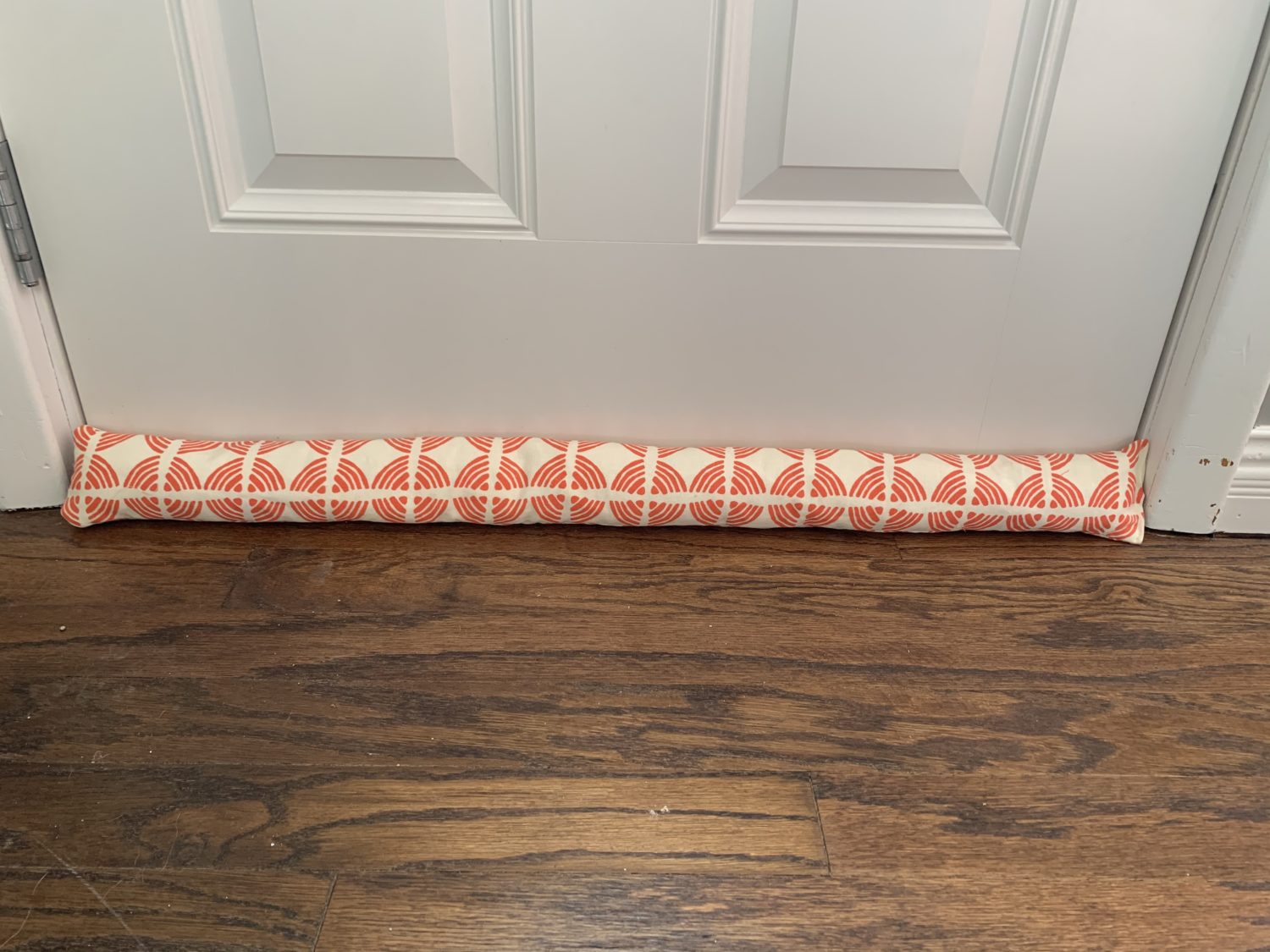
- Use a draft snake or rolled towel at the door base to block air.
- Apply removable weatherstripping tape for quick sealing.
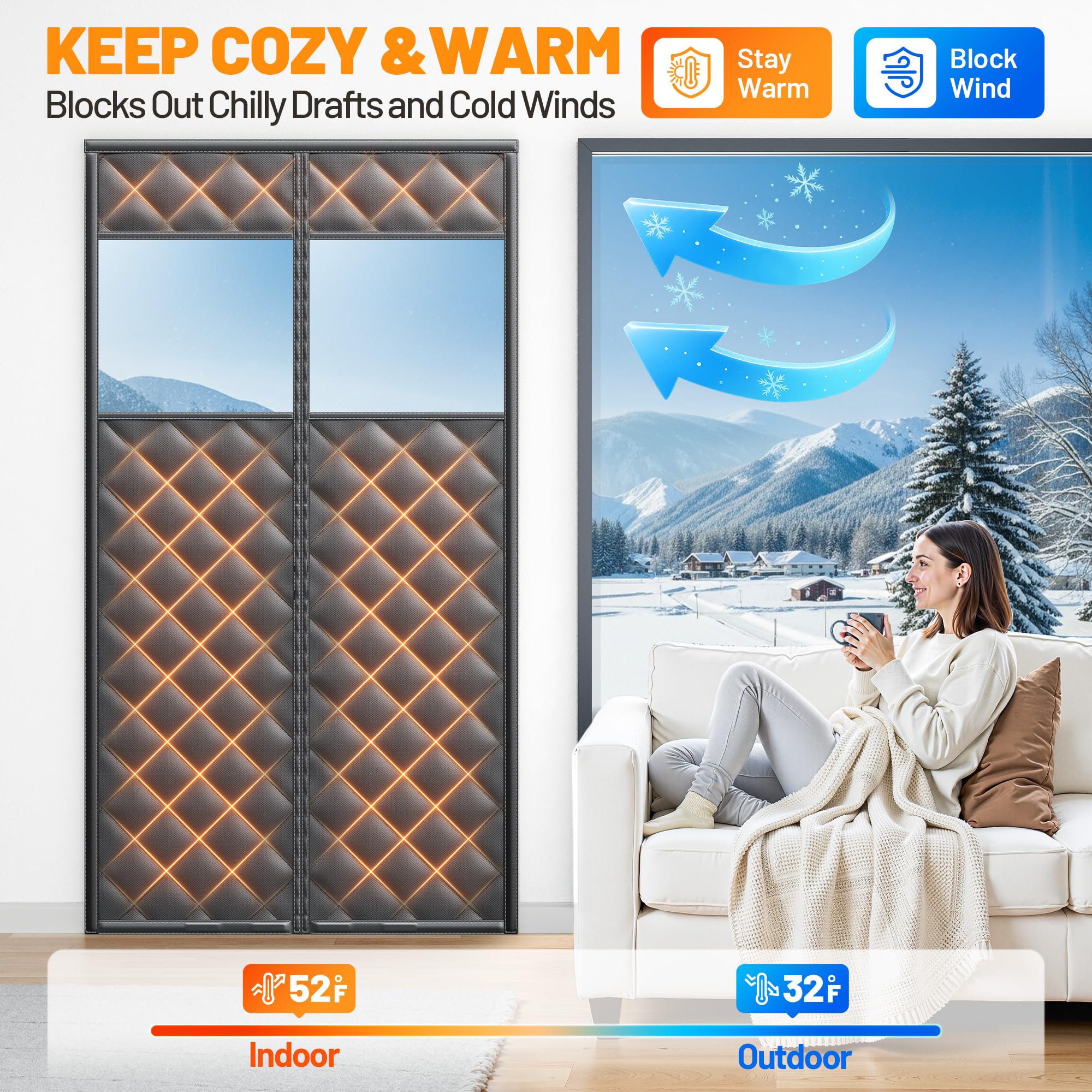
- Hang a heavy curtain or thermal drape over the door for added warmth.
- Use adhesive-backed foam to fill small gaps around the frame.
When to choose temporary fixes
- When you need a fast solution before a big repair.
- When you rent and can’t alter permanent seals.
How to stop door draft in winter: choosing the right weatherstripping and sweeps
Not all seals are equal. Match the product to the gap size and door type. I prefer vinyl or silicone for durability on exterior doors.
Common types and where to use them
- Foam tape: best for irregular gaps and low-traffic doors.
- V-strip (tension seal): good for tight vertical gaps and long-term use.
- Rubber or silicone sweeps: durable for heavier doors and frequent use.
- Brush seals: work well on uneven gaps and sliding doors.
Installation tips
- Clean the surface before applying adhesive strips.
- Cut strips slightly longer and trim for a snug fit.
- Replace worn seals every few years to maintain performance.

How to stop door draft in winter: insulation, thresholds, and long-term prevention
Think beyond immediate fixes for durable results. Proper maintenance avoids future drafts.
Long-term steps
- Insulate the door itself if it is hollow. Swap to a solid-core door when possible.
- Install a higher-quality threshold that mates tightly with the sweep.
- Repaint and recaulk trim to prevent water damage and shrinkage.
- Inspect seals each fall. Replace or adjust before cold weather sets in.
Maintenance routine
- Check seals and sweeps yearly.
- Tighten strike plates and hinges to keep the door aligned.
- Address floor changes caused by humidity that can widen gaps.

How to stop door draft in winter: cost, time, and energy savings
Small fixes cost little and often pay back quickly. I’ve tracked utility savings after sealing doors and saw measurable drops in heating runtime.
Costs and time
- Door sweep: $10–$40 and 15–30 minutes.
- Weatherstripping: $5–$30 and 20–40 minutes.
- Threshold replacement: $50–$200 and 1–2 hours.
- Door replacement: $300+ and several hours or professional install.
Energy impact
- Stopping drafts reduces heat loss and keeps indoor temperatures steadier.
- Savings vary by home but are noticeable in drafty houses.

How to stop door draft in winter: mistakes to avoid and pro tips
I learned these the hard way. Avoid them and you’ll have a neat, effective seal.
Common mistakes
- Using tape over old weatherstripping instead of replacing it.
- Selecting the wrong sweep type for the floor or door.
- Over-caulking moving joints that need to expand and contract.
Pro tips
- Match product life to door use; high-traffic doors need tougher materials.
- Keep a small touch-up kit for quick repairs each season.
- Test seals in cold weather, not just in mild temperatures.

Quick questions people ask (PAA-style)
What is the fastest way to stop a door draft?
- The fastest way is to install a door sweep at the bottom and apply adhesive weatherstripping to the jamb. These two fixes often stop most drafts in under an hour.
Will sealing a door reduce my heating bill?
- Yes. Stopping drafts reduces heat loss and the heating system runs less often, which lowers energy usage and costs over time.
Can I install weatherstripping myself?
- Most weatherstripping and door sweeps are DIY-friendly and need only simple tools like a tape measure, screwdriver, and utility knife.
Is it worth replacing an old exterior door?
- If the door is warped, hollow, or badly damaged, replacement can be more cost-effective long-term because new doors seal better and improve insulation.
How long do door seals last?
- Quality door seals and sweeps typically last 3–10 years depending on traffic and weather exposure.
Frequently Asked Questions of How to stop door draft in winter
How do I quickly test for a draft around my door?
Hold a lit candle or incense near the edges and watch for steady movement. You can also run your hand along the frame to feel cold air.
Can weatherstripping damage my door?
If installed correctly, weatherstripping does not damage the door. Avoid overly tight seals that strain the frame or prevent the latch from closing.
Will a door sweep work on uneven floors?
Adjustable door sweeps and brush-type sweeps work best on uneven floors because they adapt to gaps. You may need to trim or choose a flexible model.
Is caulking better than weatherstripping?
Caulk is best for fixed cracks around trim. Weatherstripping is better for moving joints between the door and frame. Use both where appropriate.
How often should I check seals and sweeps?
Inspect seals each fall and replace worn parts as needed. High-traffic doors may need attention every 1–3 years.
Conclusion
Stopping drafts is one of the fastest ways to make your home feel warmer, save on heating, and improve comfort. Start with a door sweep and good weatherstripping, then move to thresholds and door repairs if needed. Take action this weekend: check your doors, pick one fix, and install it—small steps add up to real savings and a cozier winter. Share your results or ask a question below, and subscribe for more practical home tips.