

Make bathroom rugs non slip with pads, gripper tape, silicone beads, and dry floors.
If you have ever stepped out of the shower and felt your rug skate, this guide is for you. I will show you how to make bathroom rugs non slip with methods that are safe, fast, and proven. We will cover quick fixes, long-term upgrades, and care tips that keep rugs steady on tile, vinyl, and stone. You will get step-by-step instructions, product options, and real-world lessons from bathrooms I have made safer.

Why bathroom rugs slip and what to check first
Bathroom rugs slip for two simple reasons: smooth floors and slick backings. Water, soap, and hairspray turn tile into ice. Worn latex or fabric backs lose grip and act like sleds. Before you buy anything, check the basics.
Do this five-minute safety check:
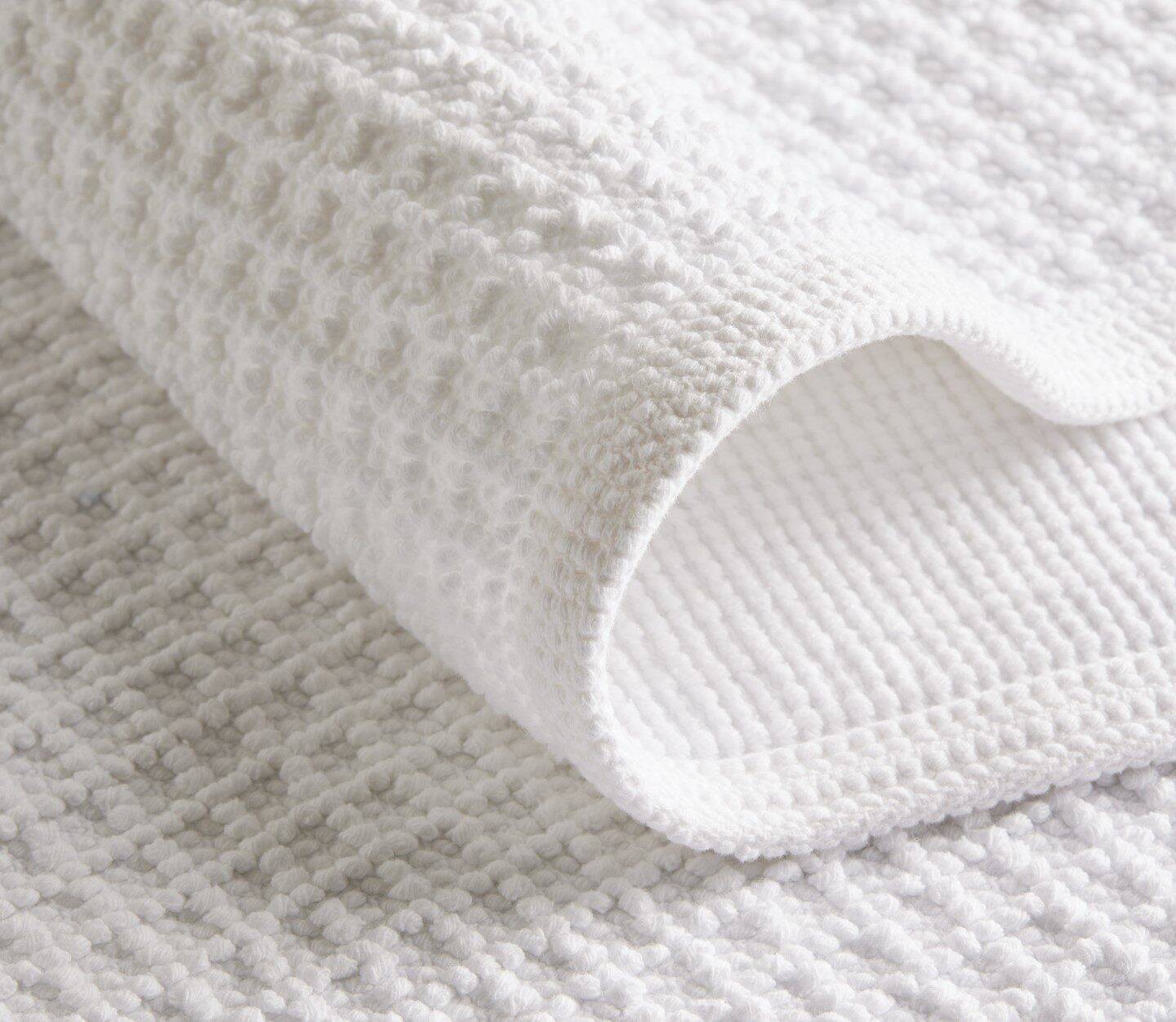
- Lift the rug and feel the back. If it is smooth cloth or shiny rubber, it likely needs help.
- Wipe the floor dry. Oil, dust, and residue break grip fast.
- Step on the rug with dry feet. Twist gently. If it shifts, you need a fix.
How to make bathroom rugs non slip starts with clean contact. A clean rug back on a clean, dry floor can boost friction a lot. Regular cleaning alone solves many slips. When that is not enough, move to pads, tape, or DIY grip.
Quick fixes you can do today
You can stop most sliding with simple tools you might have at home. These take under 10 minutes and work on tile or vinyl.
- Add a thin non slip rug pad. Cut it 1 inch smaller than the rug. It grips both sides.
- Use rug gripper tape at the corners and edges. Press hard on a dry floor.
- Apply silicone caulk dots on the back. Let them cure, then place the rug.
- Keep floors dry. Run a towel over tile after a shower.
- Trim curled corners. A curled edge acts like a skate.
When people ask how to make bathroom rugs non slip fast, I start with pads and tape. They are low-cost, renter-friendly, and easy to adjust. If you see movement after a week, add more tape at the corners.

The step-by-step method that lasts
Use this process for a firm, long-term grip. It balances safety, care, and clean removal.
Step 1: Clean the floor
- Vacuum up dust and hair.
- Wipe with mild cleaner. Rinse well.
- Dry fully. Moisture kills grip.
Step 2: Prep the rug back
- Wash the rug if it is safe to wash.
- Dry until fully dry. Damp fibers slip.
- Shave lint balls or loose fuzz if needed.
Step 3: Choose a grip method
- For thin rugs: a closed-cell rubber or felt-rubber pad.
- For plush rugs: a high-grip pad plus corner tape.
- For quirky shapes: silicone bead pattern on the back.
Step 4: Install with alignment
- Lay the pad smooth, no waves.
- Center the rug. Press from center out.
- Add tape tabs at corners if needed.
Step 5: Test and adjust
- Step on with dry feet. Twist and shift.
- If it moves, add more tape or a second row of silicone dots.
- Mark the rug corners on the floor with painter’s tape, in case you need to reposition later.
This is the core of how to make bathroom rugs non slip for the long run. The sequence of clean, pad, secure, and test keeps you safe without harming floors.

Best products and materials for grip
The right materials do most of the work. Not all pads or backings are equal.
Best pads for bathrooms
- Rubber-backed felt pad: Soft on floors, strong grip, good for larger rugs.
- Waffle rubber pad, closed cell: Thin, water-resistant, easy to trim.
- PVC-free pad: Safer for vinyl floors that stain with PVC.
Best tapes and adhesives
- Removable rug gripper tape: Use on sealed tile and sealed wood.
- Corner grippers: Great for small bath mats.
- Liquid silicone dots: Ideal for cotton or fabric-backed rugs.
Backing types to seek or avoid
- Seek natural rubber or latex blends labeled non-staining.
- Avoid plain fabric backs. They absorb water and slide.
- Avoid PVC on vinyl floors. It can discolor over time.
If your goal is how to make bathroom rugs non slip without damage, look for products labeled residue-free and safe for sealed floors. Test in a hidden spot first. Heat and sunlight can change how adhesives behave.

DIY methods that actually work
You can boost grip with simple home items. These methods work well when used right.
Silicone caulk dots
- What to do: Place pea-sized dots in a grid on the rug back, every 2 inches.
- Cure overnight. Set the rug down, dots facing the floor.
- Pros: Cheap, effective, washable.
- Cons: Must cure fully. Check for latex allergies.
Hot glue bead lines
- What to do: Run thin zigzags across the back, spaced an inch apart.
- Pros: Quick, high grip.
- Cons: Can soften on heated floors. Not for high heat areas.
Liquid latex paint method
- What to do: Brush a thin coat on the back and let it dry.
- Pros: Even coverage.
- Cons: Can flake with heavy washing. Ventilate well.
Shelf liner pad
- What to do: Trim a non slip shelf liner as a pad.
- Pros: Easy and cheap.
- Cons: Works best with light rugs only.
If you want to learn how to make bathroom rugs non slip with DIY tricks, start with silicone dots. They hold up to steam and weekly washes better than most quick hacks.
Care, cleaning, and maintenance to keep grip
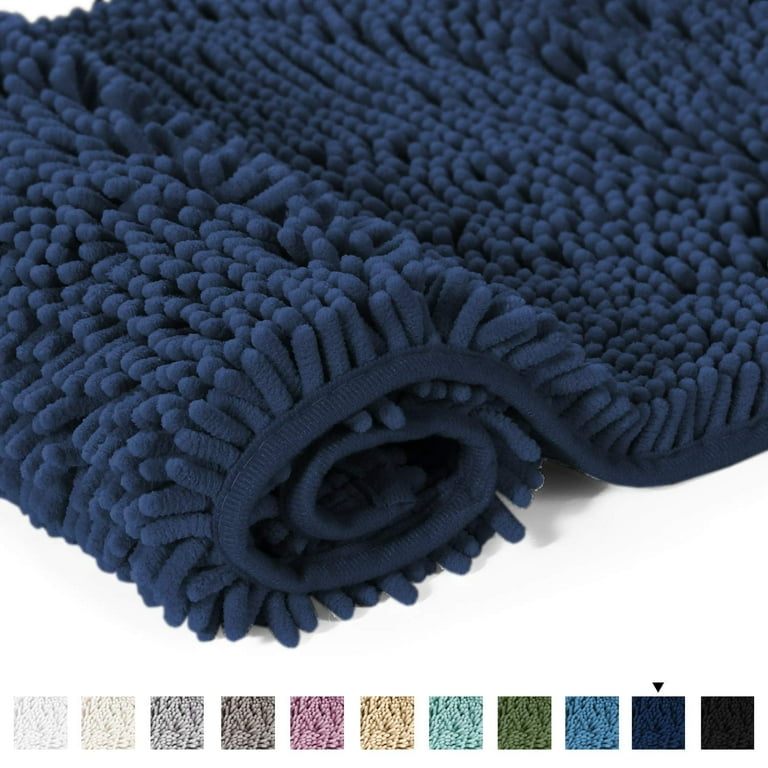
Grip fades when soap film, hair, and dust build up. Water minerals add slick layers you may not see.
Routine care that matters
- Wash rugs on gentle, then air-dry flat.
- Wipe pads with a damp cloth. Dry before use.
- Clean floors with a neutral cleaner. Avoid oily products.
Monthly tune-up
- Re-seat the rug. Smooth any waves.
- Check pad edges for curl.
- Refresh silicone dots if they flatten.
How to make bathroom rugs non slip over time is about upkeep. A two-minute wipe after showers and a monthly check can keep them steady for years.

Safety checklist and simple tests for grip
You do not need lab gear to judge grip at home. Use simple checks.
- Dry foot twist test: Step on the rug with dry feet. Twist. Little or no shift is the goal.
- Corner lift check: Try to lift a corner with one finger. It should resist slightly.
- Wet simulation: Lightly mist the floor edge. If the rug creeps, add more grip.
- Shower routine check: After a week of use, repeat all tests.
Industry tests favor a higher wet grip. Aim for a firm stop during the twist test. This quick routine supports how to make bathroom rugs non slip and stay safe.
Common mistakes to avoid
Small errors lead to big slips. Skip these traps.
- Using pads on a wet floor. Water blocks friction.
- Stacking two pads. The layers slide on each other.
- Using PVC under vinyl. It can stain or fuse.
- Skipping cure time for silicone or glue. Wet beads will smear.
- Washing with fabric softener. It leaves a slick film.
If you care about how to make bathroom rugs non slip without headaches, avoid softeners and oils. They undo your hard work in minutes.

Budget and eco-friendly options
You can save money and reduce waste while boosting safety.
- Buy a single large pad and trim pieces for all rugs.
- Choose natural rubber pads. They last and are floor-safe.
- Use silicone dots on old cotton rugs to extend their life.
- Repurpose yoga mats as pads. Trim to fit, textured side down.
- Air-dry rugs in the sun when possible. Heat helps set fibers and reduce musty odors.
These choices help with how to make bathroom rugs non slip on a budget. You will get steady footing and less waste.
Frequently Asked Questions of how to make bathroom rugs non slip
How do I keep a rug from sliding on tile?
Use a rubber-backed pad cut slightly smaller than the rug. Add corner gripper tape if the rug still shifts.
Will rug tape damage my bathroom floor?
Choose residue-free tape rated for sealed tile or sealed wood. Test a small area first and avoid PVC tape on vinyl floors.
Can I wash rugs with silicone dots on the back?
Yes, if the dots are fully cured. Wash on gentle and air-dry to preserve the grip.
What is the best option for thick, plush bath mats?
Use a felt-rubber pad for full contact and add corner grippers. Thick mats need more surface grip to stop creeping.
How often should I replace a non slip rug pad?
Most quality pads last 2 to 4 years. Replace if they harden, crack, or curl at the edges.
Is there a fix if I rent and cannot use adhesives?
Yes. Use a high-grip rubber pad and keep floors very clean and dry. You can also try removable corner grippers.
Do heated floors affect grip?
They can soften some adhesives. Use heat-safe pads and avoid hot-glue methods on heated areas.
Can I use a yoga mat under a bath rug?
Yes, as a budget pad. Place the textured side down and trim it 1 inch smaller than the rug.
Does fabric softener make rugs slippery?
Yes. It leaves a film on fibers and floors. Skip it to keep grip strong.
What is the simplest way to check if my rug is safe?
Do the dry foot twist test. If it slides more than an inch, add a pad or tape.
Conclusion
Safe footing starts with clean floors and the right grip layer. Now you know how to make bathroom rugs non slip with pads, gripper tape, silicone dots, and simple care. A few low-cost steps can turn a risky mat into a steady landing spot.
Pick one method today and test it with the twist test. Small changes make a big safety win. If you found this helpful, try one tip now, then share your results or ask a question in the comments.