

Use a non-slip rug pad, add silicone beads or puffy paint, or apply carpet tape. Keep the floor dry.
Want a simple, safe, and affordable plan for how to make bathroom rugs non slip? You’re in the right place. I’ve tested quick fixes and long-term methods in busy homes and rentals. This guide explains how to make bathroom rugs non slip with clear steps, smart product picks, and practical tips that actually last. Let’s keep your bathroom cozy and safe without the guesswork.

Why bathroom rugs slip and why it matters
Bathroom floors get wet, so friction drops fast. Rugs slide on smooth tile, vinyl, or laminate, especially if the rug’s backing is worn or flat. Residue from soaps, lotions, and cleaners also makes floors slick.
Home safety data shows bathrooms are a common spot for falls. Most slips start with small things, like damp floors, a curling rug corner, or a worn backing. Fixing those small risks is a big win.
When you learn how to make bathroom rugs non slip, you raise safety, comfort, and peace of mind. It’s also cheaper than replacing rugs every few months.
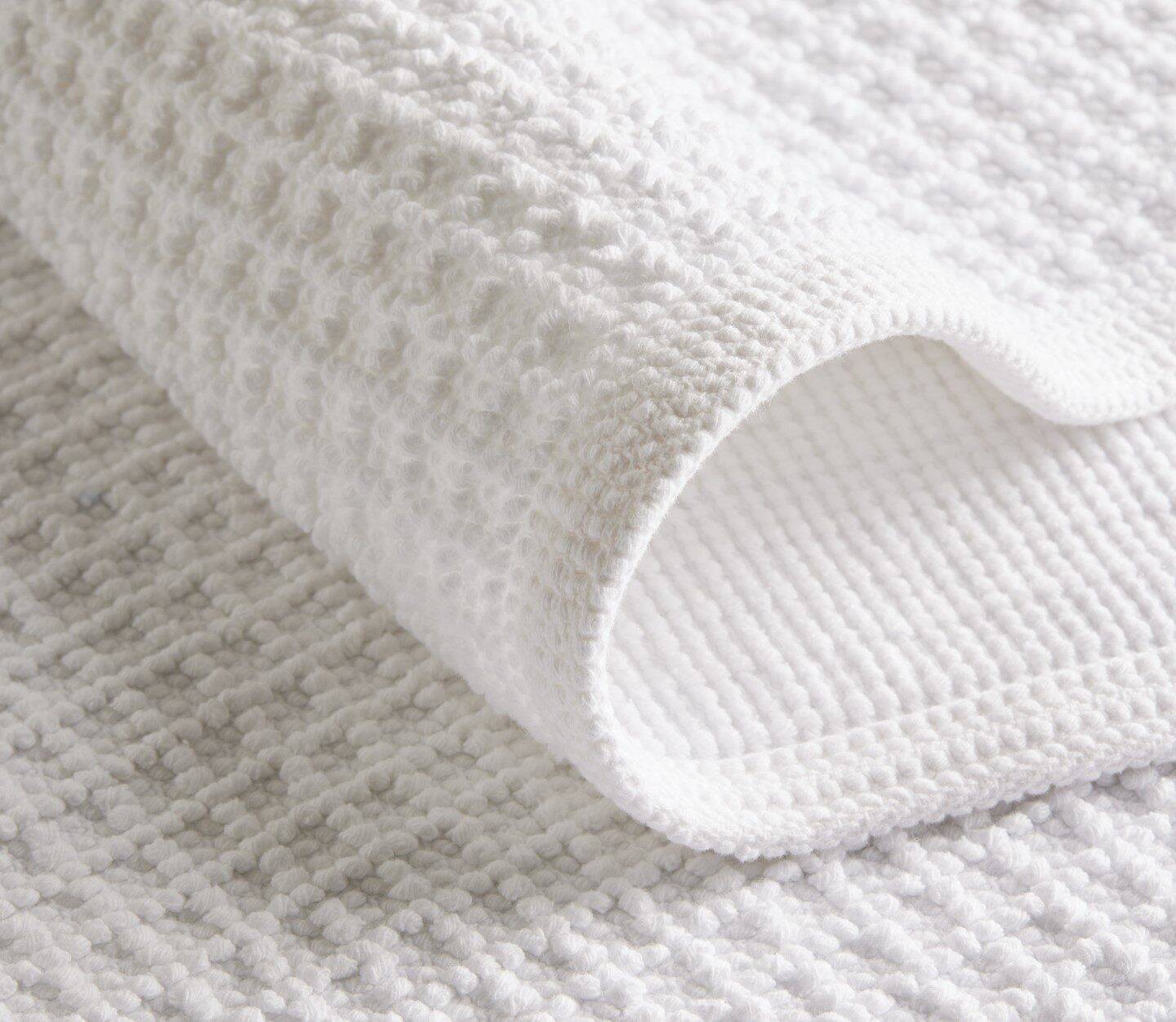
The best methods: how to make bathroom rugs non slip step by step
Below are proven methods I use and recommend. Pick one or stack two for extra grip. Each option fits a different rug and floor.
- Rug pad made of natural rubber
- 100% silicone caulk or silicone dots
- Puffy fabric paint dots
- Non-slip latex or spray grip
- Double-sided carpet tape or rug grippers
- Hook-and-loop (Velcro) strips
- Corner grippers for curling edges
Use these steps to learn how to make bathroom rugs non slip and long lasting.
Method 1: Natural rubber rug pad
- Measure your rug and cut the pad 1 inch smaller on all sides.
- Clean and dry the floor. Remove dust, oil, and soap residue.
- Lay the pad flat, then place the rug on top. Smooth bubbles.
- Do a tug test. The rug should resist movement.
Why it works: Natural rubber grips better than PVC and holds up to humidity. It’s my top pick for renters and high-traffic bathrooms.
Method 2: 100% silicone caulk backing
- Wash and dry the rug. Flip it over.
- Apply small silicone beads or squiggle lines across the back.
- Smooth the beads a bit with a gloved finger if you want a lower profile.
- Let it cure 24 hours. Check that it’s dry before use.
Tip: Make dots about pea-sized, spaced 1 to 2 inches apart. This adds friction without making the rug stiff.
Method 3: Puffy fabric paint dots
- Flip the rug. Add small dots or lines with puffy paint.
- Let dry fully. Many brands are machine-wash safe when cured.
- Test on a corner first. Then cover the whole backing.
This is a kid-safe, low-odor hack. It’s great for cotton bath mats.
Method 4: Non-slip latex or spray-on grip
- Choose a latex rug backing or non-slip spray made for fabric.
- Mask edges with painter’s tape for neat lines.
- Apply a thin, even coat. Let dry. Add a second coat if needed.
Good for low-pile rugs with flat backs. Check labels for wash care.
Method 5: Double-sided carpet tape or rug grippers
– Clean and dry the floor. Wipe the rug backing.
- Apply tape along the edges and a few cross strips.
- Press the rug firmly onto the floor.
Note: Some tapes can mark floors or struggle on textured tile. Test a small area first.
Method 6: Hook-and-loop (Velcro) strips
- Stick the hook side to the floor and the loop side to the rug.
- Place strips at corners and midpoints.
- Press together and test grip.
Velcro is great when kids run in and out. It also stops corner flips.
Method 7: Corner grippers
- Apply grippers to each corner.
- Press to bond. This helps flatten curls and adds traction.
Use this along with a rug pad for extra hold.
To get real results with how to make bathroom rugs non slip, start with a rubber pad. Add silicone or puffy paint if the rug still walks. Keep floors dry and clean.

Material guide: match the method to your rug and floor
Not all rugs and floors act the same. Choosing the right combo is key.
Rugs:
- Cotton bath mats: Work well with rubber pads, silicone dots, or puffy paint.
- Memory foam mats: Often have thin backings. Add a rubber pad or corner grippers.
- Woven or tufted rugs: Use silicone or latex backing. Pads help on smooth tile.
- Rubber-backed rugs: If the backing is cracking, it’s time to refresh or add silicone dots.
- Bamboo or teak bath mats: Use rubber pads under feet, not tape.
Floors:
- Ceramic or porcelain tile: Rubber pads, grippers, or silicone-backed rugs work best.
- Vinyl or luxury vinyl: Rubber pads are safe; avoid harsh adhesives that may stain.
- Natural stone: Use breathable pads and gentle cleaners to avoid residue.
- Sealed wood near baths: Rare, but if present, avoid aggressive adhesives and standing water.
Extra notes:
- Heated floors can soften some adhesives. Choose heat-safe pads or silicone dots.
- If you rent, pick removable options like rubber pads, corner grippers, and Velcro.
These matches will make how to make bathroom rugs non slip easier and more reliable.

Care and maintenance so rugs stay grippy
A good setup still needs care. Dirt and soap films cut grip fast.
- Wash rugs on a gentle cycle. Skip fabric softeners. They leave slick residue.
- Air-dry or tumble low. High heat can crack some backings.
- Every 2 to 4 weeks, wipe the floor with a cleaner that cuts oil and soap scum.
- If silicone or puffy paint wears down, add fresh dots and let them cure.
- Replace cracked PVC backings. They shed and slide.
Make a quick routine. It keeps your plan for how to make bathroom rugs non slip working for months, not weeks.

Budget, sustainability, and what I use at home
I tested many fixes in a busy family bath. The winner for me was a natural rubber pad plus silicone dots on the rug. It held up to wet feet, steam, and weekly washes.
- Best value: Natural rubber pad. Low cost, no mess, easy to move.
- Strongest hold: Silicone dots plus a pad. Great for smooth tile and kids.
- Quick rental fix: Corner grippers or Velcro. No marks and simple to remove.
- Eco tip: Avoid PVC pads. Choose natural rubber or water-based latex.
Use what fits your space, budget, and wash habits. That is the smart way to handle how to make bathroom rugs non slip without waste.
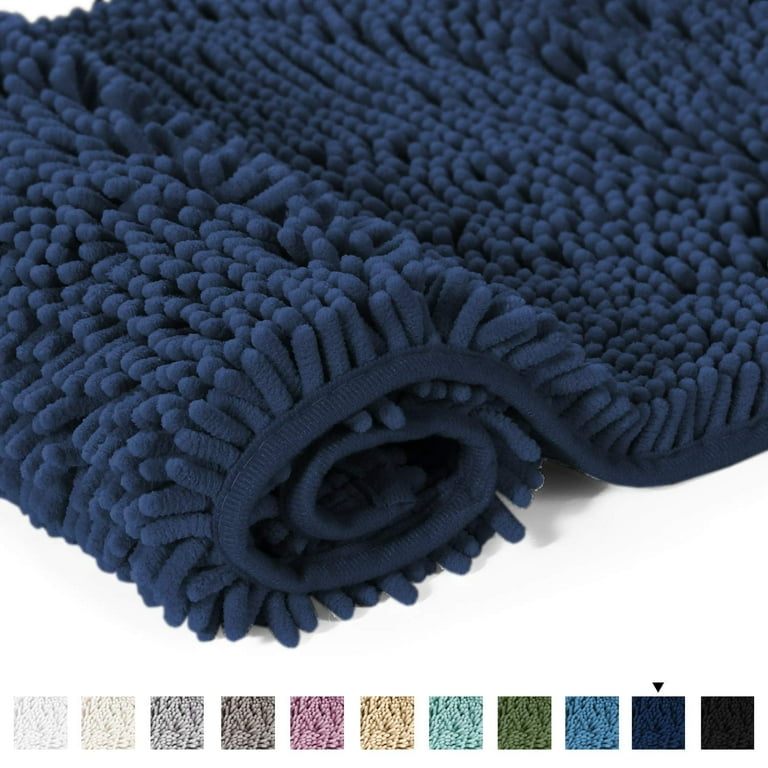
Common mistakes to avoid
- Installing on a damp or dirty floor. Always clean and dry first.
- Using too much silicone. Thick blobs can feel lumpy and peel.
- Skipping cure time. If it’s not dry, it won’t grip.
- Mixing oily cleaners and pads. Oil reduces friction.
- Using harsh tape on delicate floors. Always test a small patch.
- Ignoring curling corners. Add corner grippers or Velcro at once.
- Putting pads over grout humps. Trim pads so the rug lies flat.
Avoid these errors and your plan for how to make bathroom rugs non slip will last longer and feel better underfoot.

Troubleshooting and safety checks
If the rug still moves:
- Add more silicone dots or a second coat of latex.
- Combine a rubber pad with corner grippers.
- Try a wider rug pad that covers more area.
If corners curl:
- Apply corner grippers or a small piece of carpet tape under each corner.
- Steam lightly, then lay flat with weight until cool and dry.
Run these safety checks weekly:
- Do a tug and twist test.
- Check for residue on the floor and wipe it clean.
- Inspect backing for cracks or worn dots.
These habits make how to make bathroom rugs non slip a set-and-forget system that actually holds up.
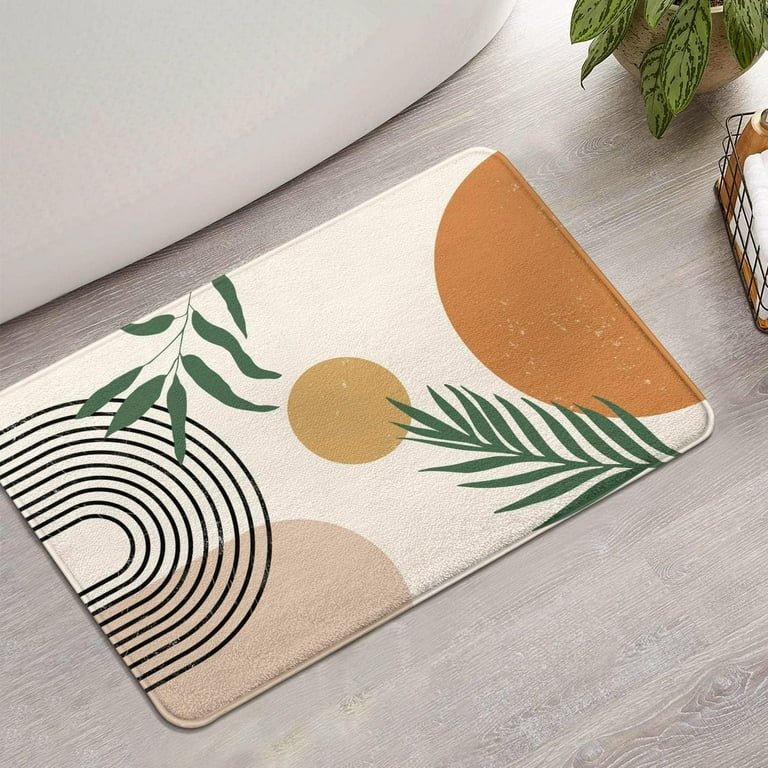
Frequently Asked Questions of how to make bathroom rugs non slip
How do I know which method is best for my rug?
Start with a natural rubber pad. If it still slides, add silicone dots or corner grippers based on your rug type and floor.
Will silicone or puffy paint ruin my washing machine?
No, once fully cured. Let it dry at least 24 hours, then wash on gentle and air-dry or low heat.
Can carpet tape damage tile or vinyl floors?
Some tapes can leave residue or marks. Test a small area first and choose a tape labeled safe for your floor type.
How often should I replace the rug pad?
Most good rubber pads last one to three years. Replace it if it cracks, curls, or loses grip.
What if I have heated floors?
Use heat-safe pads and avoid heavy adhesives. Silicone dots and natural rubber pads usually perform well with radiant heat.
Are rubber-backed rugs enough on their own?
Sometimes, but they wear with washes. Add a rubber pad or silicone dots if you notice sliding.
How can I keep grip after washing the rug?
Skip fabric softener and high heat. Clean the floor often and refresh silicone dots when they flatten.
Conclusion
Now you have a clear plan for how to make bathroom rugs non slip, from simple pads to strong silicone dots. Keep floors clean, choose the right method for your rug and floor, and do quick weekly checks. Small steps stop slips and make your bathroom feel calm and safe.
Try one method today. If you found this helpful, share it with a friend, subscribe for more smart home fixes, or drop your questions in the comments.