

Use a mesh screen cleaner, mild soap, brush both sides, rinse thoroughly, and let screens air-dry.
I’ve cleaned hundreds of window screens and tested multiple tools. This guide explains how to clean window screens with a mesh screen cleaner step by step, with tools, common problems, and pro tips that save time and keep screens looking clear and lasting longer. Read on to learn simple, safe methods you can use today.

Why clean window screens regularly
Dirty screens block light, reduce airflow, and look worn. Learning how to clean window screens with a mesh screen cleaner keeps screens clear and helps indoor air stay fresh. Regular cleaning also prevents grime buildup that can shorten the life of the mesh and frame. Clean screens improve curb appeal and let you enjoy clearer views.

Tools and supplies you’ll need
You don’t need fancy gear to learn how to clean window screens with a mesh screen cleaner. Gather these items before you start:
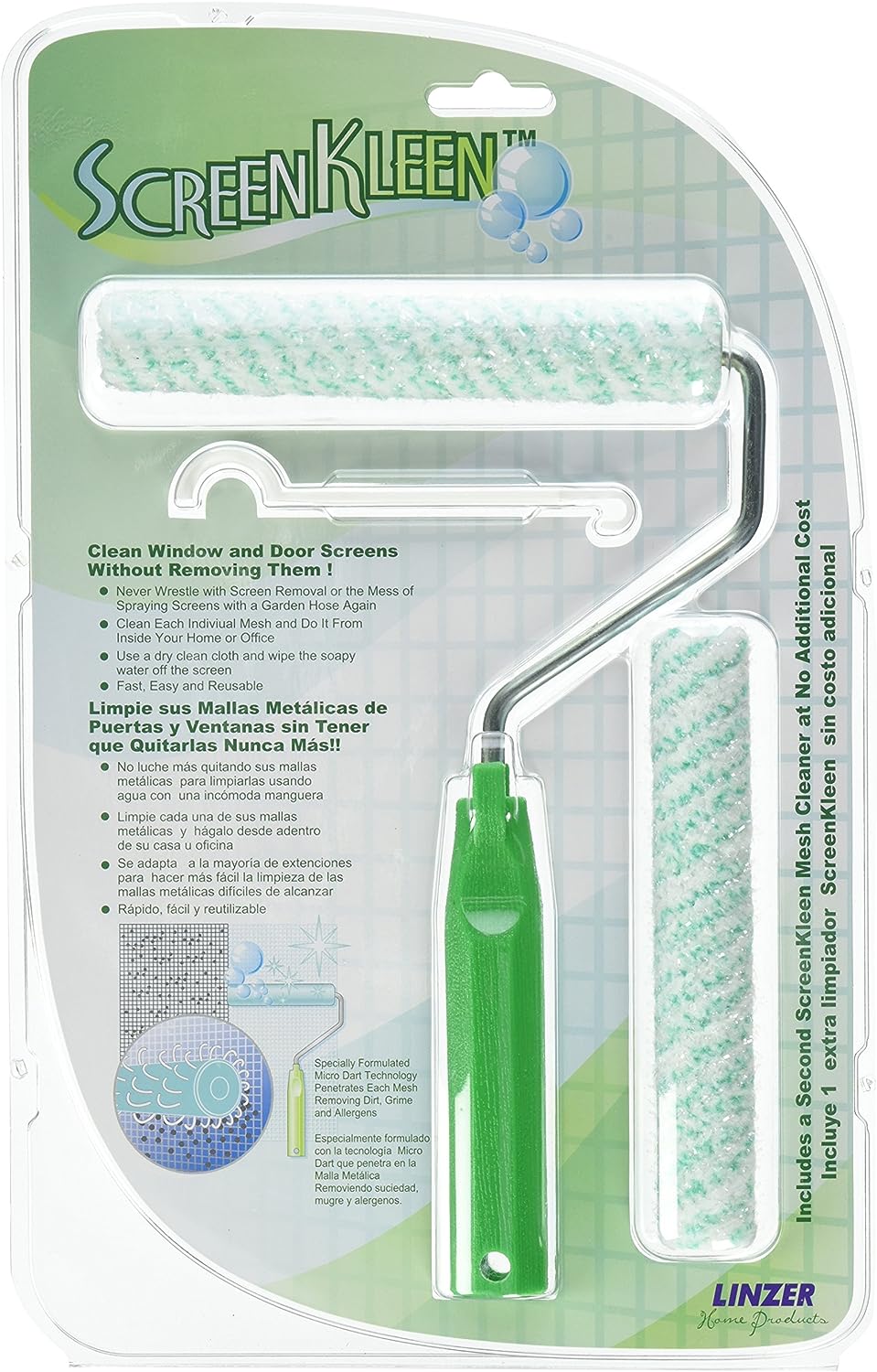
- Mesh screen cleaner or soft-bristled brush designed for screens.
- Mild dish soap or a gentle all-purpose cleaner.
- A bucket, hose with spray nozzle, or large sink.
- Microfiber cloths or soft towels for drying the frame.
- Optional: soft toothbrush for corners and a sponge for stubborn grime.
Step-by-step: cleaning removable screens
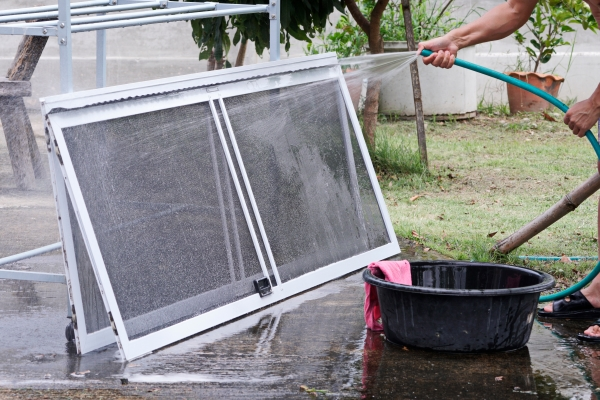
If your screens come out, cleaning is faster and safer. This method shows how to clean window screens with a mesh screen cleaner when screens are removed.
- Remove the screen carefully and lay it flat on a clean surface or lean it against a wall.
- Rinse the screen gently with lukewarm water to remove loose dust and pollen.
- Mix a few drops of mild dish soap in a bucket of water.
- Use the mesh screen cleaner or soft brush to scrub both sides in short, even strokes. Work top to bottom.
- Rinse the screen thoroughly until the soap is gone.
- Shake off excess water and stand the screen to air-dry or pat dry the frame with a towel before reinstalling.

Cleaning screens while still installed
Not every screen needs removal. Here’s how to clean window screens with a mesh screen cleaner when they stay in place.
- Open the window if possible for better access and safety.
- Spray the screen lightly with water from a hose or spray bottle.
- Apply a small amount of mild soap and scrub gently with the mesh screen cleaner from top to bottom.
- Rinse with a gentle spray or wipe with a wet cloth to remove soap.
- Dry the frame with a towel to avoid water seeping into the window track.

Removing stains and deep grime
Some stains need extra care. Use these tips for sticky residues, bird droppings, or mold.
- For oily spots, apply a dab of dish soap directly and let sit 5 minutes before scrubbing.
- For mold or mildew, use a diluted vinegar solution (1 part white vinegar to 3 parts water) and scrub gently.
- Avoid harsh chemical cleaners and bleach on fine mesh; they can weaken fibers or discolor frames.
- Test any stronger cleaner on a small corner first.

Repair tips and when to replace screens
Cleaning reveals wear and small tears. Know when to repair or replace after you clean.
- Small holes can be patched with screen repair kits available at home stores.
- Bent frames can often be reshaped, but severely warped frames should be replaced.
- If the mesh is brittle, sagging, or tearing in many places, replacement is safer and cost-effective.
- After learning how to clean window screens with a mesh screen cleaner, inspect them for damage every cleaning.

Drying, reinstalling, and preventing water damage
Proper drying keeps frames and tracks working well. Follow these simple steps.
- Let screens air-dry fully before reinstalling to prevent mold in the track.
- Wipe the window frame and track dry to remove trapped water and debris.
- Reinstall screens gently and test window operation to ensure fit.
- Consider applying a silicone lubricant to window tracks once a year to keep movement smooth.

Maintenance schedule and simple habits
A little care goes a long way. Use this schedule to keep screens in top shape.
- Light cleaning once every 1–3 months for dusty climates or seasonal pollen.
- Deep cleaning with a mesh screen cleaner twice a year—spring and fall—works well for most homes.
- Quick spot cleaning after storms, bird strikes, or heavy pollen days.
- Regular checks for holes, sagging, and frame wear each time you clean.
Common problems and troubleshooting
Cleaning can raise questions. Here are fixes for typical issues when you learn how to clean window screens with a mesh screen cleaner.
- Soap residue left on the screen — Rinse thoroughly with more water and blot the frame dry.
- Mesh sagging after cleaning — Let it dry fully; if sag remains, consider tightening or replacing.
- Stubborn grime — Use a soft toothbrush or repeat the gentle soap treatment; avoid harsh scrubbing.
Personal experience and pro tips
I started cleaning screens with limited tools and learned fast. A handheld mesh screen cleaner cut my cleaning time in half. My biggest lesson: never use wire brushes. They damage the mesh. I also found that cleaning on cloudy days prevents soap from drying too fast and leaving streaks. For screening large windows, work in sections to keep strokes even and light.
Benefits and limitations of using a mesh screen cleaner
A mesh screen cleaner is efficient, gentle, and designed for the job. It removes dust and pollen without tearing the mesh. However, it won’t fix large tears or warped frames. For very delicate antique screens, a softer cloth and gentle rinse work better than any brush.
Frequently Asked Questions of how to clean window screens with a mesh screen cleaner
How often should I clean screens with a mesh screen cleaner?
Clean screens lightly every 1–3 months and deep clean with a mesh screen cleaner twice a year. Adjust the schedule for heavy pollen seasons or coastal salt spray.
Can I use a power washer to clean screens?
A power washer is not recommended because the high pressure can stretch or tear the mesh and warp frames. Use a gentle hose spray instead.
What soap is best for cleaning window screens?
Mild dish soap is best because it cuts grease and rinses clean without harming mesh fibers or paint on frames. Avoid bleach and harsh solvents.
How do I remove mildew from screens?
Use a diluted vinegar solution or a gentle mildew cleaner applied with a soft brush. Rinse thoroughly and allow the screen to dry completely in sunlight if possible.
Can I clean screens while they are still on the window?
Yes. Clean screens in place using a spray bottle or hose and a mesh screen cleaner, taking care to protect the window and track from excess water.
Conclusion
Cleaning screens is fast, cheap, and it improves light and air in your home. Use a mesh screen cleaner, mild soap, and gentle rinsing to keep mesh and frames in top shape. Start a simple cleaning routine this season, inspect screens for damage, and replace or repair as needed to extend their life. Try the step-by-step methods here, subscribe for more home care tips, or leave a comment with your own screen-cleaning wins and questions.